Artwork
Konsistorialråd J. Ernst Wegener
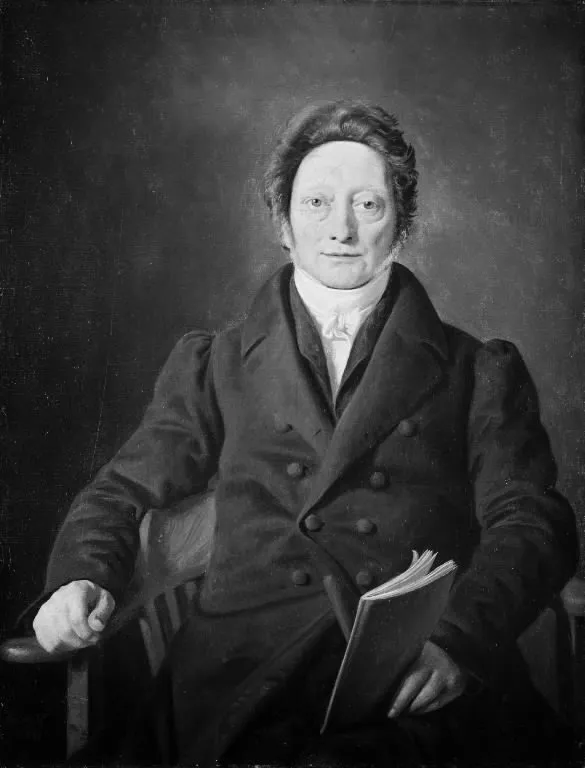
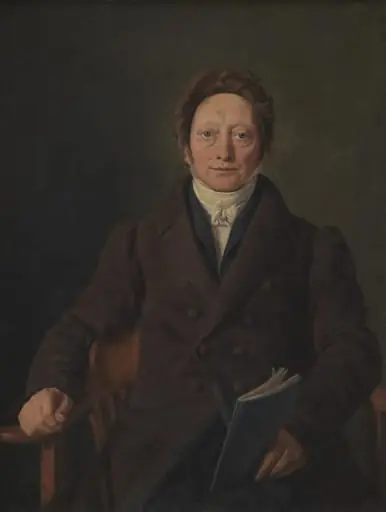
Konsistorialråd J. Ernst Wegener is an oil painting by Constantin Hansen. It dates from 1834 and is held in the collection of the Statens Museum for Kunst.
About this work
Overview
Hansen, trained under Christoffer Wilhelm Eckersberg, brought a restrained elegance to his subjects, avoiding theatricality in favor of quiet dignity.
Painted in 1834 by Constantin Hansen, this oil on canvas portrait depicts J. Ernst Wegener, a Danish civil servant holding the title of Konsistorialråd. The work belongs to the Danish Golden Age, a period marked by a renewed focus on national identity and realistic representation. Hansen, trained under Christoffer Wilhelm Eckersberg, brought a restrained elegance to his subjects, avoiding theatricality in favor of quiet dignity.
Subject & Meaning
J. Ernst Wegener is portrayed as a man of intellect and public service, seated with a book in his left hand, suggesting scholarly engagement. His formal attire—dark coat, high collar, and white shirt—signals his position within the ecclesiastical or administrative elite. The absence of decorative elements and his solemn gaze reinforce an ethos of duty and restraint, aligning with contemporary ideals of civic virtue in early 19th-century Denmark.
Technique & Style
Hansen employed a muted palette and precise brushwork to convey texture and form without embellishment. The dark, neutral background isolates the figure, drawing attention to his posture and facial expression. Light falls subtly across the face and hands, modeling volume while maintaining a sense of quiet intimacy. The composition follows classical portraiture conventions, emphasizing balance and psychological presence over narrative context.
History & Provenance
The painting was completed in 1834 and entered the collection of the Statens Museum for Kunst in Copenhagen, where it remains today. It was likely commissioned by Wegener’s family or institution, as was common for civil servants of his rank. No significant alterations or reattributions are recorded, and its provenance has remained stable since its creation, reflecting its status as a representative work of its time.
Context
During the 1830s, Danish portraiture shifted from aristocratic grandeur toward a more introspective, middle-class idealism. Influenced by art historian Niels Laurits Høyen, artists like Hansen sought to depict individuals as embodiments of national character. Wegener’s portrait reflects this movement—his identity is defined not by wealth or title alone, but by demeanor, education, and moral gravity.
Legacy
This portrait exemplifies Hansen’s contribution to a distinctly Danish visual language in portraiture, one that valued sincerity over spectacle. While less widely known internationally, his work helped shape the aesthetic priorities of Danish national art. The painting continues to serve as a reference for the period’s social values and the evolving role of the civil servant in Danish society.
Artist & collection
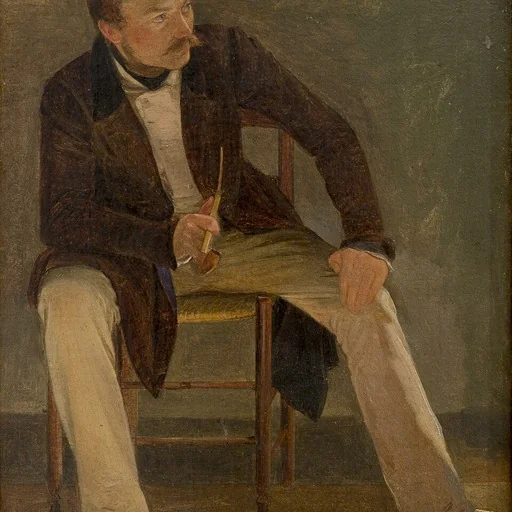
Artist
Carl Christian Constantin Hansen (Constantin Hansen) (3 November 1804 – 29 March 1880) was one of the painters associated with the Golden Age of Danish Painting.

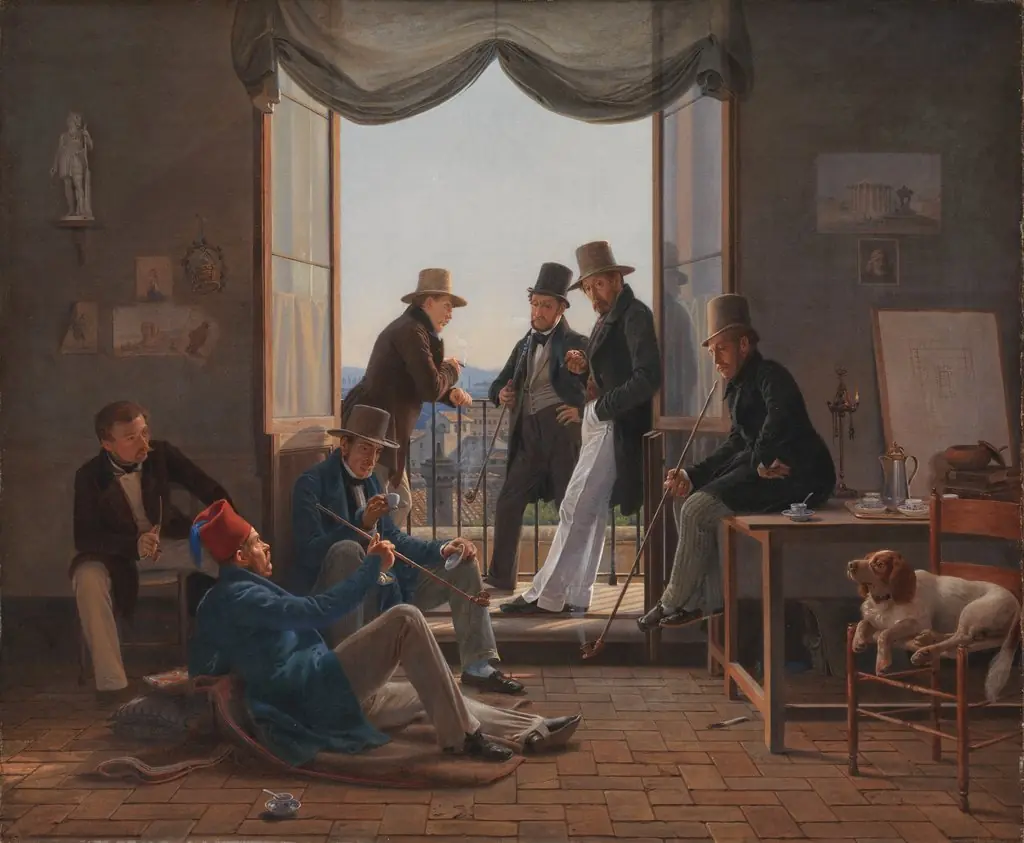

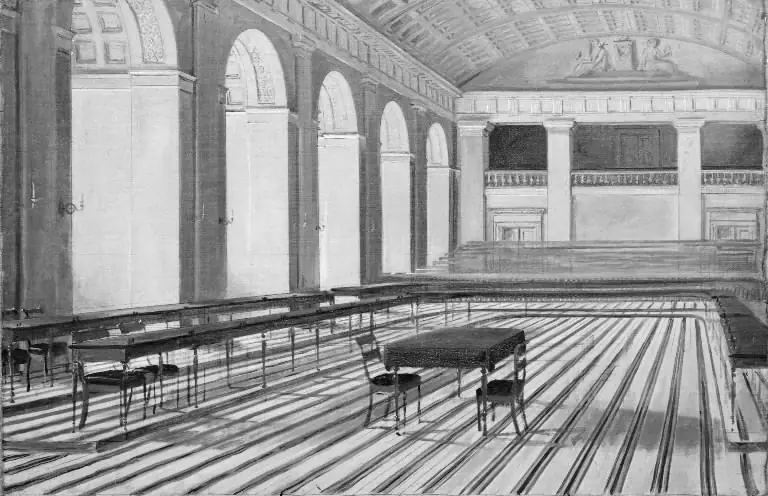
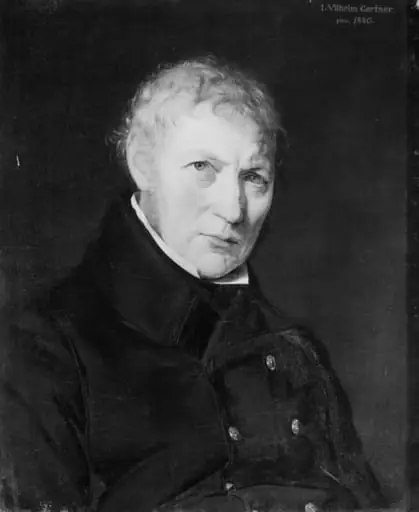 Blokkedrejer ved Holmen Johan Vilhelm Gertner, kunstnerens fader
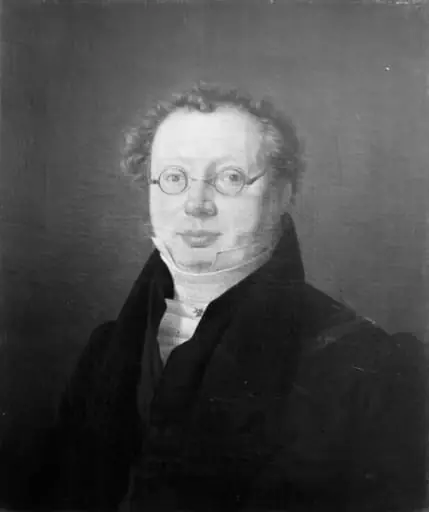 Grosserer Isaac Unna
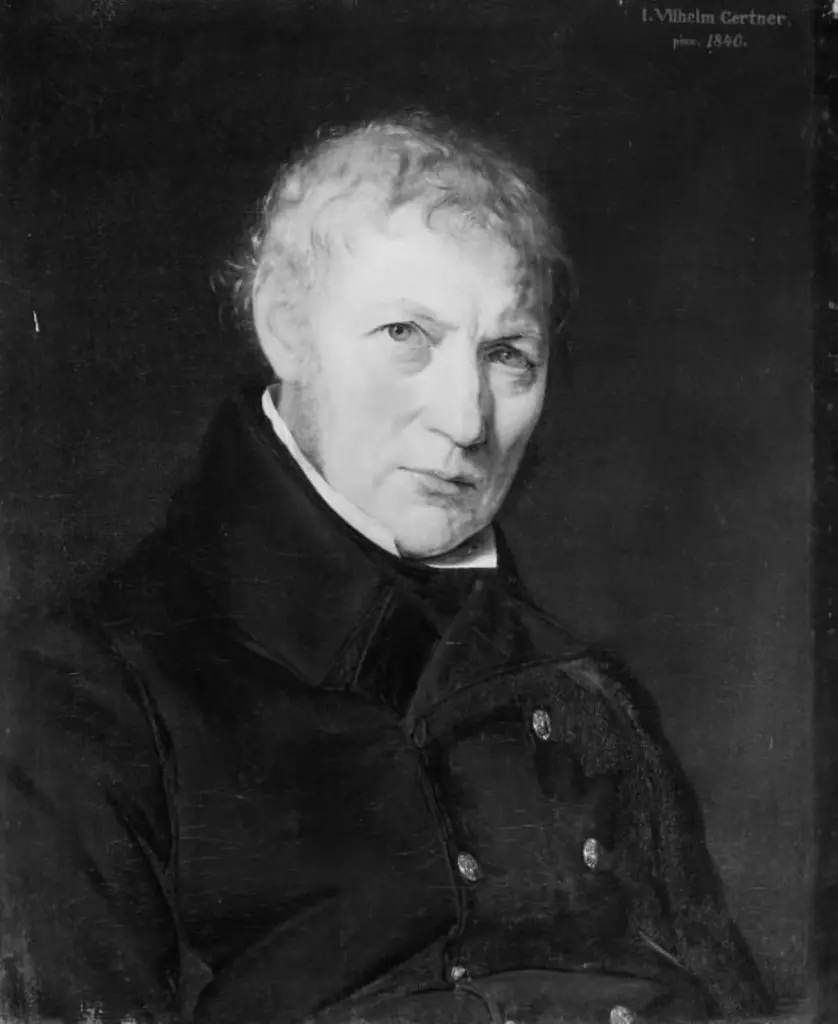 Blokkedrejer ved Holmen Johan Vilhelm Gertner, kunstnerens fader
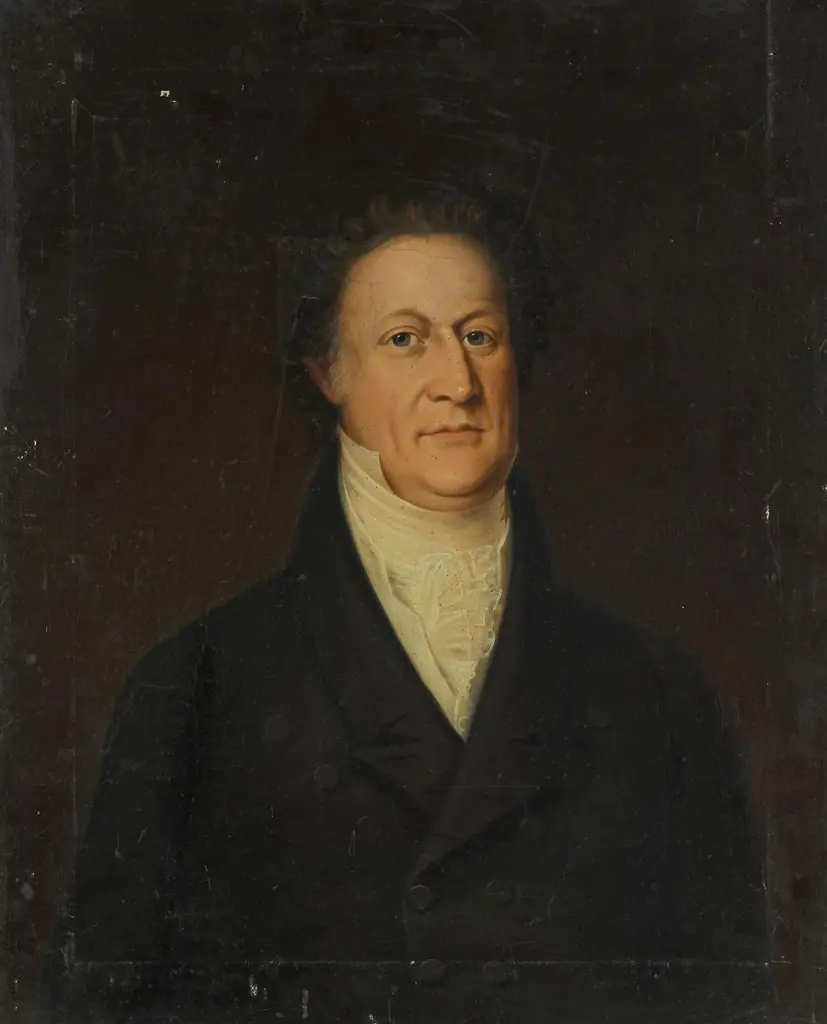 Portrait of Walter Petersen
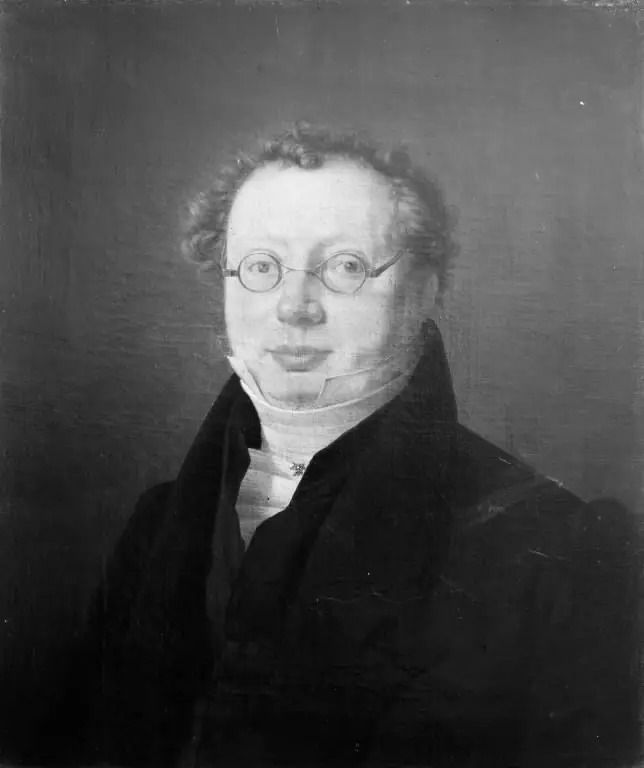 Grosserer Isaac Unna
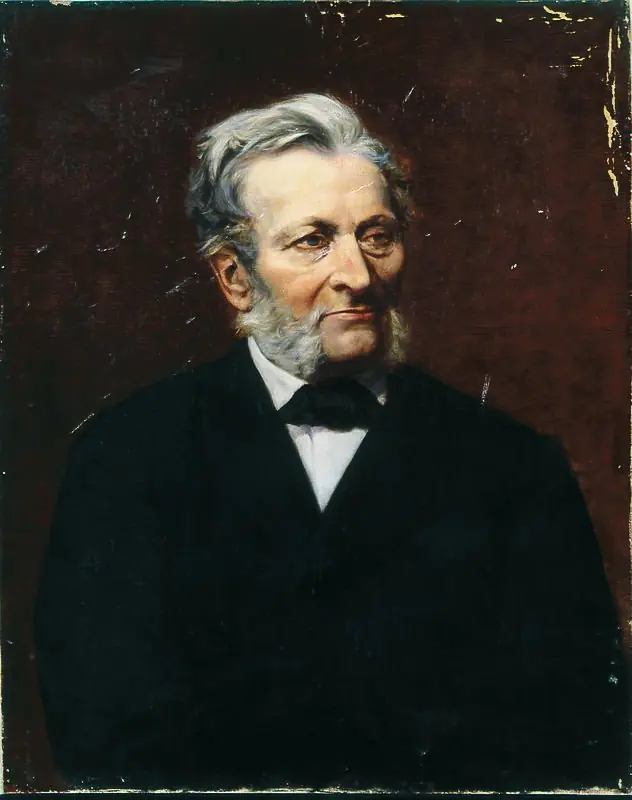 Portrait of Justynian Karnicki, president of Society of Fine Arts
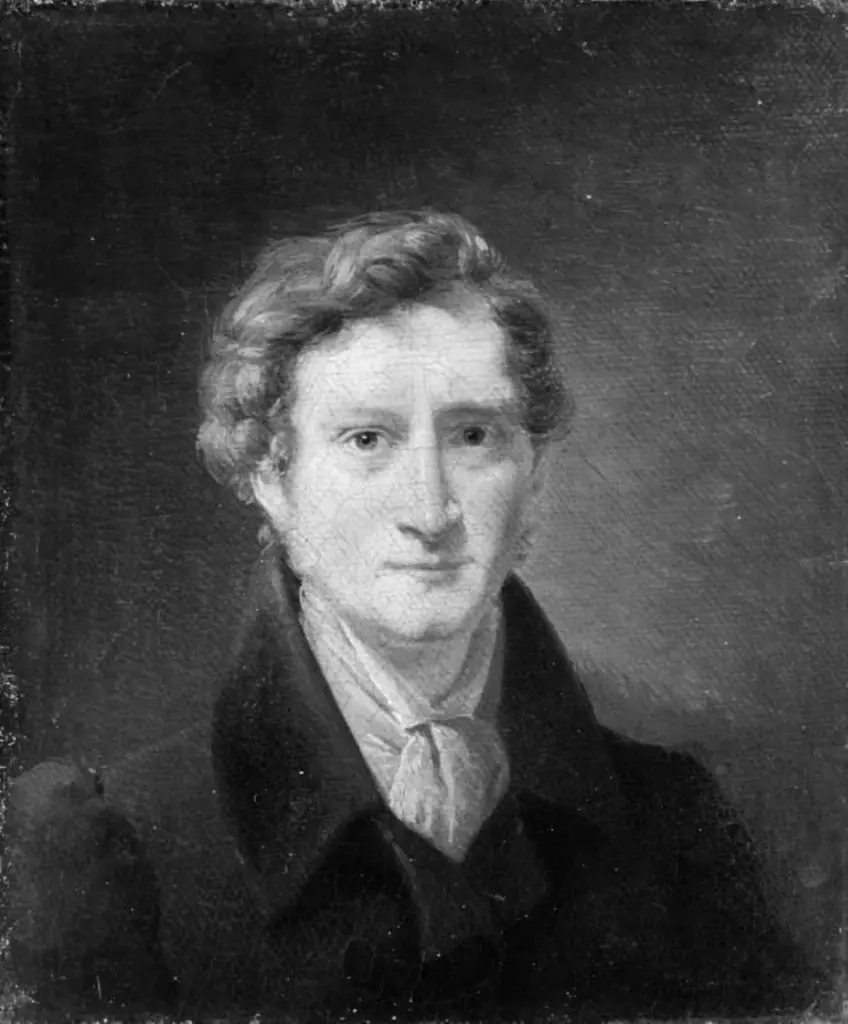 Self-portrait
 Neil McNeill
 Portrait of a Young Man
 Portrait of Luigi Edouardo Rossi, Count Pellegrino
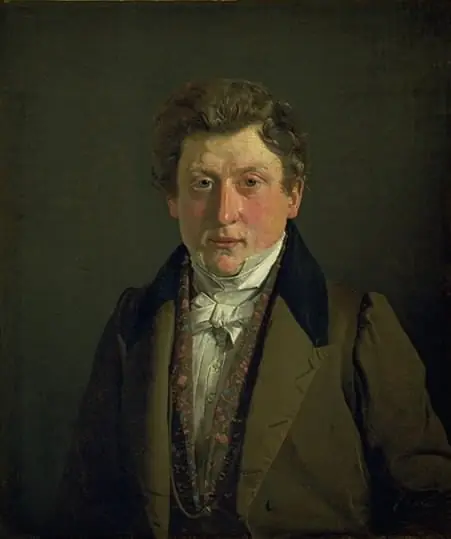 Portrait of the Artist´s Cousin and Brother-in-Law, the Grocer Christian Petersen
 Konsistorialråd J. Ernst Wegener