Artwork
Francis le Mothe le Vayer
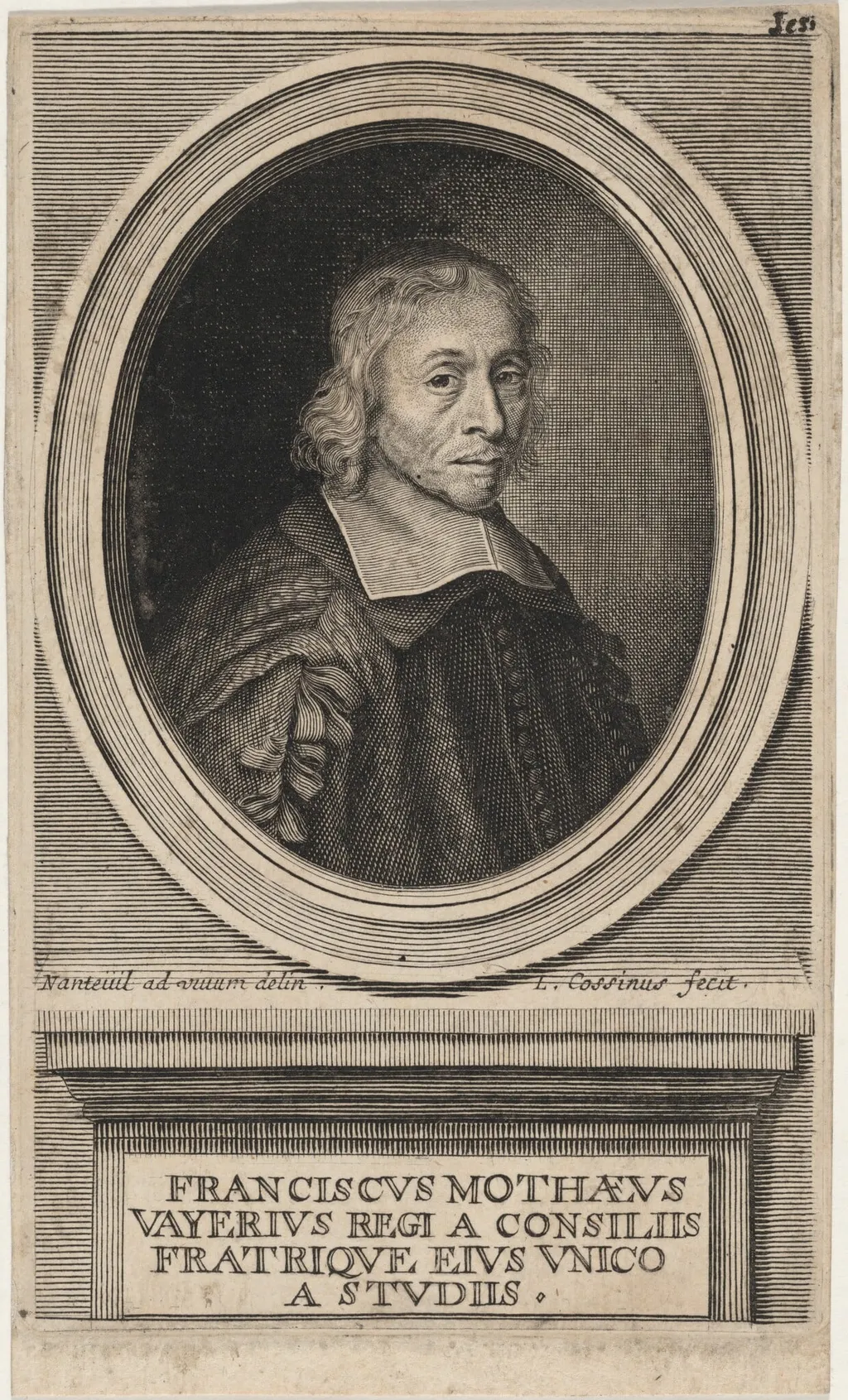
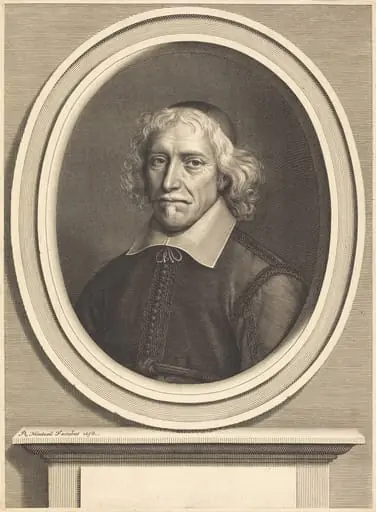
Francis le Mothe le Vayer is an ink print by the Baroque artist Louis Coquin. It dates from 1656 and is held in the collection of the National Gallery of Art.
About this work
Overview
The work exemplifies the precision and restraint typical of mid-17th-century portrait engravings intended for scholarly circulation.
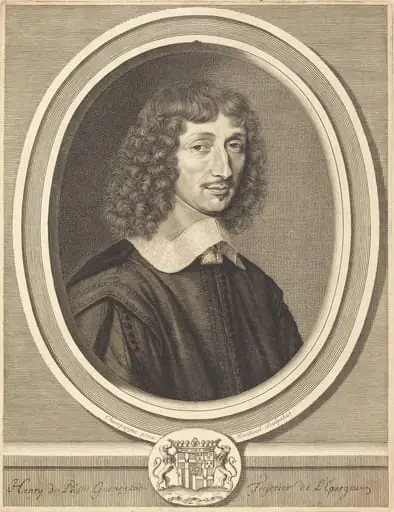
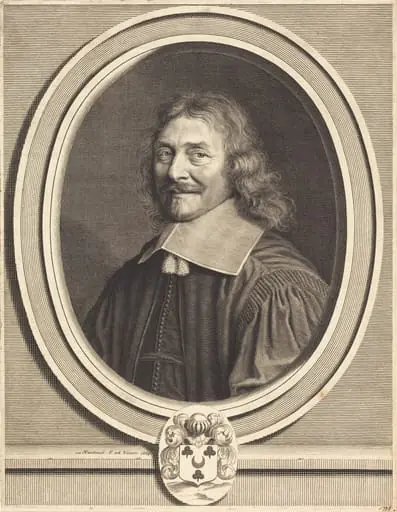
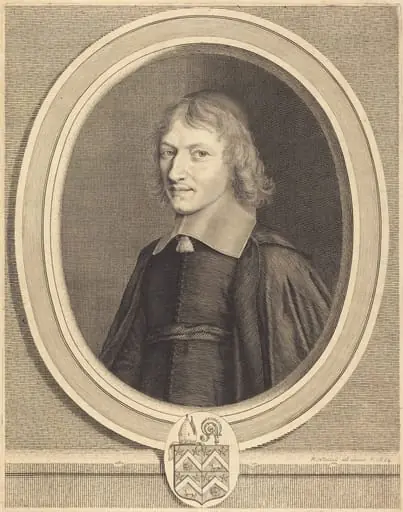
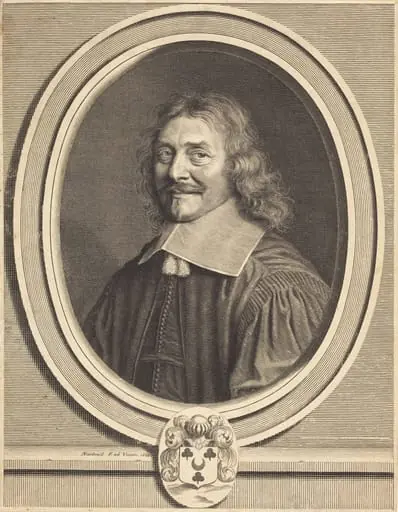
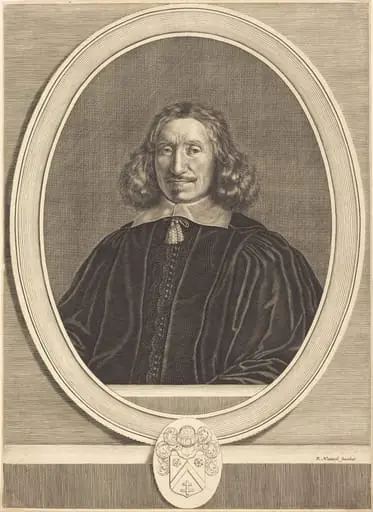
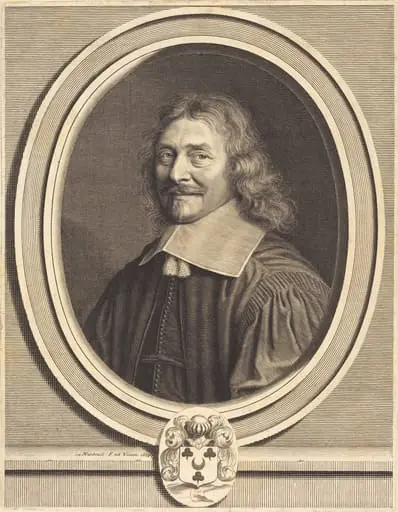
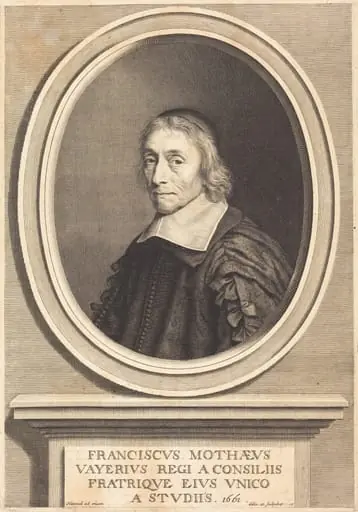
This 1656 engraving by Louis Coquin depicts Francis le Mothe le Vayer, a French philosopher and writer. Rendered in monochrome, the portrait presents a formal, frontal view of the subject against a neutral background. The image is contained within an oval frame, with an inscription at the base identifying the sitter in Latin. The work exemplifies the precision and restraint typical of mid-17th-century portrait engravings intended for scholarly circulation.
Subject & Meaning
Francis le Mothe le Vayer was known for his skeptical writings and association with the intellectual circles of early modern France. The portrait emphasizes his intellectual stature through a composed expression, formal attire, and the absence of decorative elements. The Latinized name reinforces his scholarly identity, aligning the image with the tradition of depicting thinkers as dignified, rational figures within the humanist canon.
Technique & Style
Coquin employed fine, controlled lines to model the sitter’s features, particularly the curls of hair and the texture of the ruffled collar. The engraving’s tonal range is achieved through cross-hatching and stippling, creating subtle gradations without the use of tone or wash. The oval format and minimalist background reflect conventions of portrait prints designed for clarity and reproducibility, prioritizing likeness over atmospheric context.
History & Provenance
Created in 1656, the engraving was likely produced to accompany or illustrate writings by le Mothe le Vayer, whose works were circulating among educated audiences. As a print, it would have been distributed in limited numbers, possibly bound in collected editions or sold separately to scholars. The artist’s signature confirms its origin as a deliberate, authorized representation rather than a casual likeness.
Context
In mid-17th-century France, engraved portraits of philosophers and writers served as visual anchors for intellectual identity. They were often included in books or displayed in private libraries as symbols of erudition. Coquin’s work aligns with a broader trend of using print media to disseminate the likenesses of thinkers, reinforcing their authority through standardized, reproducible imagery.
Legacy
Though not widely known today, this engraving remains a documented example of how scholarly figures were visually represented in early modern Europe. It reflects the role of print in shaping public perception of intellectuals and preserves a visual record of le Mothe le Vayer’s appearance, contributing to the historical documentation of French philosophical culture.
Artist & collection