Artwork
Philibert-Emmanuel de Beaumanoir Lavardin
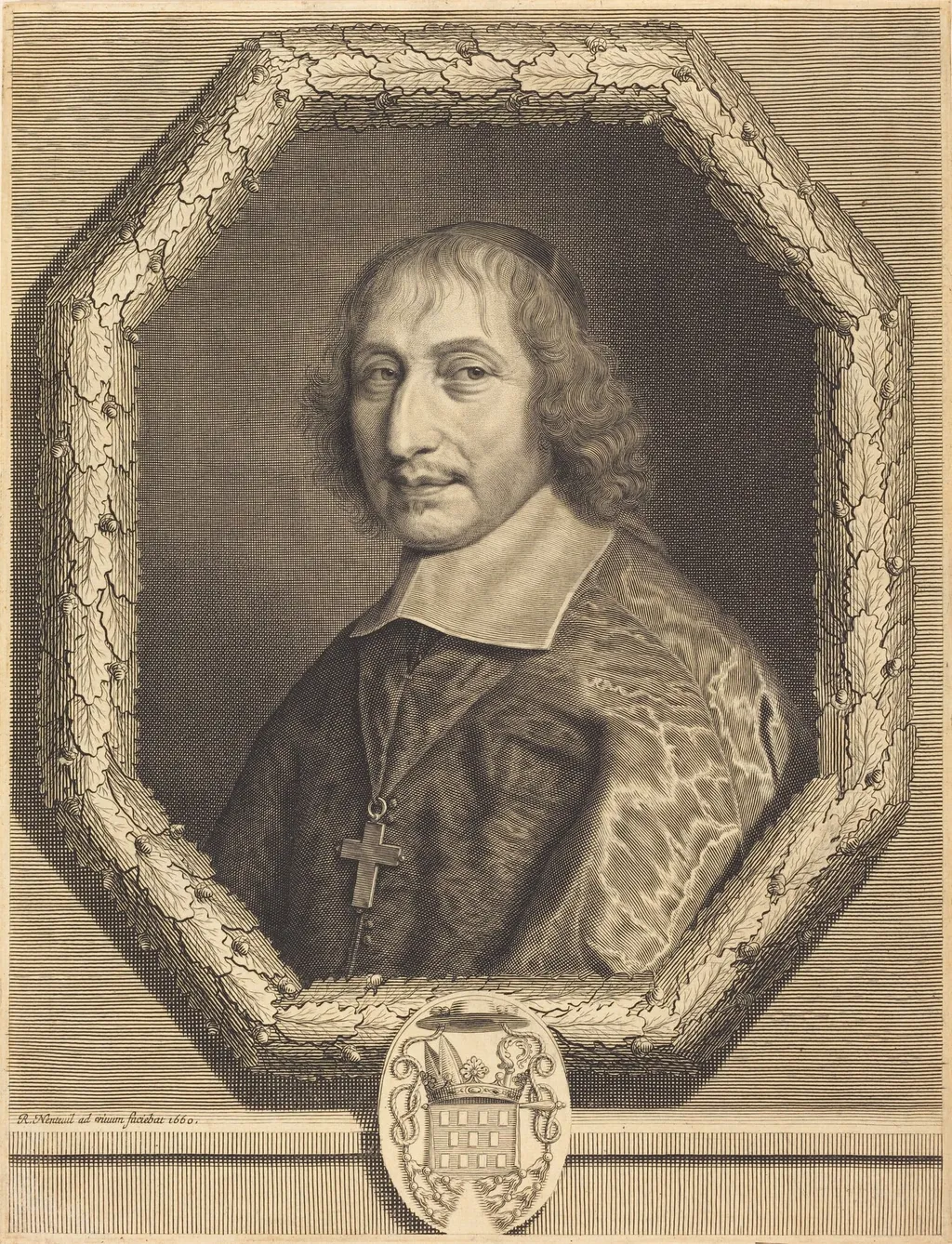
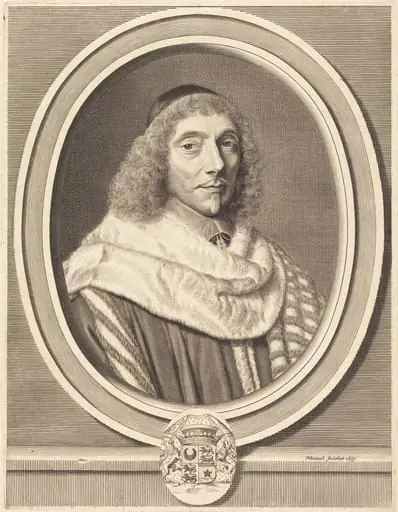
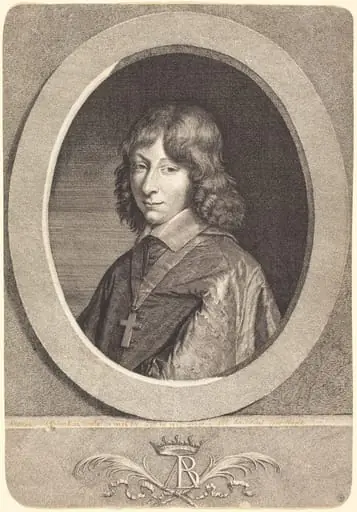
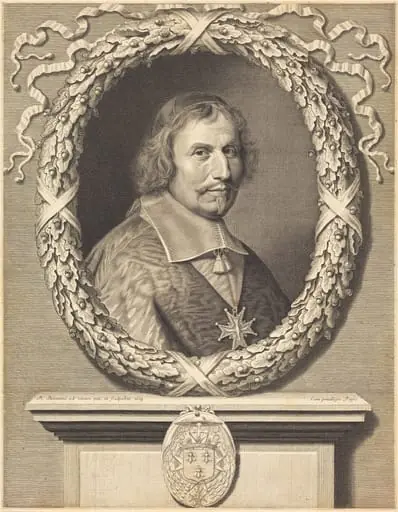
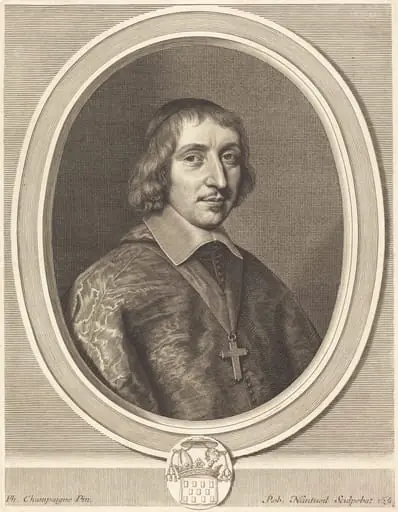
Philibert-Emmanuel de Beaumanoir Lavardin is an ink print by the Baroque artist Robert Nanteuil. It dates from 1660 and is held in the collection of the National Gallery of Art.
About this work
Overview
Philibert-Emmanuel de Beaumanoir Lavardin is a 1660 engraving by Robert Nanteuil, depicting its namesake subject in a formal portrait. Characteristic of 17th-century French courtly portraiture, the work showcases Nanteuil's meticulous technique as an official royal engraver.
Subject & Meaning
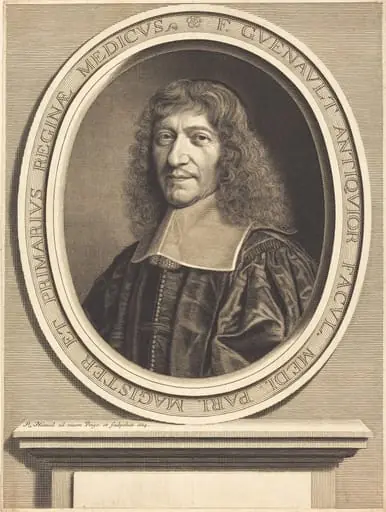
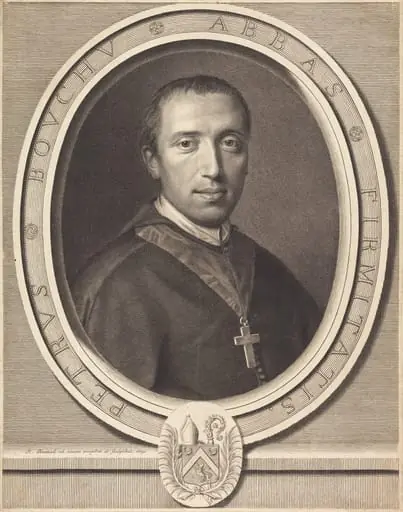
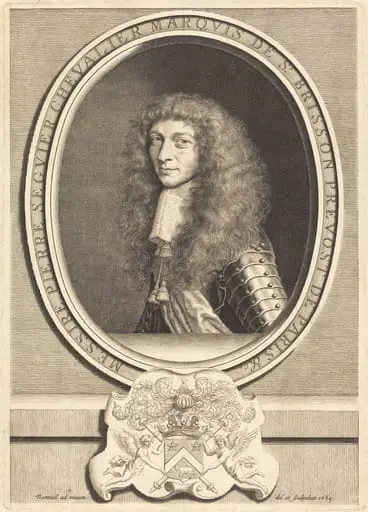
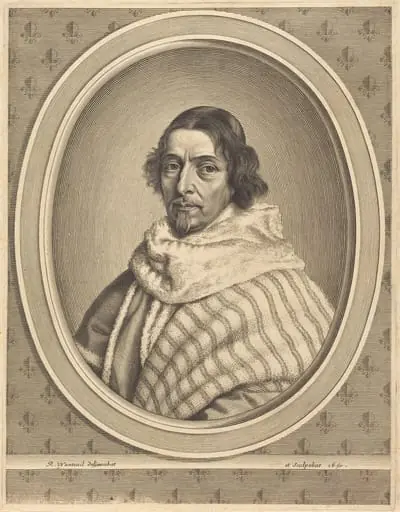
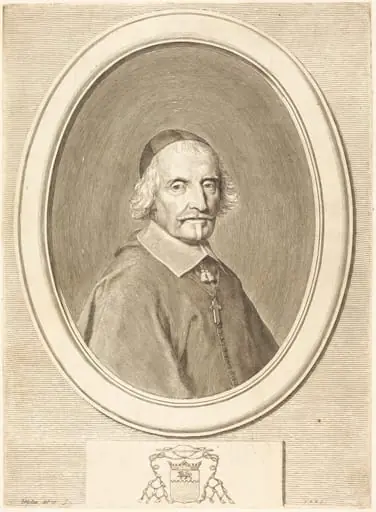
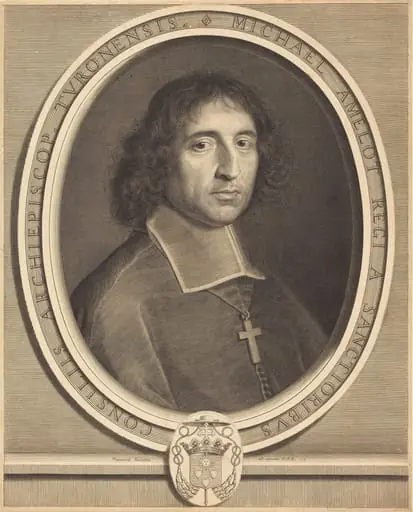
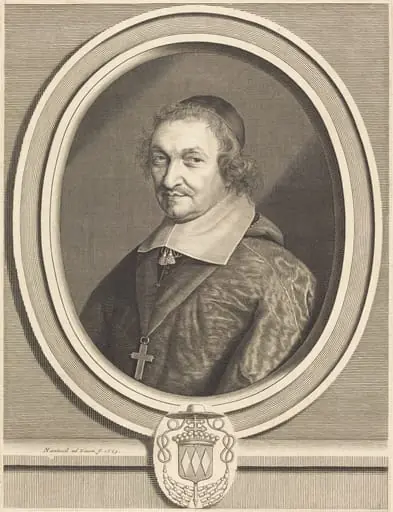
The engraving portrays Philibert-Emmanuel de Beaumanoir Lavardin, distinguished by his curly hair, serious demeanor, high collar, and cross. A decorative border and a shield (possibly bearing a coat of arms or architectural motif) below his chest contextualize his status.
Technique & Style
Nanteuil employed fine lines and nuanced shading to achieve depth, emphasizing the subject's face. The precise linework and detailed rendering are hallmarks of Nanteuil's skill and the technical demands of engraving, which involves carving into metal plates.
History & Provenance
Created in 1660 for the court of Louis XIV, this engraving reflects Nanteuil's official role as a royal engraver. Specific provenance details beyond its creation for the French monarchy are not provided.
Context
This work is situated within the tradition of 17th-century French court portraiture, characterized by formalism and attention to the subject's status symbols. Nanteuil's work catered to the royal court's demand for precise, dignified representations.
Legacy
While specific legacy details of *Philibert-Emmanuel de Beaumanoir Lavardin* are not outlined, Nanteuil's contributions to French engraving and court portraiture during the reign of Louis XIV remain notable.
Artist & collection
Artist
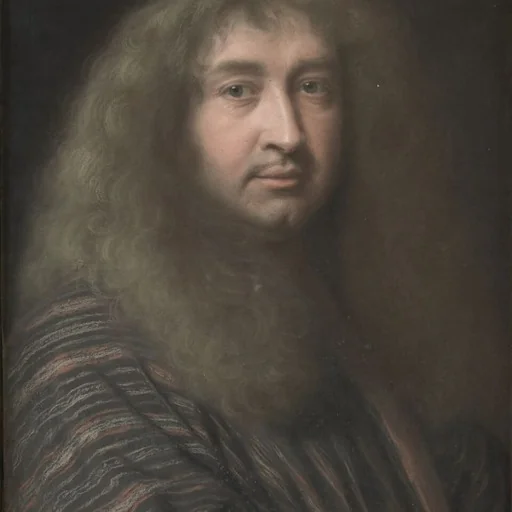
Robert Nanteuil (French pronunciation: ; 1623 – 9 December 1678) was a French portrait artist: engraver, draughtsman and pastellist to the court of Louis XIV.