Artwork
Pierre Poncet
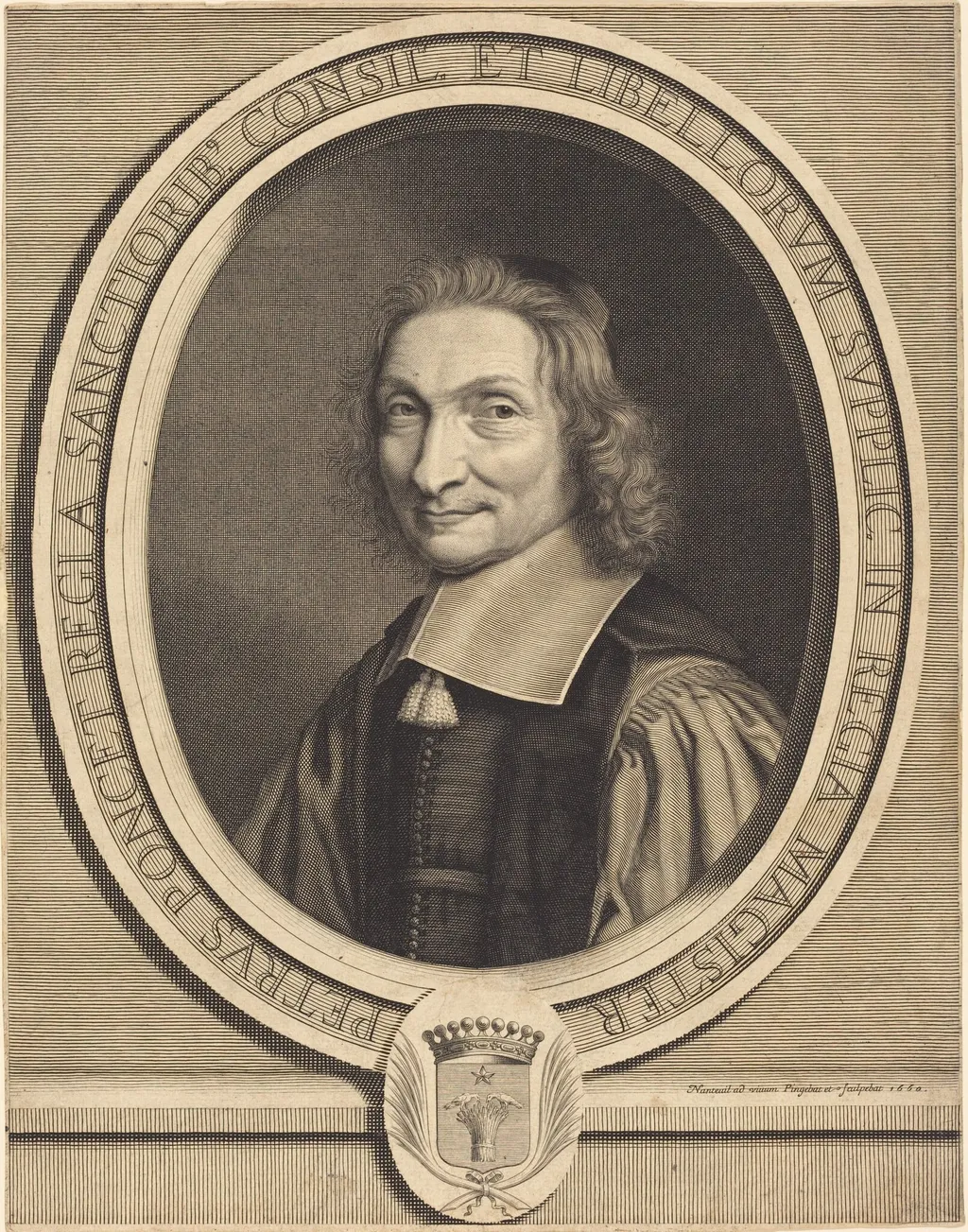
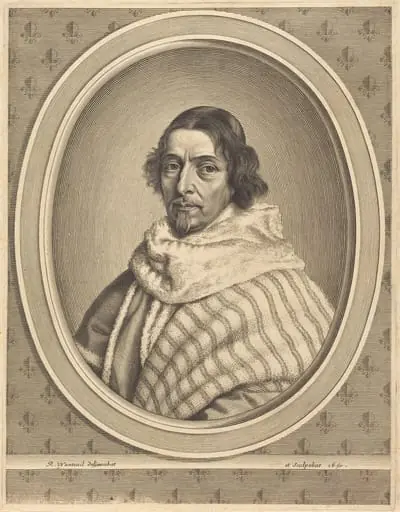
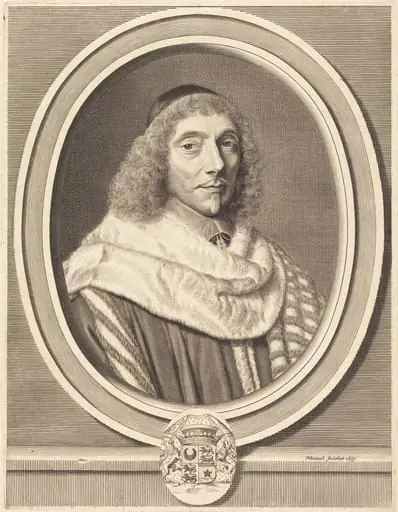
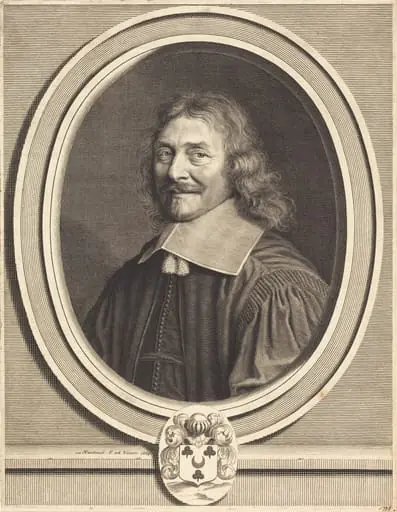
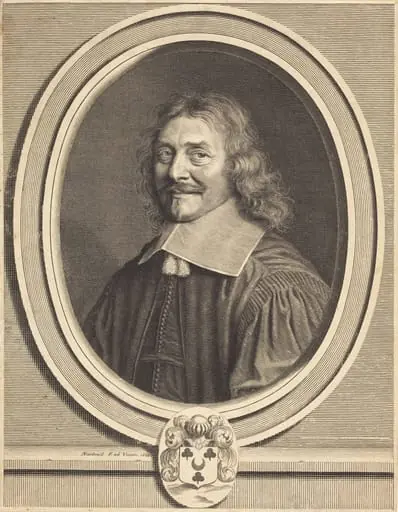
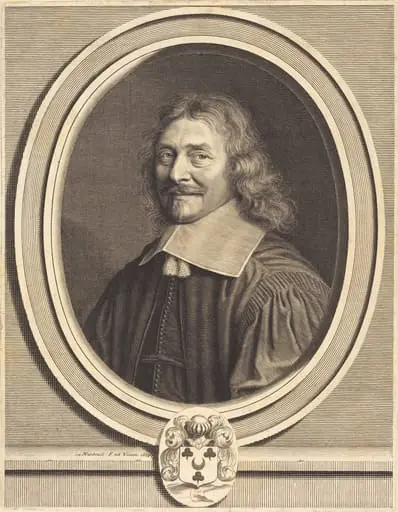
Pierre Poncet is an ink print by the Baroque artist Robert Nanteuil. It dates from 1660 and is held in the collection of the National Gallery of Art.
About this work
Overview
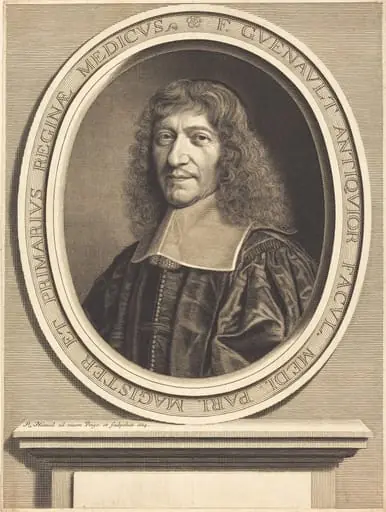
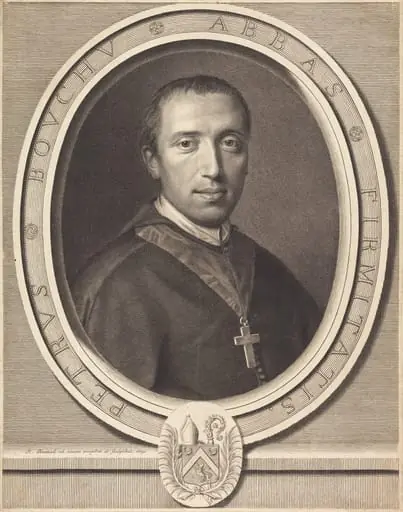
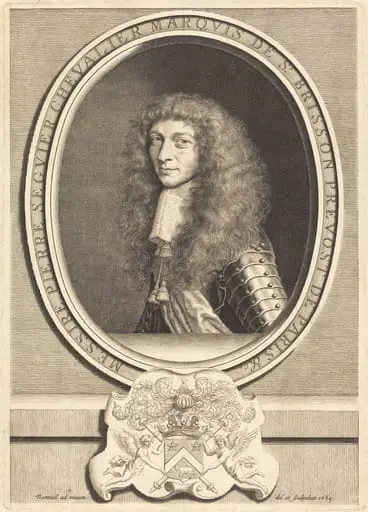
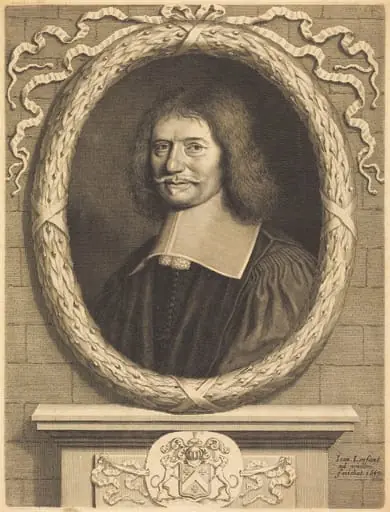
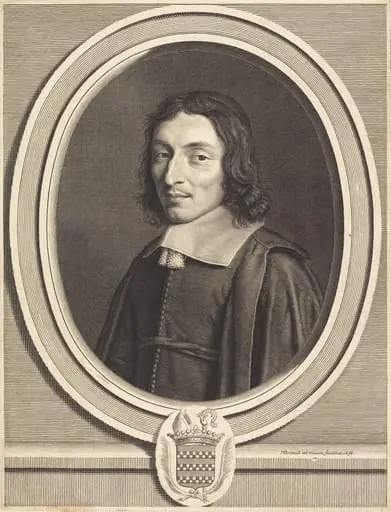
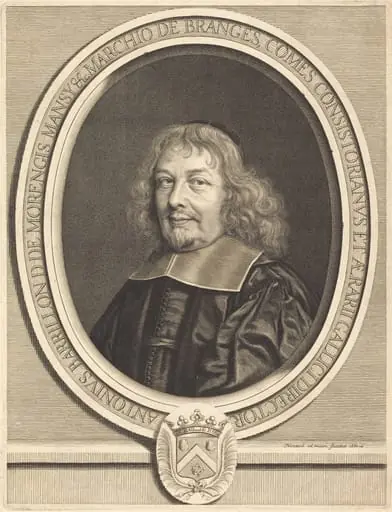
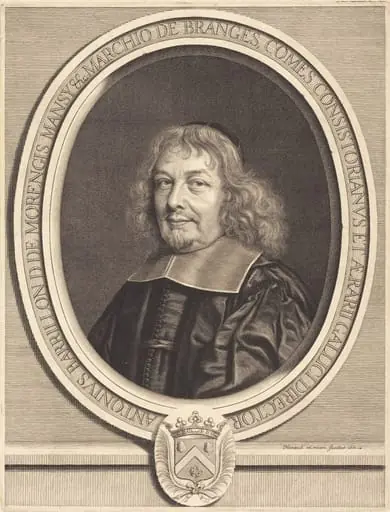
The image is confined within a circular frame, emphasizing its status as a refined, intimate likeness rather than a grand ceremonial portrait.
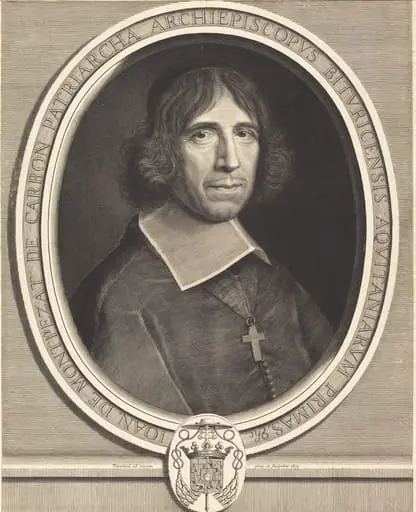
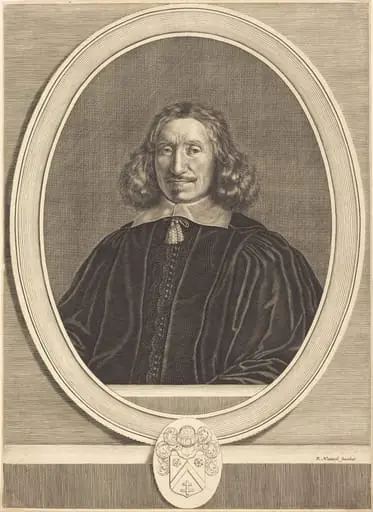
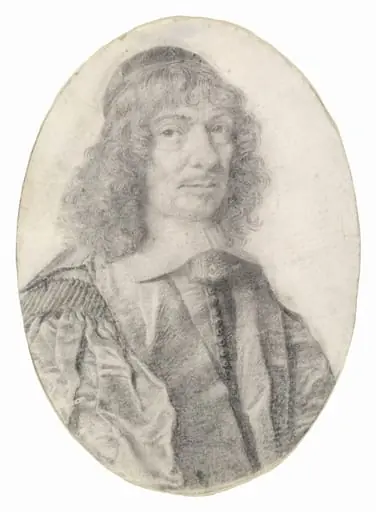
This 1660 engraving by Robert Nanteuil depicts Pierre Poncet, a French contemporary of the artist. Created during Nanteuil’s official role as portrait engraver to Louis XIV’s court, the work exemplifies the precision and formality characteristic of royal portraiture in mid-seventeenth-century France. The image is confined within a circular frame, emphasizing its status as a refined, intimate likeness rather than a grand ceremonial portrait.
Subject & Meaning
Pierre Poncet was a figure within Nanteuil’s social and professional circle, though his specific role remains unrecorded. The portrait conveys dignity through restrained posture and focused gaze, typical of elite portraiture of the era. The Latin inscription around the border likely identifies the sitter and affirms his social standing, aligning the image with the humanist tradition of honoring individuals through written tribute.
Technique & Style
Nanteuil employed fine, controlled lines and meticulous cross-hatching to model the sitter’s face and textures of fabric. The dark background isolates the figure, enhancing three-dimensionality. The white collar and light cape contrast sharply with the robe, drawing attention to the face. The circular border, common in engraved portraits, frames the composition with formal elegance, reflecting the discipline of French Baroque printmaking.
History & Provenance
The engraving was made during Nanteuil’s tenure as court engraver, a position he held from the 1640s until his death in 1678. It was likely produced for private circulation among aristocratic or intellectual circles rather than public display. Few records detail its early ownership, but it survives as part of a broader corpus of Nanteuil’s portraits that documented French elite society under Louis XIV.
Context
In mid-17th-century France, engraved portraits served as tools of social memory and status, circulating among the nobility and learned classes. Nanteuil’s work aligned with the court’s emphasis on order and refinement. The Baroque aesthetic favored naturalism tempered by restraint, and this portrait reflects that balance—individuality expressed through disciplined technique rather than dramatic flourish.
Legacy
Nanteuil’s engravings, including this one, established a standard for French portrait printing that influenced generations of engravers. His ability to capture likeness with subtlety and clarity made his works highly sought after. Though Poncet himself is not historically prominent, the portrait endures as a representative example of how personal identity was visually codified in the early modern French elite.
Artist & collection
Artist
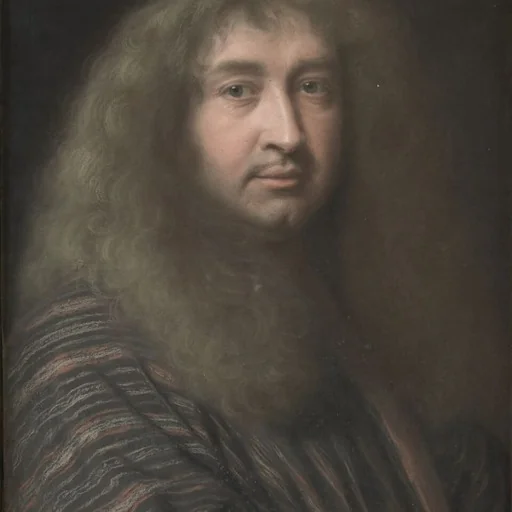
Robert Nanteuil (French pronunciation: ; 1623 – 9 December 1678) was a French portrait artist: engraver, draughtsman and pastellist to the court of Louis XIV.