Artwork
Dominique de Ligny
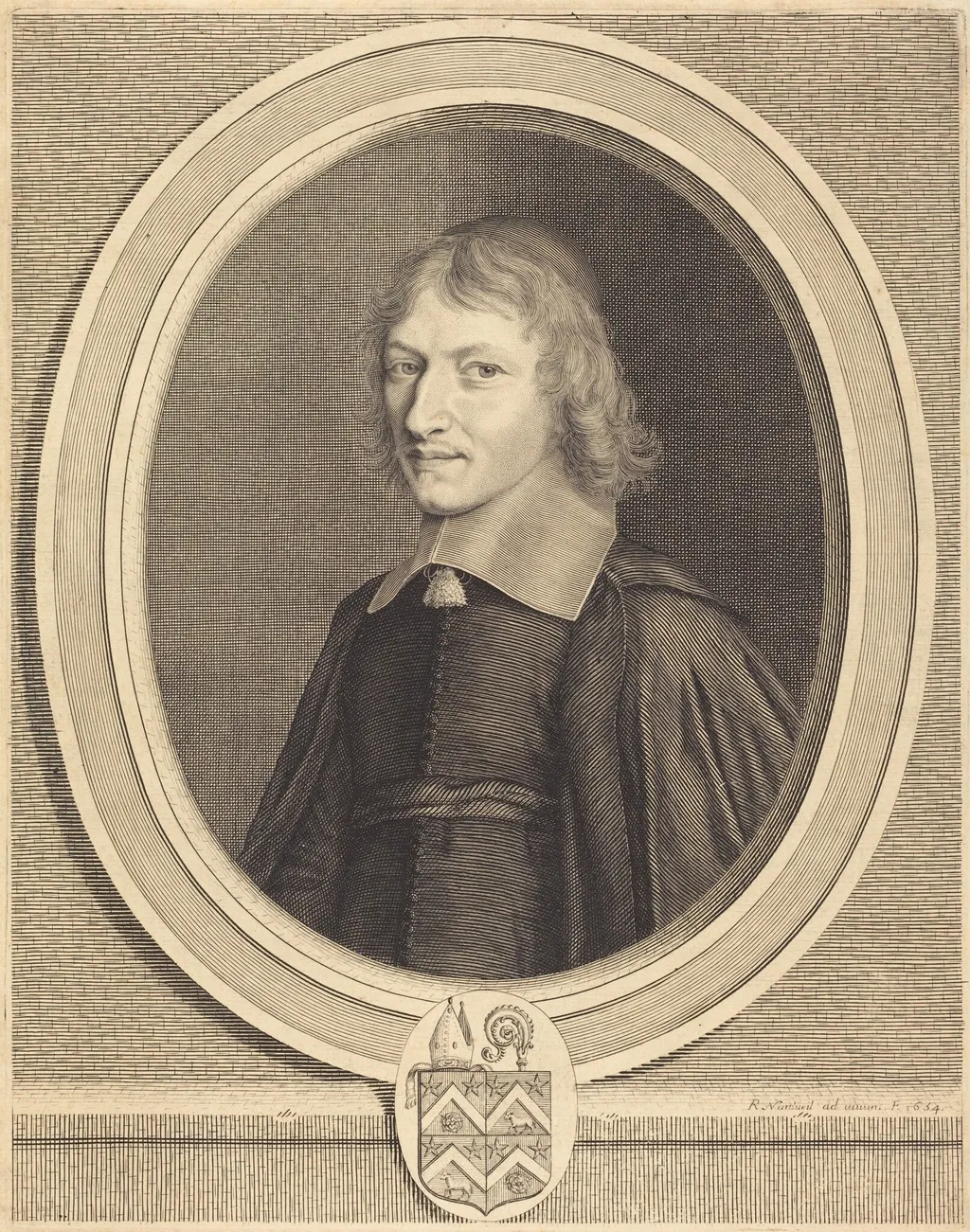
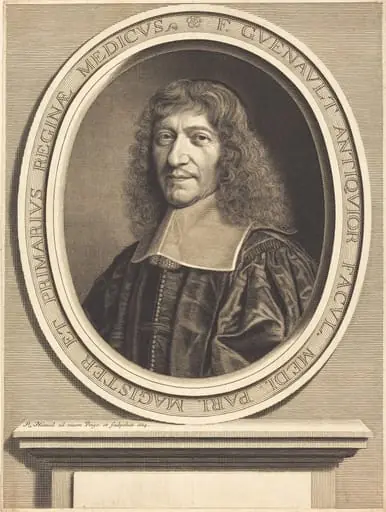
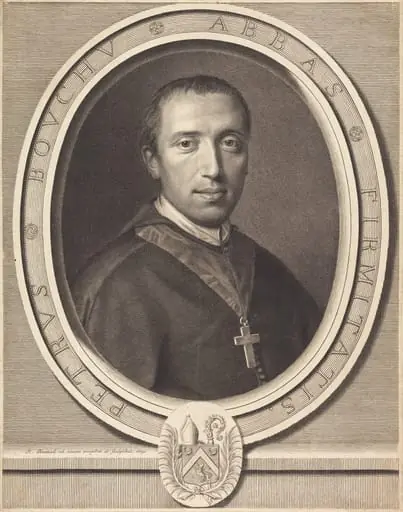
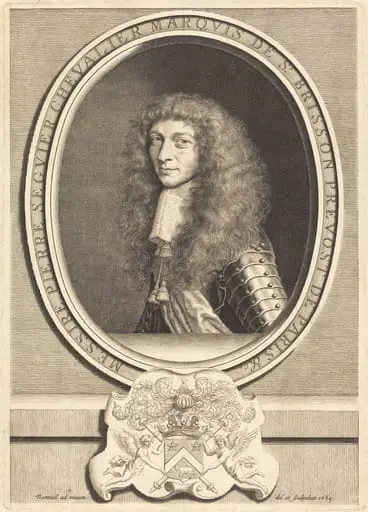
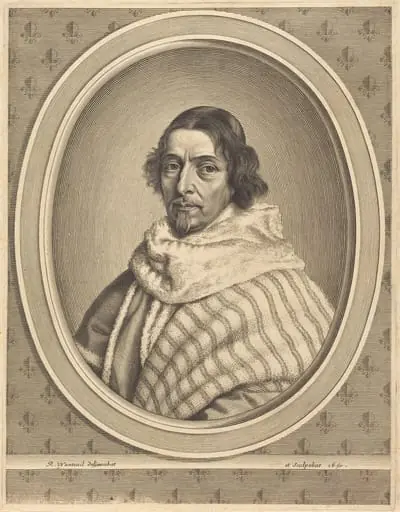
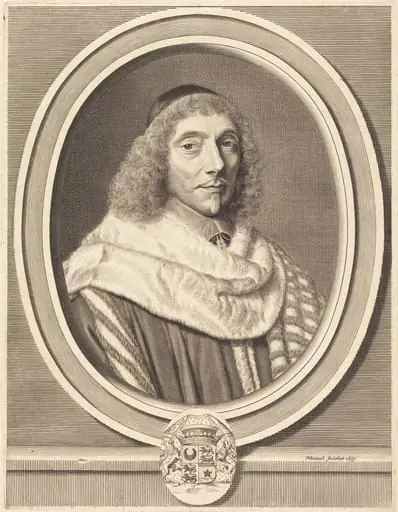
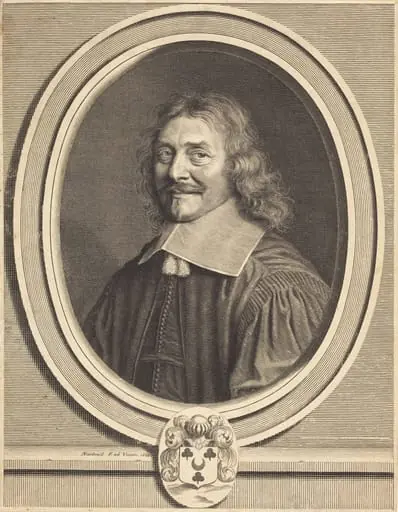
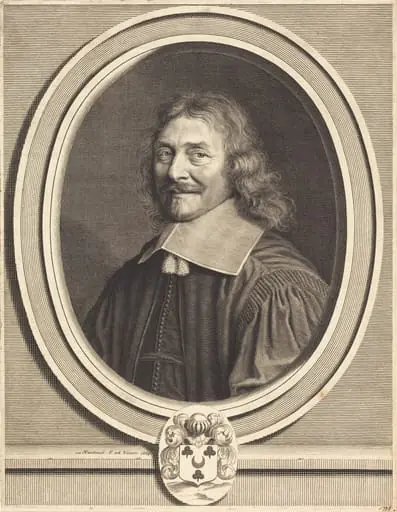
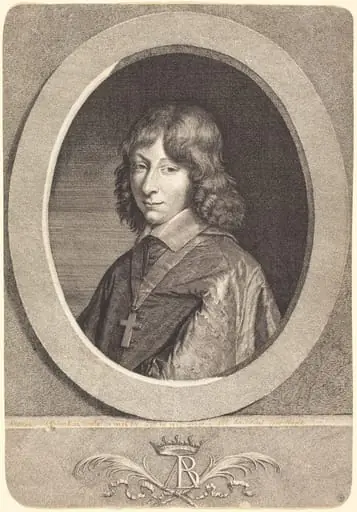
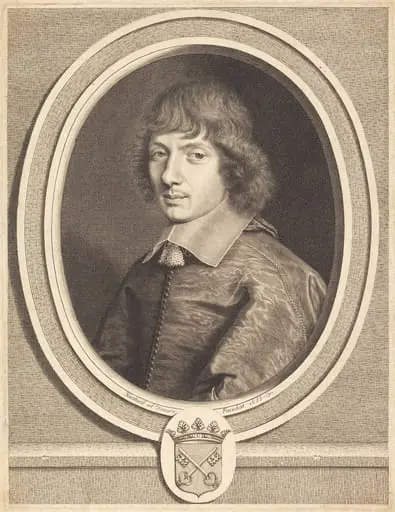
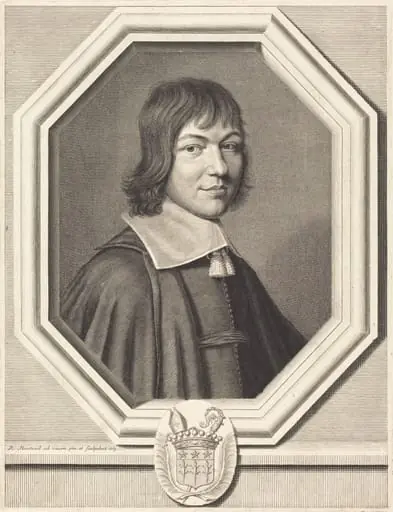
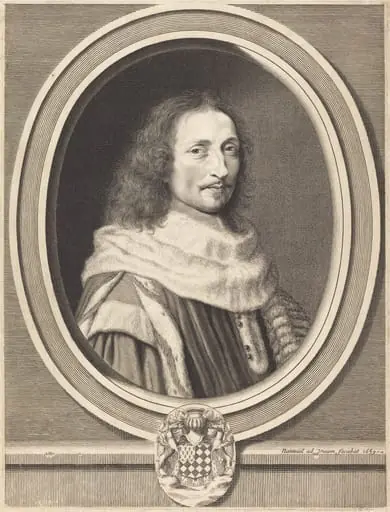
Dominique de Ligny is an ink print by the Baroque artist Robert Nanteuil. It dates from 1654 and is held in the collection of the National Gallery of Art.
About this work
Overview
Robert Nanteuil created this 1654 engraving of Dominique de Ligny early in his career, while establishing himself as a leading portraitist in Paris.
Robert Nanteuil created this 1654 engraving of Dominique de Ligny early in his career, while establishing himself as a leading portraitist in Paris. Executed in black ink on paper, the work exemplifies the technical precision and quiet dignity favored in French court portraiture of the period. Nanteuil’s skill with the burin allowed him to render subtle tonal gradations through tightly controlled lines, capturing both likeness and presence without color.
Subject & Meaning
Dominique de Ligny was a member of the French nobility, likely a courtier or official whose status is signaled by the heraldic shield beneath his portrait. The inclusion of a crowned emblem suggests his familial ties to aristocratic lineage or royal service. His composed expression and formal attire reflect the decorum expected of elite men in Louis XIV’s France, where portraiture served as both record and assertion of social standing.
Technique & Style
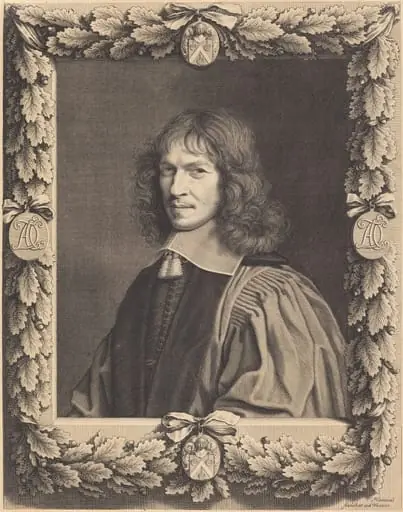
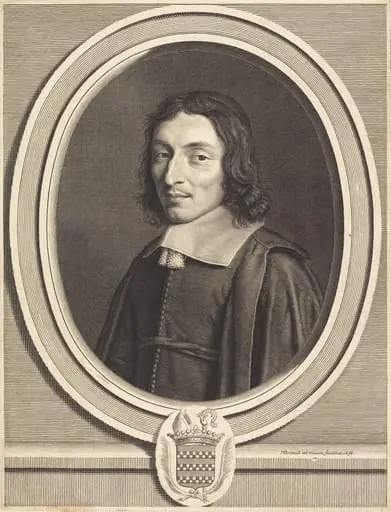
Nanteuil employed engraving to achieve fine detail, using closely spaced lines to model the contours of the face and fabric. The ruffled collar and textured coat are rendered with delicate cross-hatching, while the curls of hair are defined by fluid, curved strokes. The border surrounding the image, composed of ornamental lines, enhances the frame’s formality and draws attention to the sitter’s centered presence.
History & Provenance
The engraving was produced during Nanteuil’s rise as the preferred portraitist of the French court. Though specific early ownership records are sparse, such prints were widely distributed among aristocratic circles as collectible likenesses. Nanteuil’s reputation for accuracy ensured his works were valued as reliable representations of contemporary figures, contributing to their preservation in royal and private collections.
Context
In mid-17th-century France, engraved portraits functioned as tools of social visibility, circulating among elites who sought to document their status. Nanteuil’s style aligned with the broader shift toward naturalism in French art, moving away from rigid formalism. His ability to convey individuality within strict conventions made him a key figure in the development of French graphic portraiture during the reign of Louis XIV.
Legacy
Nanteuil’s engravings, including this one, set a standard for portrait accuracy and refinement in France. His technique influenced generations of printmakers and helped establish engraving as a respected medium for portraiture. Though largely overshadowed by painting in later centuries, his works remain important for their historical documentation and technical mastery in the graphic arts.
Artist & collection
Artist
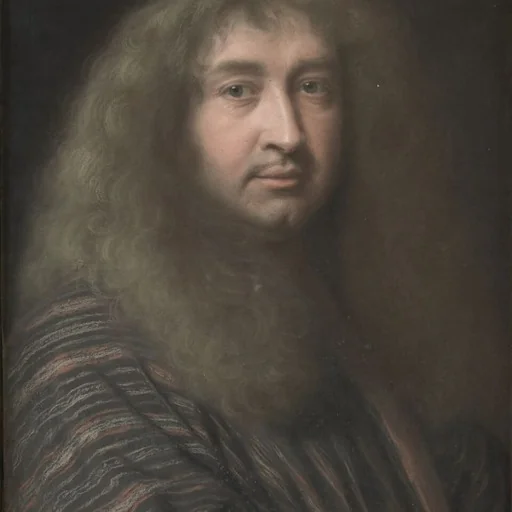
Robert Nanteuil (French pronunciation: ; 1623 – 9 December 1678) was a French portrait artist: engraver, draughtsman and pastellist to the court of Louis XIV.