Artwork
The Convent of Neuberg from Schlierbach
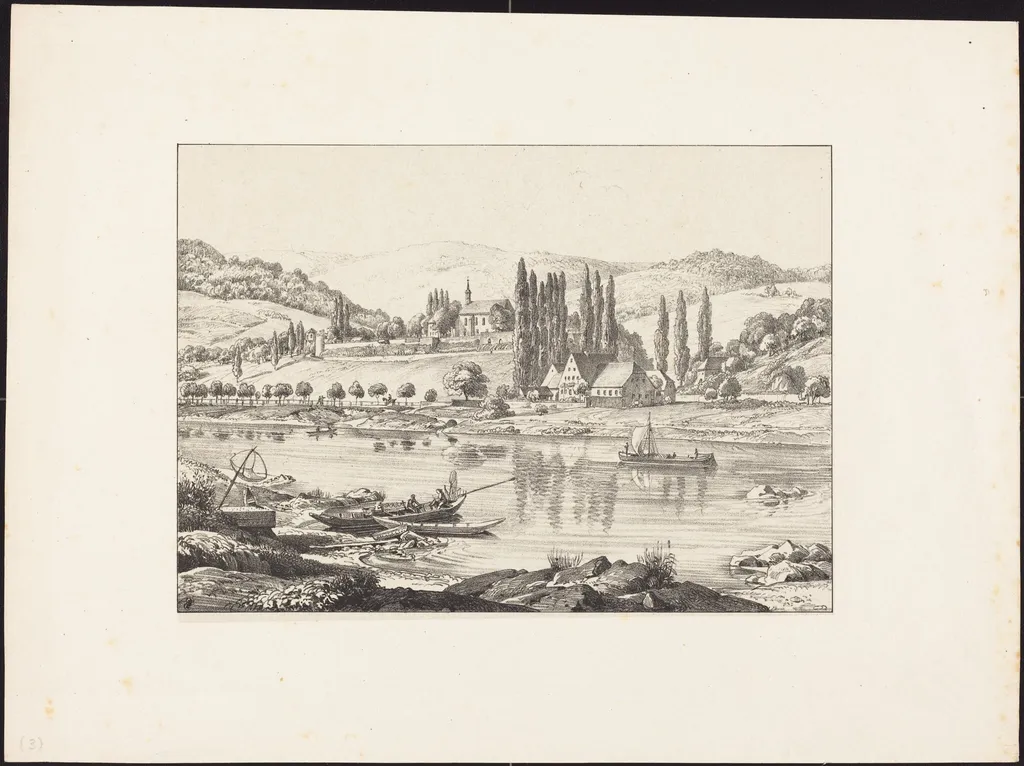
The Convent of Neuberg from Schlierbach is an ink print by the Romanticist artist Ernst Fries. It dates from 1829 and is held in the collection of the National Gallery of Art.
About this work
Overview
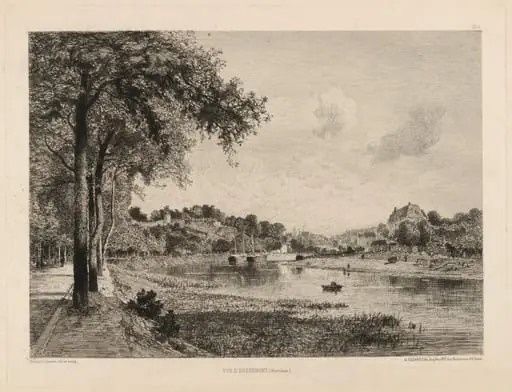
The Convent of Neuberg from Schlierbach is a 1829 lithograph on chine collé by Ernst Fries, a German artist linked to Heidelberg Romanticism. The print captures a serene riverside scene, featuring boats, a small church, houses, and trees, rendered in a smooth, sketchy style that conveys calmness.
Subject & Meaning
The subject is a peaceful riverbank with a church and dwellings, set against a backdrop of tall trees and wooded hills. The composition may reflect Fries’s Romantic inclination towards serene, everyday landscapes, though its realism hints at the transitional artistic period.
Technique & Style
Executed as a single lithograph on chine collé, the work showcases Fries’s technical proficiency in printmaking. The smooth, sketchy lines and gentle textures achieve a calm atmosphere, characteristic of his approach to landscape subjects.
History & Provenance
Created in 1829, during a transitional phase from Romanticism to Realism, the print exemplifies Fries’s versatility in printmaking techniques within this period. Specific provenance details are not provided.
Context
Situated within the Heidelberg Romanticism movement, Fries’s work bridges Romantic landscape traditions and the emerging Realist emphasis on everyday detail, reflecting the artistic shifts of the late 1820s.
Legacy
While specific legacy details of *The Convent of Neuberg* are not outlined, the work contributes to the broader understanding of Fries’s contribution to the evolution of landscape representation in early 19th-century German art.
Own this work as a print
Artist & collection
Artist
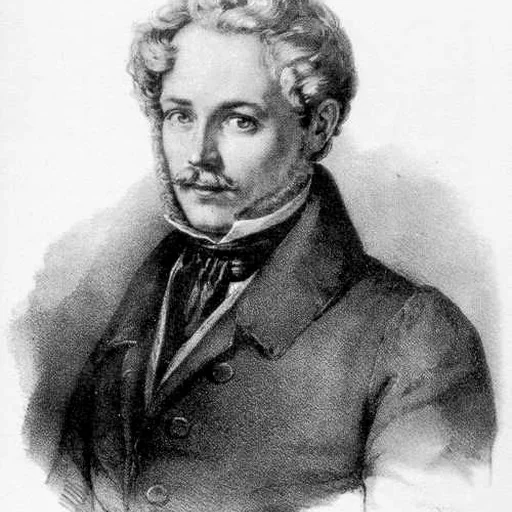
Ernst Fries (22 June 1801, Heidelberg – 11 October 1833, Karlsruhe) was a German painter, draftsman, watercolourist, etcher, printmaker, and lithograph.

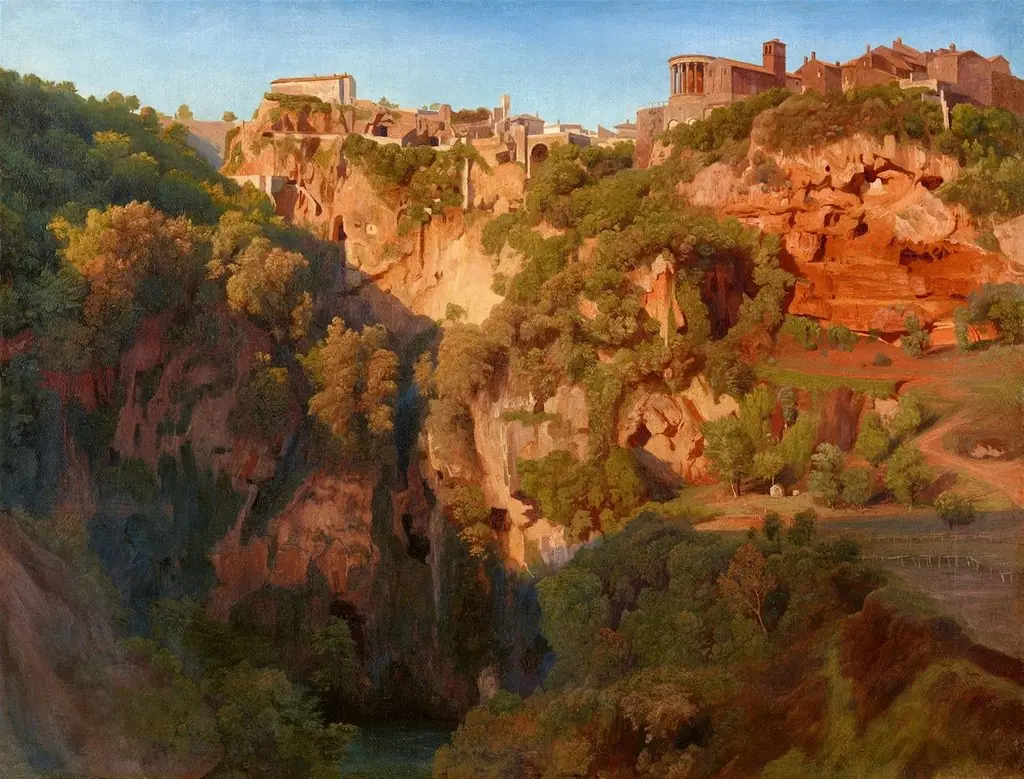 The Waterfalls at Tivoli with the Ponte Lupo, Temple of Vesta, and Temple of Sibyl The Waterfalls at Tivoli with the Ponte Lupo, Temple of Vesta, and Temple of Sibyl
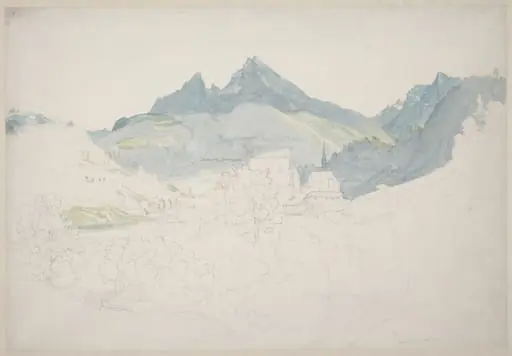 Berchtesgaden with the Watzmann Peak in the Distance
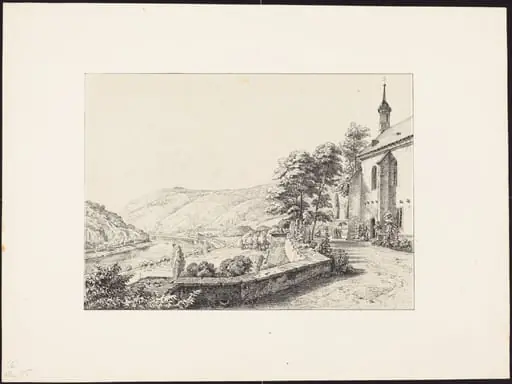 The Convent Terrace
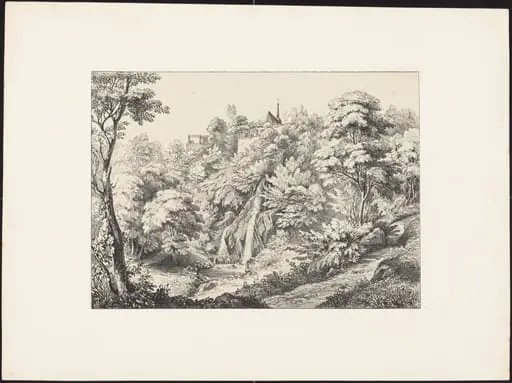 Rear View of the Convent with Waterfall
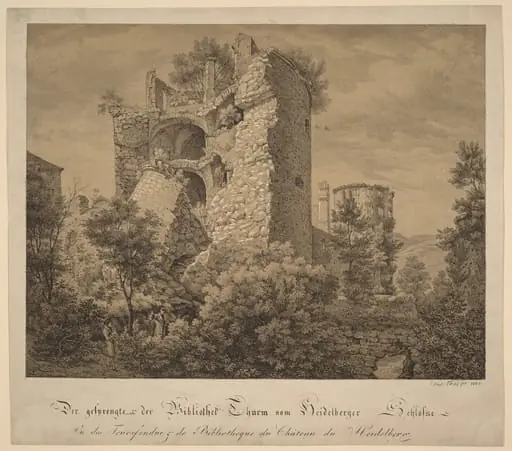 Der Gesprengte und der Bibliotheke Thurm von Heidelberger Schloß (The Exploded Tower and the Library of Heidelberg Castle)
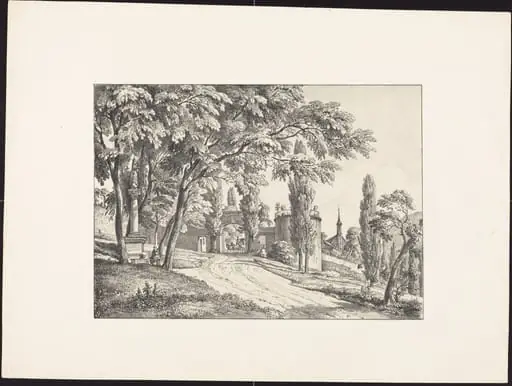 Entrance to the Convent Courtyard
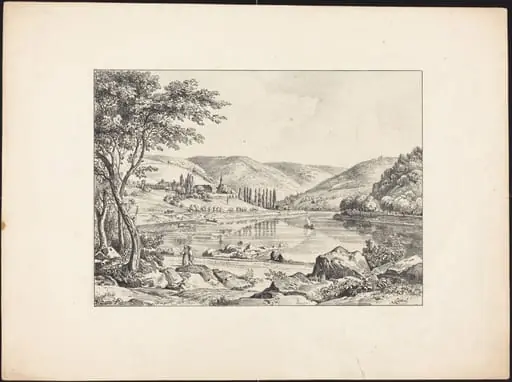 The Convent of Neuburg from Haarlass
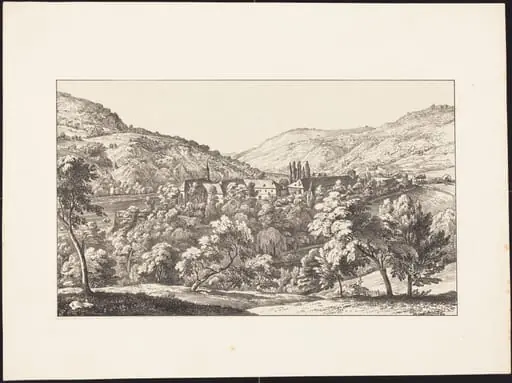 View of the Convent of Neuberg from the Summit