Artwork
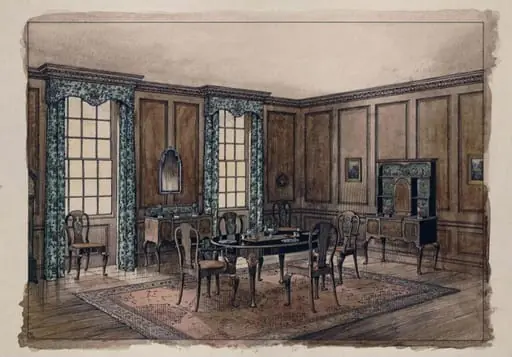
The Dining Room at No.3 The Close, Winchester
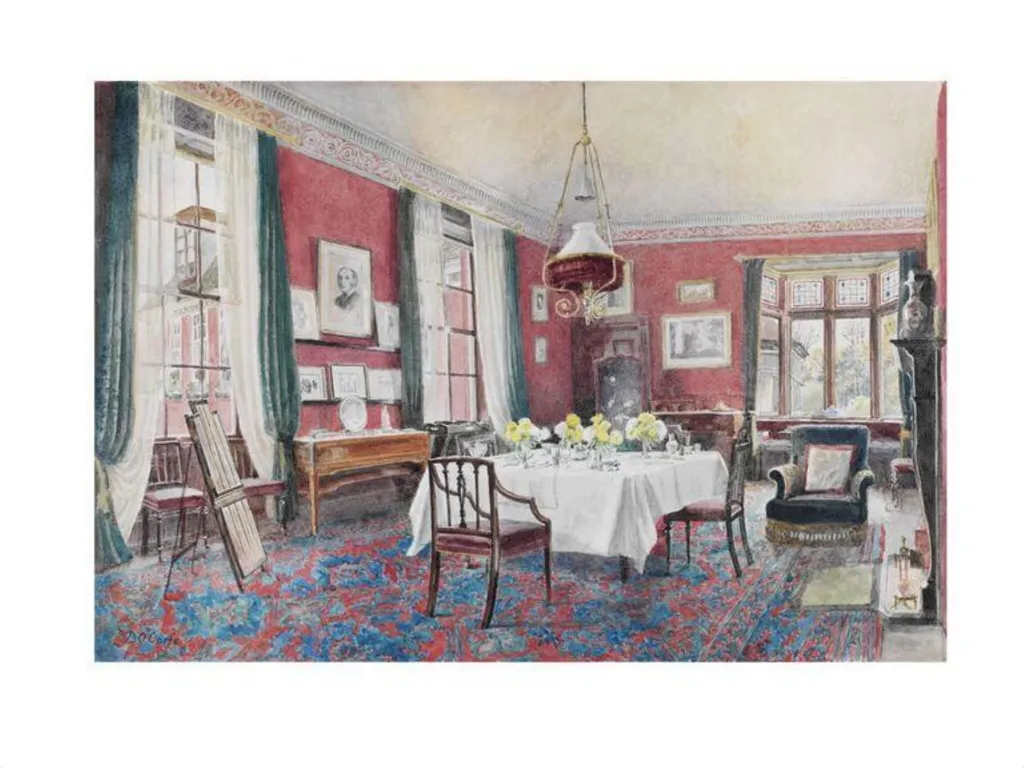
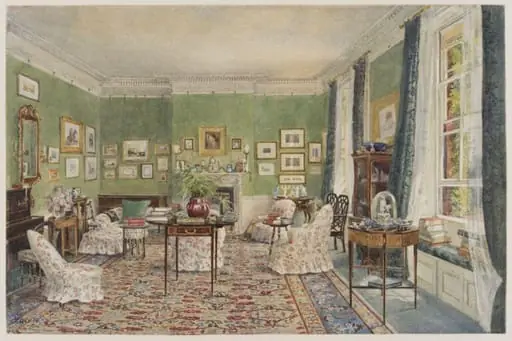
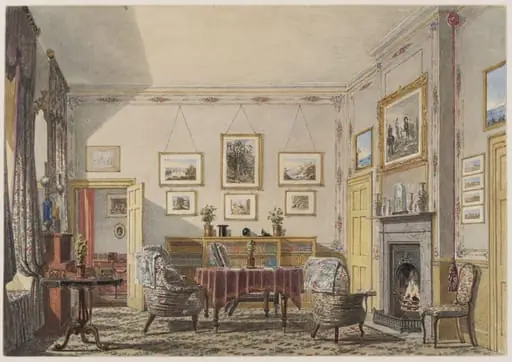
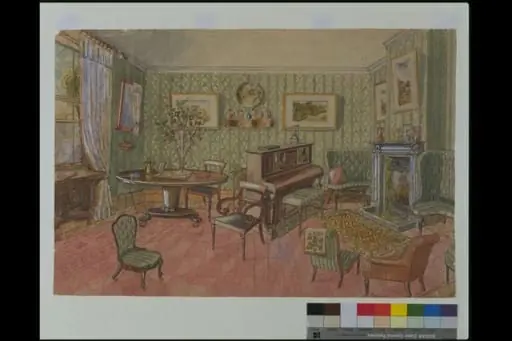
The Dining Room at No.3 The Close, Winchester is a watercolor drawing by Beatrice Olive Corfe. It dates from 1900 and is held in the collection of the Victoria and Albert Museum. This watercolour, executed around the turn of the 20th century, depicts the dining room of Canon A.
About this work
Beatrice Olive Corfe painted a watercolour of a dining room around 1900. It shows a home in Winchester with old and new furniture mixed together. A bright rug covers the floor under fancy chairs.
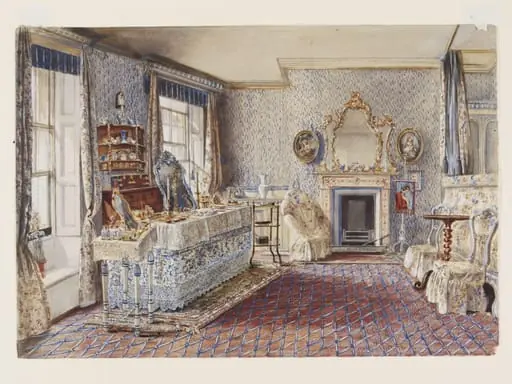
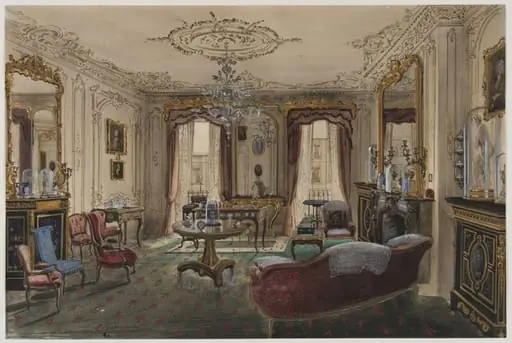
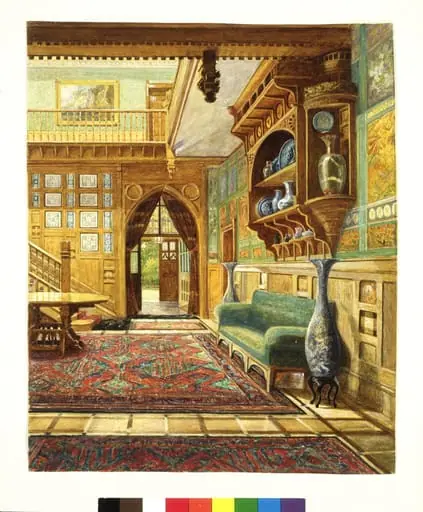
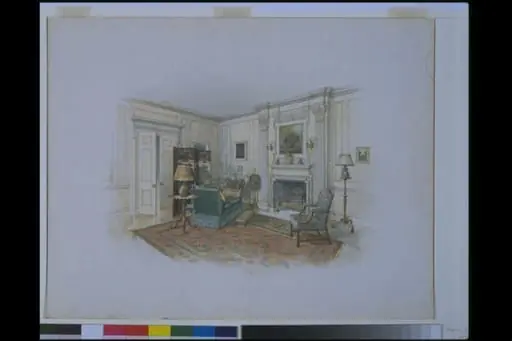
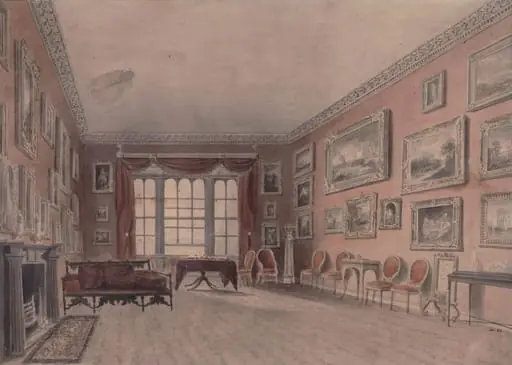
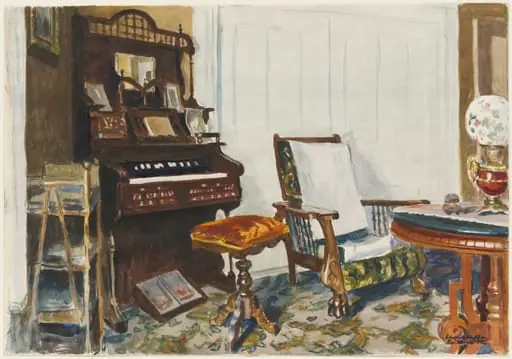
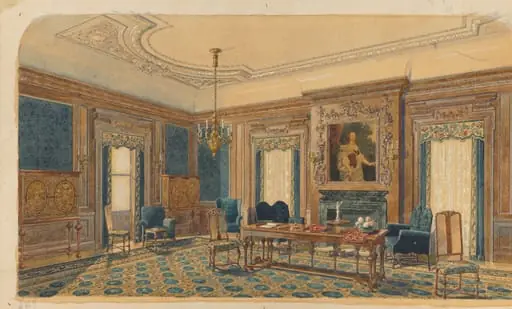
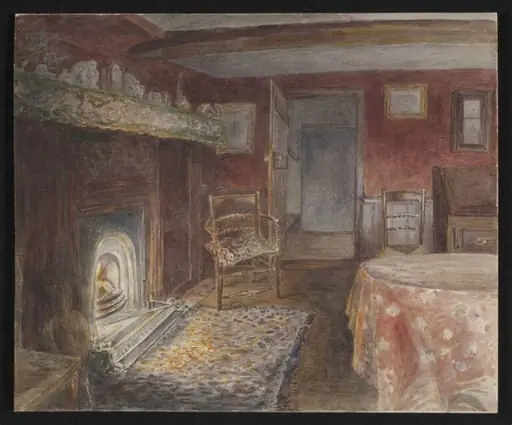
This was one of four drawings made to capture the rooms of Canon Valpy’s house. Corfe mostly drew buildings, not people.
Next, look up the artist Corfe, Beatrice Olive.
Overview
This watercolour, executed around the turn of the 20th century, depicts the dining room of Canon A.S. Valpy’s residence in the Cathedral Close, Winchester. It is one of a quartet of interior studies that document the house’s decorative scheme, offering a visual record of a late‑17th‑century building adapted to contemporary tastes.
Subject & Meaning
The composition juxtaposes eighteenth‑century furniture with more recent pieces, such as upholstered easy chairs, all arranged on a richly coloured rug. The mixture illustrates the period’s emerging preference for integrating antique elements with modern comforts, a practice that continues in interior design today.
Technique & Style
Rendered in watercolour, the work demonstrates a precise yet delicate handling of line and colour, characteristic of artists who specialised in architectural subjects. The artist captures spatial depth and material texture—wood, fabric, and floor covering—through subtle washes and fine detailing.
History & Provenance
The drawing was produced by Beatrice Olive Corfe, a Winchester‑based artist known primarily for architectural renderings. Little else is recorded about her career, but the piece formed part of a set commissioned to preserve the interior appearance of Canon Valpy’s home.
Context
In the 19th century, affluent homeowners often engaged artists to create watercolour records of elaborate interior schemes. This practice served both as documentation and as a status symbol, reflecting the owners’ taste and the era’s fascination with historicism in domestic decoration.
Artist & collection
Artist
She spent her life painting the same three houses, always from the inside. Beatrice Corfe had a habit of standing in doorways, noticing the way light pooled on the carpet or caught the edge of a chair. These watercolors…