Artwork
Brücke mit Tafel (Bridge with Sign)
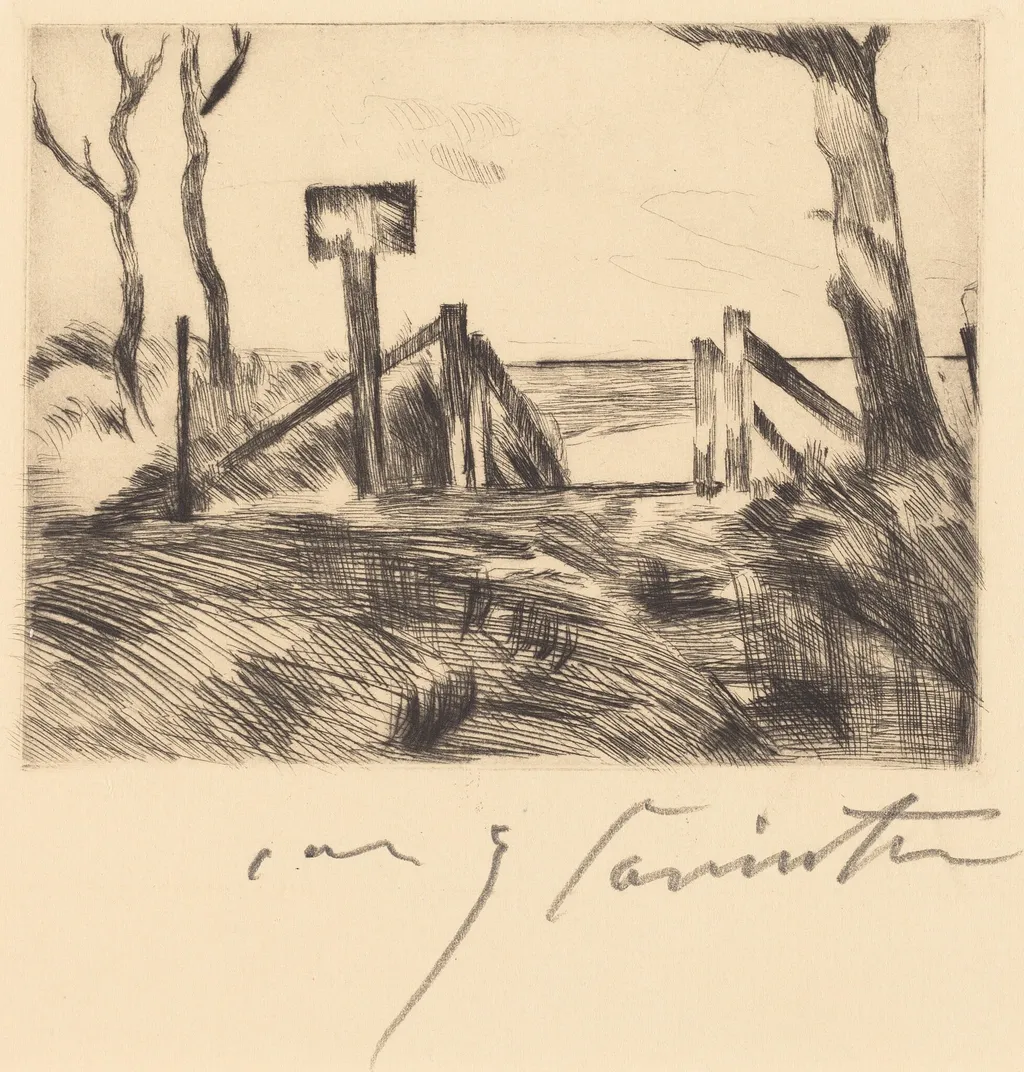
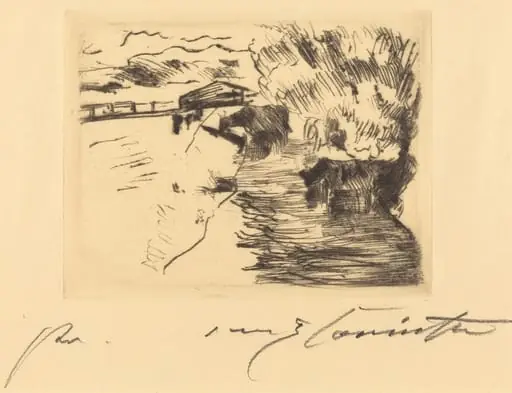
Brücke mit Tafel (Bridge with Sign) is an ink print by Lovis Corinth. It dates from 1916 and is held in the collection of the National Gallery of Art.
About this work
Overview
Created in 1916, *Brücke mit Tafel* is a drypoint print on wove paper by German artist Lovis Corinth. The image presents a modest wooden bridge spanning a narrow channel, its central signpost bearing a simple plaque. Flanking the bridge, lean trees frame the scene, while the surrounding ground is rendered with a rough, textured quality that emphasizes the work’s immediacy.
Subject & Meaning
The composition captures an everyday infrastructural element—a bridge—imbued with a quiet, almost contemplative atmosphere. By isolating the structure and its modest sign, Corinth draws attention to the ordinary, inviting viewers to consider the relationship between human-made objects and the natural environment that encircles them.
Technique & Style
Corinth employed the drypoint method, incising lines directly into a copper plate. This approach yields burr‑rich, uneven strokes that appear as scratchy, spontaneous marks on the paper. The resulting surface is deliberately unpolished, reflecting the artist’s shift toward a more expressive, less restrained visual language during his later career.
History & Provenance
The print emerges from a period when Corinth, after a 1911 stroke, began integrating elements of Impressionism and Expressionism, moving away from his earlier naturalism. Executed toward the end of his life, the work exemplifies this transitional phase. Its provenance traces back to the artist’s estate, later entering public collections that document his printmaking output.
Own this work as a print
Artist & collection

Artist
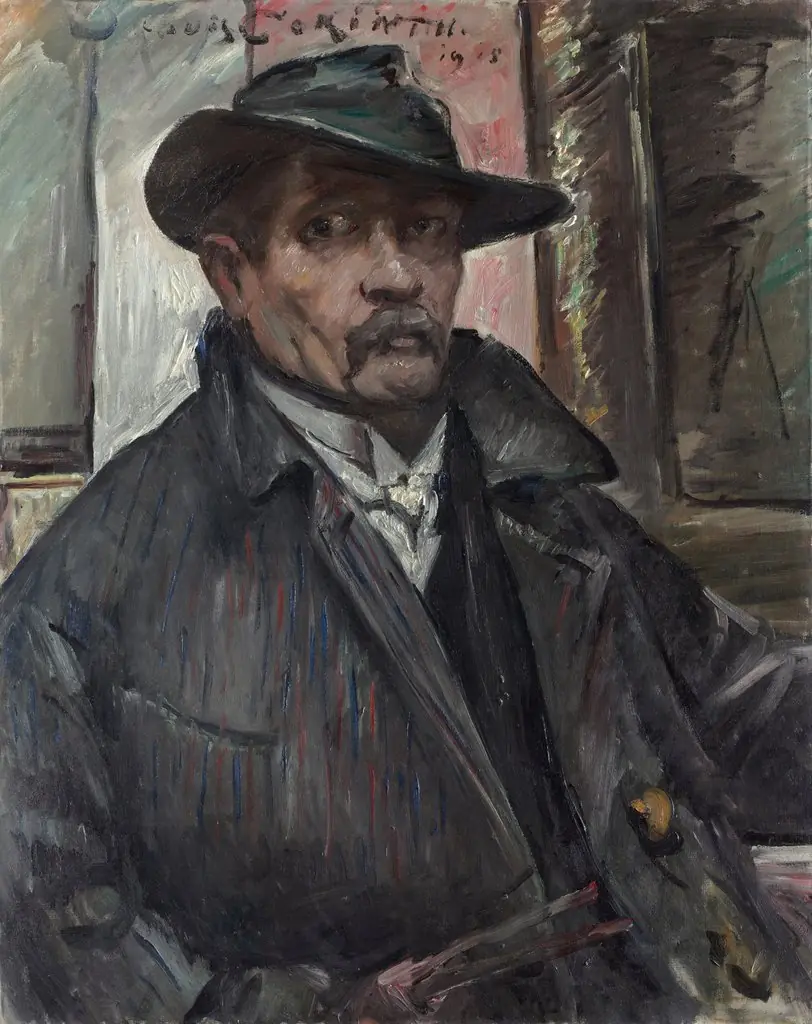
Lovis Corinth was a German artist and writer whose mature work as a painter and printmaker realized a synthesis of impressionism and expressionism.

 Am see (On a Lake)
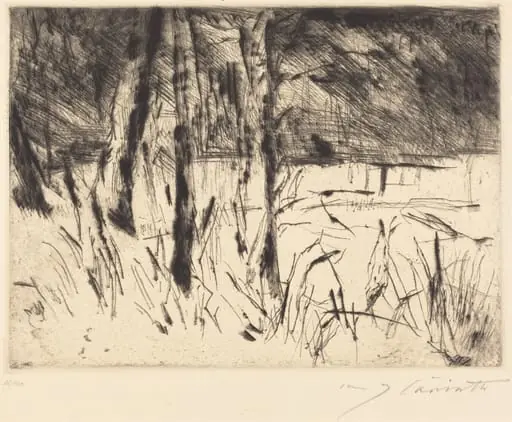 Tiergarten (Zoological Garden)
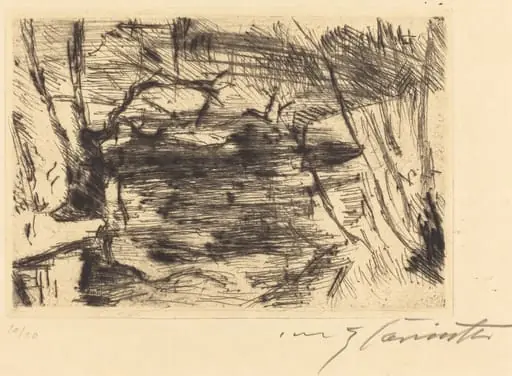 Der Neue See (The New Lake)
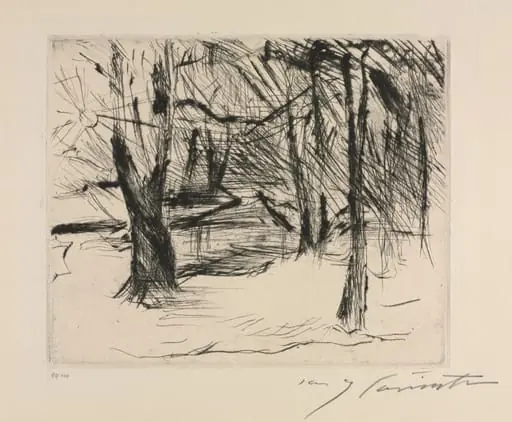 Der Tiergarten: Trees with Sun
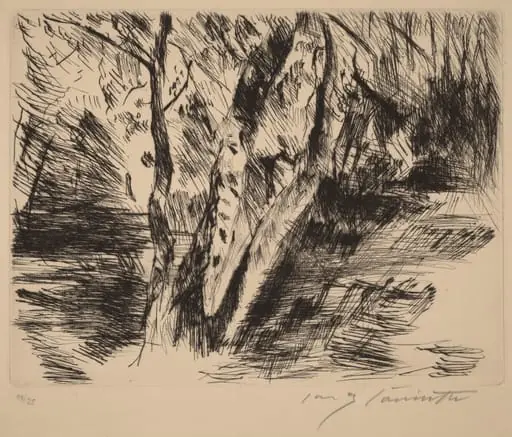 Birkenstämme im Tiergarten (Birch Trees in the Tiergarten)
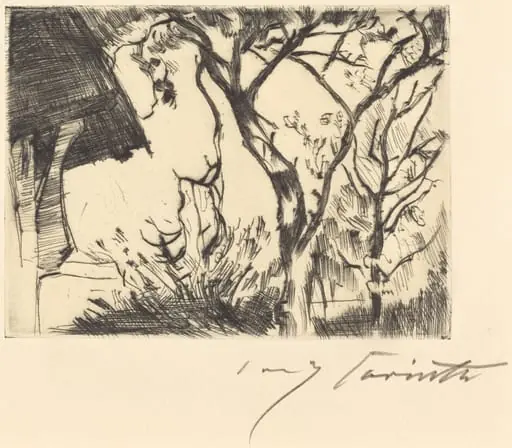 Hausecke (Corner of a House)
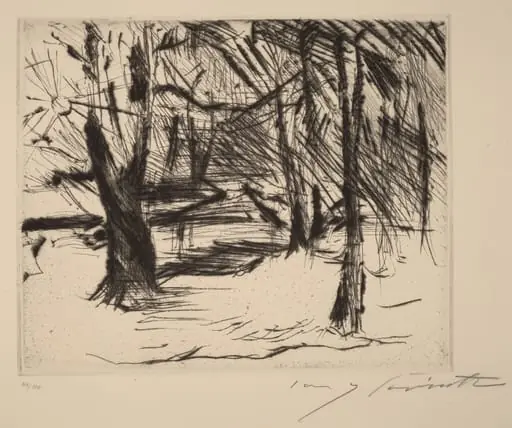 Bäume mit Sonne (Trees in the Sun)
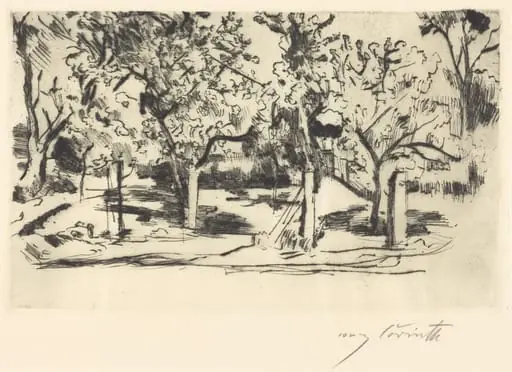 Obstgarten (Orchard)
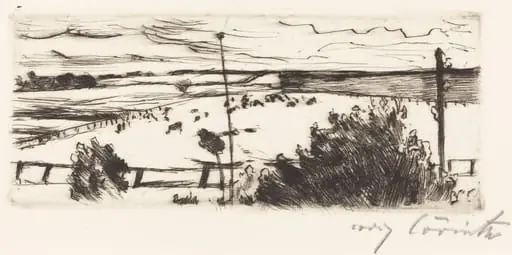 Küste (Seascape)
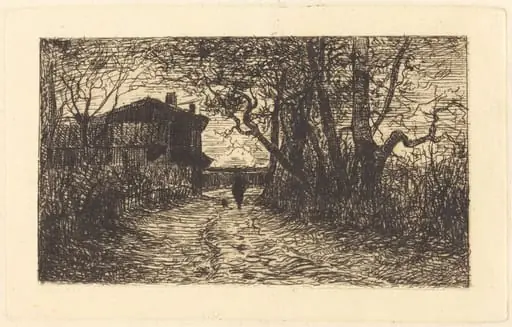 A Gorge de Loup
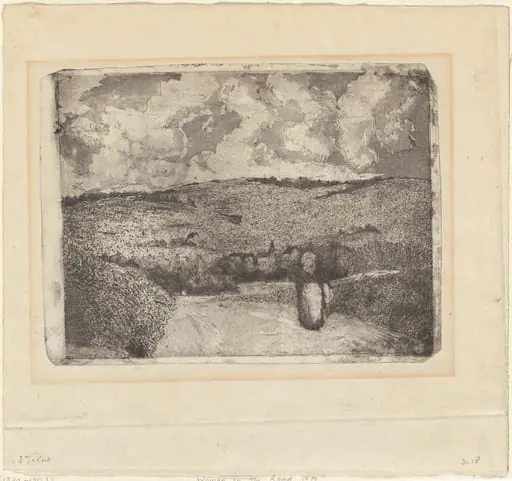 A Woman Walking along a Country Road (La Femme sur la Route)
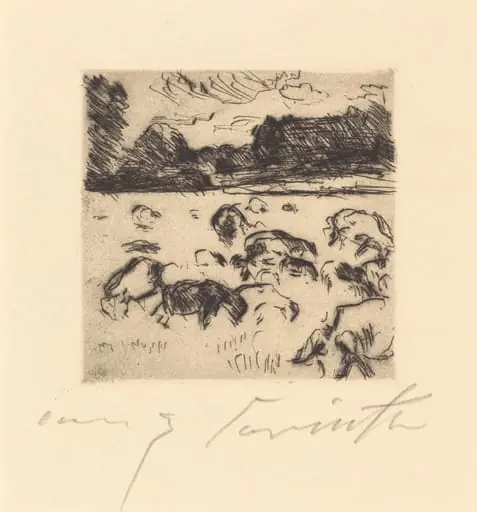 Weidende Schafe (Grazing Sheep)