Artwork
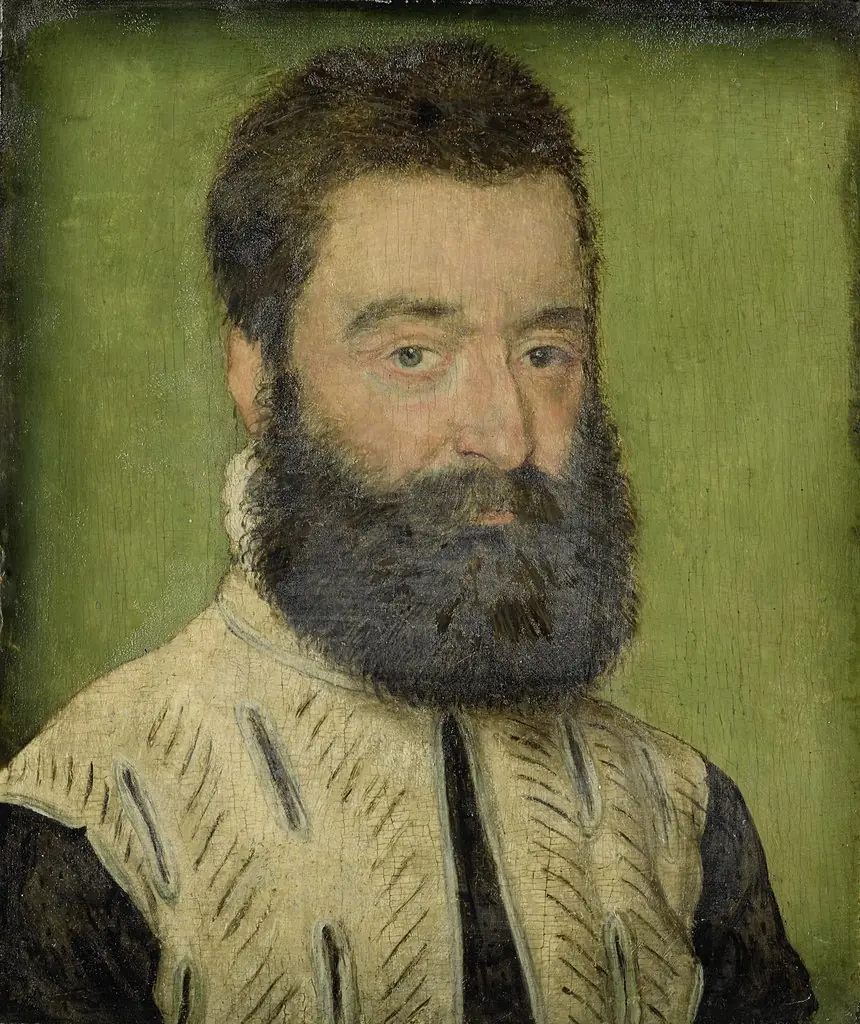
Portrait of Barthélemy Aneau, Head of the Collège de la Trinité in Lyon
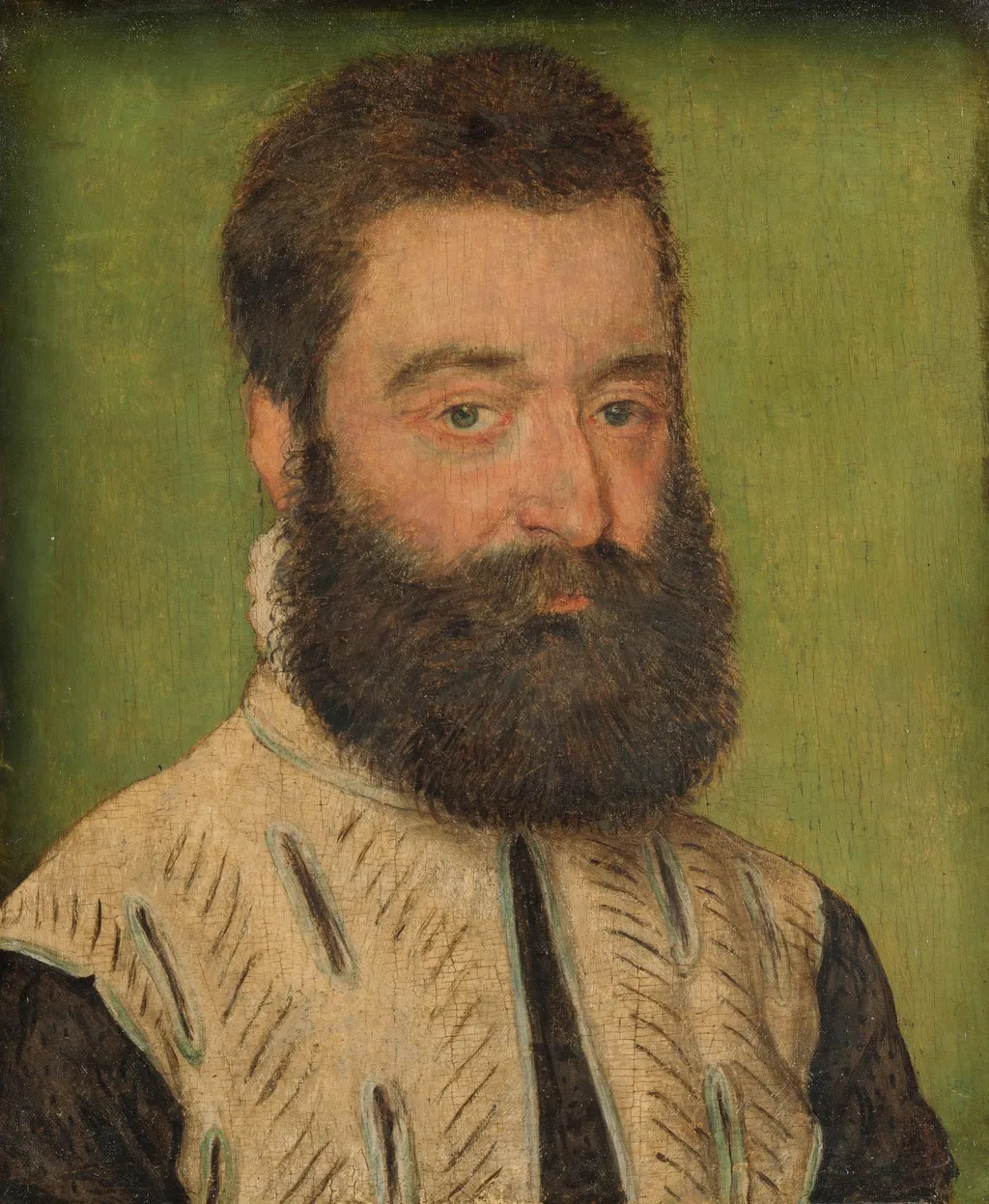
Portrait of Barthélemy Aneau, Head of the Collège de la Trinité in Lyon is an unspecified painting by the Mannerist artist Corneille de la Haye named de Lyon. It dates from 1535 and is held in the collection of the Rijksmuseum. The work is a portrait of Barthélemy Aneau, a 16th‑century poet who served as the head of the Collège de la Trinité in Lyon.
About this work
Overview
The work is a portrait of Barthélemy Aneau, a 16th‑century poet who served as the head of the Collège de la Trinité in Lyon. Rendered in a conventional formal pose, the painting presents the sitter with a sober expression and attire that reflects contemporary academic dress.
Subject & Meaning
Aneau is depicted as a learned figure, his demeanor emphasizing the intellectual authority associated with his role as college director. The serious facial expression and restrained gesture convey a sense of scholarly gravitas rather than personal intimacy.
Technique & Style
Executed with meticulous attention to surface detail, the artist renders the fabrics, hair, and facial features with a fine brushwork typical of Northern European portraiture of the period. The composition follows the standard three‑quarter view, allowing a clear view of the sitter’s attire and insignia.
History & Provenance
The portrait was created during Aneau’s tenure at the Collège de la Trinité, likely commissioned to commemorate his appointment. Its later ownership traces through regional collections before entering the current museum’s holdings, where it is displayed as part of the institution’s Renaissance portrait series.
Context
In the mid‑1500s, French academic institutions often commissioned portraits of their leaders to assert institutional prestige. This painting aligns with that tradition, situating Aneau within the broader visual culture of humanist education and the visual rhetoric of authority.
Own this work as a print
Artist & collection
Artist
Corneille de la Haye named de Lyon
This 16th-century painter made formal portraits that read like printed pages—think stiff collars, steady gazes, and books in the background.

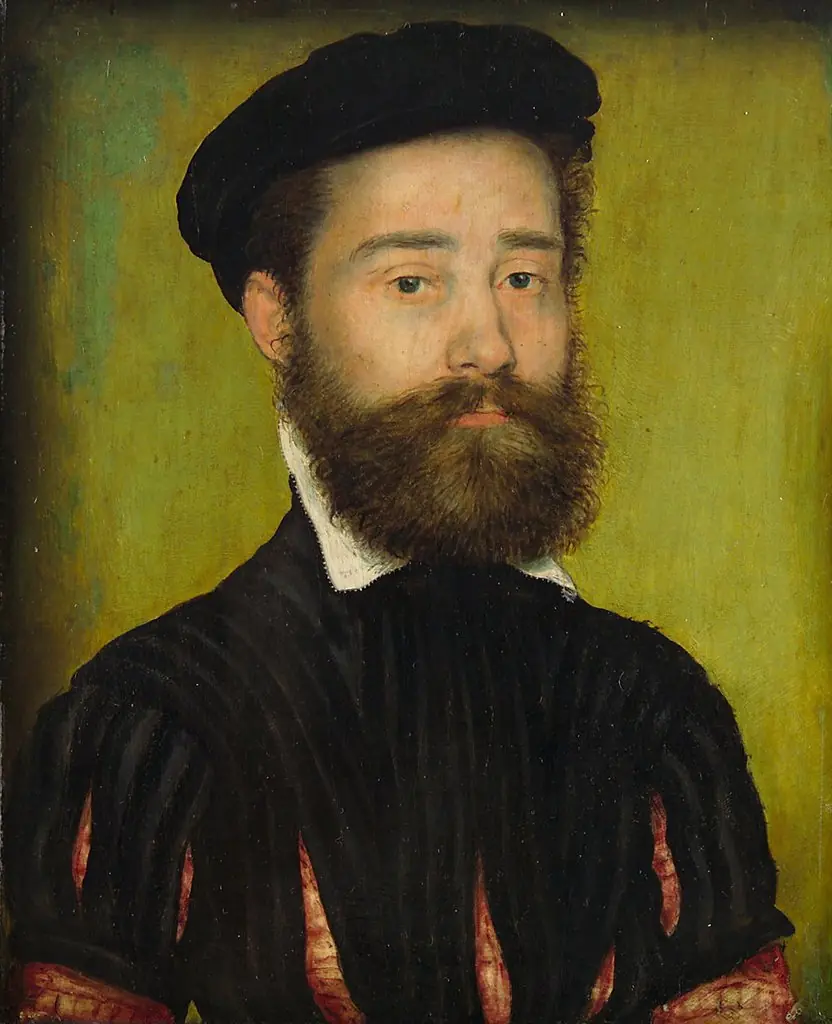 Bildnis eines bärtigen Mannes
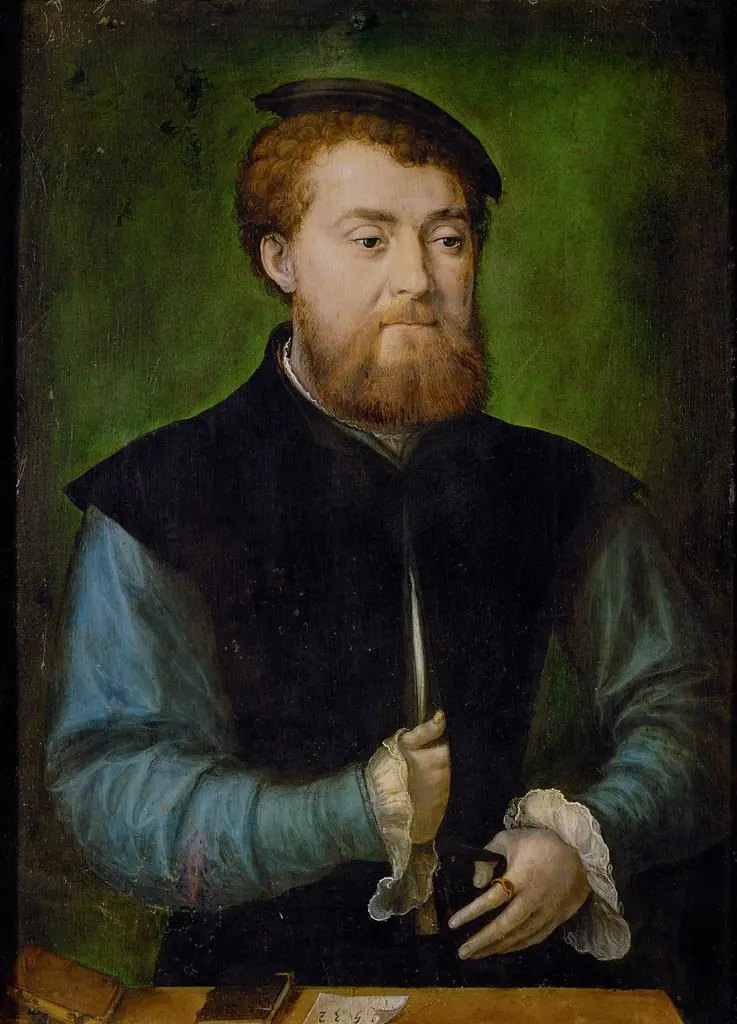 Bärtiger Mann in schwarzem Wams mit blauen Ärmeln
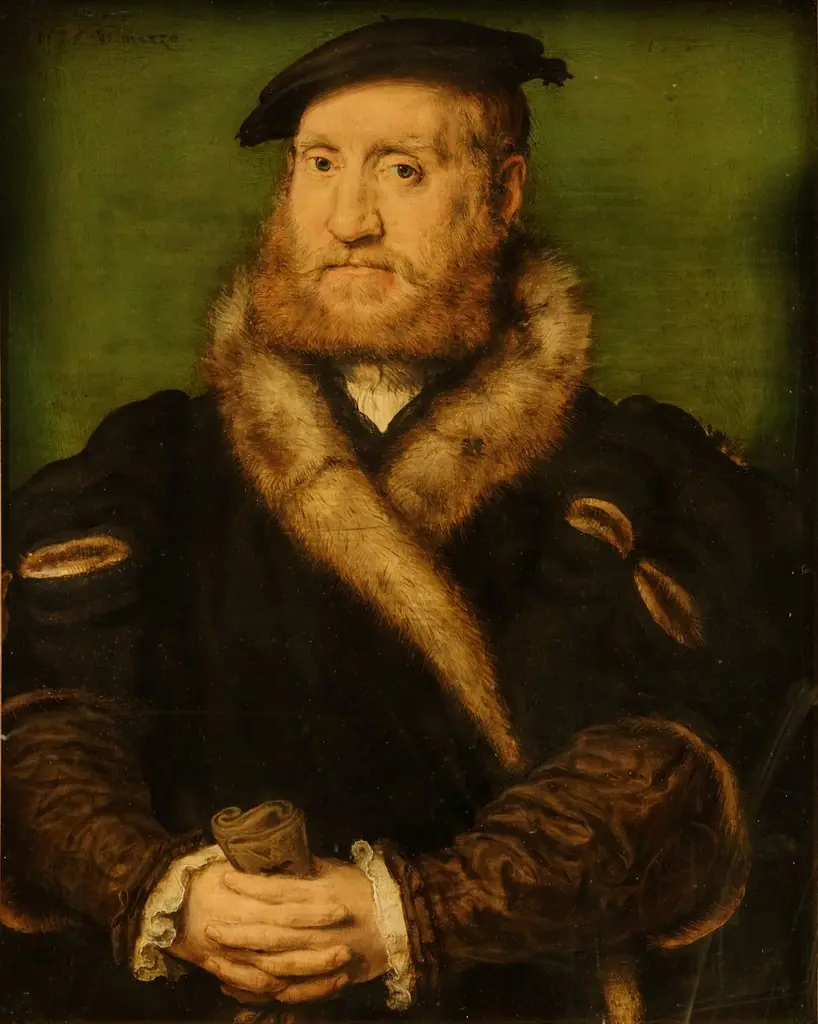 Bearded Man in a Fur Coat
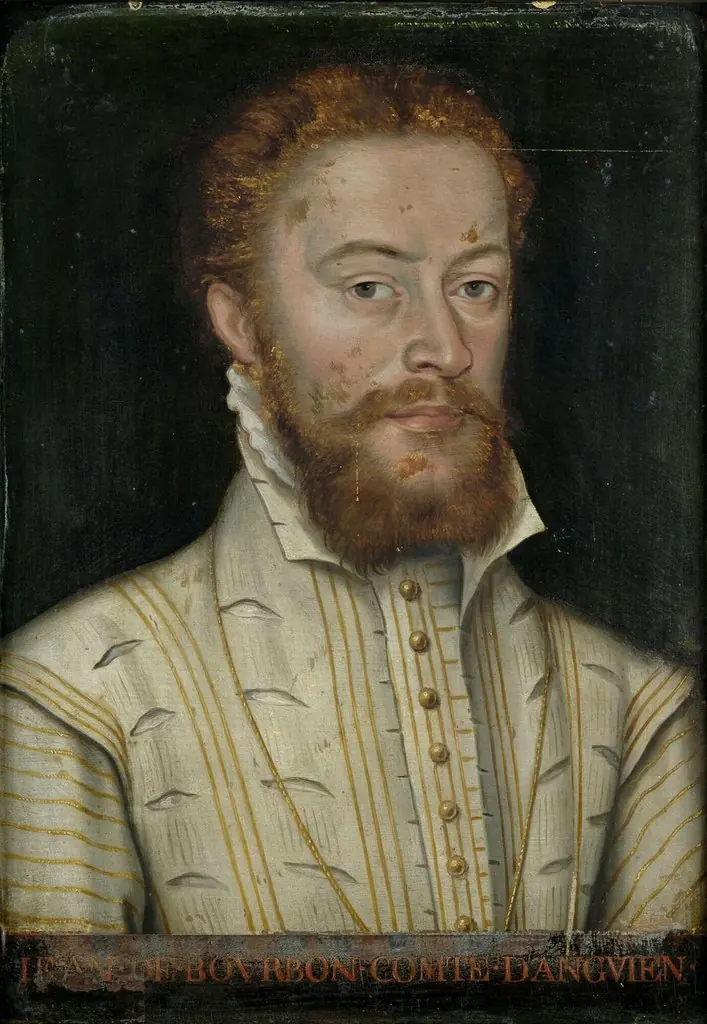 Jean de Bourbon, comte de Soissons et d'Enghien
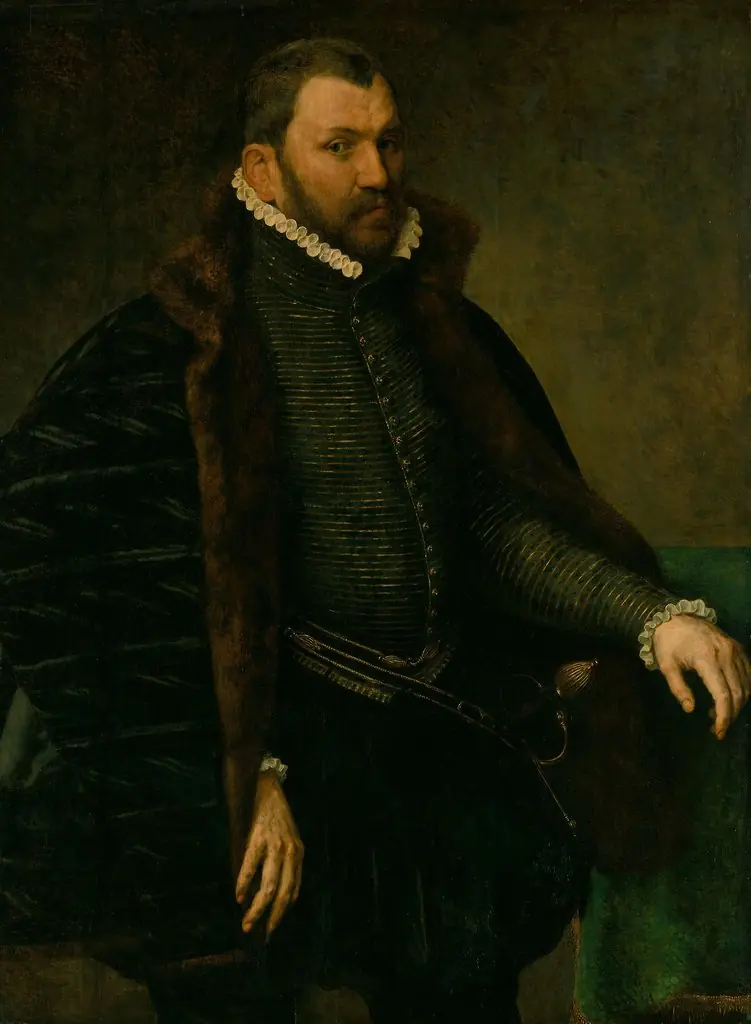 Portrait of a Man
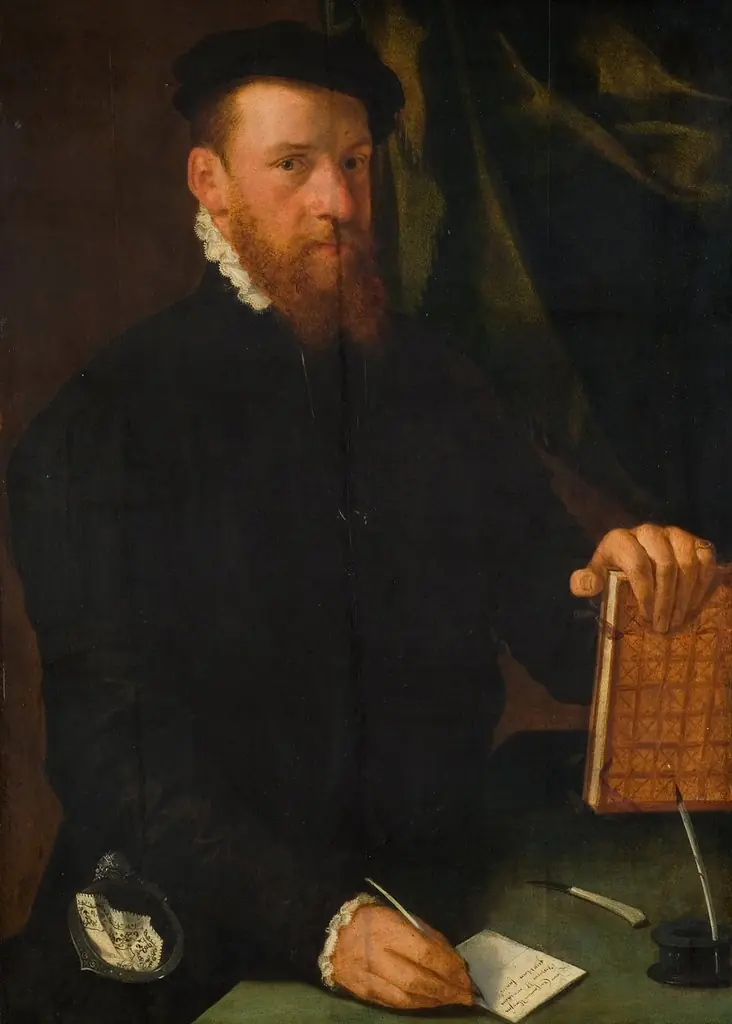 Männliches Bildnis
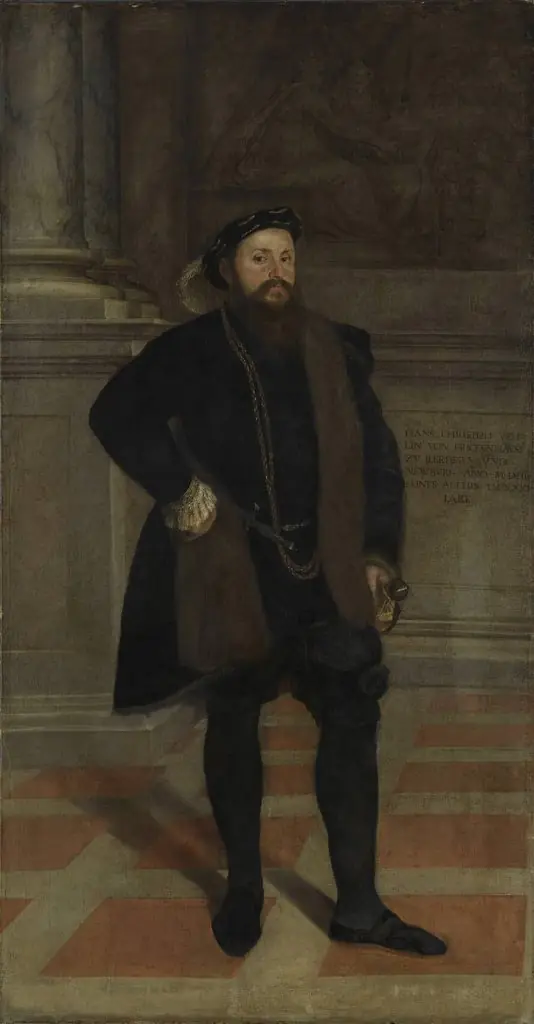 Hans Christoph I. Vöhlin von Frickenhausen (1522-1576)
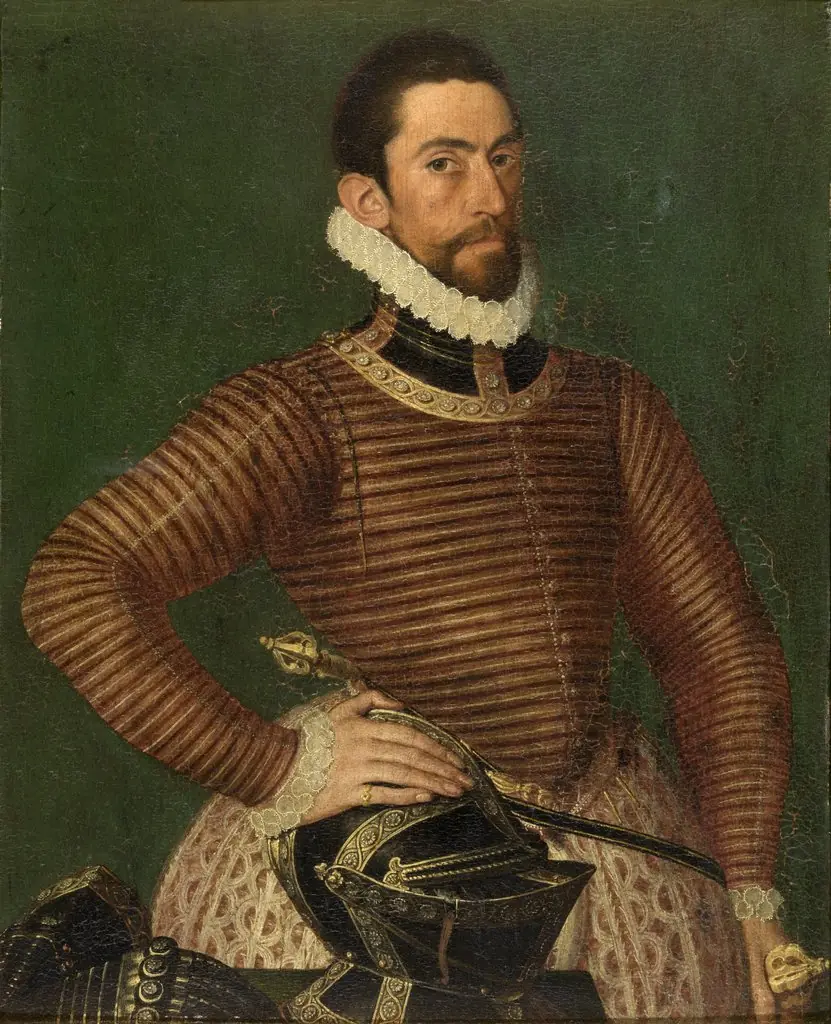 Gabriël Cambry
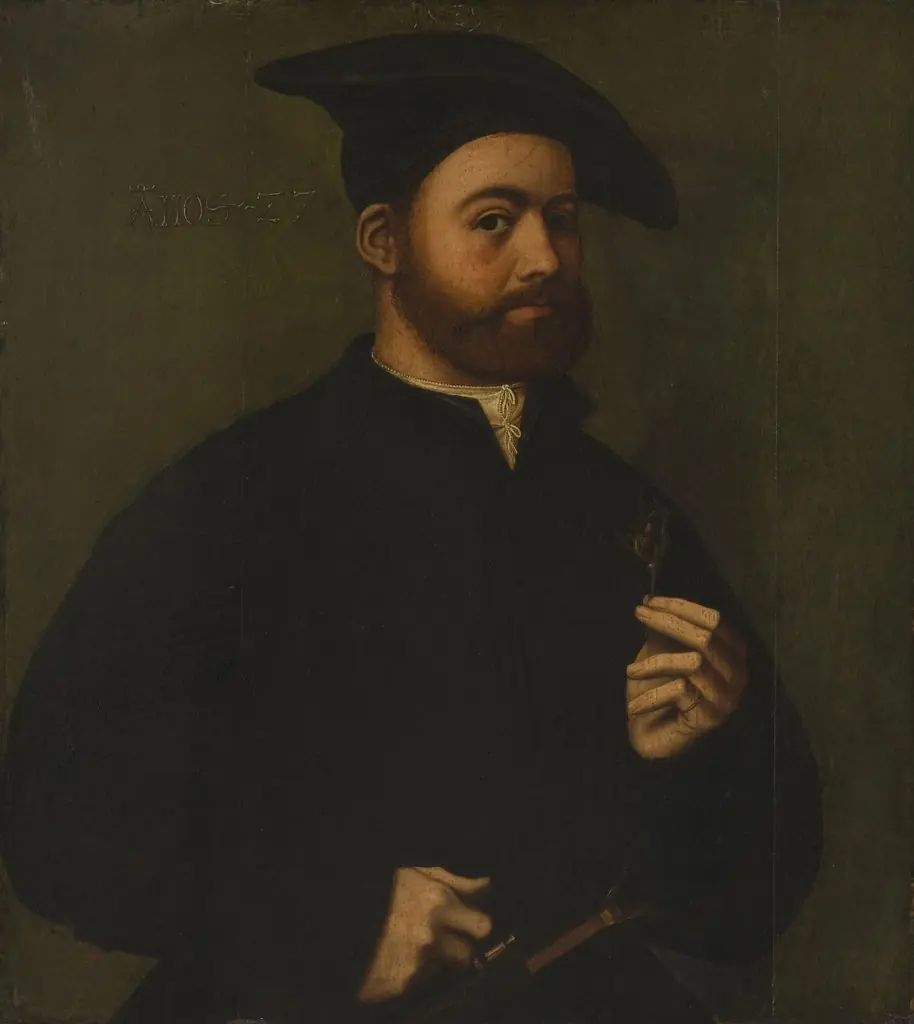 Portrait of a Man Holding a Rose
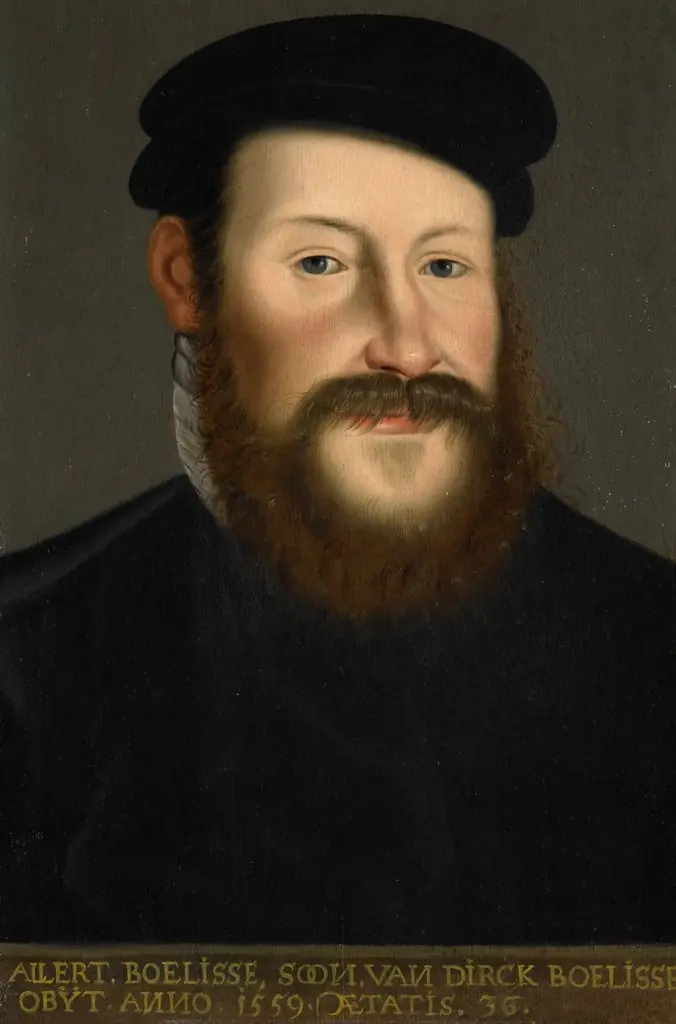 Allert Boelisse (1523-59)
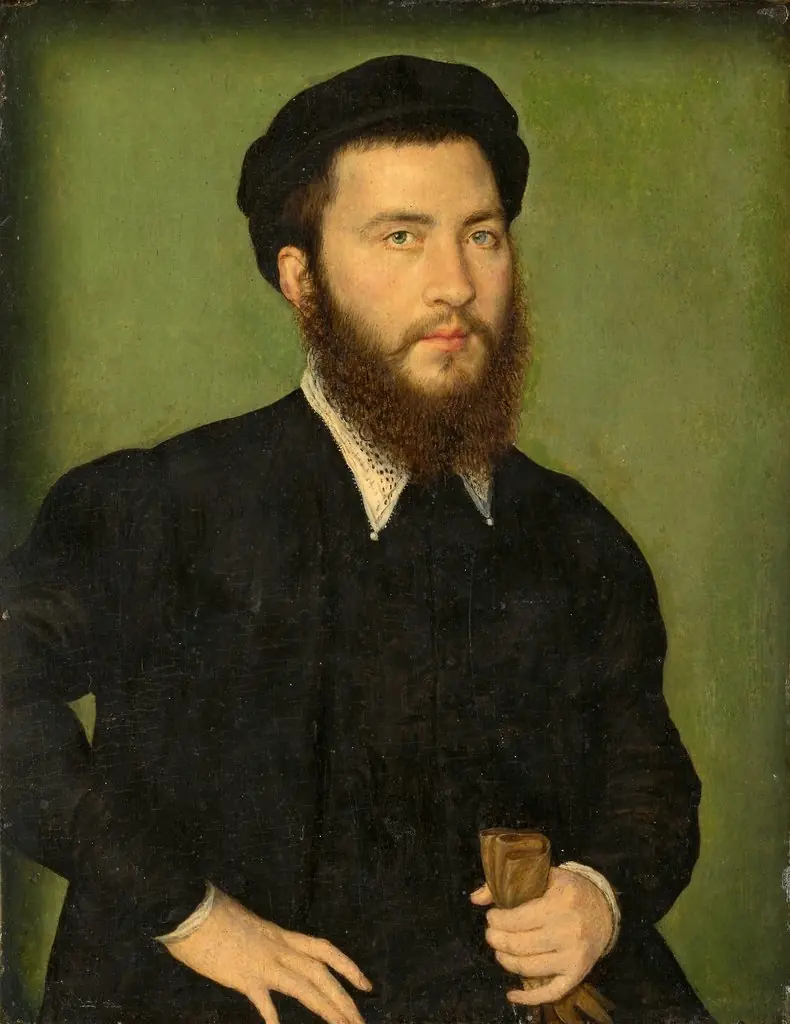 Portrait of a Man
 Portrait of Barthélemy Aneau