Artwork
Shipwreck in Stormy Weather
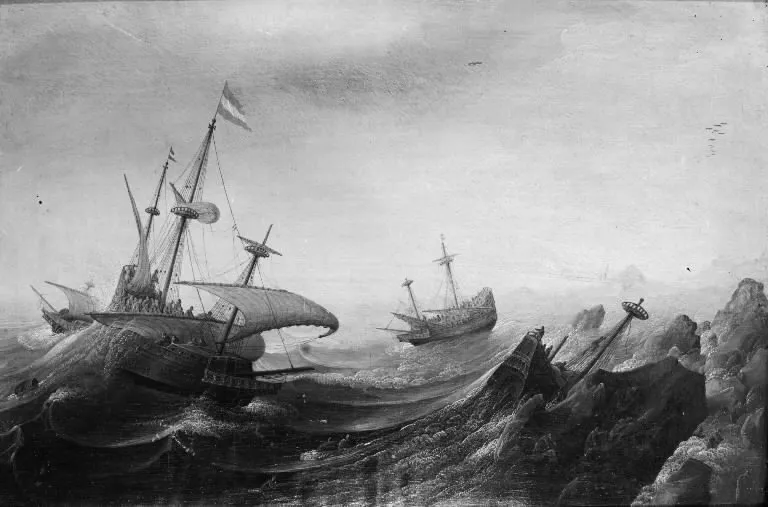
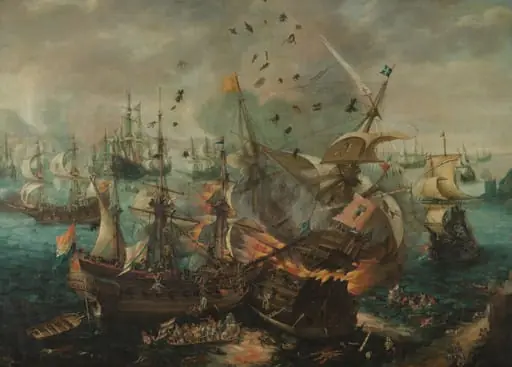
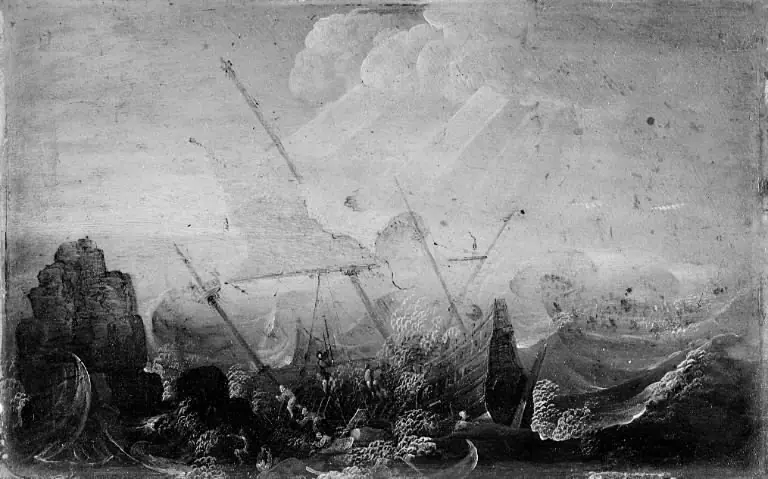
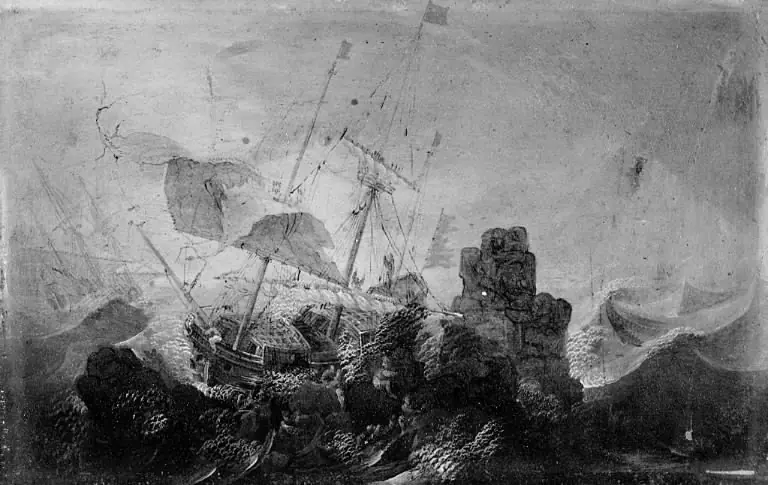
Shipwreck in Stormy Weather is an unspecified painting by the Dutch Golden Age artist Cornelis Claesz van Wieringen. It dates from 1614 and is held in the collection of the Statens Museum for Kunst.
About this work
Overview
The painting is part of the collection at Statens Museum for Kunst in Copenhagen, where it has been held since the 19th century.
Painted in 1614 by Cornelis Claesz van Wieringen, this work depicts a violent maritime disaster off a rugged coastline. Executed in oil on panel, it reflects the Dutch tradition of marine painting during the early 17th century. The painting is part of the collection at Statens Museum for Kunst in Copenhagen, where it has been held since the 19th century. Its scale and intensity mark it as one of the artist’s most ambitious compositions.
Subject & Meaning
The scene captures a merchant vessel in its final moments, shattered by waves against jagged rocks. No survivors are visible, emphasizing nature’s indifference to human endeavor. The composition avoids moralizing, instead presenting the event with stark realism. It may reflect contemporary anxieties about sea travel, a vital yet perilous element of Dutch commerce and exploration during the Golden Age.
Technique & Style
Van Wieringen employs strong chiaroscuro to heighten the drama, contrasting the dark, churning sea and rocks with the pale, turbulent sky. Brushwork is precise in rendering the ship’s wreckage and the foam of breaking waves, while the clouds are loosely rendered to suggest motion. The perspective draws the viewer into the chaos, with the ship’s tilted hull dominating the foreground and receding into the storm’s depth.
History & Provenance
The painting was created during van Wieringen’s tenure as a municipal painter in Haarlem, where he documented local maritime events. It entered the Danish royal collection in the 1800s and was later transferred to Statens Museum for Kunst. Its survival in good condition is notable, as many similar works from this period were lost to decay or damage. Documentation confirms its attribution to van Wieringen since at least the 19th century.
Context
In early 17th-century Holland, maritime themes dominated painting due to the nation’s reliance on seafaring trade and naval power. Shipwrecks were common, and their depiction served both as record and warning. Van Wieringen’s work aligns with a growing interest in natural forces and human vulnerability, reflecting broader cultural attitudes toward the sea as both economic lifeline and existential threat.
Legacy
Though van Wieringen is less known today than contemporaries like Rembrandt or Hals, this painting remains a significant example of early Dutch marine art. It influenced later artists who sought to convey the sublime power of the sea. Its preservation in a major national collection ensures its continued study, offering insight into how Dutch society visually processed the dangers of its maritime world.
Artist & collection
Artist
Cornelis Claesz van Wieringen (1577–1633) was an artist, born in Haarlem.

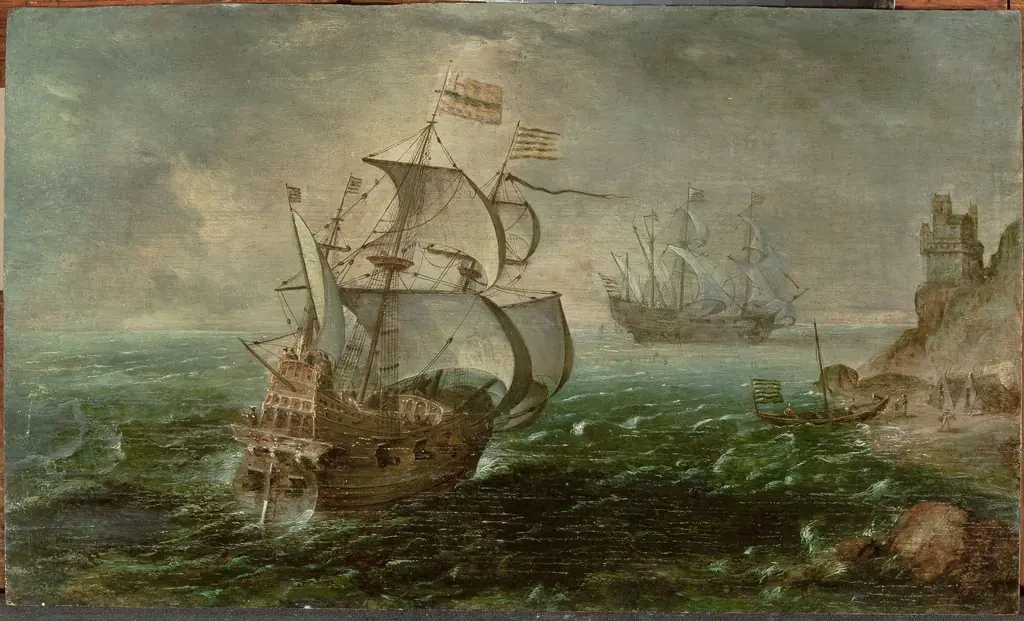
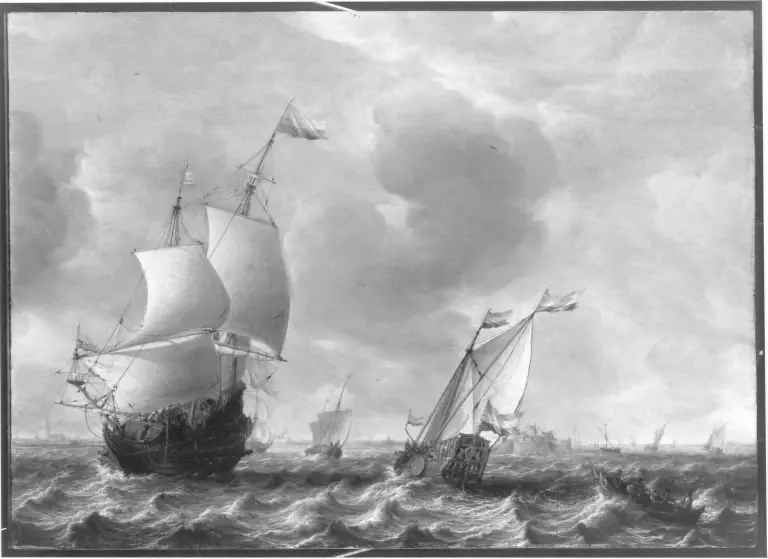 Marine mit Fort Rammekens bei Vlissingen
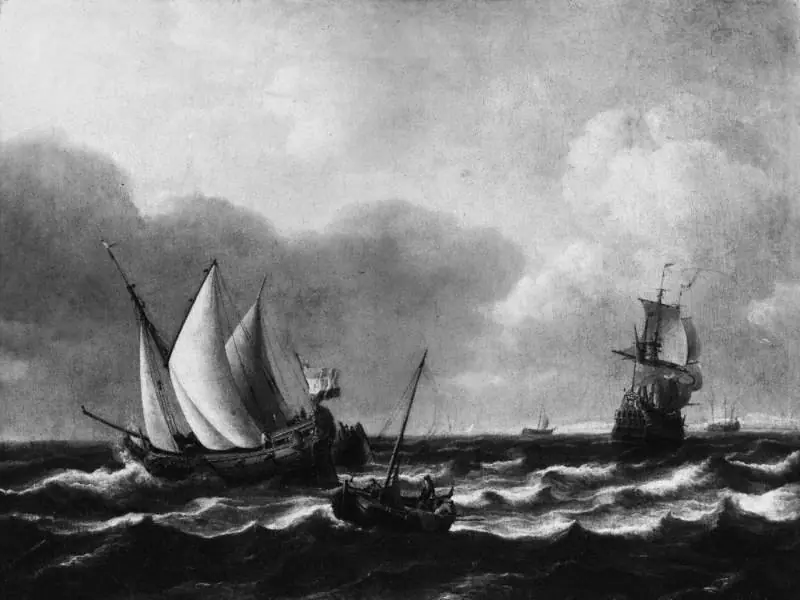 A Dutch States Yacht Beating to Windward off the Coast, and Other Vessels
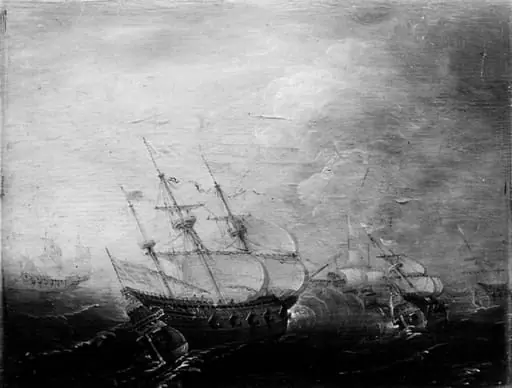 Fight between two Ships on Rough Sea
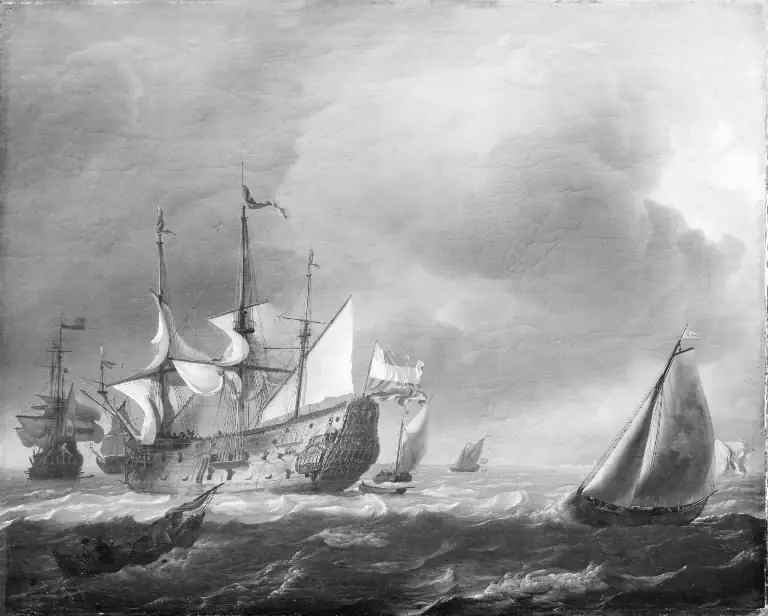 Seascape with Dutch Men-of-War and Fishing Boats
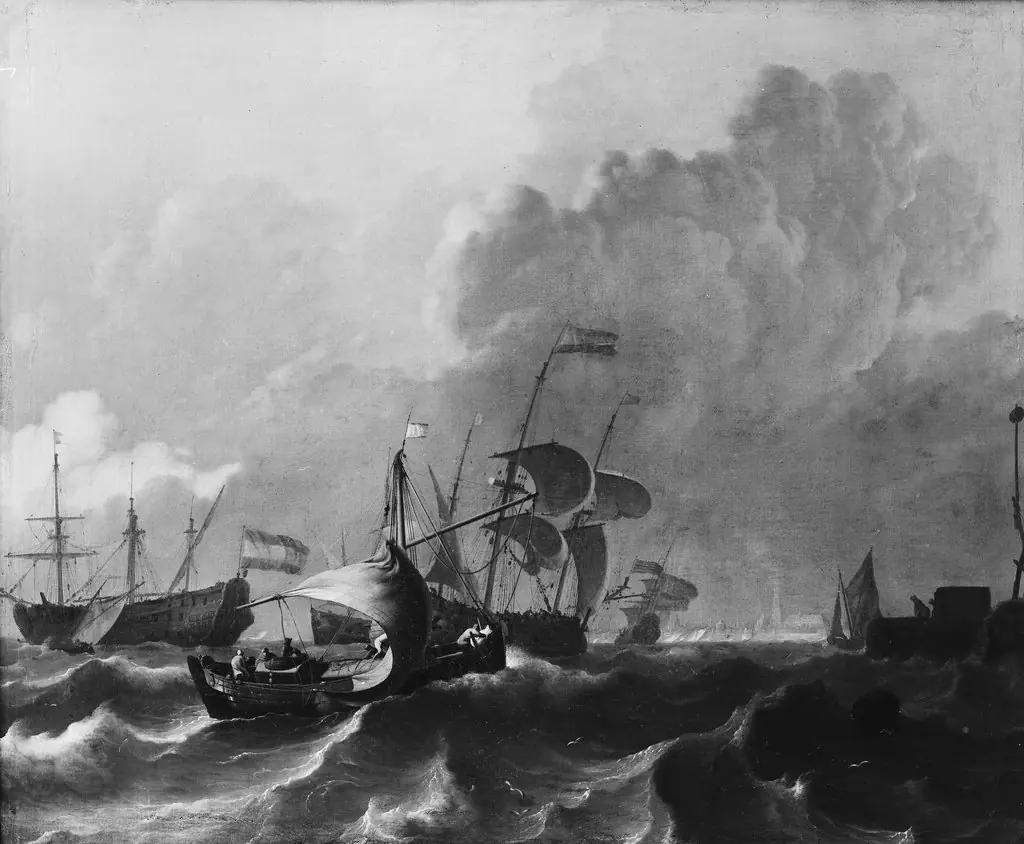 The Y off Amsterdam
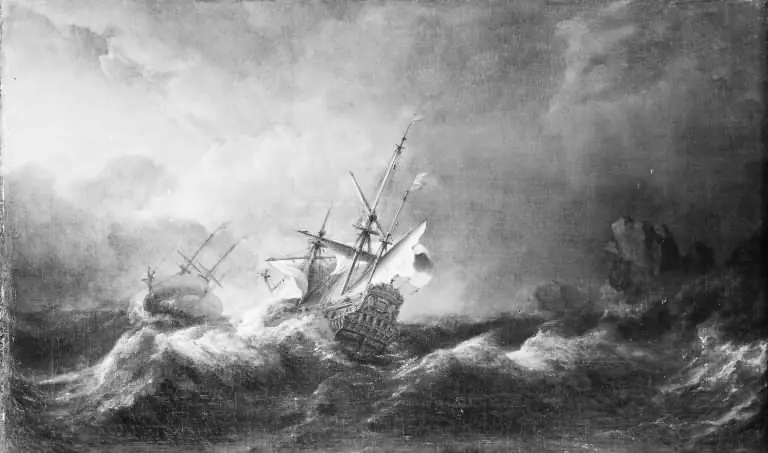 Dutch Men-of-War in a Storm off a Rocky Coast
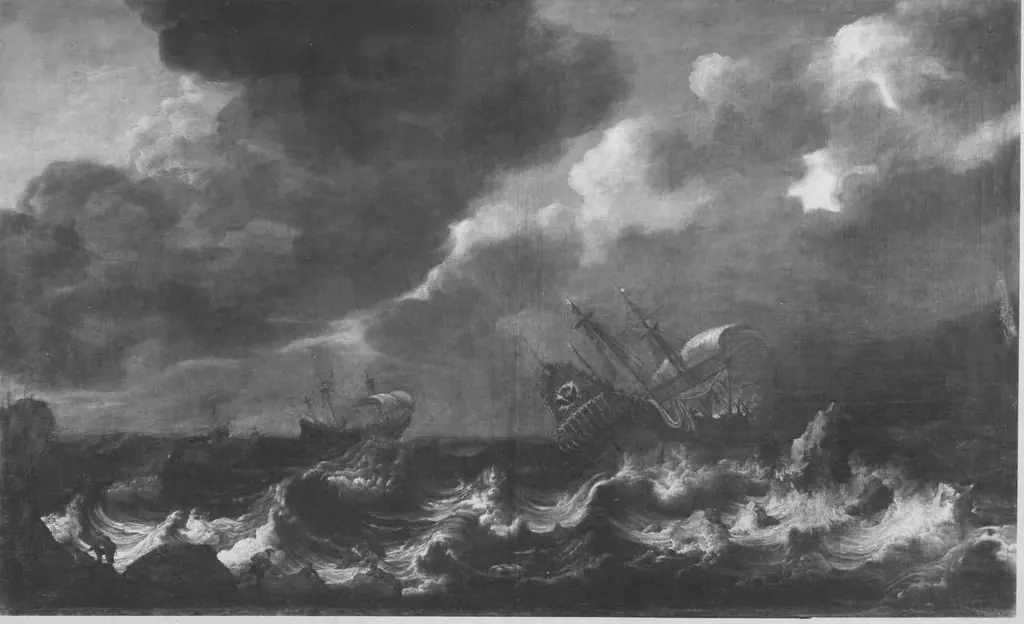 Seesturm mit Schiffbruch
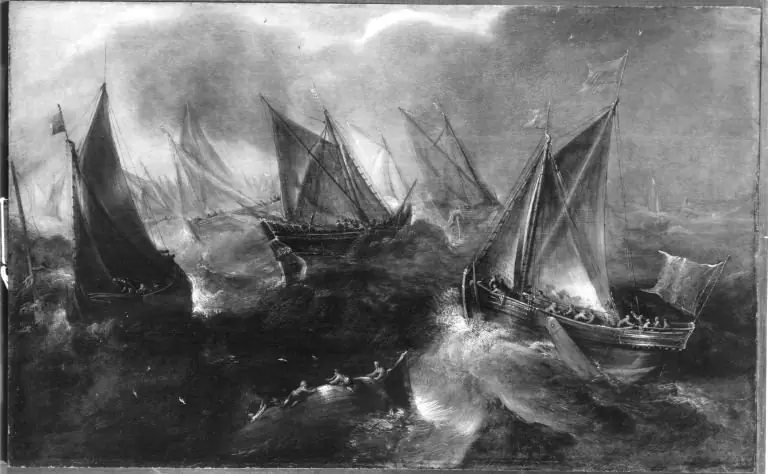 Seegefecht
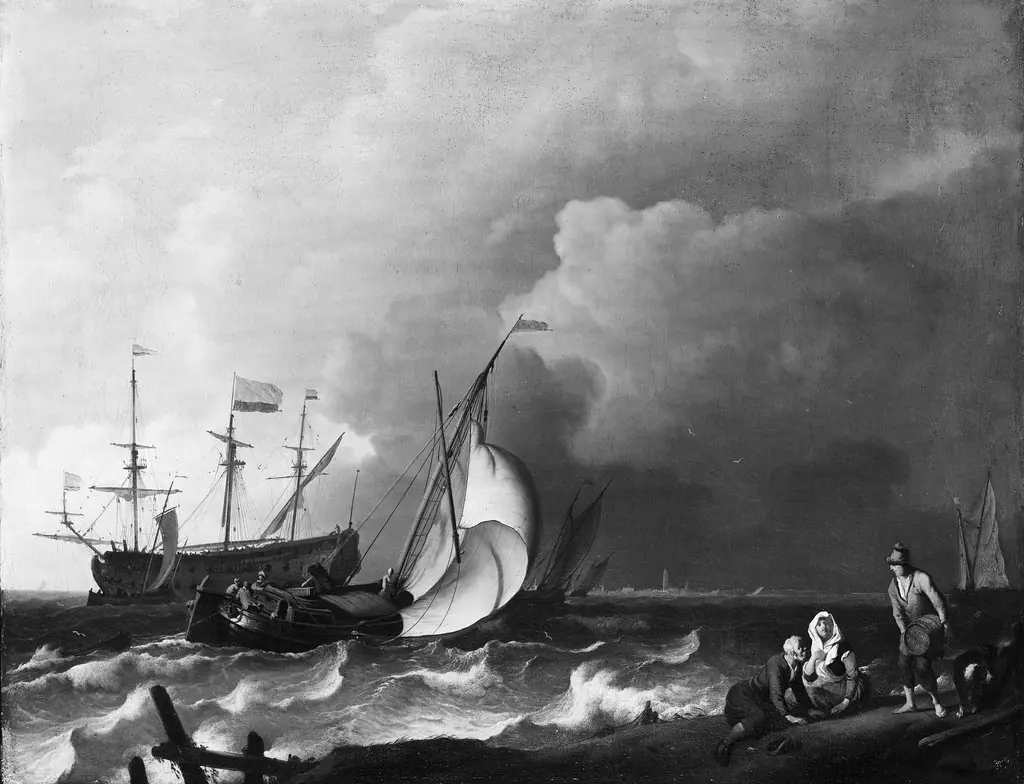 Rough sea with ships
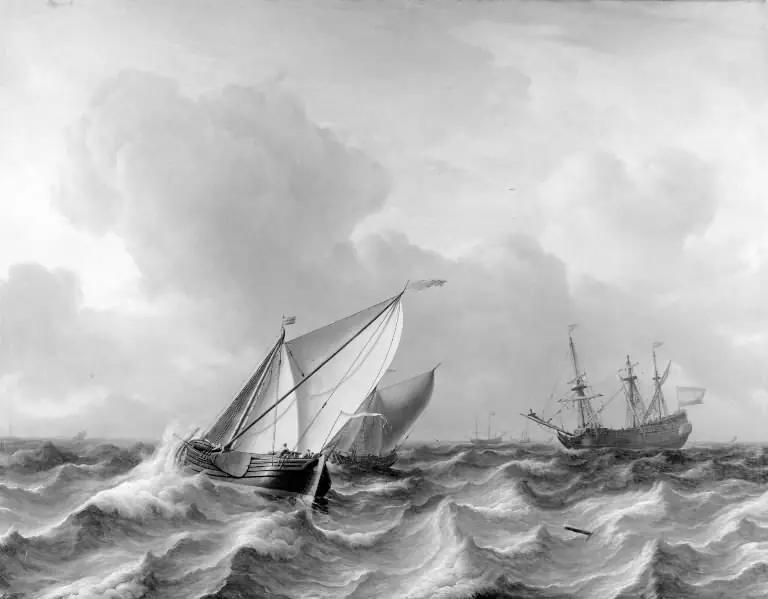 The Sea in Motion
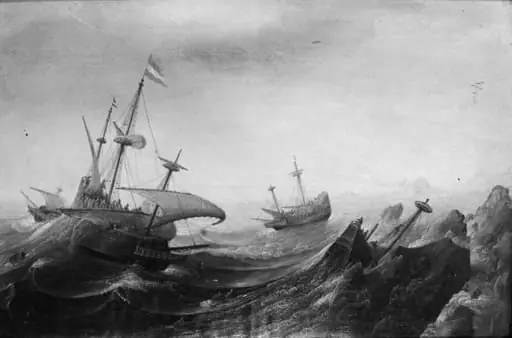 Shipwreck in Stormy Weather