Artwork
Stillleben mit Hummer
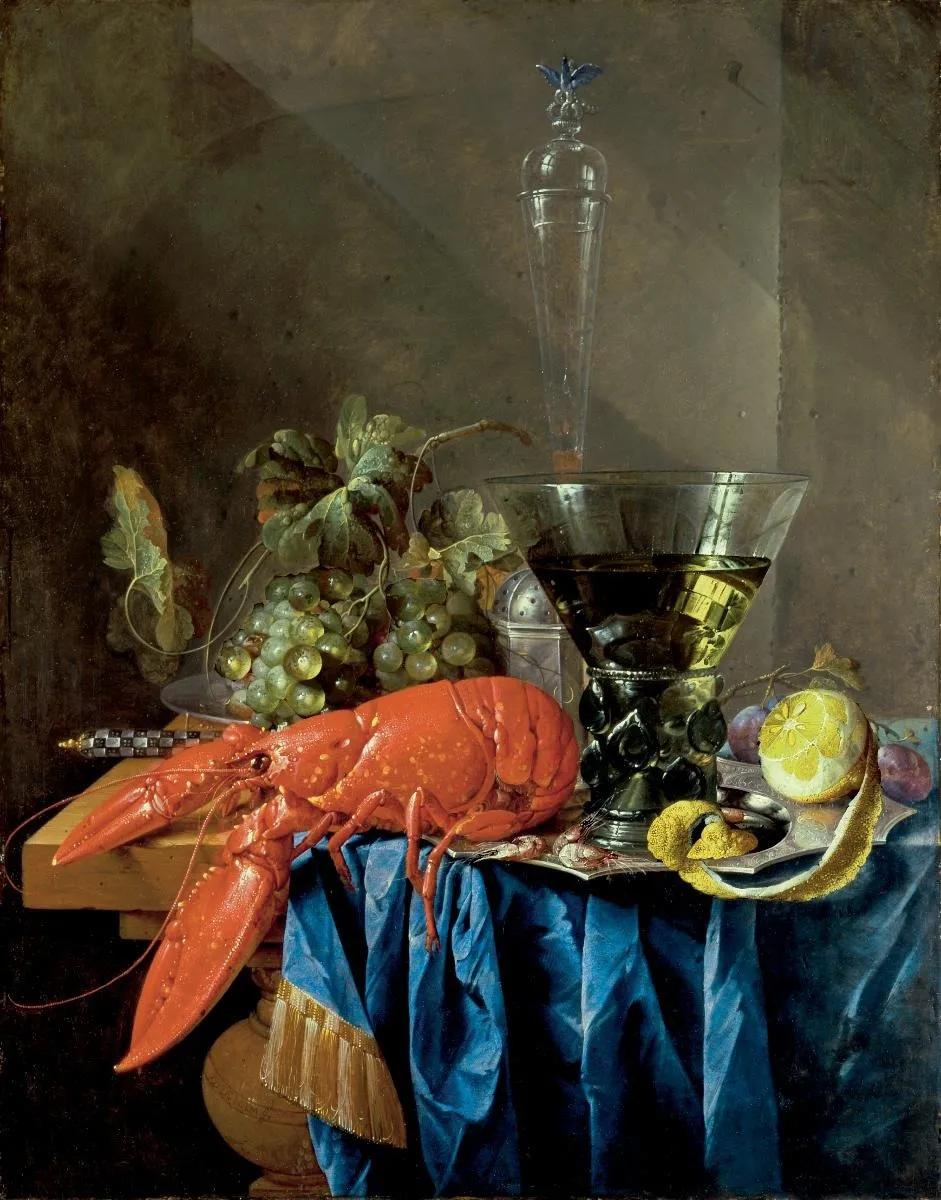
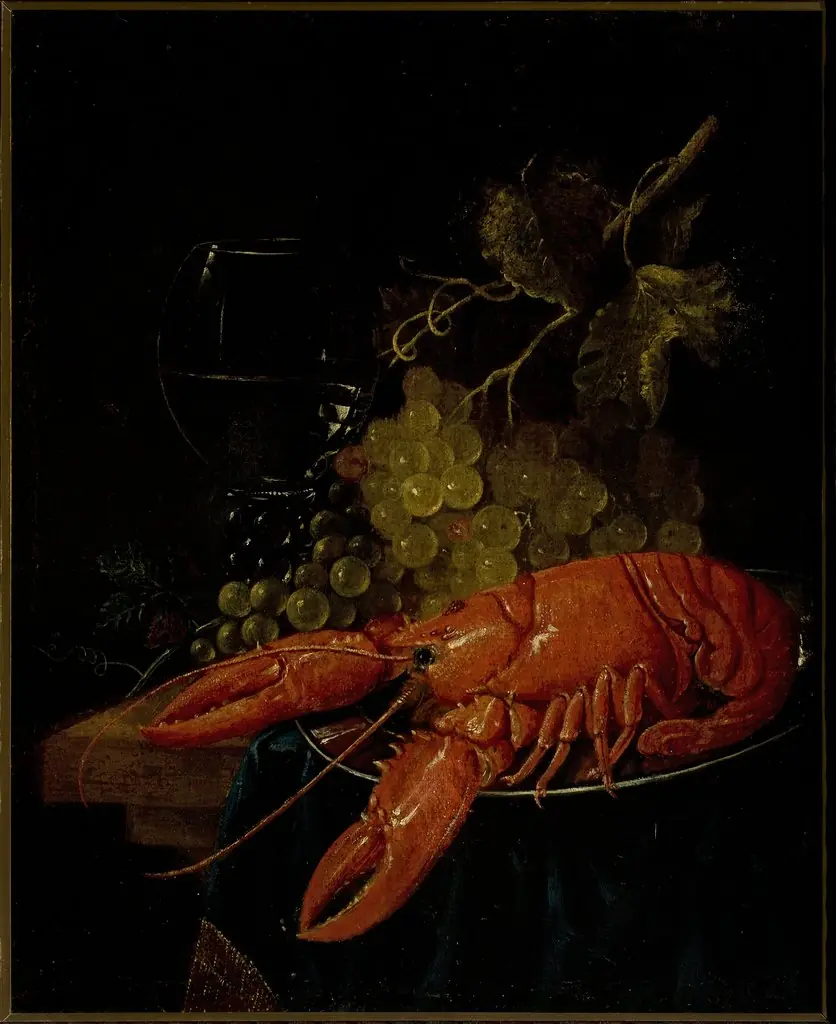
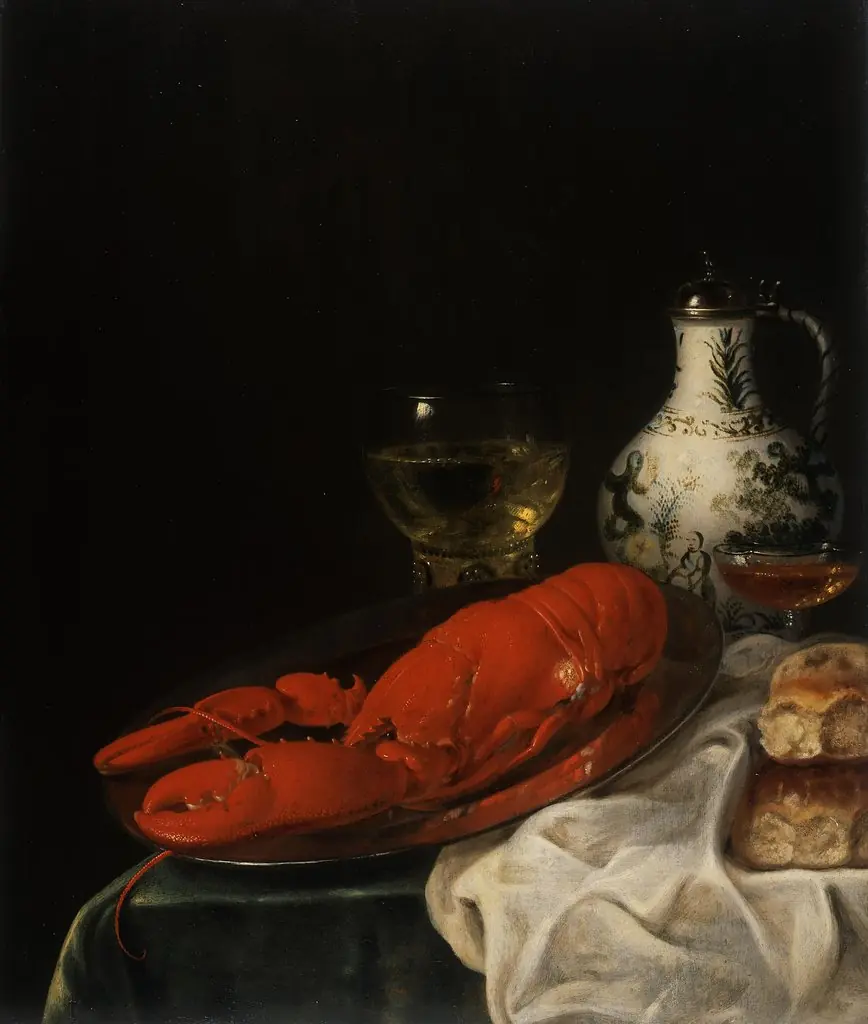
Stillleben mit Hummer is an oil painting by the Dutch Golden Age artist Cornelis de Heem. It dates from 1655 and is held in the collection of the Kunsthaus Zürich.
About this work
Overview
The composition balances natural abundance with quiet restraint, typical of Dutch and Flemish still-life traditions of the mid-seventeenth century.
Painted in 1655 on copper, this still life by Cornelis de Heem features a lobster, grapes, and a glass of wine arranged on a table. The work is part of the collection at Kunsthaus Zürich. The composition balances natural abundance with quiet restraint, typical of Dutch and Flemish still-life traditions of the mid-seventeenth century. The choice of copper as a support allowed for fine detail and luminous color effects.
Subject & Meaning
The lobster, grapes, and wine suggest themes of indulgence and transience. Lobsters, often associated with luxury and the sea, contrast with the perishable fruit and poured wine, hinting at the fleeting nature of earthly pleasures. The arrangement avoids overt moralizing, instead inviting contemplation through the quiet tension between vitality and decay embedded in the objects.
Technique & Style
De Heem employed precise brushwork to render textures: the glossy sheen of the glass, the rough shell of the lobster, and the dewy skin of the grapes. Light falls subtly across the scene, modeling forms with soft chiaroscuro. The blue tablecloth anchors the composition, while the vase behind adds spatial depth. The copper support enhances the luminosity of pigments, particularly in highlights.
History & Provenance
The painting has been in the collection of Kunsthaus Zürich since at least the early twentieth century. Its earlier ownership is not fully documented, but it aligns with the broader circulation of Flemish still lifes among European collectors in the eighteenth and nineteenth centuries. The work’s condition suggests careful preservation over time.
Context
Created during the height of Dutch and Flemish still-life painting, this work reflects a cultural fascination with material wealth and natural detail. Artists like de Heem often drew from family traditions—his father, Jan Davidsz. de Heem, was a leading still-life painter. Such works were prized not only for their realism but also for their quiet symbolism within urban merchant societies.
Legacy
Cornelis de Heem’s still lifes contributed to the evolution of the genre by refining its visual language and expanding its emotional nuance. Though less celebrated than some contemporaries, his works remain important for their technical precision and restrained symbolism. This painting continues to be studied as an example of how everyday objects could convey layered meaning without overt narrative.
Artist & collection

Artist
Cornelis de Heem was a still-life painter associated with both Flemish Baroque and Dutch Golden Age painting.

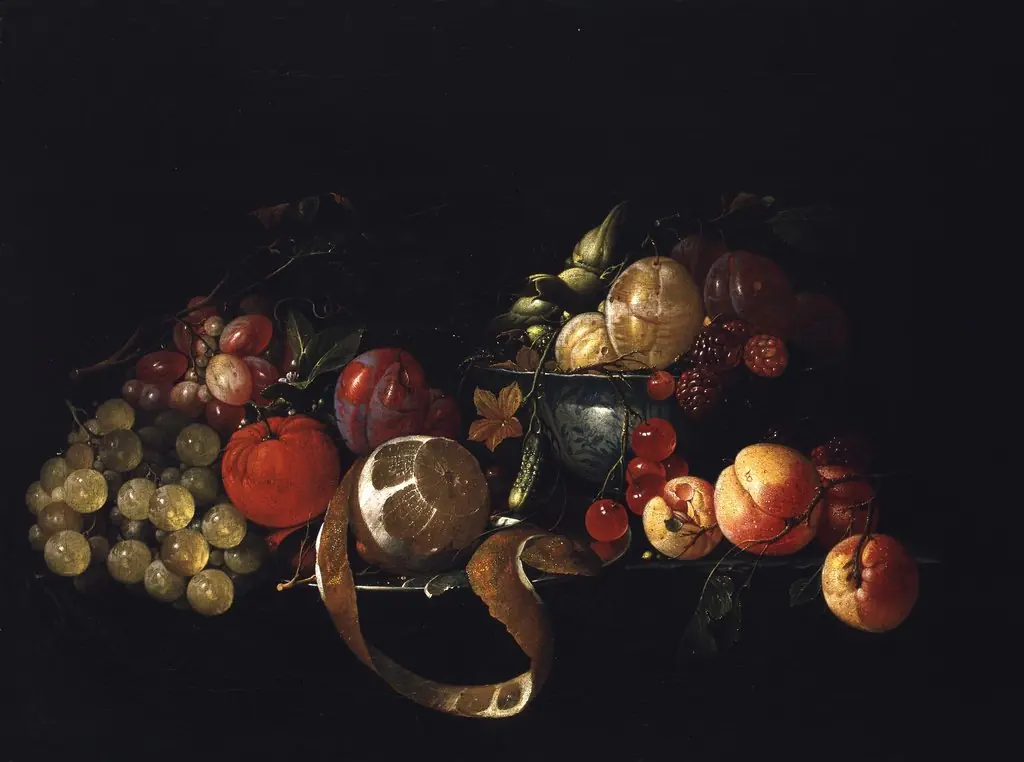
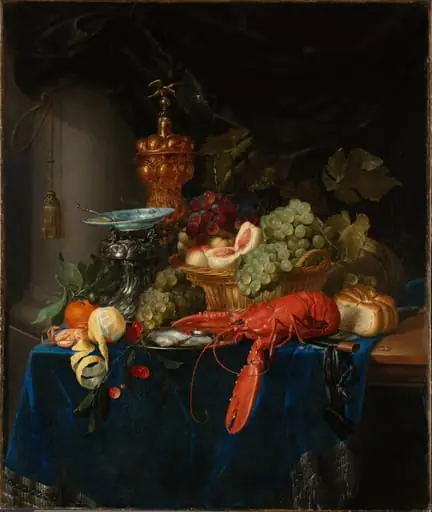 Untitled
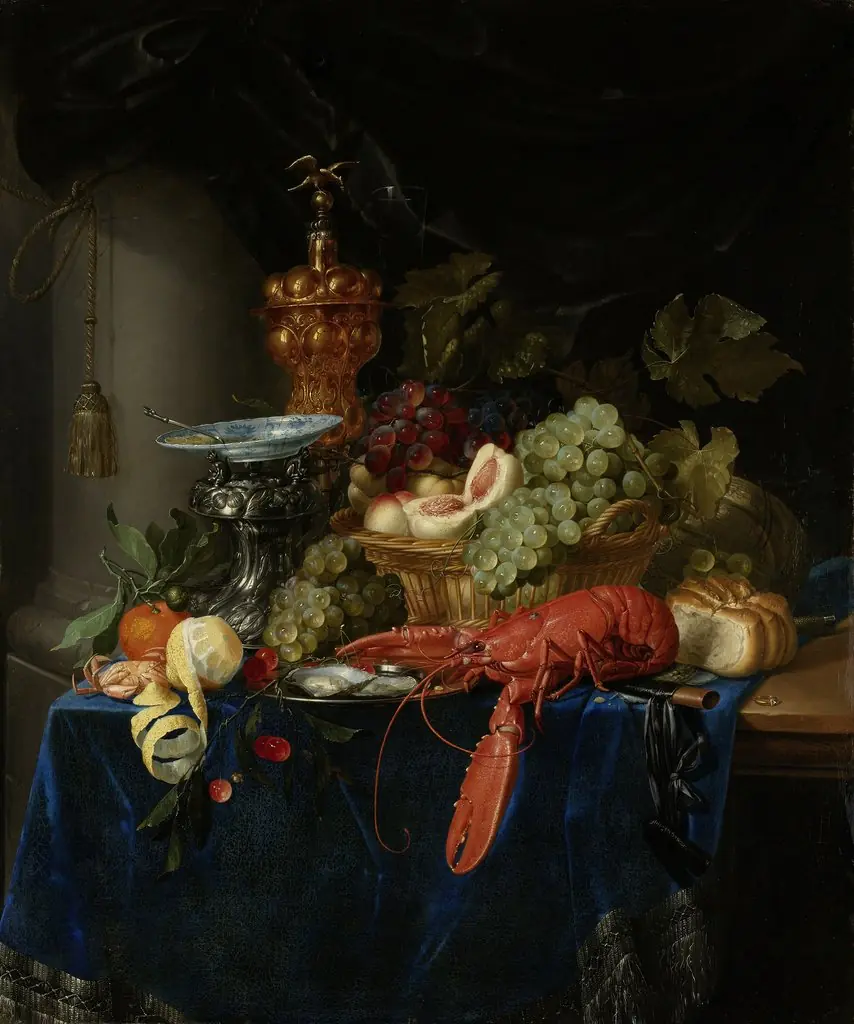 Still life with a golden goblet
 Still-ife with lobster
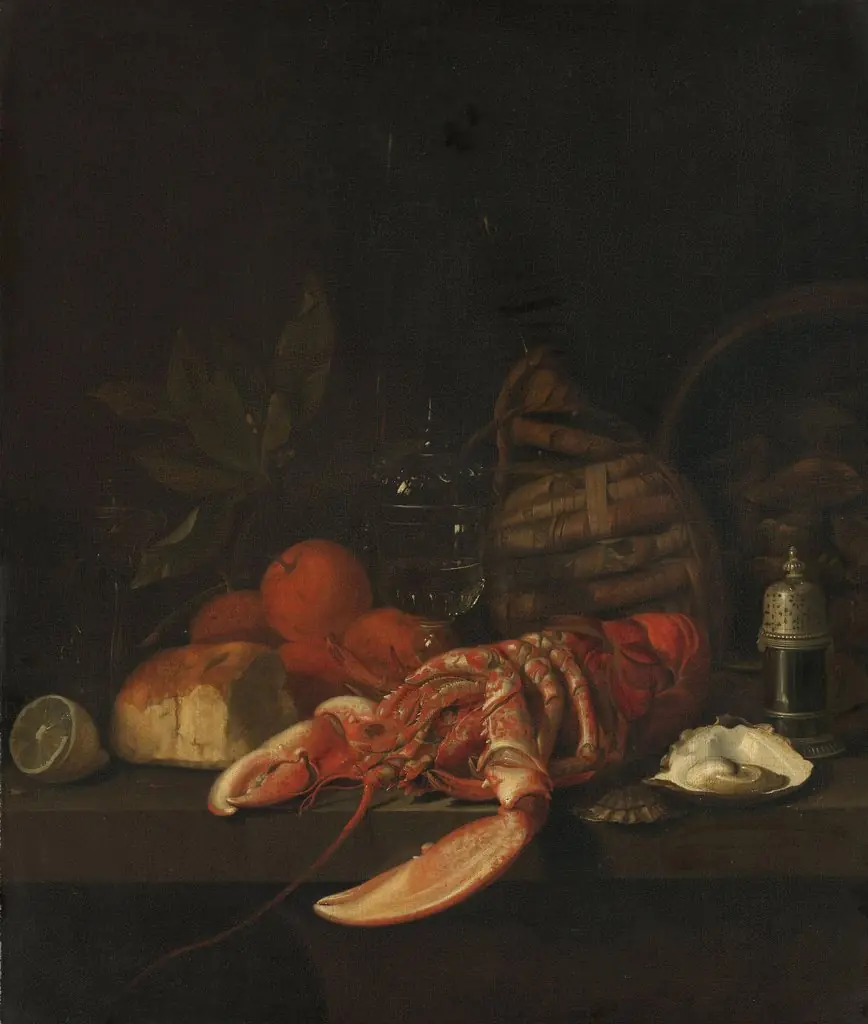 Still life with a lobster. oysters, bread, oranges, a lemon, a glass, a pepper shaker and a wine casket
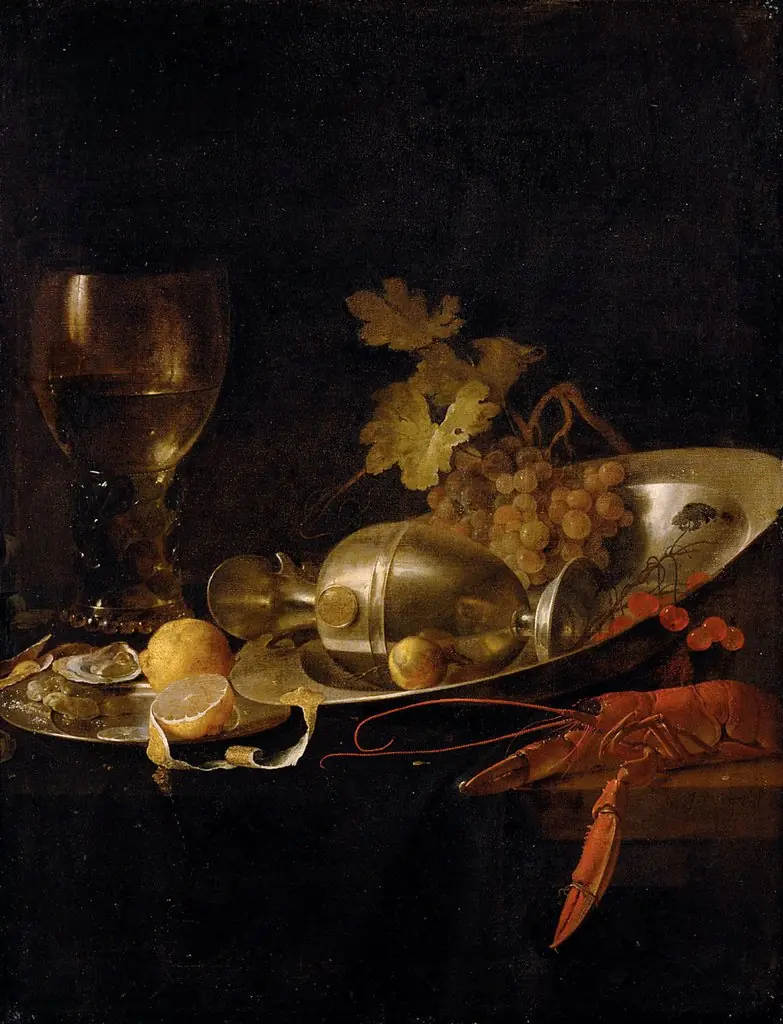 Still life with a "roemer", a fallen jug and a lobster
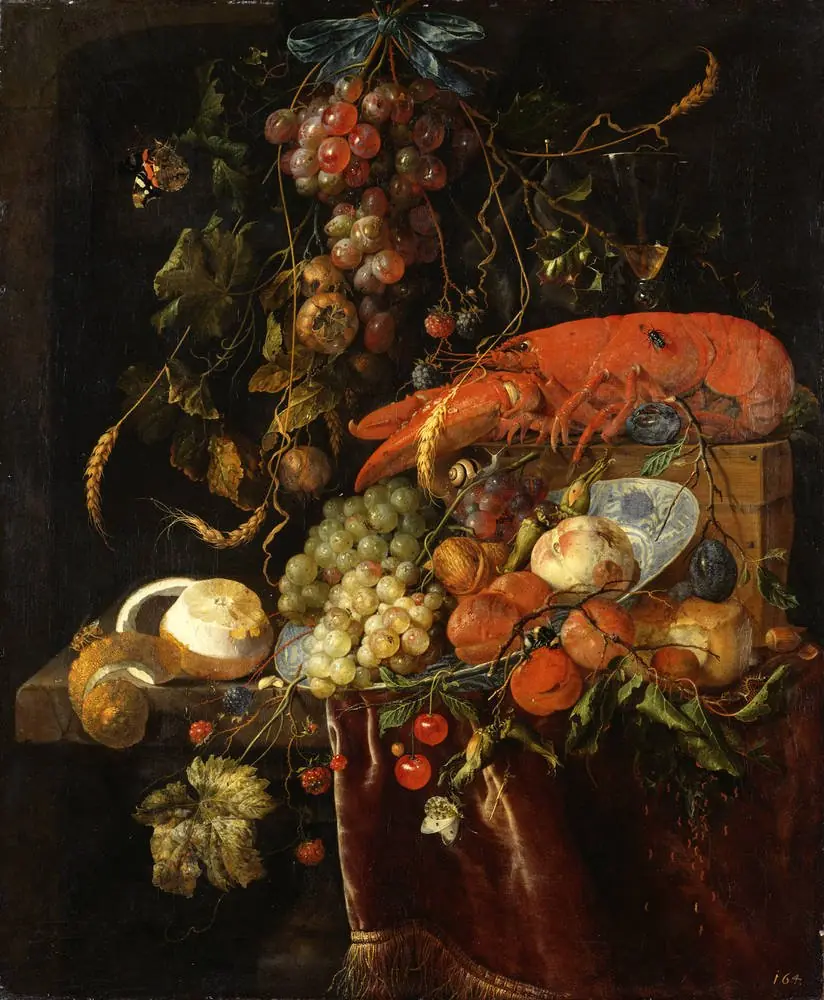 Still Life with a Lobster
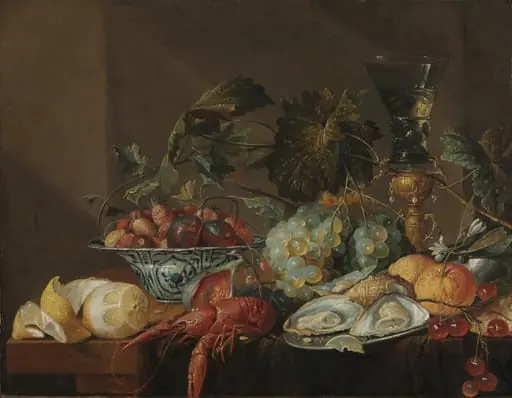 Still-Life with Crayfish, Oysters, and Fruit
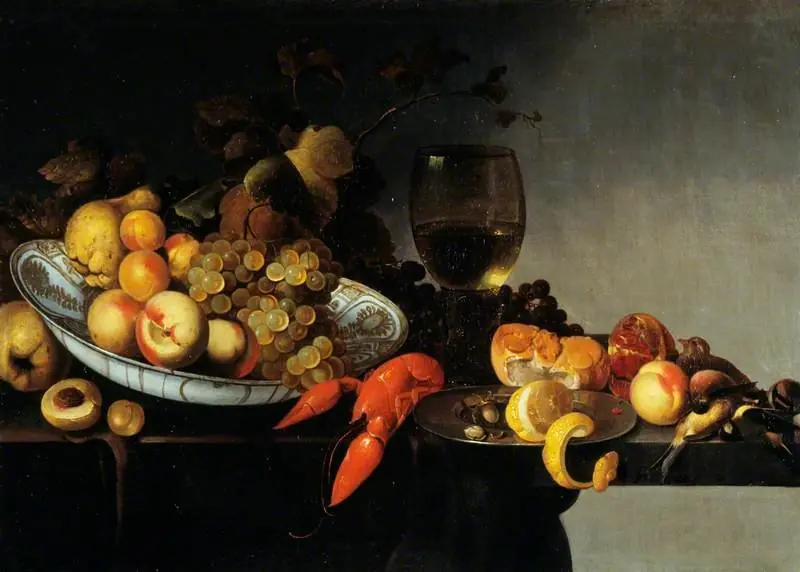 Still Life with Fruit, a Lobster and Dead Game
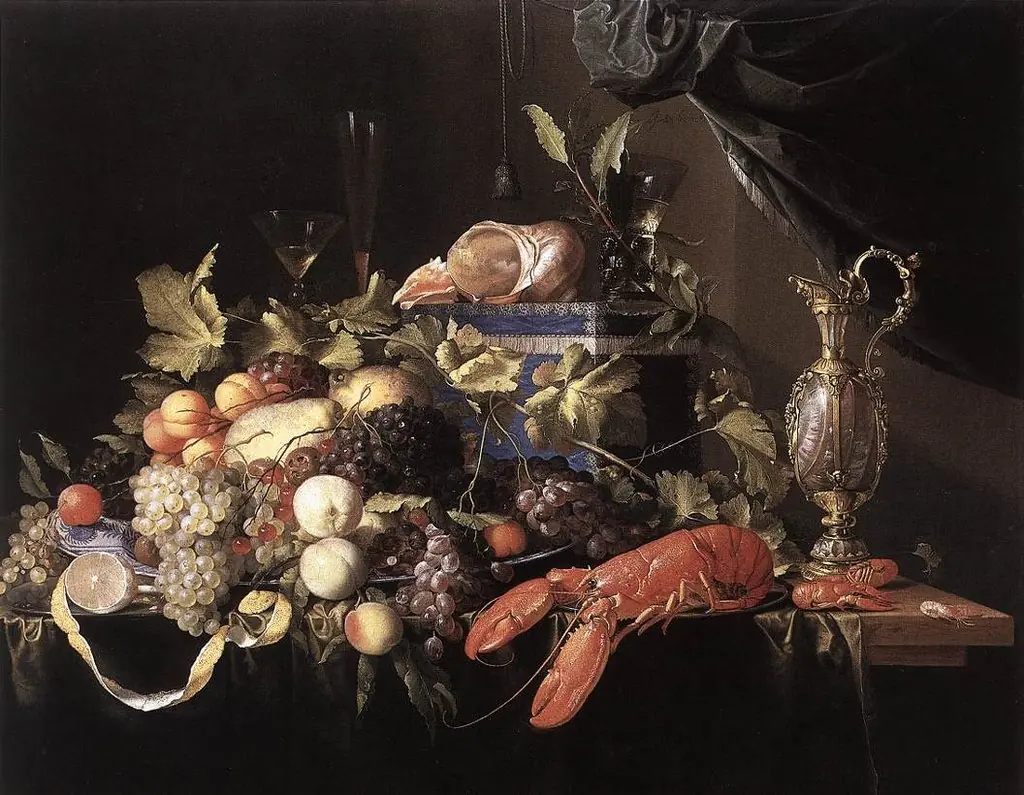 Still Life with Fruit and Lobster
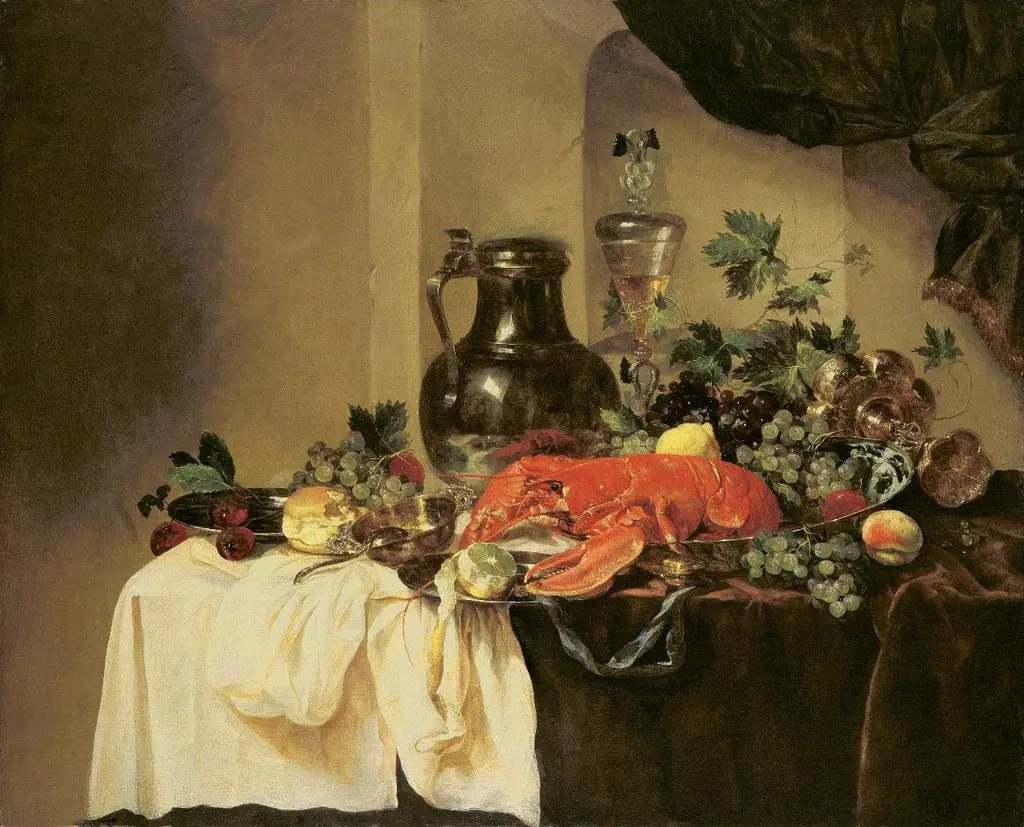 Stillleben mit Hummer und grosser Zinnkanne
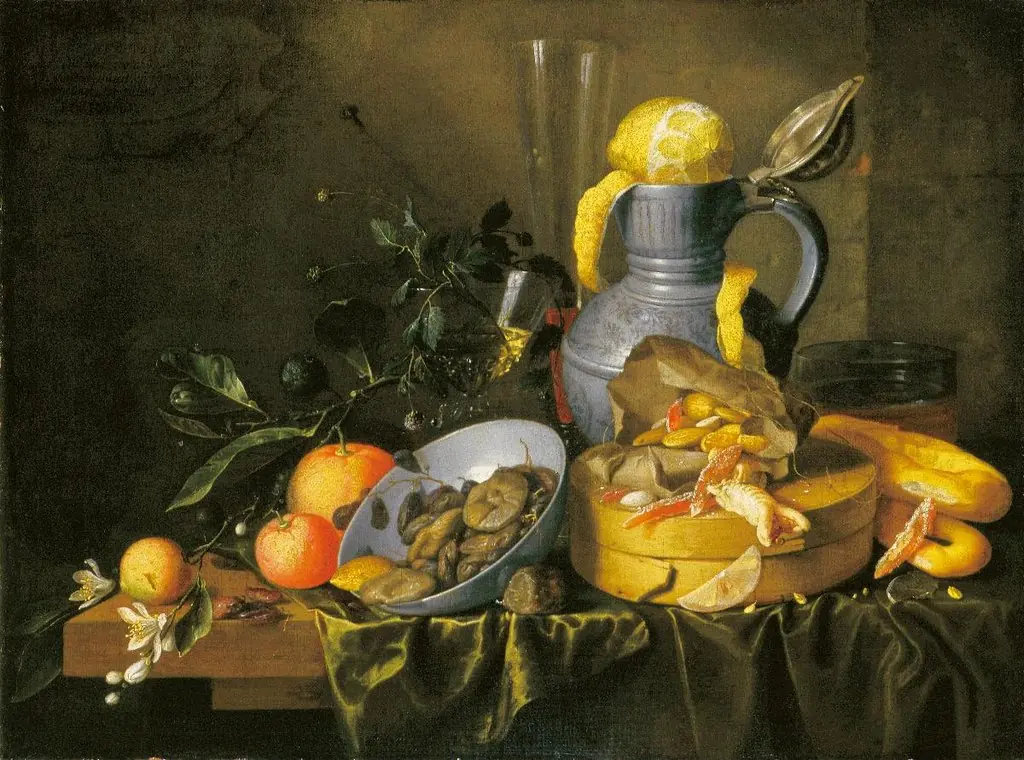 Stillleben mit Sinnspruch und Fastenspeisen