Artwork
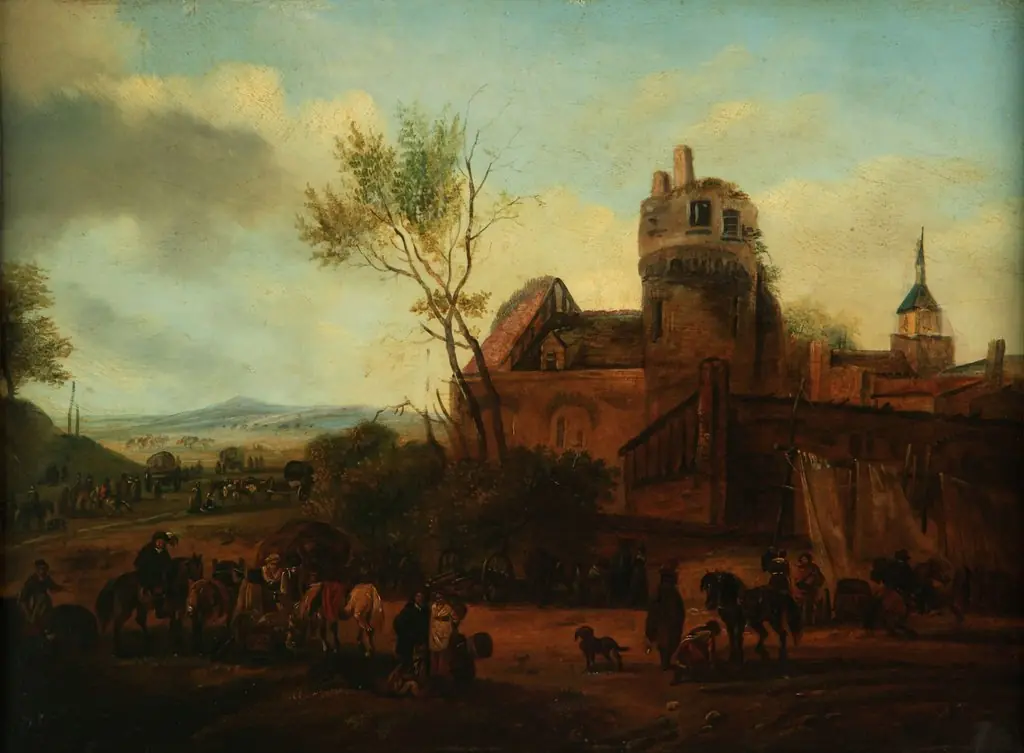
Countryside landscape with peasants
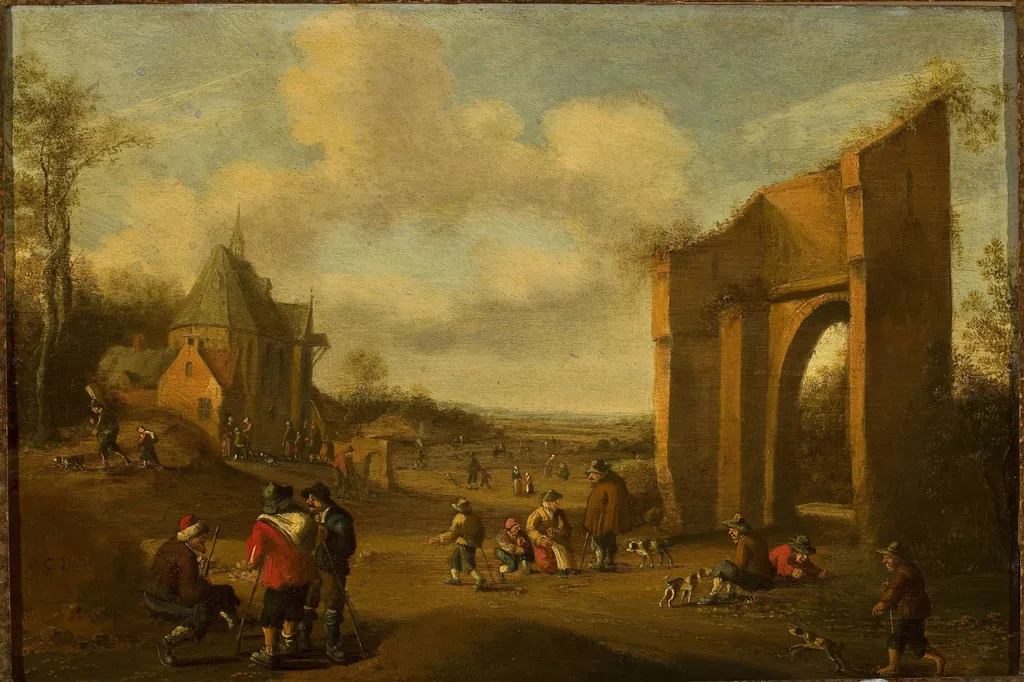
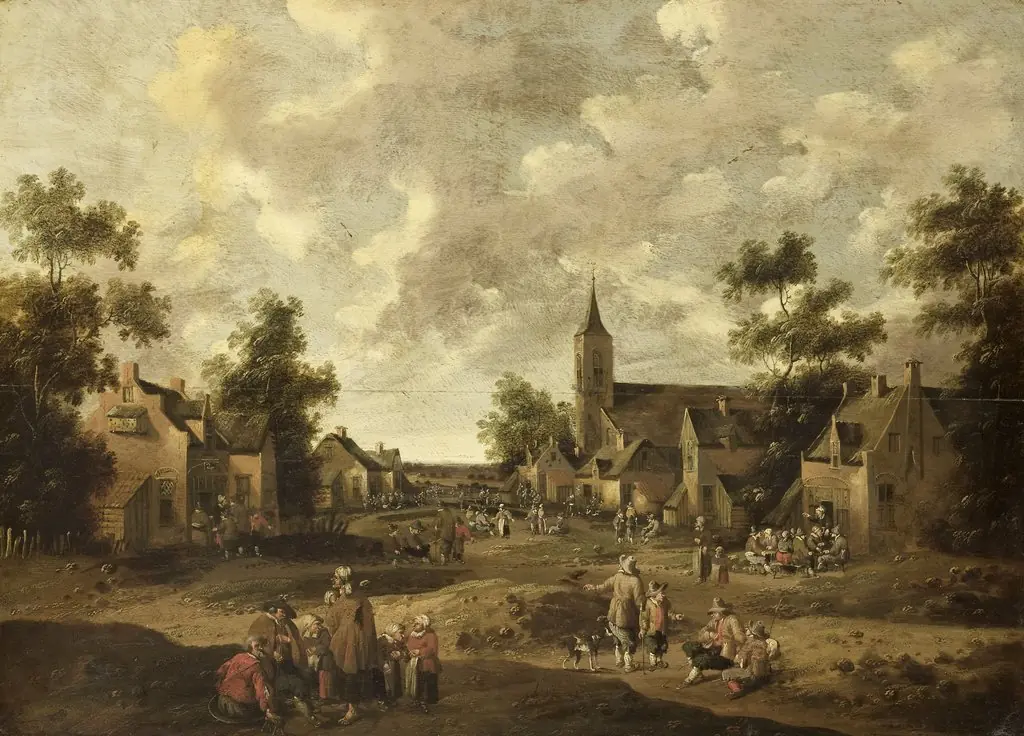
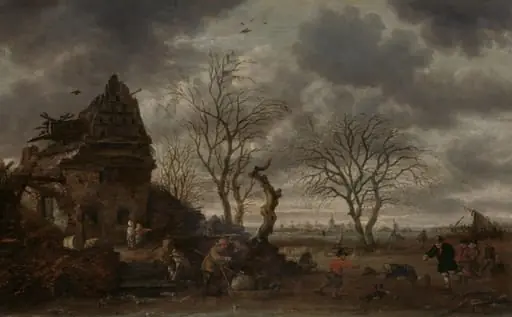
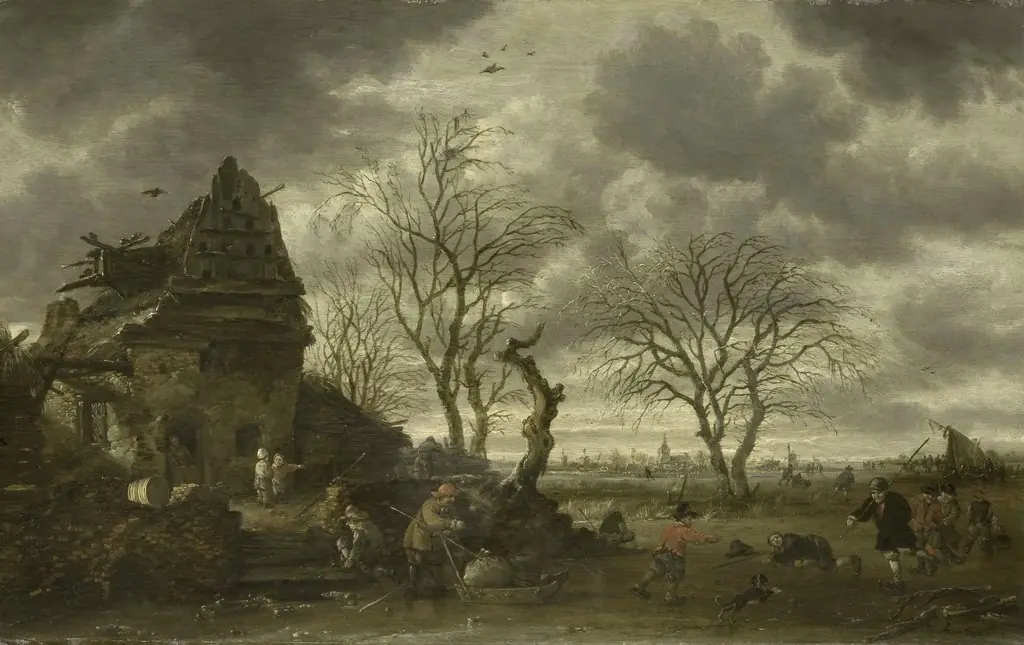
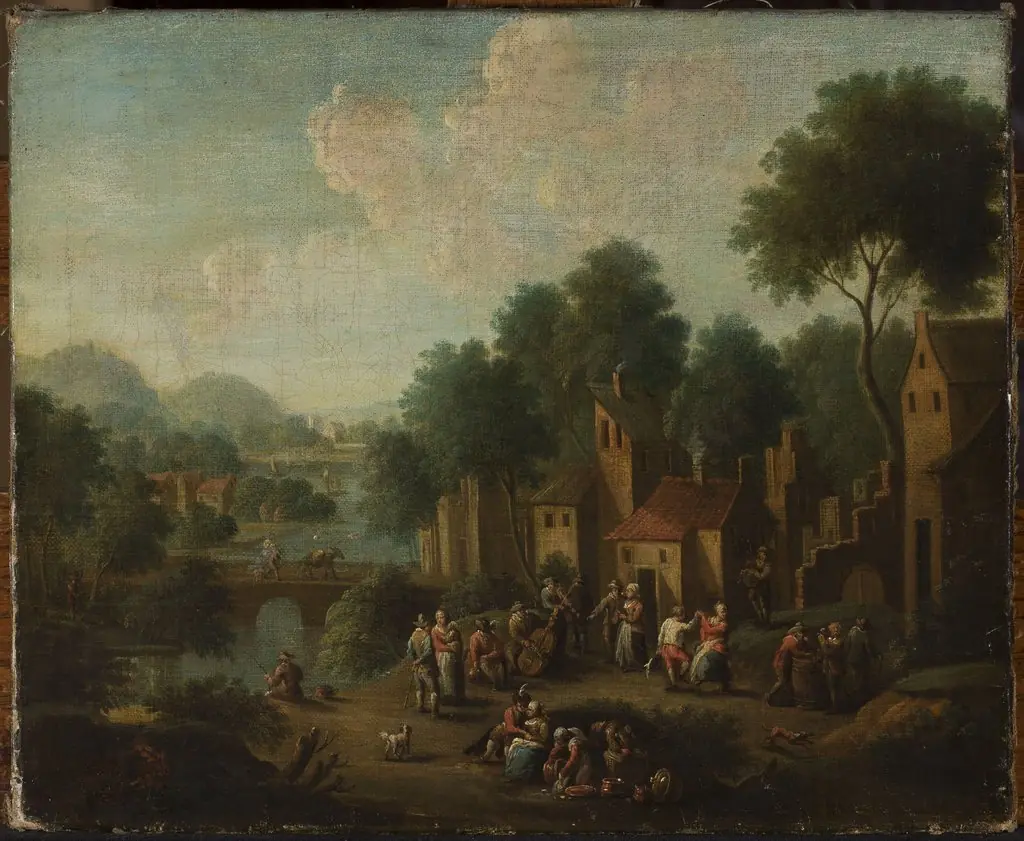
Countryside landscape with peasants is an oil painting by the Dutch Golden Age artist Cornelis Droochsloot. It dates from 1667 and is held in the collection of the National Museum in Warsaw.
About this work
Overview
The painting is part of the National Museum in Warsaw’s collection, reflecting the period’s interest in everyday life and natural surroundings.
Painted around 1667, this oil-on-canvas work by Cornelis Droochsloot captures a quiet rural scene in the Dutch countryside. A pupil and son of the painter Joost Cornelisz Droochsloot, he specialized in genre scenes and landscapes typical of the Dutch Golden Age. The painting is part of the National Museum in Warsaw’s collection, reflecting the period’s interest in everyday life and natural surroundings.
Subject & Meaning
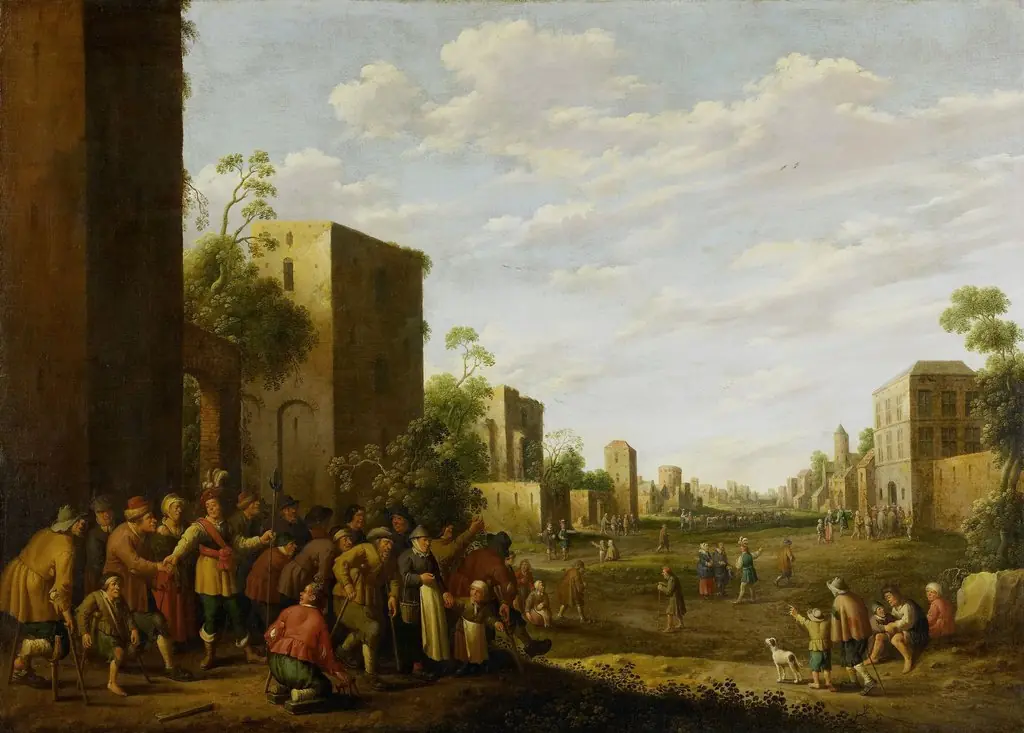
The scene centers on a group of peasants gathered near a crumbling stone structure with an arched entrance, suggesting a former chapel or farmstead. Figures rest, converse, and tend to dogs, conveying a moment of pause in labor. The contrast between the intimate human activity in the foreground and the distant, quiet church and buildings evokes a sense of transience—human presence amid enduring, decaying architecture.
Technique & Style
Droochsloot employed subtle tonal gradations and careful attention to light to distinguish foreground figures from the hazy background. The brushwork is precise yet unobtrusive, favoring naturalism over drama. While not overtly using chiaroscuro, the painting relies on atmospheric perspective and muted color to create spatial depth, aligning with the restrained realism common among Utrecht genre painters of the era.
History & Provenance
The painting entered the National Museum in Warsaw’s collection in the 20th century, though its earlier ownership remains undocumented. It likely passed through private Dutch collections before being acquired by the museum. Its survival through centuries of political change underscores its quiet endurance as a record of rural life, rather than a celebrated work of its time.
Context
Created during the Dutch Golden Age, the painting reflects a broader cultural shift toward secular, everyday subjects. Unlike religious or mythological themes, scenes like this celebrated ordinary rural existence, often commissioned by urban merchants seeking connection to the land. Utrecht artists, including Droochsloot, contributed to this trend with detailed, unidealized depictions of peasant life and landscape.
Legacy
Though not widely known today, Droochsloot’s work exemplifies the quiet, observational approach of mid-17th-century Dutch genre painting. His focus on unheroic moments and decaying architecture influenced later regional painters who valued authenticity over spectacle. The painting remains a modest but valuable document of rural Dutch life during a period of economic and artistic flourishing.
Artist & collection
Artist
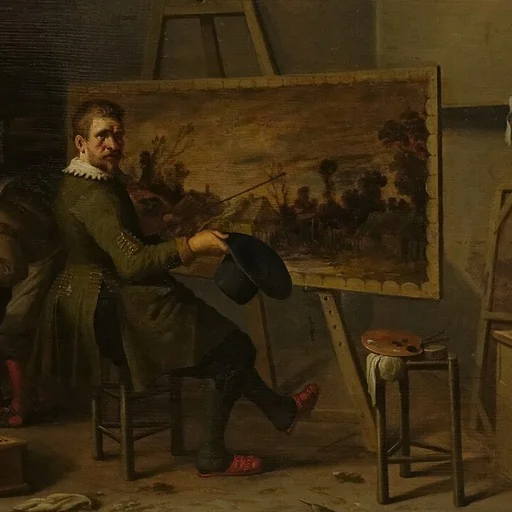
Cornelis Droochsloot (c. 1640 in Utrecht – after 1673 in Utrecht) was a Dutch Golden Age painter. According to the RKD he was the son and pupil of Joost Cornelisz Droochsloot and is known for genre works, landscapes and farm scenes.