Artwork
A boy drinking
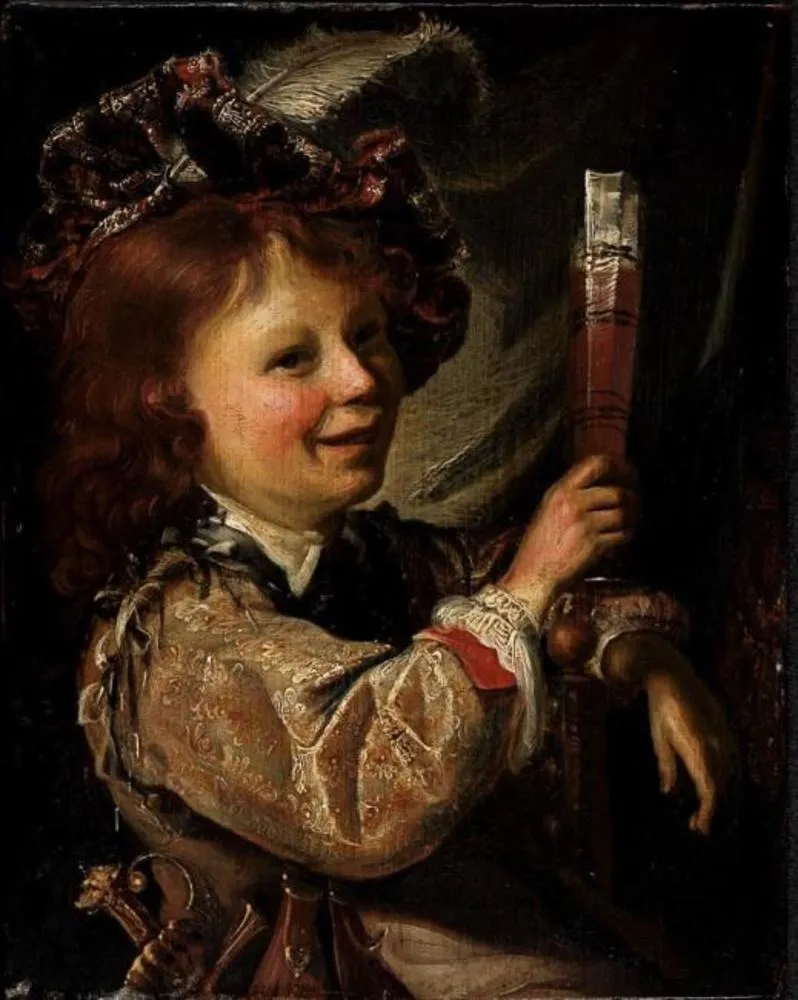
A boy drinking is an oil painting by the Dutch Golden Age artist Cornelis Picolet. It dates from 1660 and is held in the collection of the Fitzwilliam Museum.
About this work
Overview
Painted in 1660 by Cornelis Picolet, this oil portrait captures a young boy in the act of drinking. The work is part of the Fitzwilliam Museum’s collection and exemplifies Dutch genre painting of the mid-seventeenth century. Its intimate scale and focused composition reflect a trend toward quiet, everyday moments rather than grand historical or religious themes.
Subject & Meaning
The boy, dressed in period clothing with a hat and lace-trimmed shirt, is depicted mid-sip, his gaze fixed on the glass in his hand. His expression suggests attentiveness, perhaps to the taste, temperature, or purity of the liquid. The scene avoids narrative drama, instead emphasizing a private, contemplative instant—common in Dutch domestic scenes that valued observation over spectacle.
Technique & Style
Picolet employs a dark, unmodeled background to isolate the figure, drawing focus to the boy’s face and the glass. Subtle contrasts of light and shadow, reminiscent of Rembrandt’s chiaroscuro, model the boy’s features without theatricality. The brushwork is precise in rendering textures—lace, hair, and glass—yet restrained, avoiding embellishment in favor of quiet realism.
History & Provenance
The painting has been in the Fitzwilliam Museum’s collection since its founding in the 19th century, though its earlier ownership remains undocumented. It was likely acquired as part of a broader collection of Dutch Golden Age works. No records indicate it was commissioned or publicly exhibited before entering the museum’s holdings.
Context
In 17th-century Holland, genre scenes of ordinary life gained popularity among the middle class. Artists like Picolet, working outside the major centers, often emulated the lighting and intimacy of Rembrandt and his circle. This painting reflects a broader cultural interest in personal moments, rendered with technical care but without idealization.
Legacy
Though Picolet is not widely known today, this work survives as a modest example of regional Dutch portraiture. It contributes to the understanding of how lesser-known artists adapted prevailing styles to depict domestic subjects. Its preservation in a major museum underscores the value placed on such quiet, observational works within the canon of Dutch art.
Artist & collection

 The Shepherdess's Song
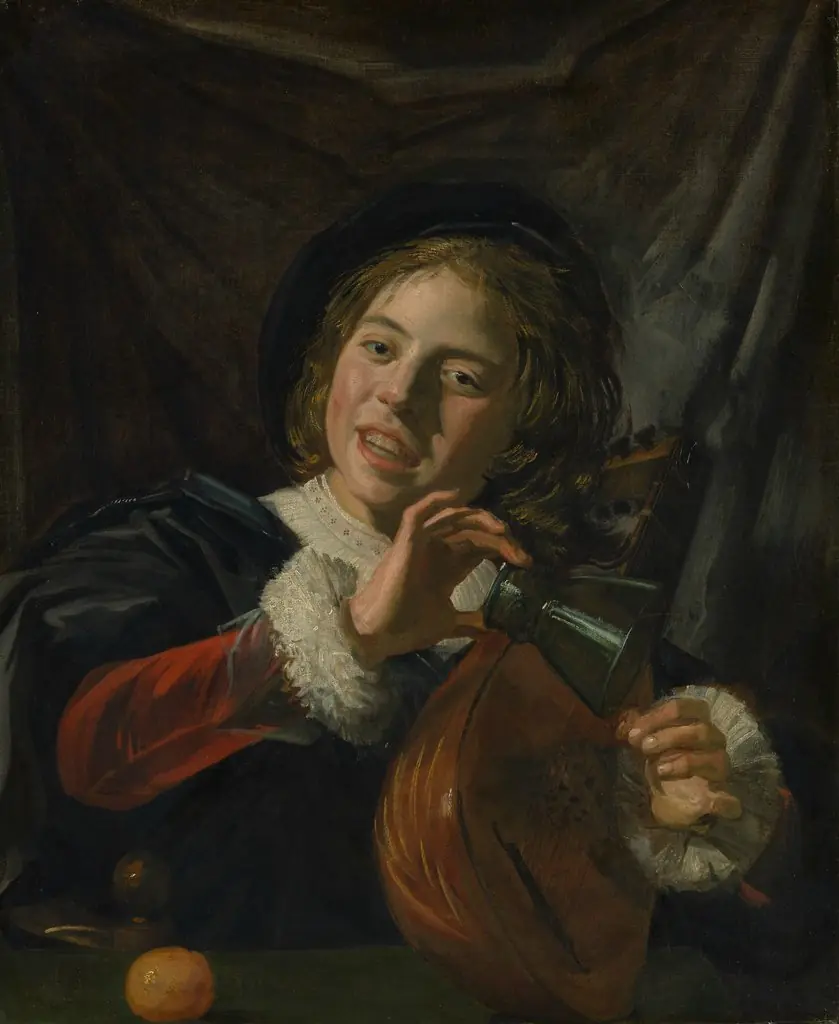 Boy with a Lute
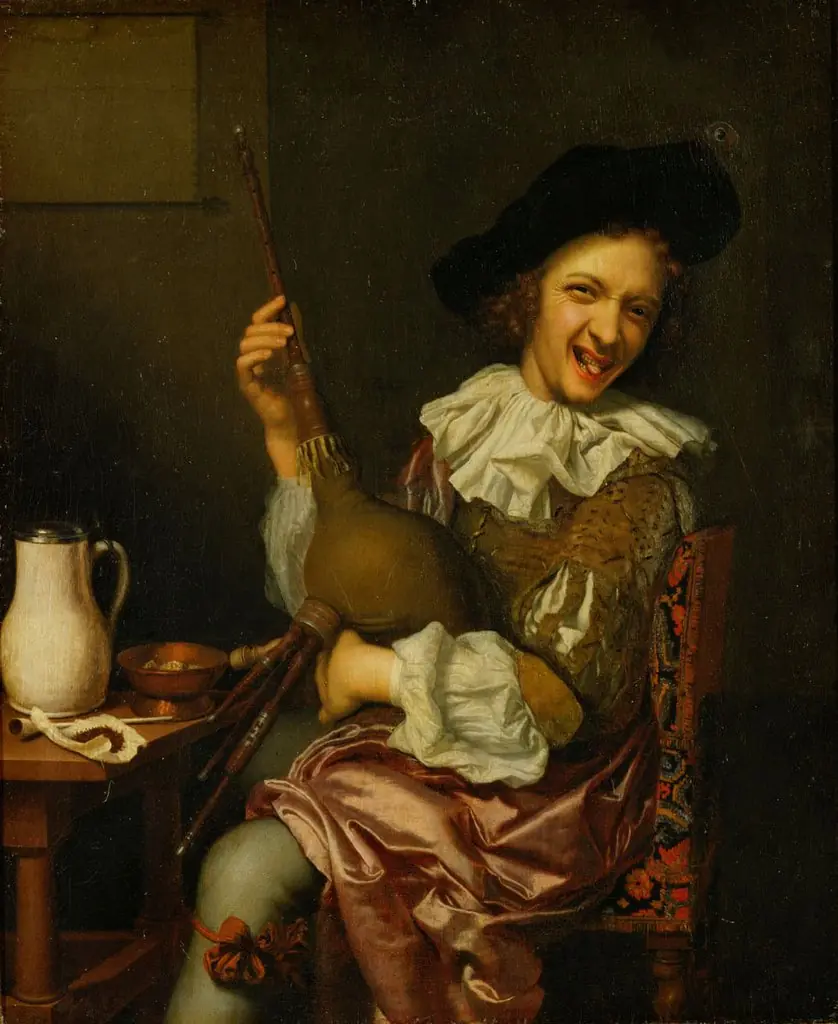 Dudelsackpfeifer
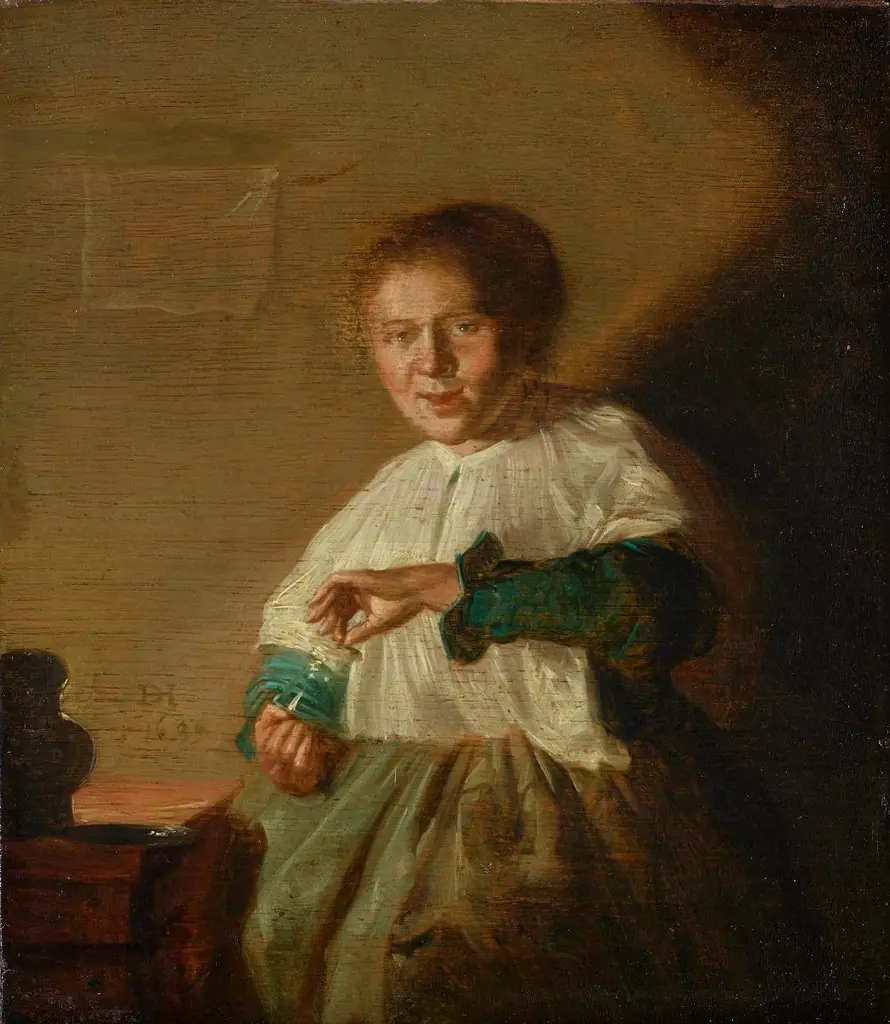 Die Nagelprobe
 Portrait of a Boy holding a Basket of Fruit
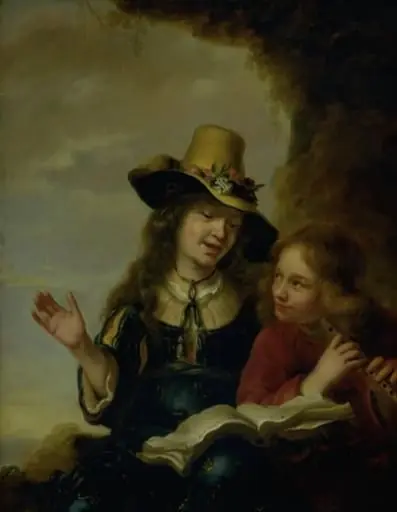 The Shepherdess's Song
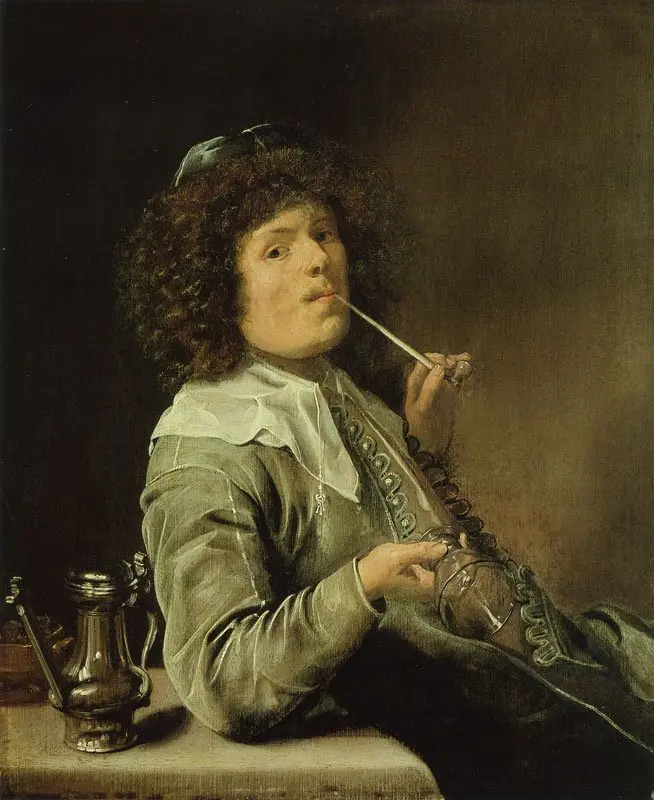 A smoking man with an empty wine glass
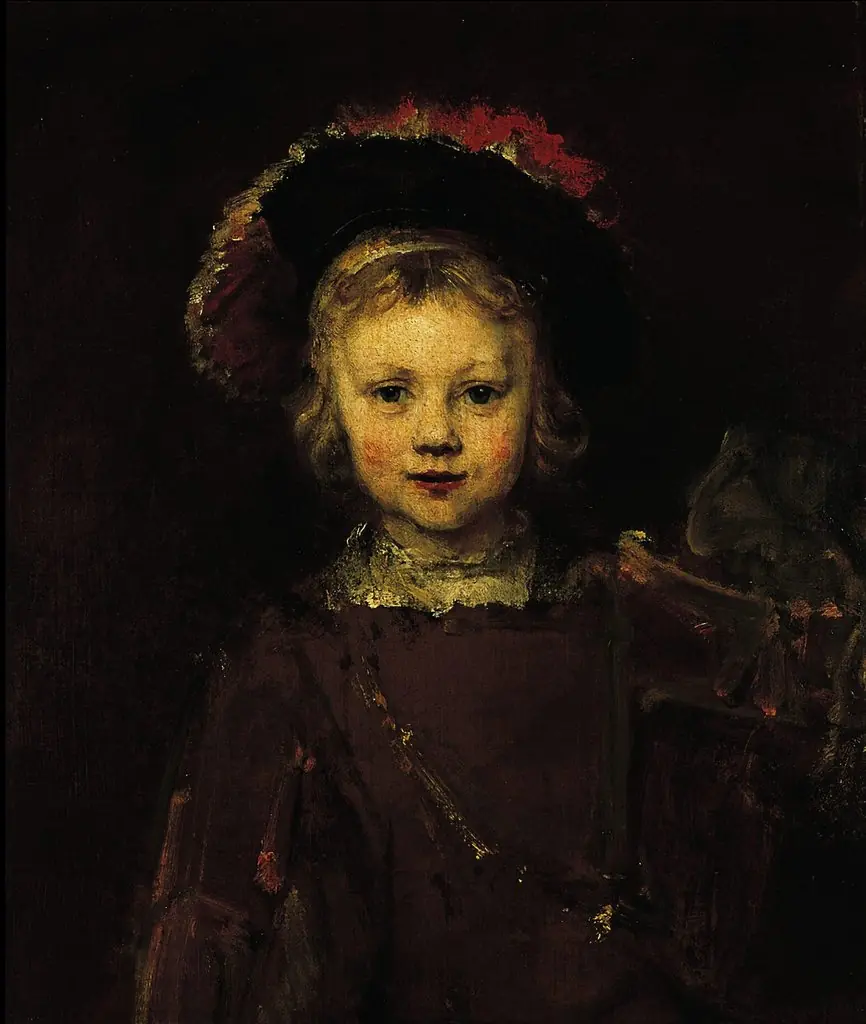 Unfinished Portrait of a Boy
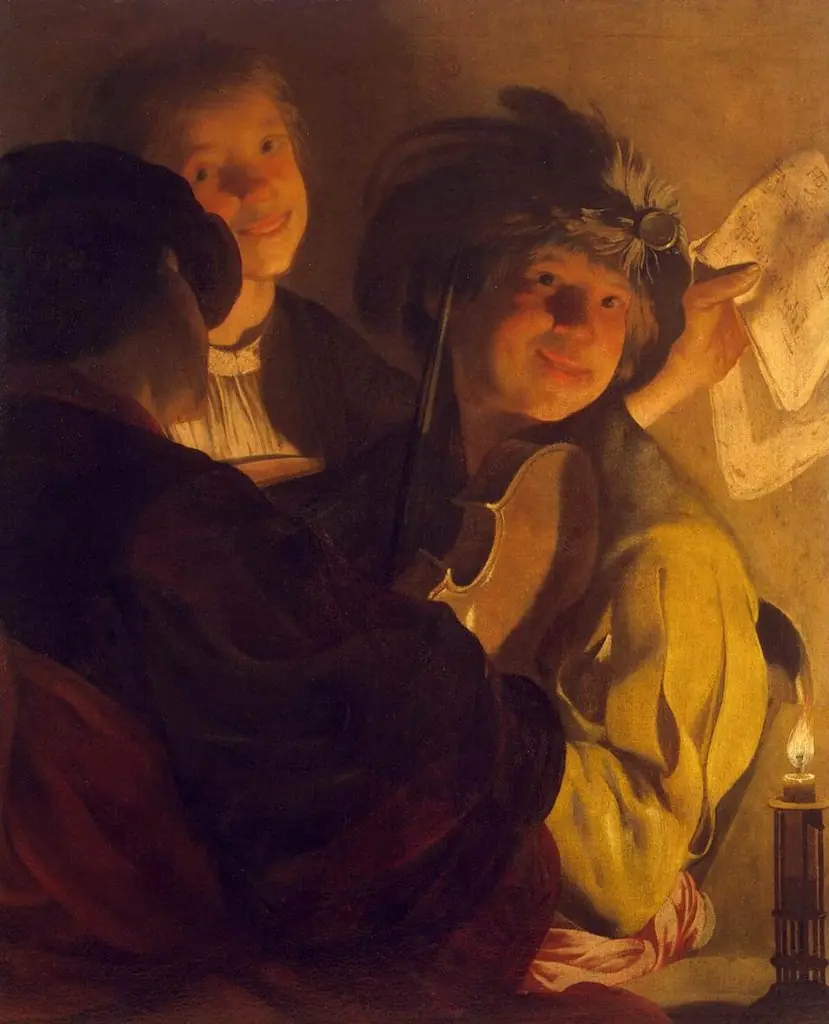 Concert
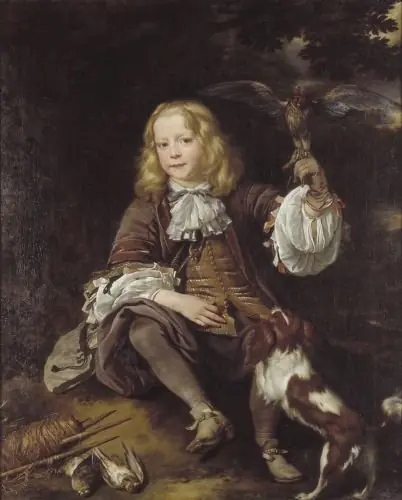 Portrait of Cornelis van Groenendyck (1658-1704)
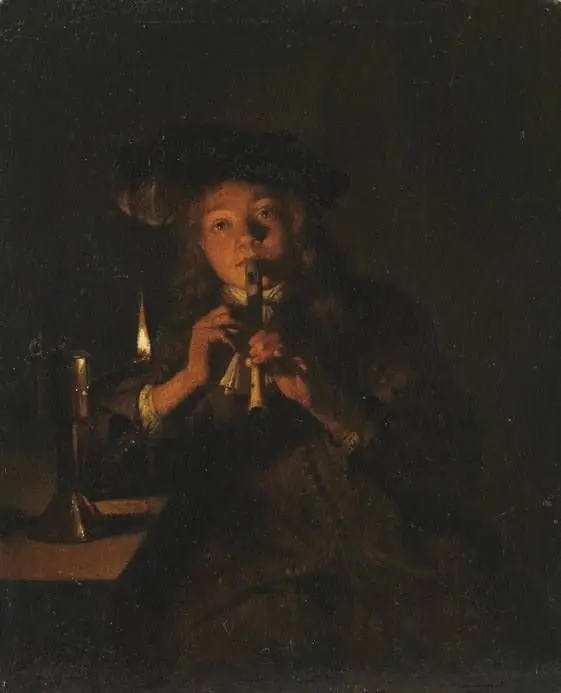 Boy Playing the Flute by Lamplight
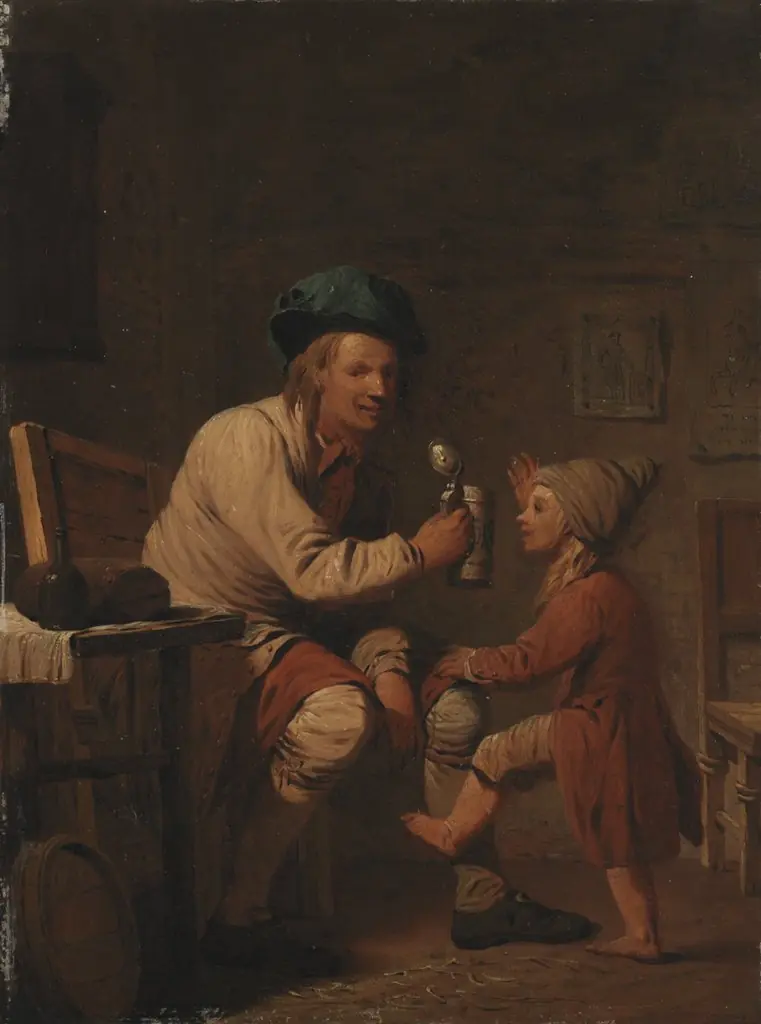 A Peasant Giving his Son Something to Drink