Artwork
Pontus Fredrik De la Gardie, 1630-1692, count, baron, national council, general governor, president, married to Countess Beata Elisabet von Königsmarck
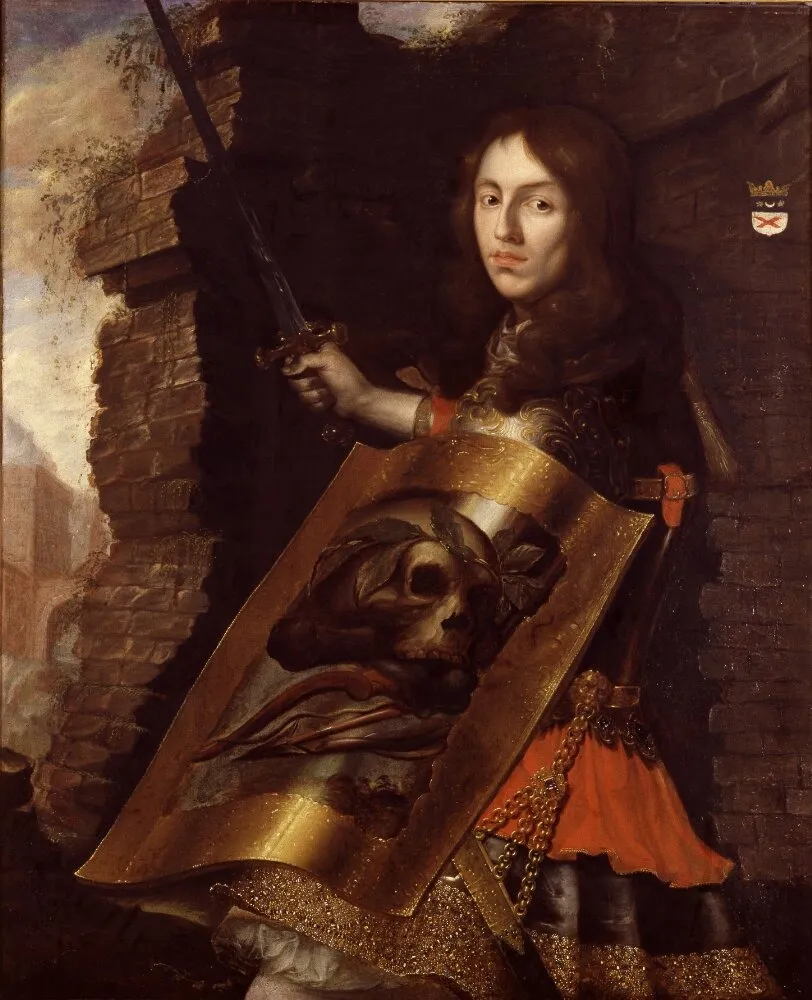
Pontus Fredrik De la Gardie, 1630-1692, count, baron, national council, general governor, president, married to Countess Beata Elisabet von Königsmarck is an oil painting by the Flemish Baroque painting artist Cornelis Picolet. It dates from 1650 and is held in the collection of the Nationalmuseum. This oil portrait, dated around 1650, depicts Pontus Fredrik De la Gardie, a Swedish nobleman and high-ranking official.
About this work
Overview
The work is part of the Nationalmuseum’s collection in Stockholm, where it remains a representative example of mid-17th-century Swedish portraiture.
This oil portrait, dated around 1650, depicts Pontus Fredrik De la Gardie, a Swedish nobleman and high-ranking official. Painted by Cornelis Picolet, it captures the subject in full ceremonial dress, emphasizing his status through attire and symbolic objects. The work is part of the Nationalmuseum’s collection in Stockholm, where it remains a representative example of mid-17th-century Swedish portraiture.
Subject & Meaning
De la Gardie is portrayed as a man of authority, his posture rigid and gaze direct, conveying duty and resolve. The sword and shield he holds signify military leadership and defense of the realm. The shield bears a skull encircled by a laurel wreath—a memento mori suggesting the transient nature of power, even as the subject asserts his enduring position within the state hierarchy.
Technique & Style
Picolet employs a restrained palette dominated by deep reds, golds, and dark tones to highlight the subject’s garments. The brushwork is precise, particularly in rendering fabric textures and metallic details. The brick wall background and faint sky suggest a partial architectural setting, grounding the figure in a tangible space while avoiding distraction, reinforcing the portrait’s formal gravity.
History & Provenance
Commissioned during De la Gardie’s tenure as governor and councilor, the portrait likely served to affirm his political stature. It entered the Nationalmuseum’s holdings in the 19th century, following the consolidation of Swedish noble collections. Its continuous preservation reflects its significance as a document of aristocratic identity in Sweden’s imperial era.
Context
Painted during Sweden’s rise as a Northern European power, the portrait aligns with a tradition of depicting state officials as embodiments of order and martial virtue. De la Gardie’s marriage into the Königsmarck family, a prominent noble lineage, further situates him within networks of influence. Such portraits functioned as both personal commemoration and public assertion of loyalty to the crown.
Legacy
The portrait endures as a quiet testament to the visual language of Swedish nobility in the 17th century. While Picolet’s broader oeuvre remains less studied, this work exemplifies how portraiture was used to encode political identity through symbolism and demeanor. It continues to inform scholarly understanding of elite self-representation during Sweden’s Age of Greatness.
Artist & collection

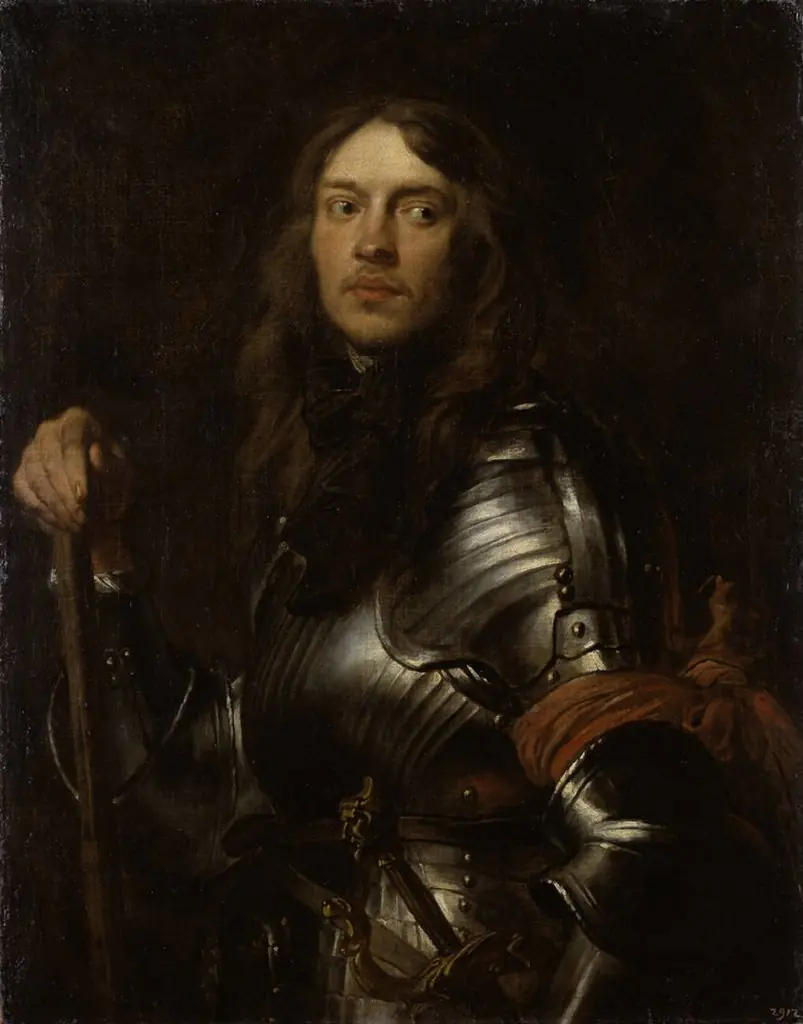 Portrait of a Man in Armour with a Red Scarf
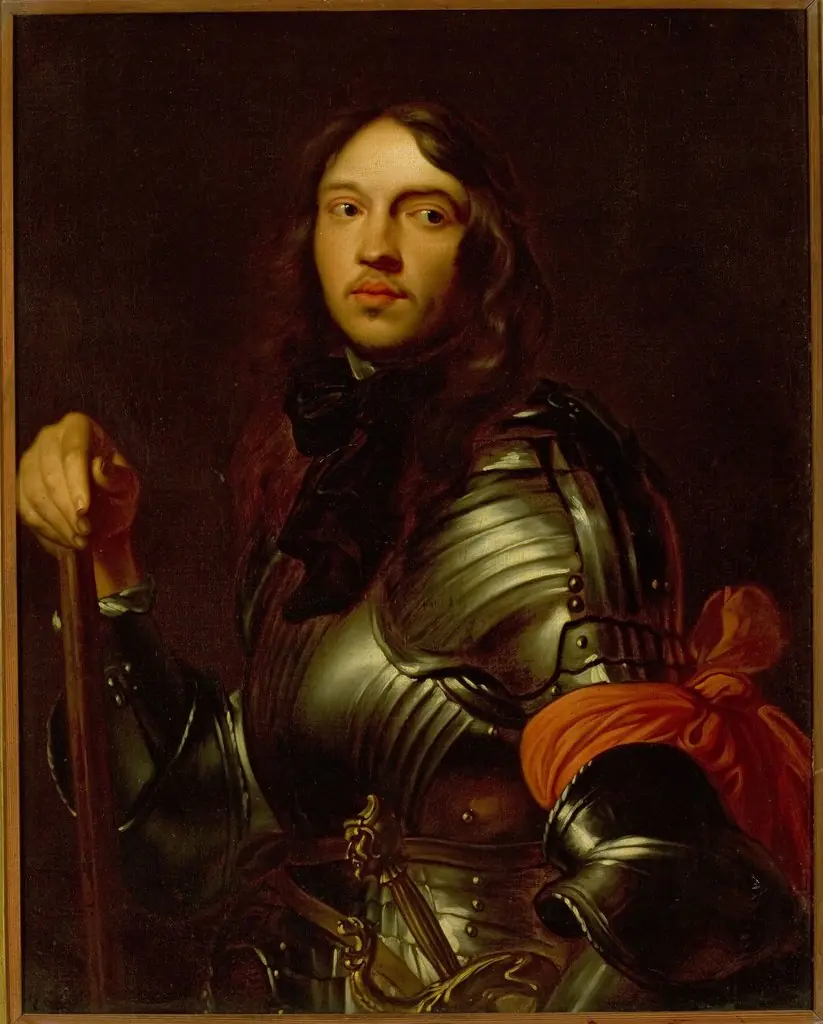 Portrait of a young man in armour
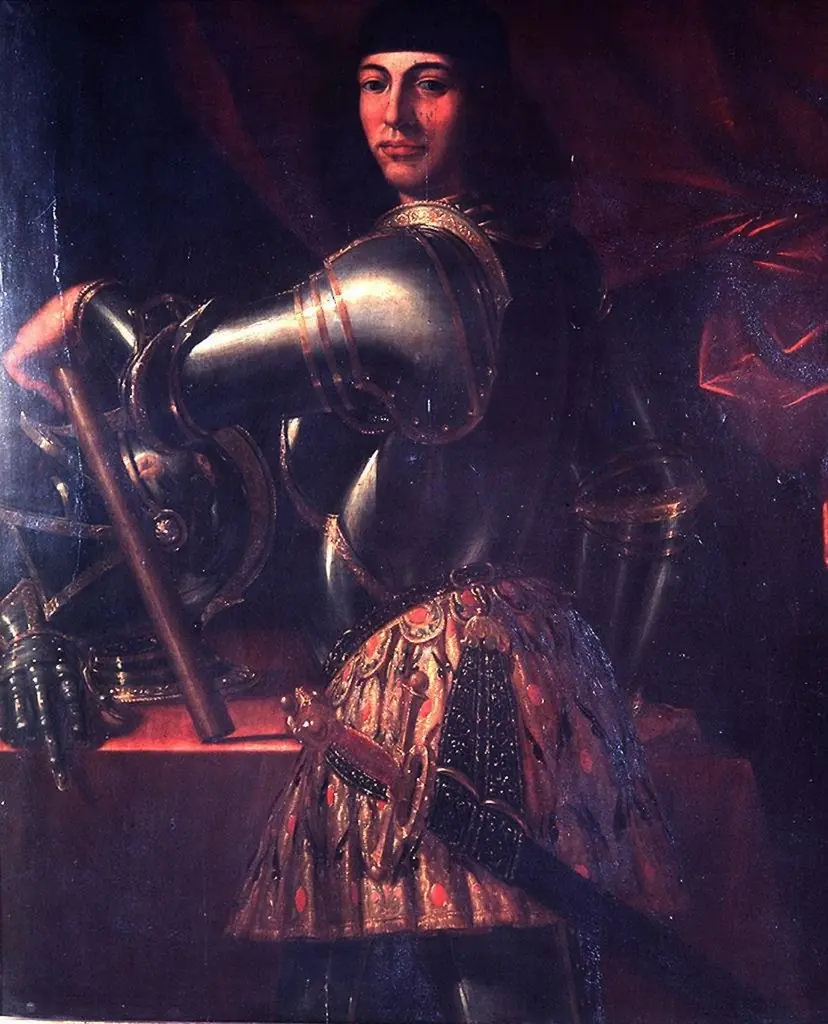 Portrait of Piero di Lorenzo de' Medici
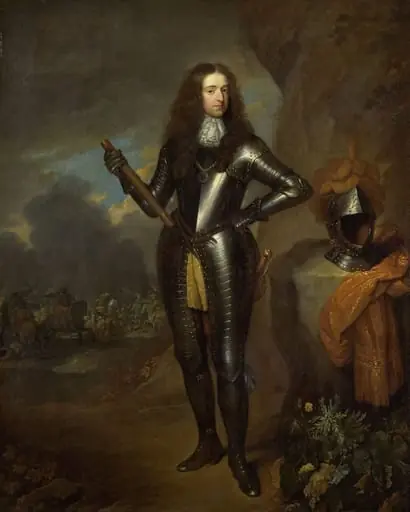 William III (1650-1702), Prince of Orange and since 1689, King of England
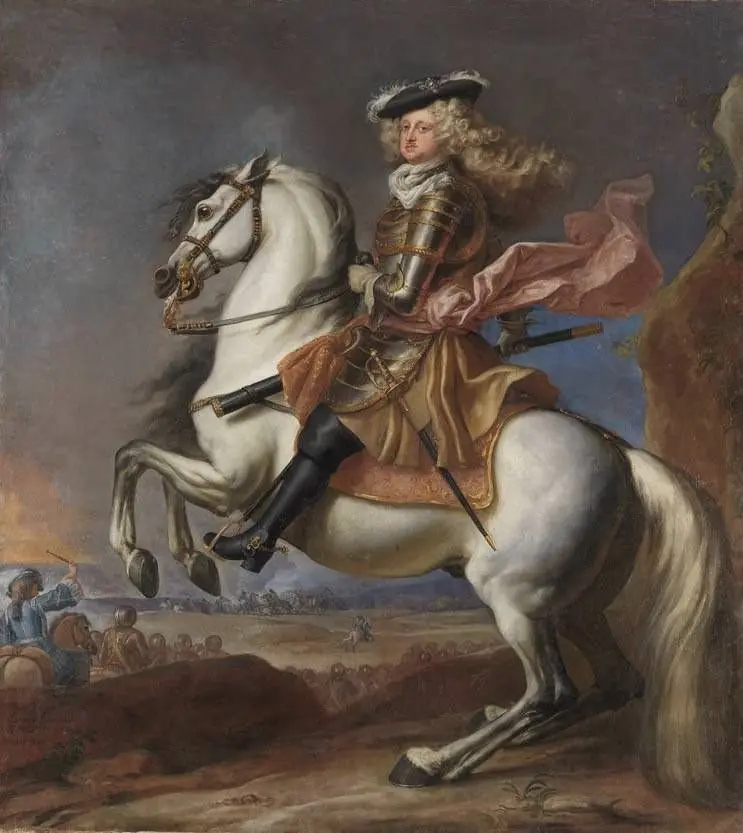 Kurfürst Johann Wilhelm zu Pferde
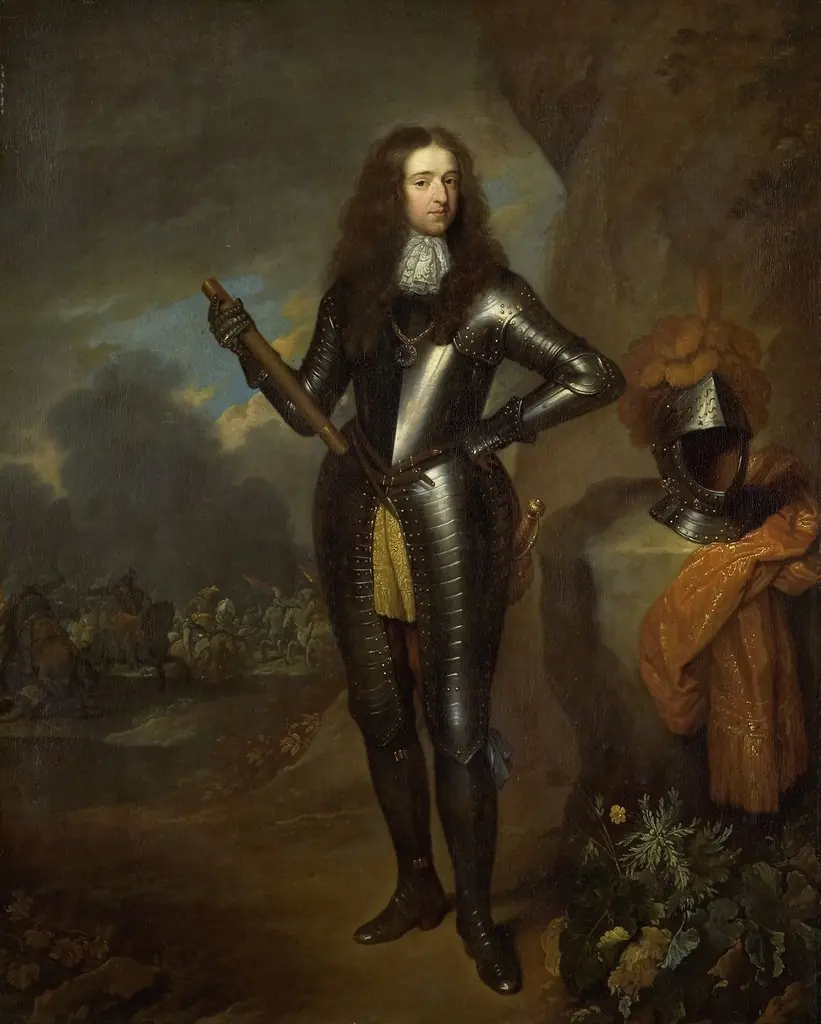 William III (1650-1702), Prince of Orange and since 1689, King of England
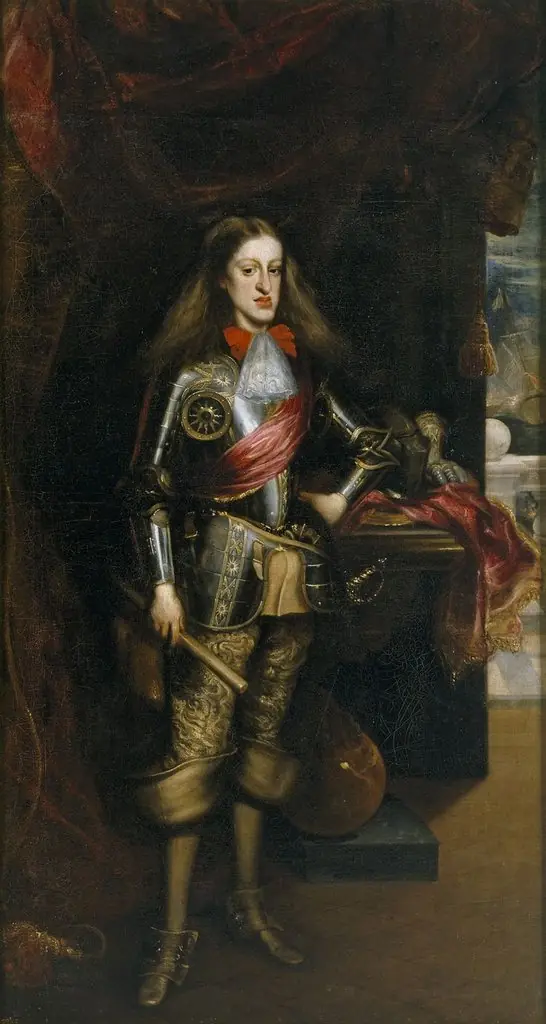 Charles II in armour
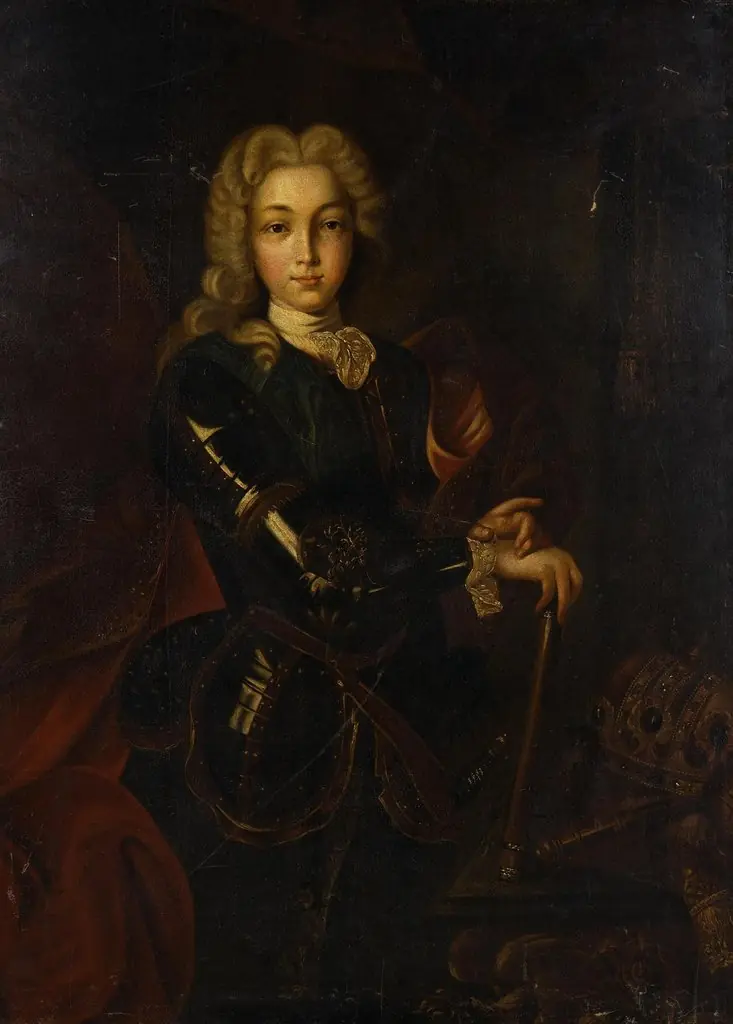 Portrait of Peter II
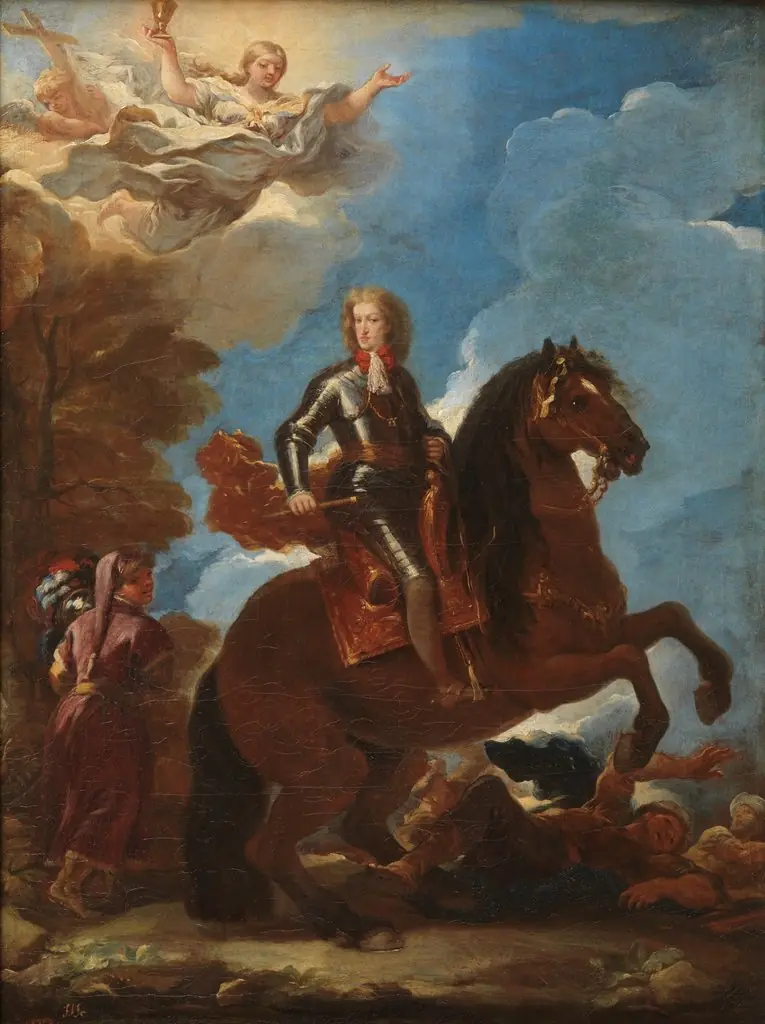 Charles II, King of Spain, on Horseback
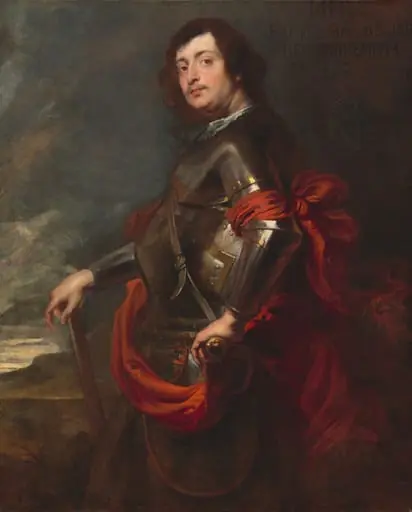 The Prefect Raffaele Raggi
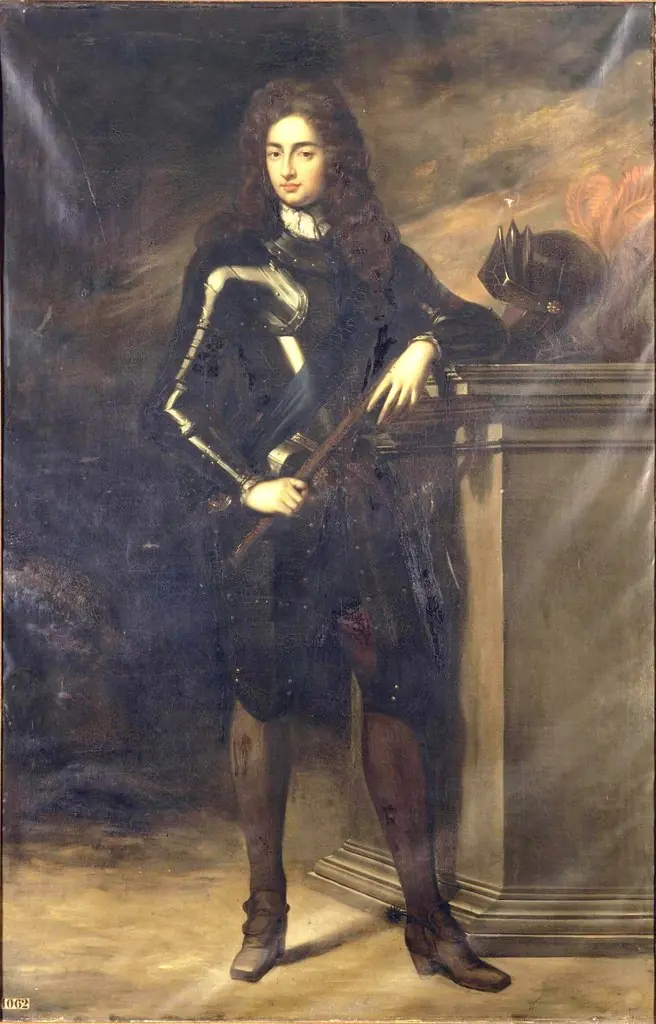 Portrait of James FitzJames, 1st Duke of Berwick
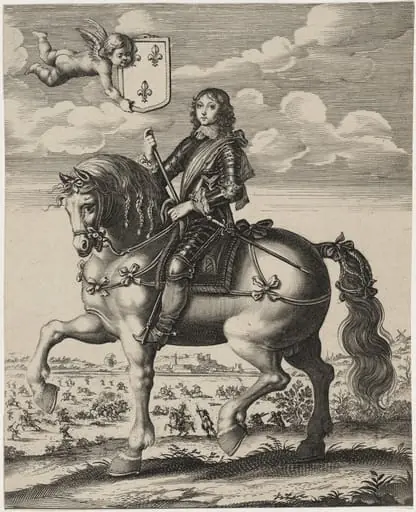 Philip, Duc d'Orléans, Brother of Louis XIV