Artwork
Christ at the column
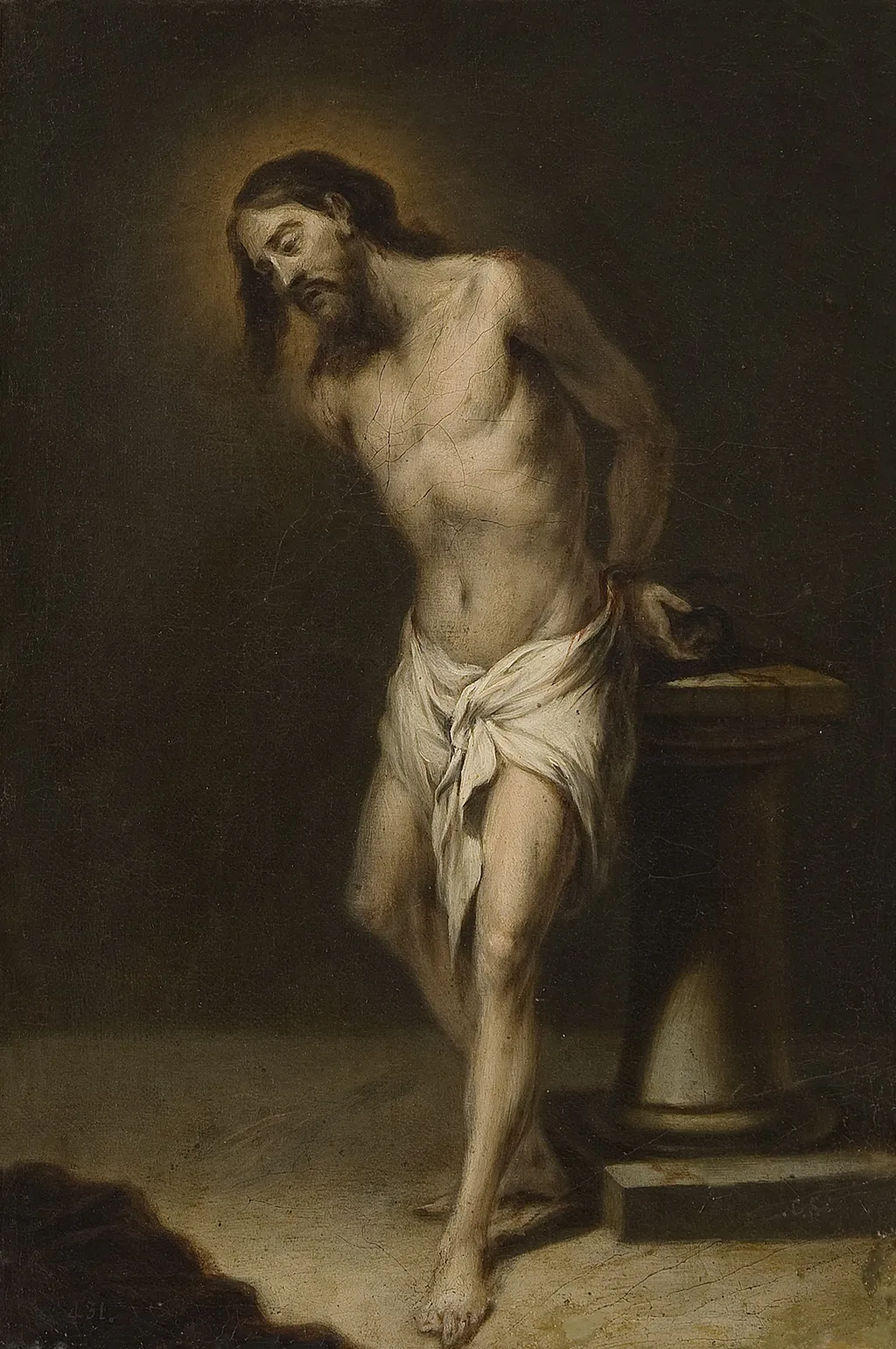
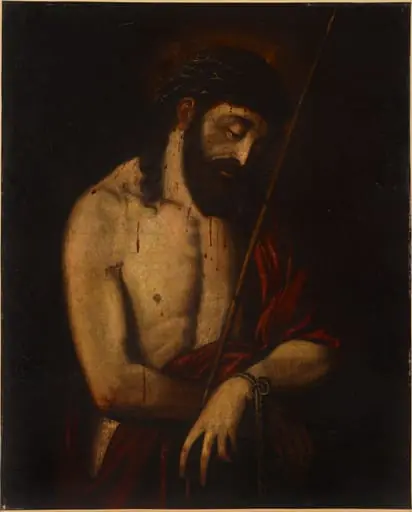
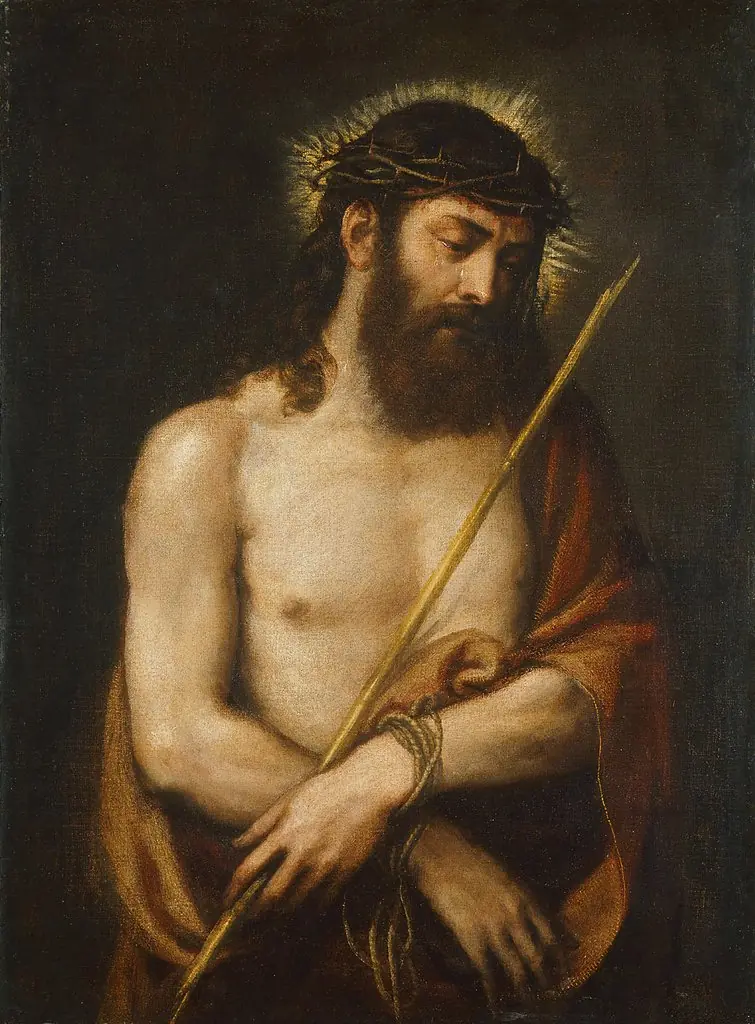
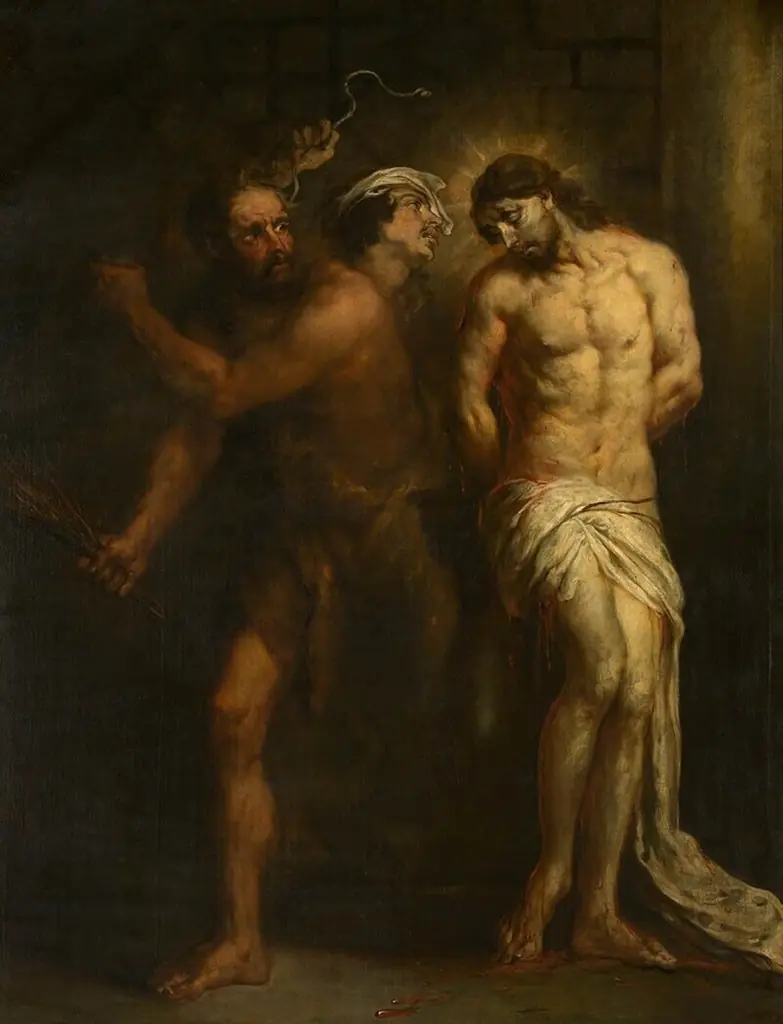
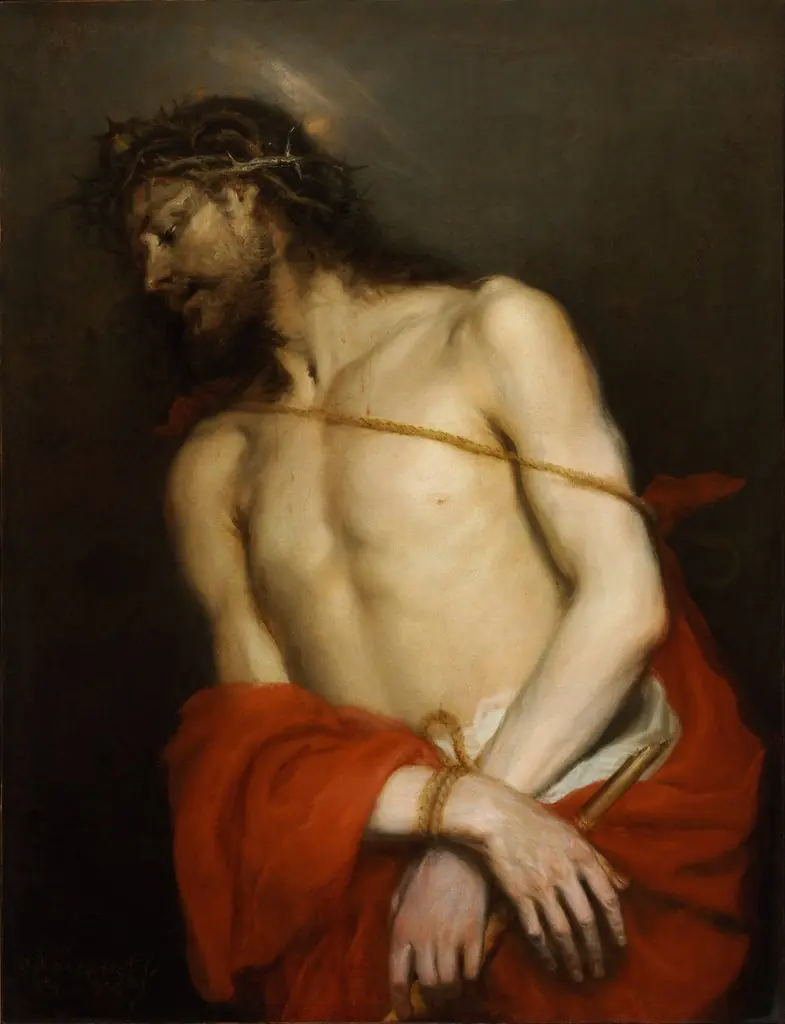
Christ at the column is an oil painting by the Flemish Baroque painting artist Cornelis Schut III. It dates from 1665 and is held in the collection of the Museo del Prado.
About this work
Overview
Cornelis Schut III, a Flemish artist who worked in Seville during the mid‑17th century, painted *Christ at the Column* in 1665 with oil on canvas. The work belongs to the Flemish Baroque tradition and is part of the Prado Museum’s collection.
Subject & Meaning
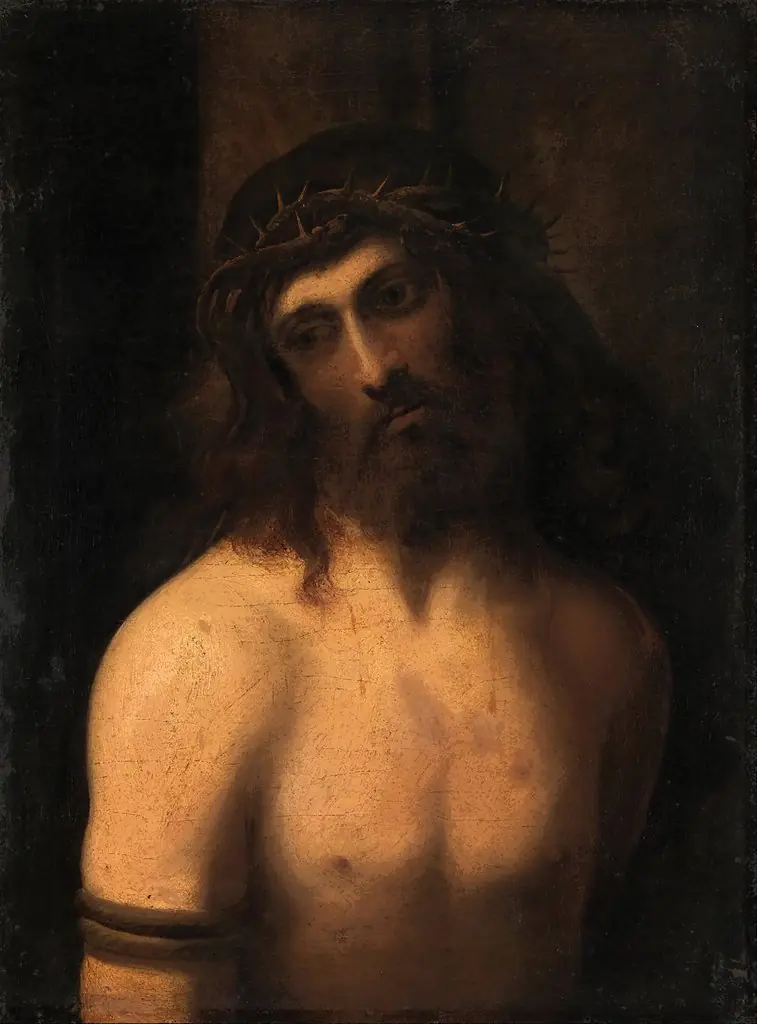
The composition presents a partially nude figure of Jesus leaning against a short column, his head bowed beneath a crown of thorns. The subdued posture and the stark lighting emphasize the moment of physical and spiritual suffering associated with the flagellation episode of the Passion.
Technique & Style
Schut employs a pronounced chiaroscuro, allowing the illuminated flesh and the stone column to emerge from a deep, shadowy background. The brushwork is smooth in the flesh tones, while the floor is rendered with a coarse, textured surface, creating a tactile contrast typical of Flemish Baroque painting.
History & Provenance
Created in 1665, the painting remained in private hands before entering the Museo del Prado, where it is displayed as part of the museum’s Spanish Baroque holdings. Its provenance reflects the artist’s reputation among the expatriate Flemish community in Seville.
Context
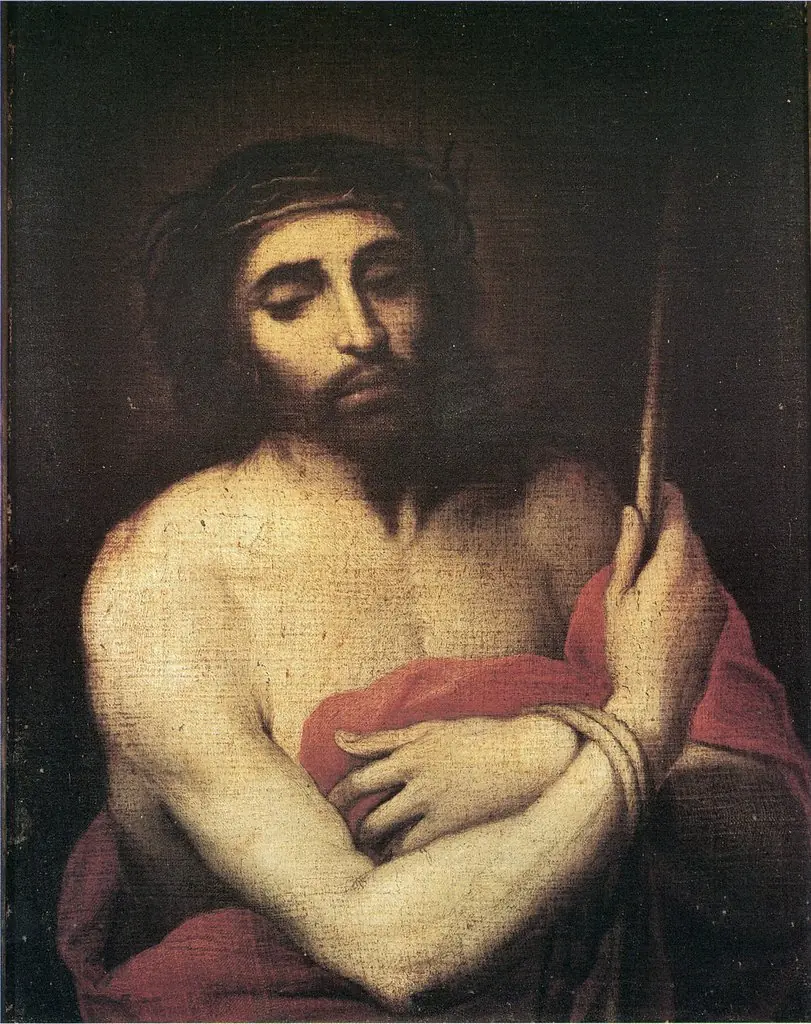
Schut’s style shows a clear affinity with the Sevillian painter Bartolomé Esteban Murillo, whose gentle realism also informed religious genre scenes of the period. The work illustrates the broader 17th‑century trend of dramatizing biblical narratives through intimate, emotionally charged portrayals.
Own this work as a print
Artist & collection
Artist
Cornelio Schut or Cornelis Schut III (alternative names: Cornelis Escut III, Cornelis Scut III, Cornelio Schut el Mozo, Cornelio Schut el joven) (c.