Artwork
Ecce Homo
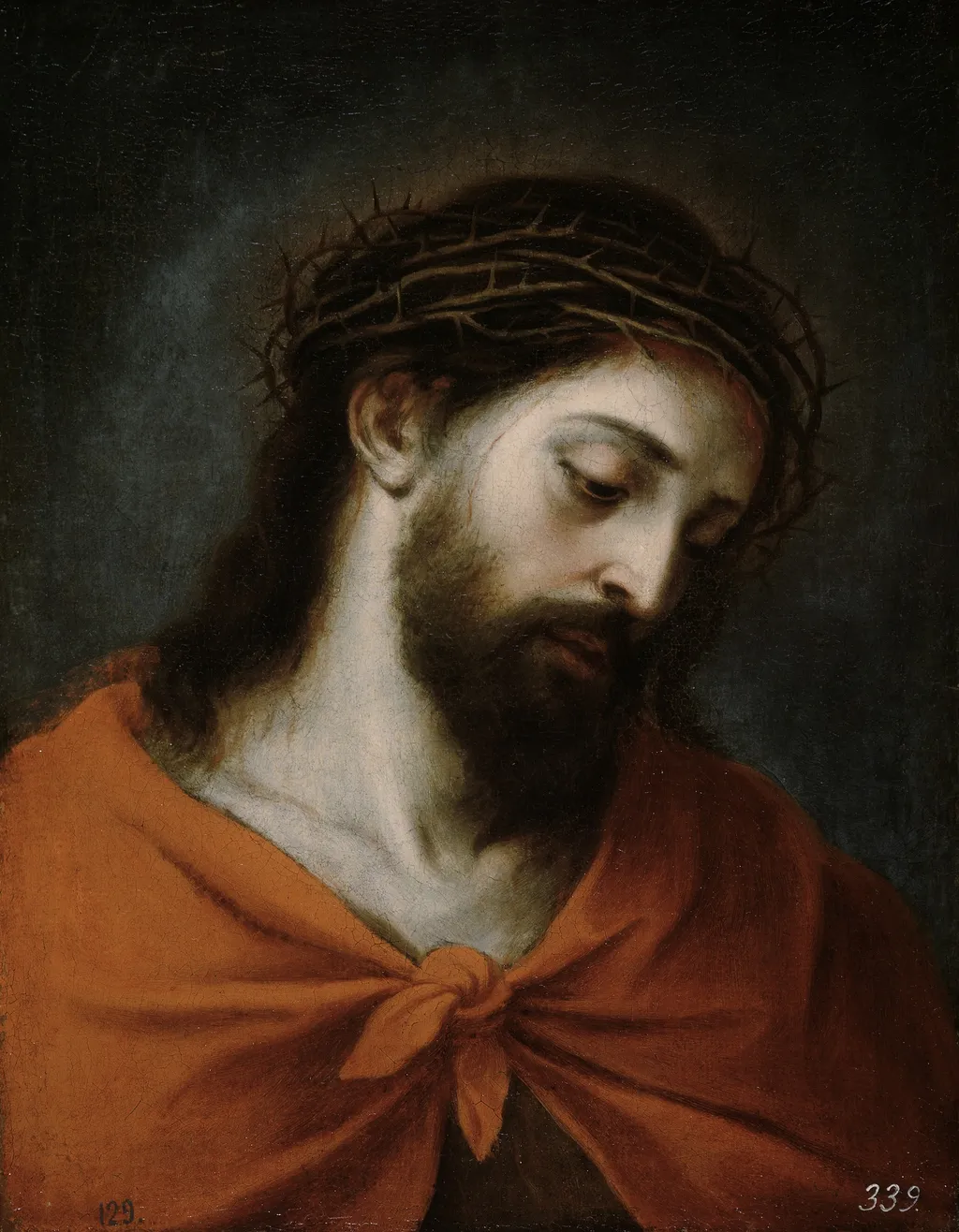
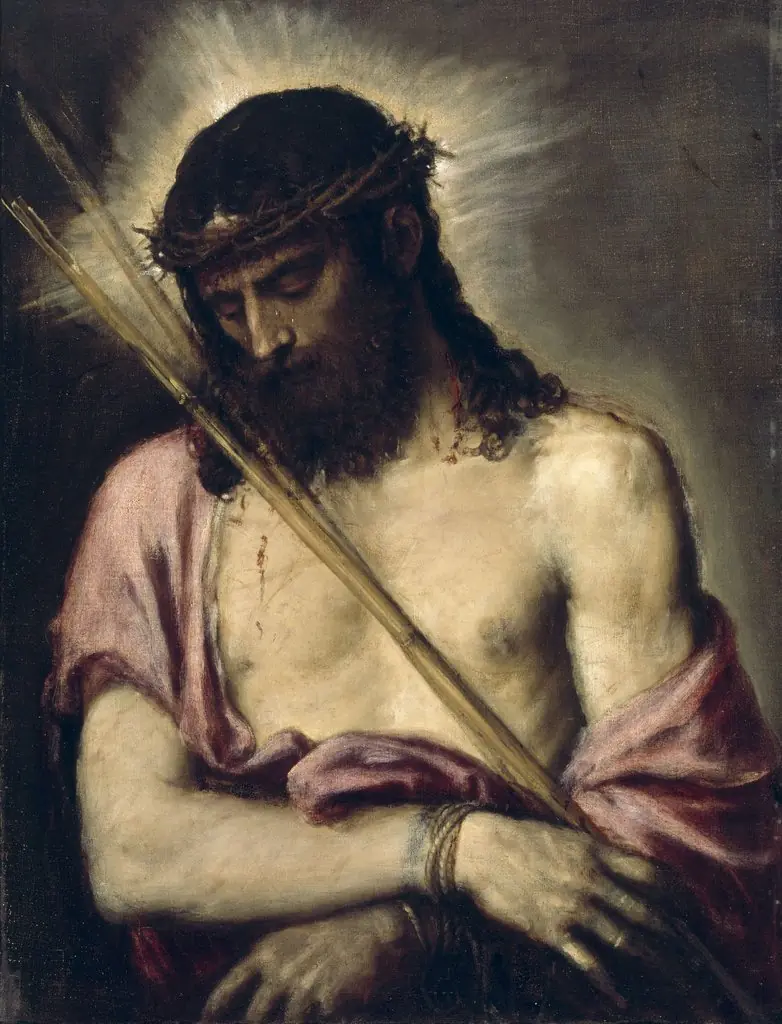
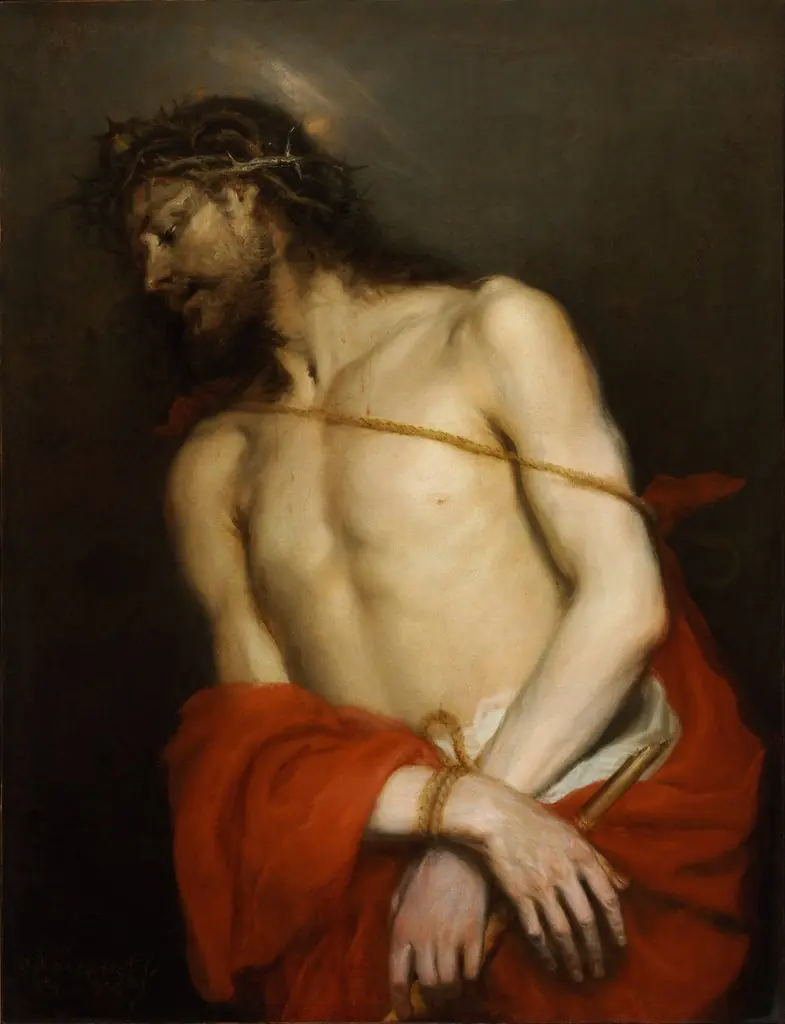
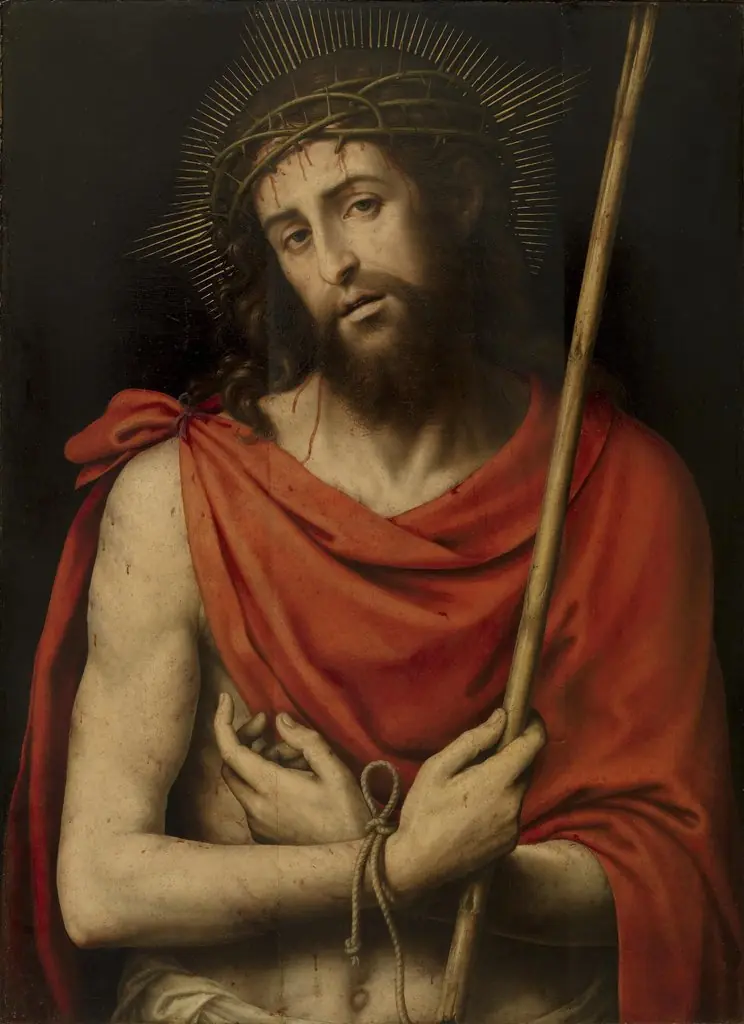
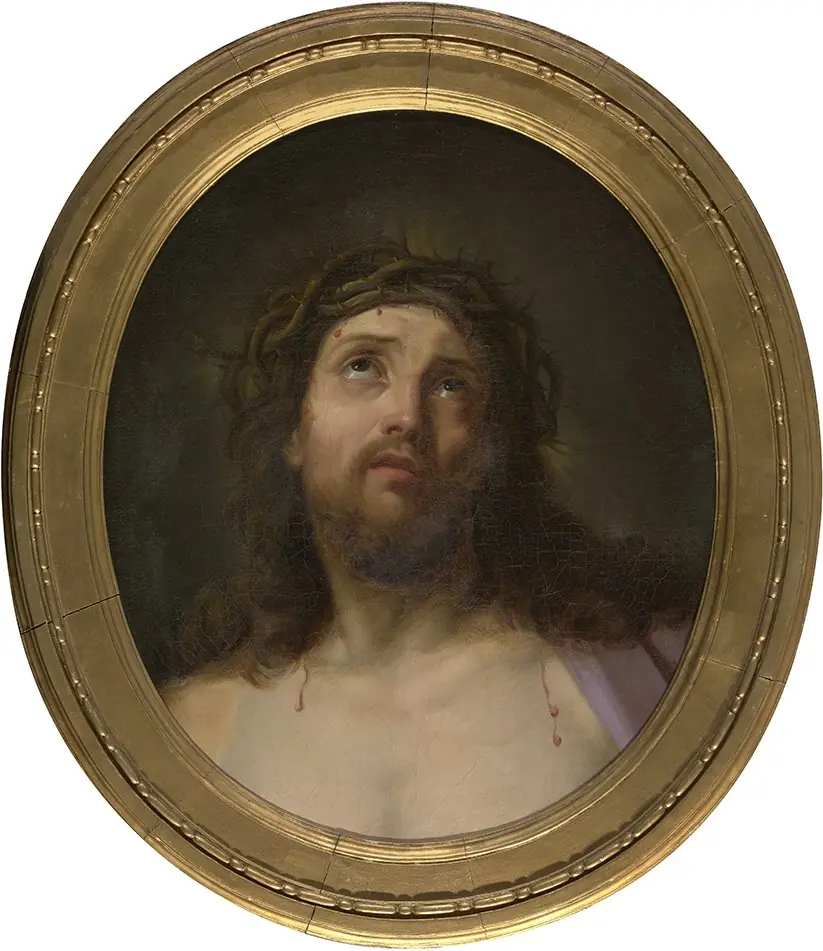
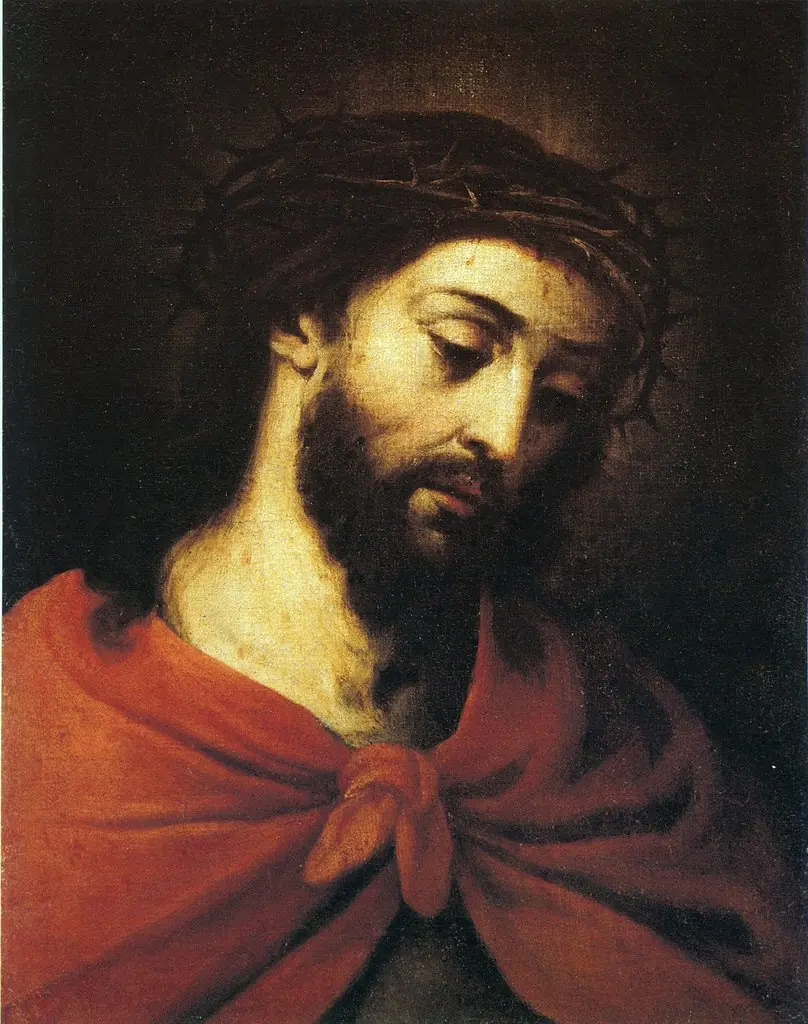
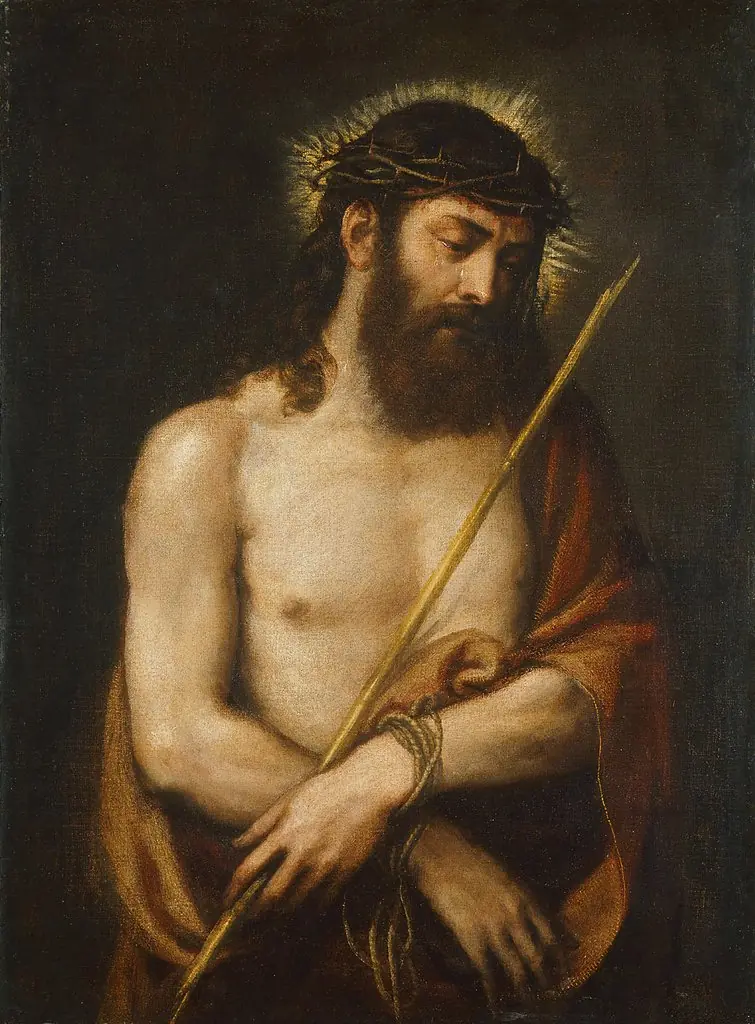
Ecce Homo is an oil painting by the Early Baroque Italian artist Bartolomé Esteban Murillo. It dates from 1660 and is held in the collection of the Museo del Prado.
About this work
Overview
Ecce Homo is a 1660 oil painting by Bartolomé Esteban Murillo, a Spanish Baroque artist active in the 17th century. The work is held in the Museo del Prado.
Subject & Meaning
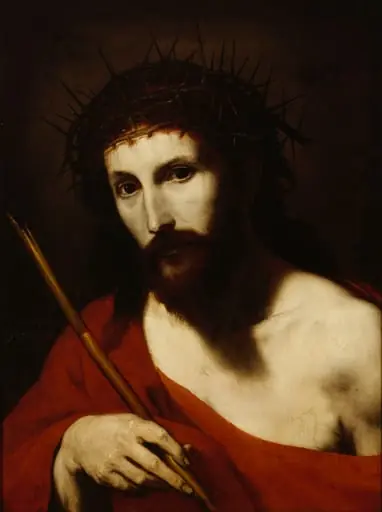
The painting depicts a man with a crown of thorns, identified as Jesus Christ, wearing a red robe. The crown of thorns is a symbol associated with Christ's Passion. The subject is presented in a moment of quiet contemplation, with his gaze directed downward.
Technique & Style
The use of chiaroscuro, a strong contrast between light and dark, highlights the subject's face and robe against a dark background. This technique creates a sense of depth and volume, drawing the viewer's attention to the figure.
History & Provenance
Murillo was baptized in 1618 and worked until his death in 1682, producing religious works and scenes of everyday life. Ecce Homo reflects his engagement with devotional themes and realistic representation.
Own this work as a print
Artist & collection
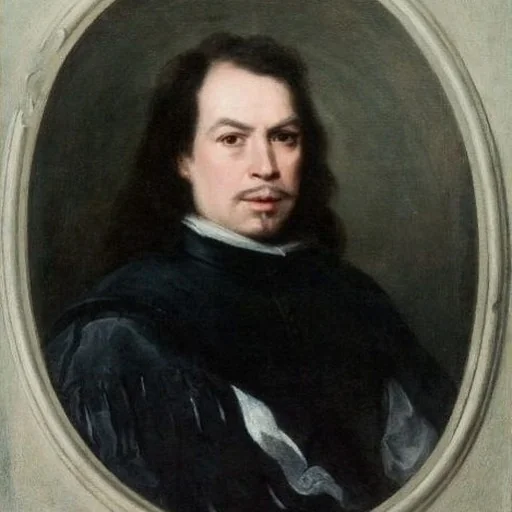
Artist
Bartolomé Esteban Murillo ( mure-IL-oh, m(y)uu-REE-oh, Spanish: ; late December 1617, baptised 1 January 1618 – 3 April 1682) was a Spanish Baroque painter.