Artwork
Ecce Homo
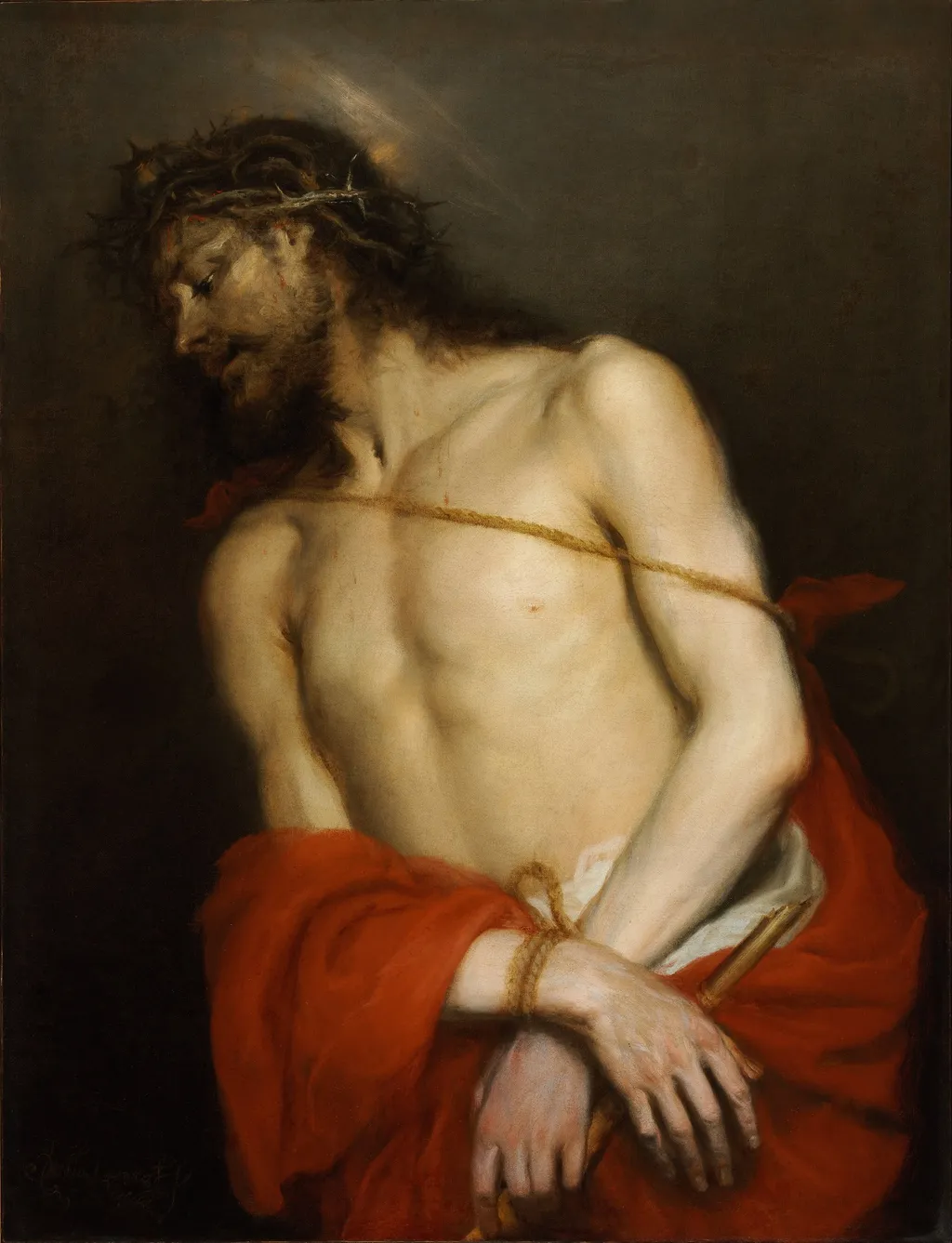
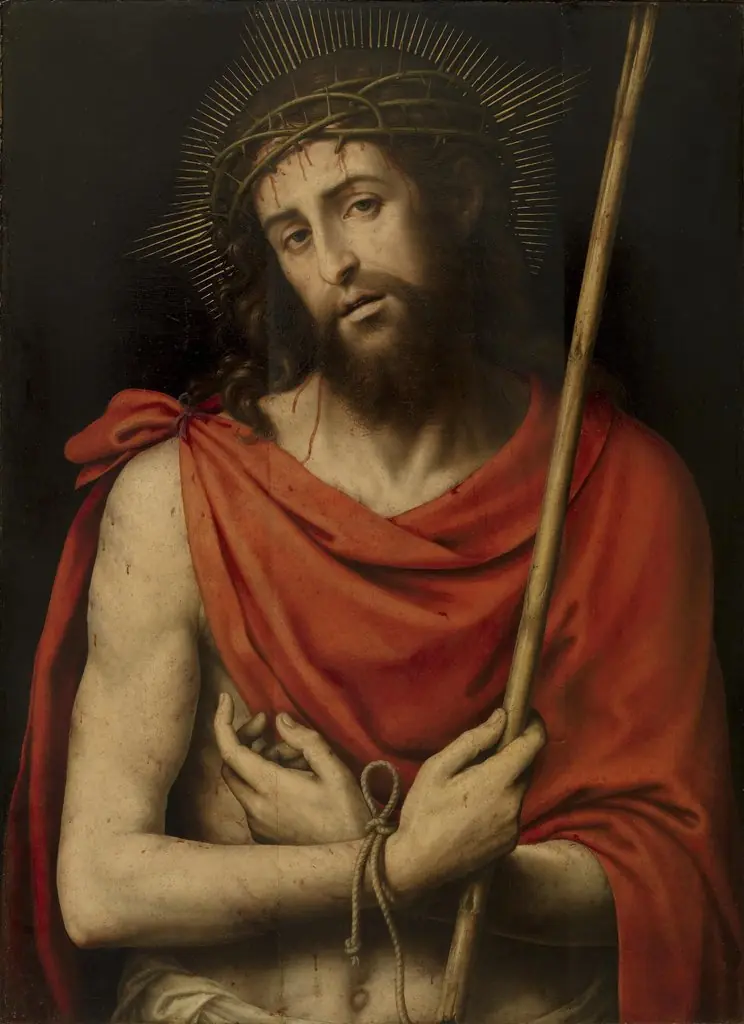
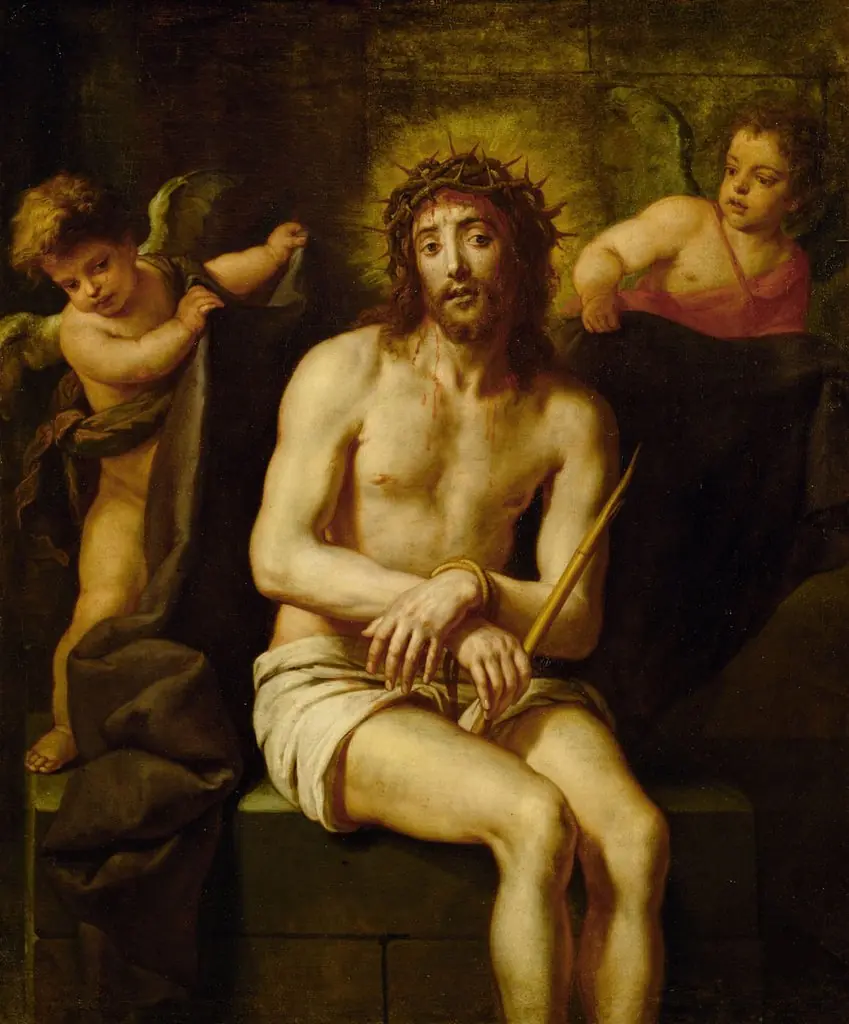
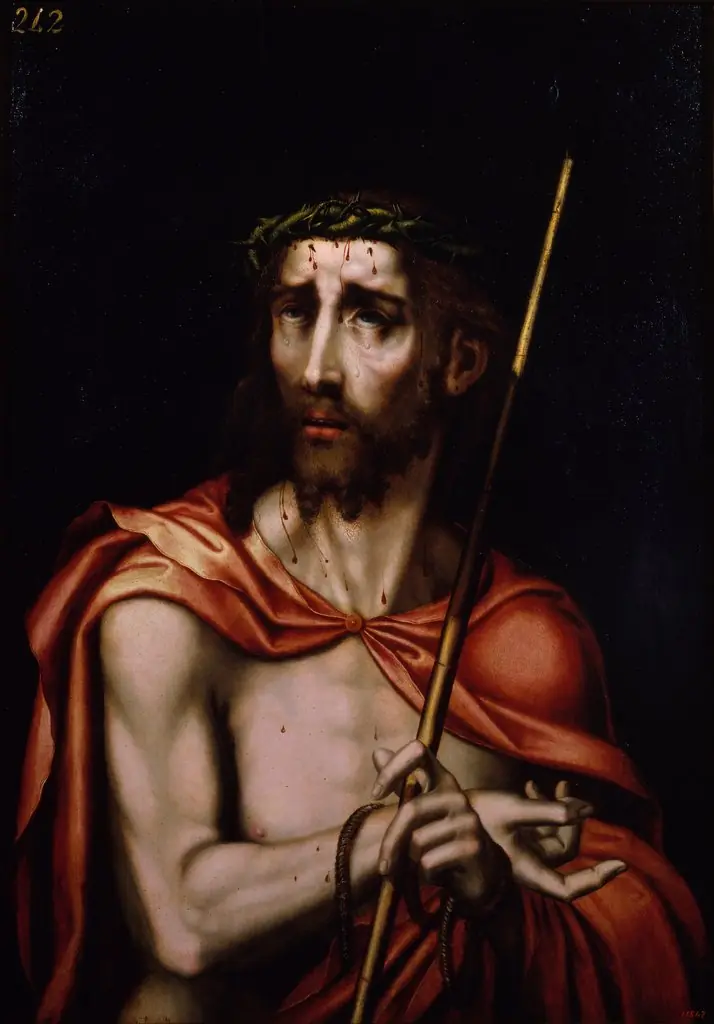
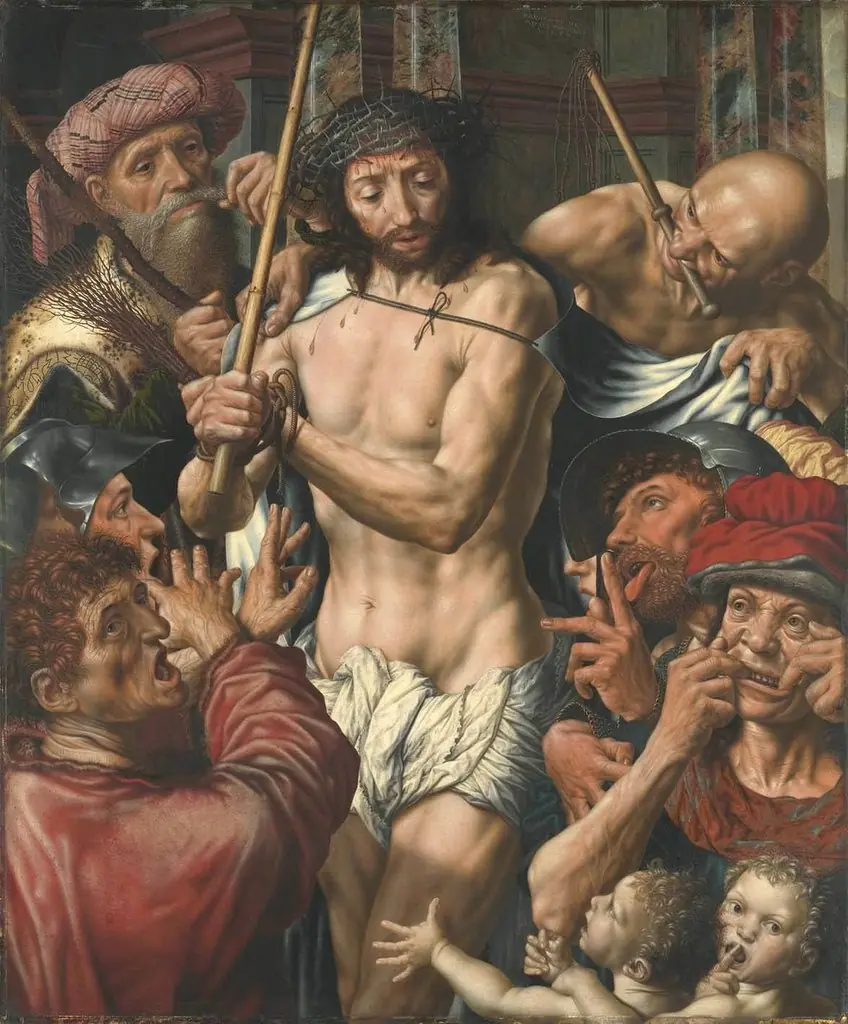
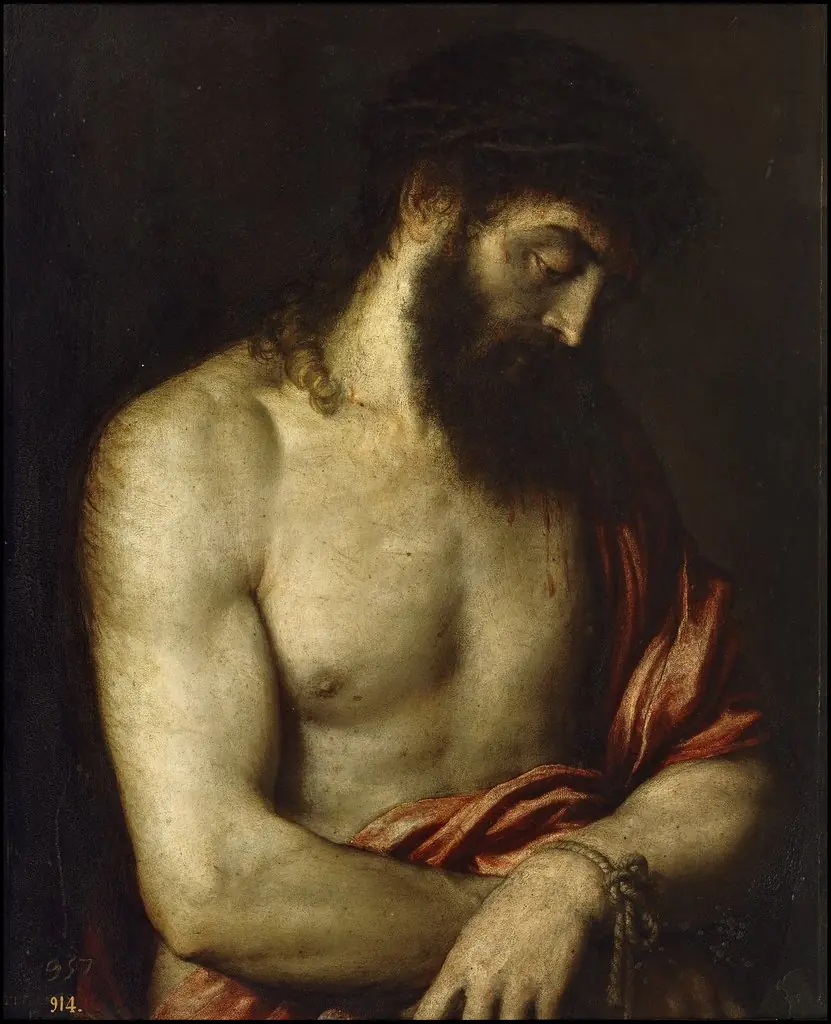
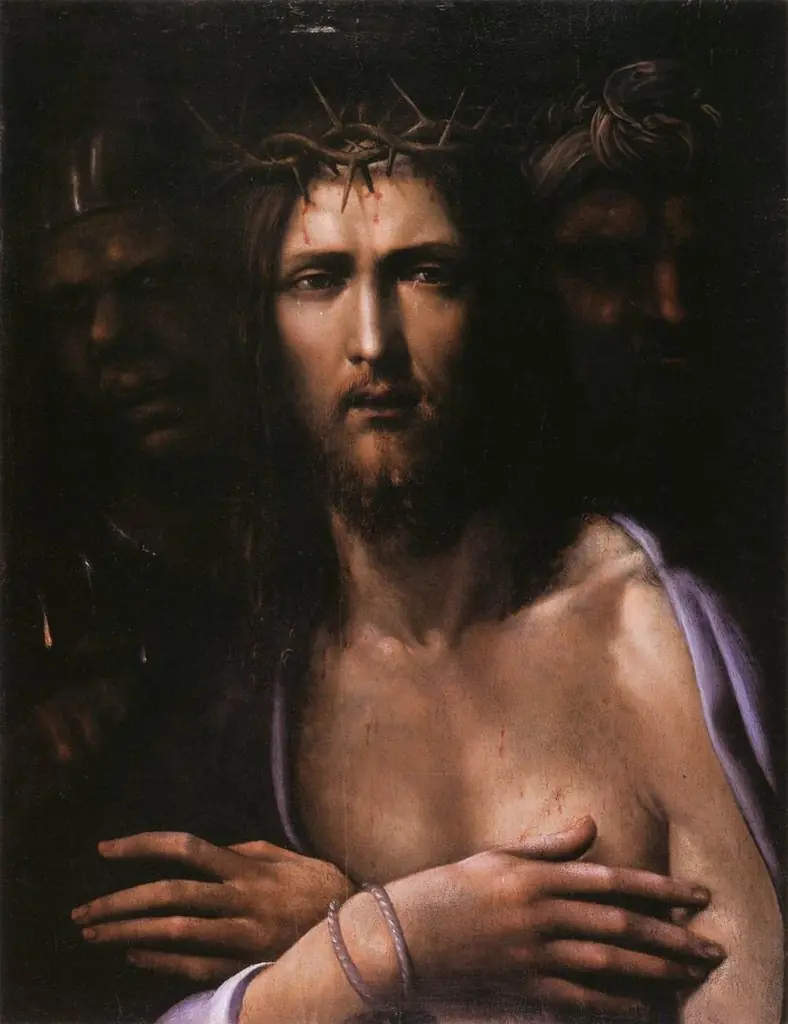
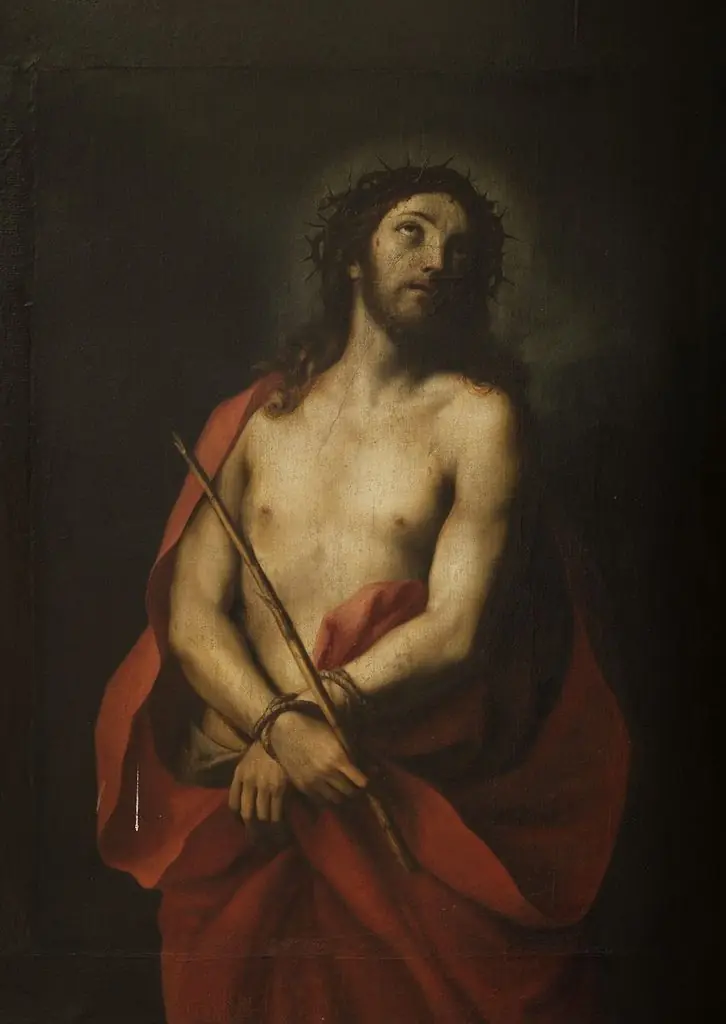
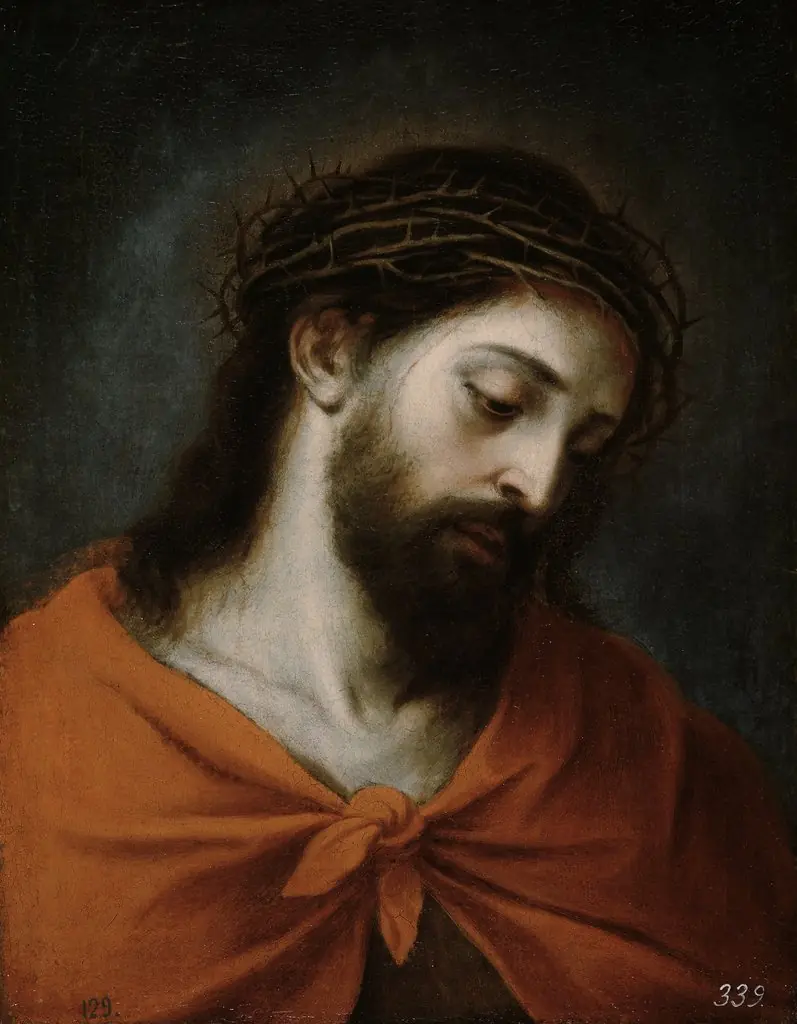
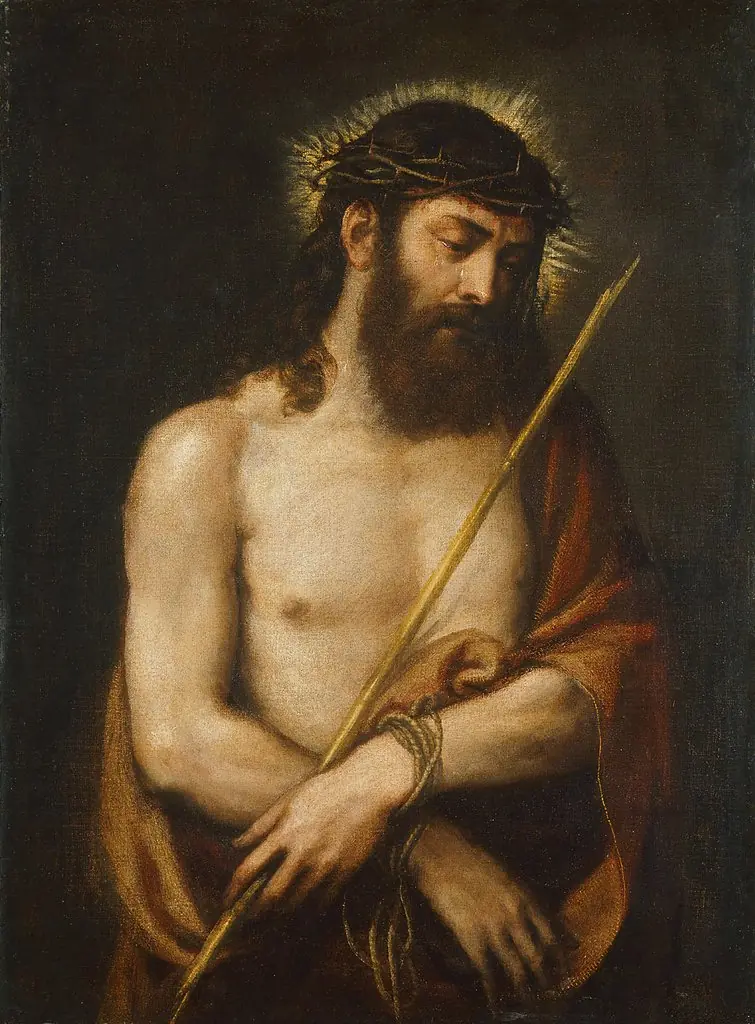
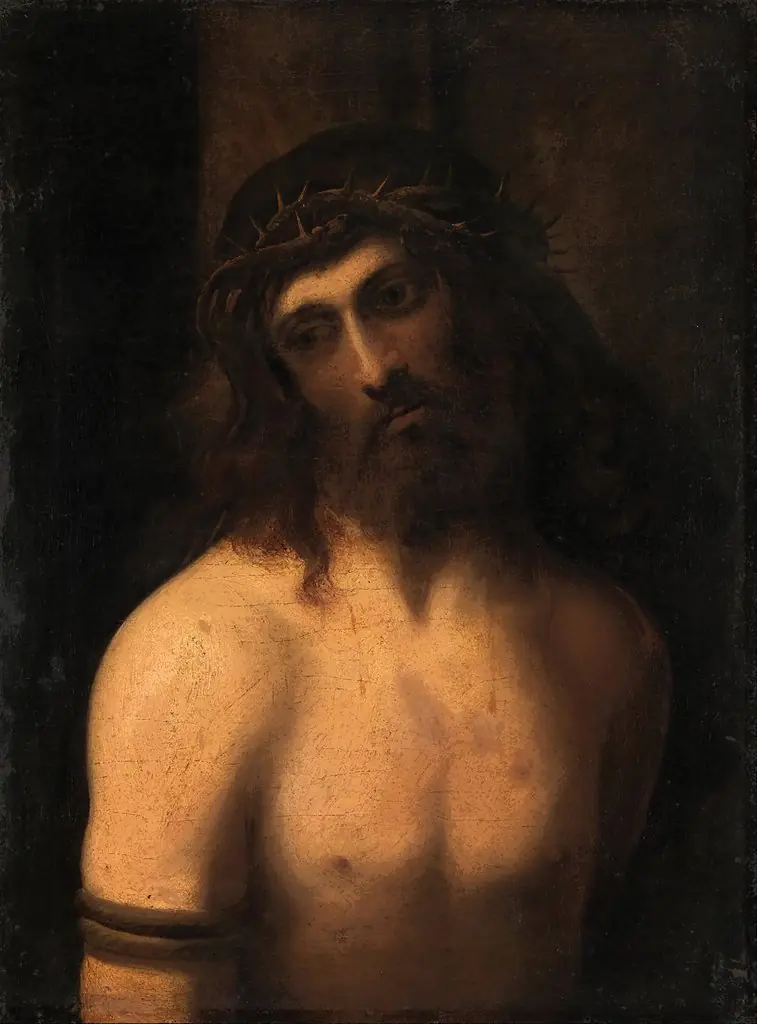
Ecce Homo is an oil painting by the Early Baroque Italian artist Mateo Cerezo. It dates from 1660 and is held in the collection of the Museum of Fine Arts, Budapest.
About this work
Overview
Created in 1660 by Spanish Baroque painter Mateo Cerezo, this oil on canvas presents a solitary figure of Christ. The work is part of the Museum of Fine Arts in Budapest’s collection and exemplifies Cerezo’s focus on religious subjects during the mid‑17th century.
Subject & Meaning
The composition centers on a naked Christ crowned with thorns, his head turned slightly leftward. A red cloth hangs from his left shoulder and is tied at the waist, while a rope binds his hands, evoking the moment of humiliation and suffering traditionally associated with the "Ecce Homo" narrative.
Technique & Style
Cerezo employs a restrained Baroque palette, allowing the stark contrast of light and shadow to model the figure’s flesh and facial features. The subtle chiaroscuro creates a three‑dimensional presence, emphasizing the emotional intensity without resorting to overt dramatization, characteristic of early Italian Baroque influences.
History & Provenance
After its completion, the painting entered private collections before being acquired by the Museum of Fine Arts, Budapest, where it remains on display. Its provenance reflects the broader circulation of Spanish religious works across European institutions during the 19th and 20th centuries.
Own this work as a print
Artist & collection
Artist
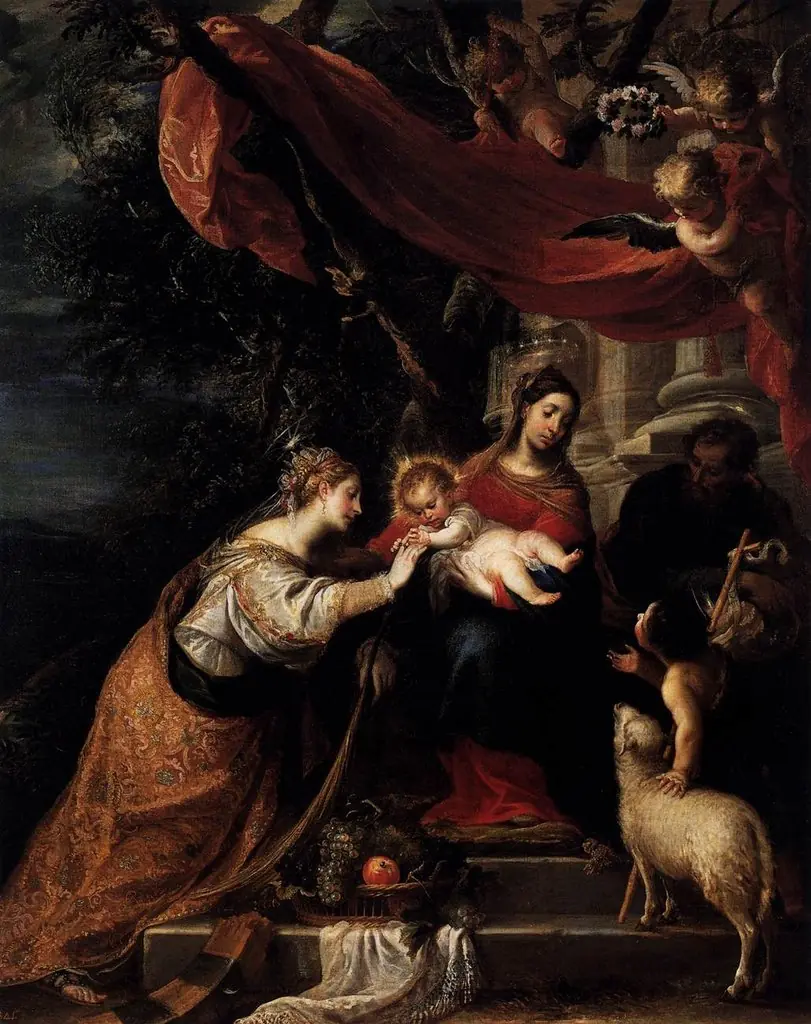
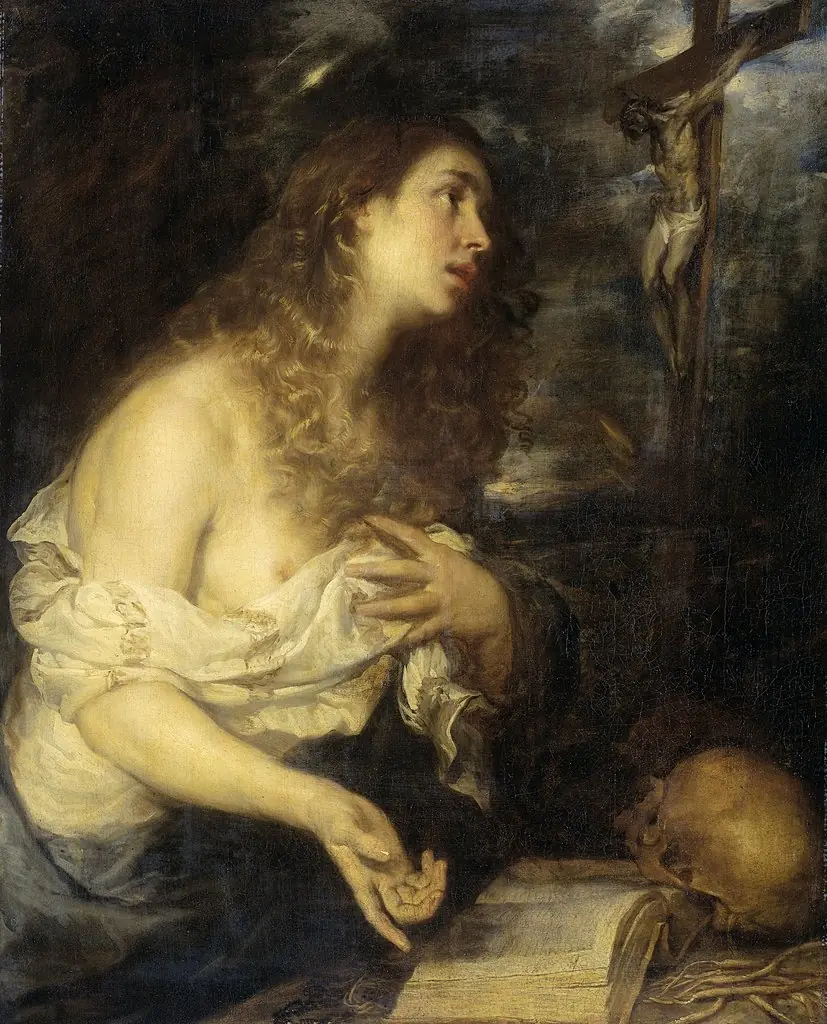
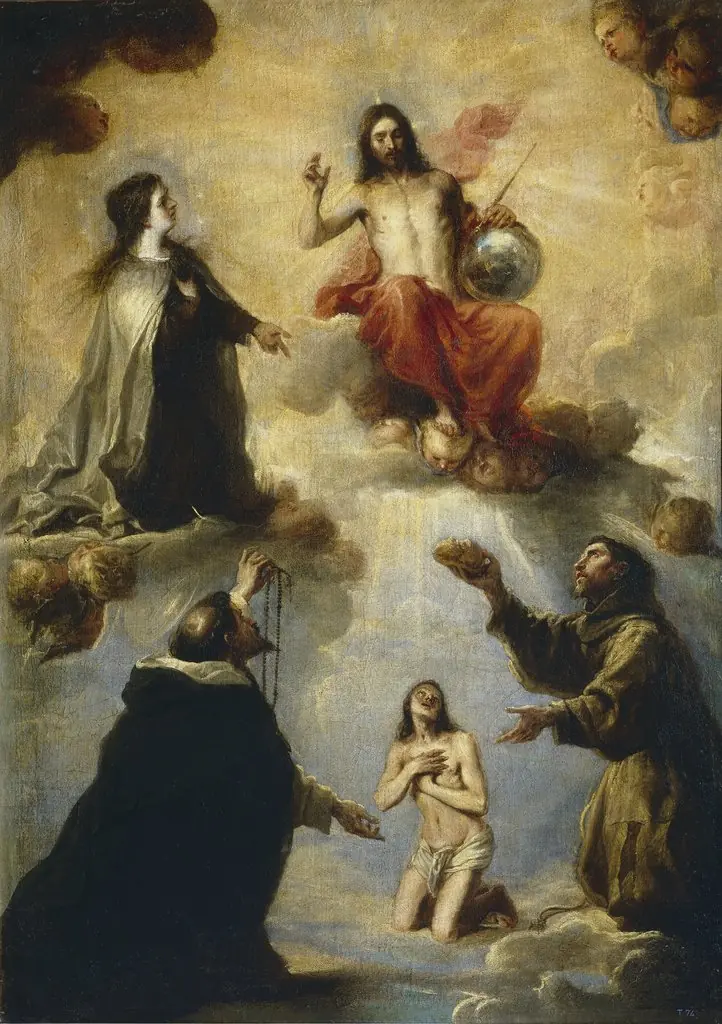
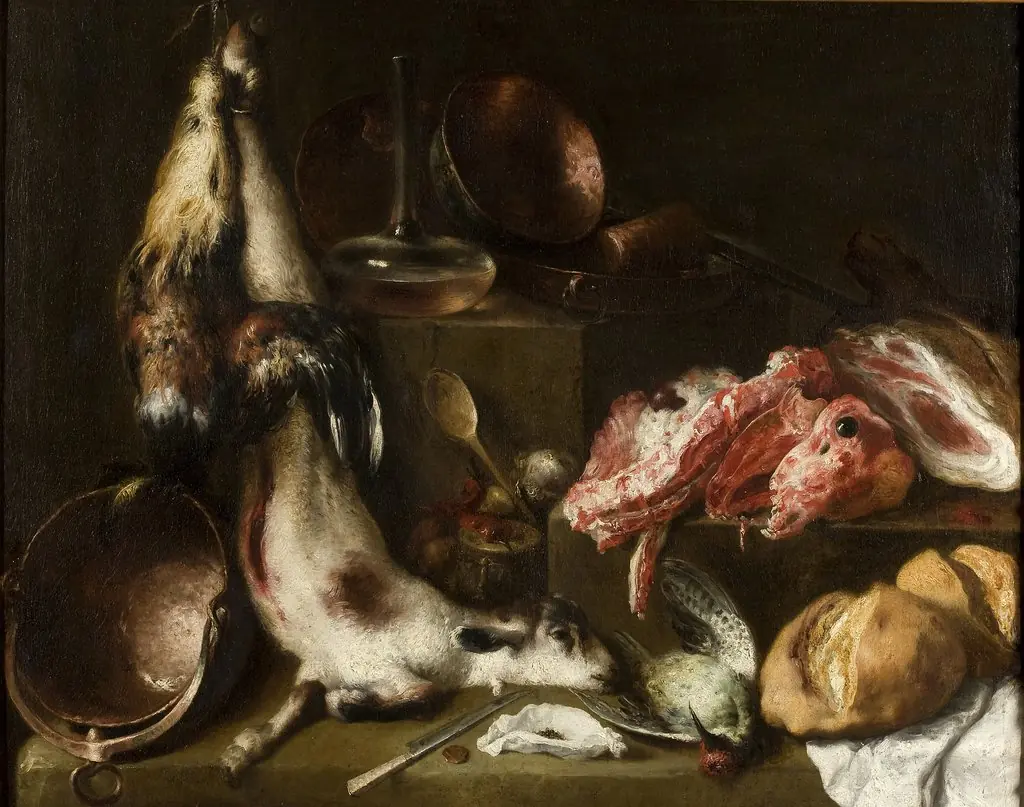
Mateo Cerezo, sometimes referred to as Mateo Cerezo the younger, (19 April 1637, Burgos – 29 June 1666, Madrid) was a Spanish Baroque painter, known primarily for religious works and still-lifes.