Artwork
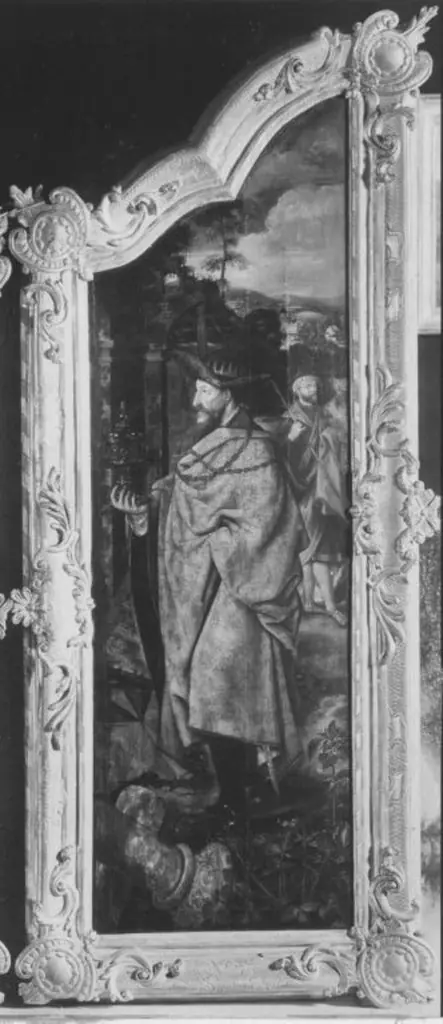
Triptych: King Balthasar
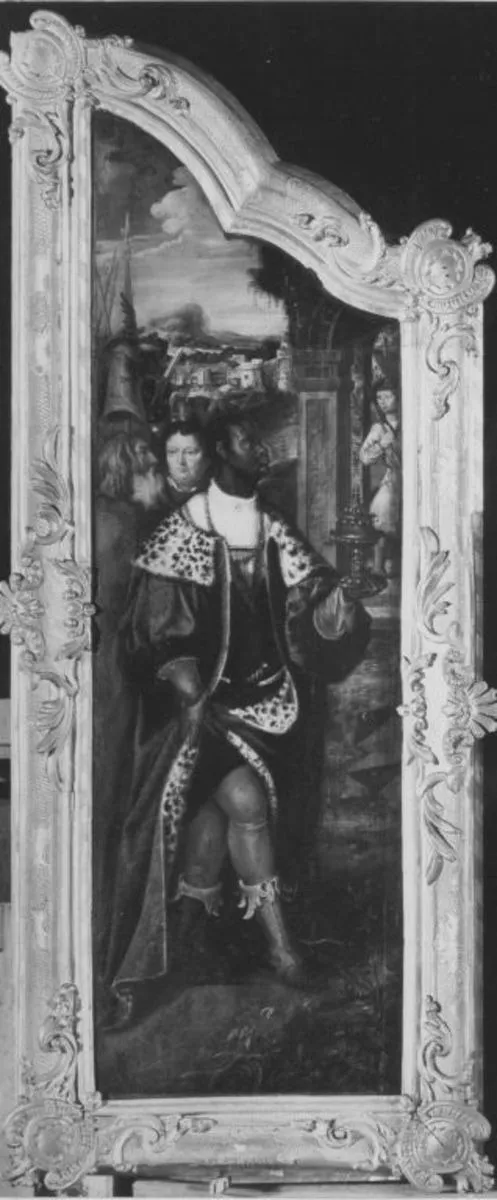
Triptych: King Balthasar is an unspecified painting by Cornelis van Cleve. It dates from 1570 and is held in the collection of the Bavarian State Painting Collections.
About this work
Overview
Painted around 1570 by Cornelis van Cleve, this triptych centers on King Balthasar, one of the Biblical Magi. Van Cleve, trained in his father Joos van Cleve’s Antwerp workshop and briefly active in London, specialized in religious subjects and portraiture. The work is part of the Alte Pinakothek’s collection, reflecting the continued demand for devotional imagery in late Renaissance Flanders.
Subject & Meaning
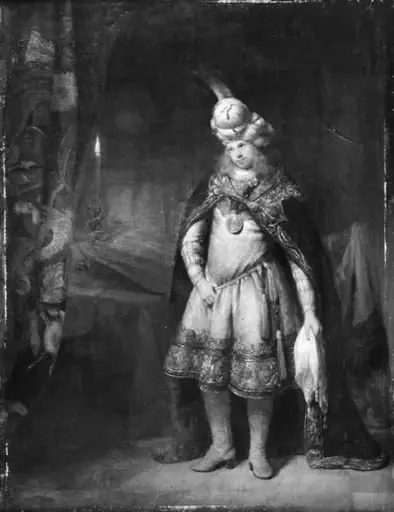
The central panel portrays Balthasar, traditionally associated with Africa and the gift of myrrh, depicted as a regal figure in ceremonial dress. His presence signifies the universal recognition of Christ’s divinity by distant lands. The surrounding panels likely contain attendant figures or symbolic elements, reinforcing the theme of homage and the global reach of the Christian message.
Technique & Style
The composition follows a formal, hierarchical structure typical of Northern Renaissance portraiture, prioritizing dignity over narrative movement.
Van Cleve employs precise brushwork to render the textures of fur, silk, and metal in Balthasar’s attire, emphasizing material richness. The dark background isolates the figure, enhancing his presence, while faint landscape elements behind suggest depth without distraction. The composition follows a formal, hierarchical structure typical of Northern Renaissance portraiture, prioritizing dignity over narrative movement.
History & Provenance
The triptych entered the Alte Pinakothek’s collection in the 19th century, likely through royal or ecclesiastical acquisitions common in Bavarian collections. Its survival through centuries suggests it was valued as both devotional object and artistic achievement. No records indicate significant alterations, preserving its original tripartite form and intent.
Context
Created during a period of religious upheaval, the triptych reflects the persistence of Catholic devotional traditions in Antwerp despite Protestant influence. Wealthy patrons commissioned such works to display piety and status. Van Cleve’s style bridges his father’s detailed realism and emerging Mannerist tendencies, placing the work within a transitional phase of Flemish art.
Legacy
Though less widely known than contemporaries like Rubens, Cornelis van Cleve contributed to the continuity of Flemish portraiture and religious imagery. This triptych exemplifies the quiet sophistication of mid-16th-century Antwerp painting, preserving a visual language of reverence and hierarchy that persisted in regional art well into the Baroque era.
Artist & collection
Artist
Cornelis van Cleve, Cornelis van Cleef or Cornelis van der Beke, nickname Sotte Cleve ('Mad Cleve') (1520 in Antwerp – 1567/1614) was a Flemish Renaissance painter active in Antwerp who is known for his religious compositions and portraits.

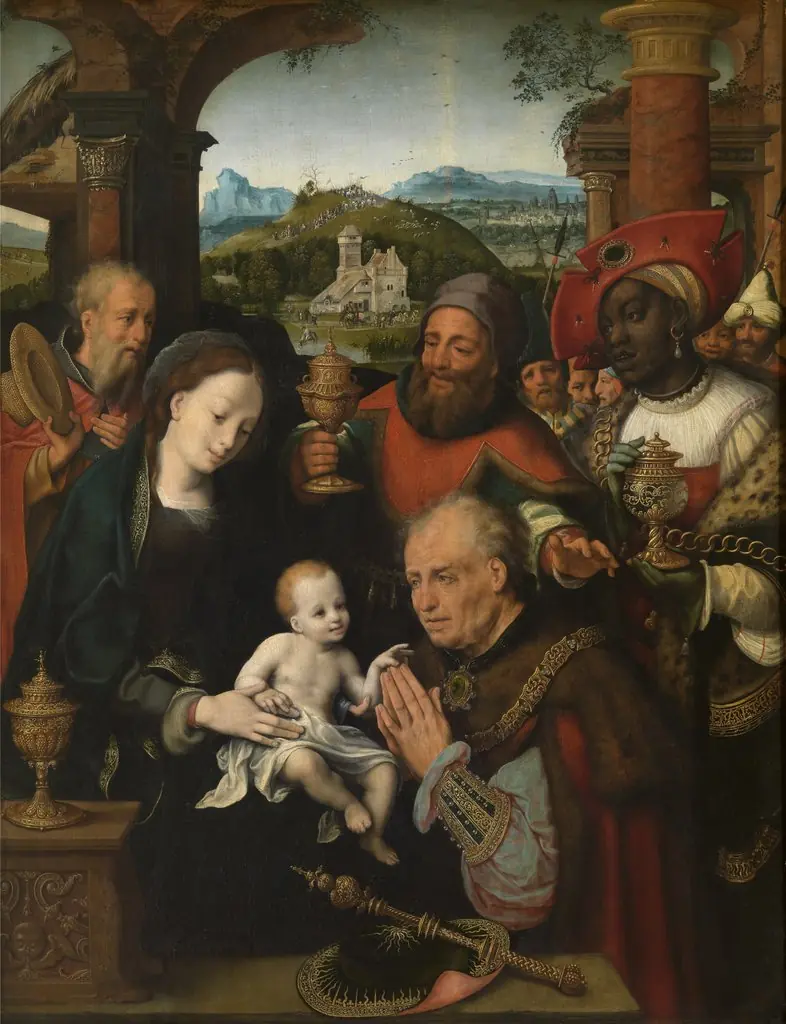
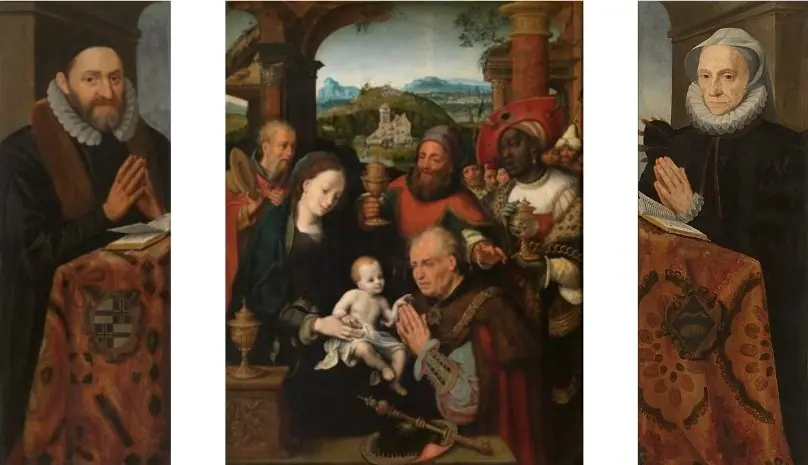
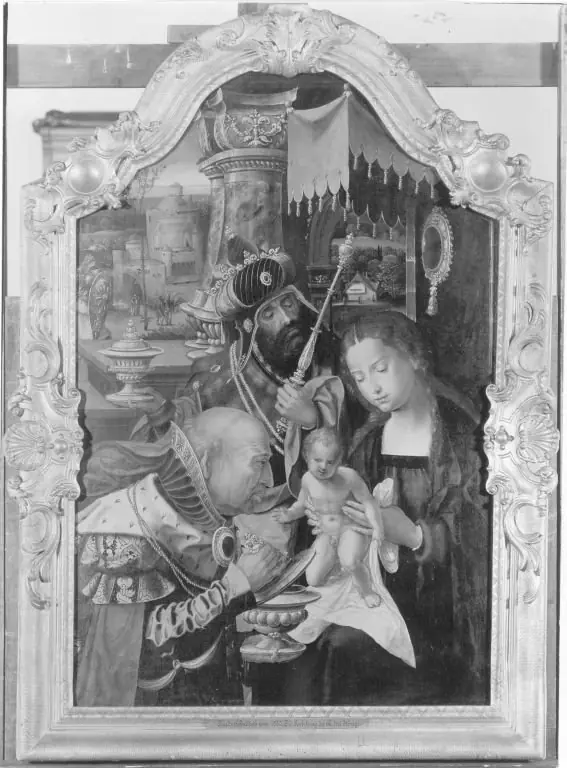 Adoration of the magi (centre)
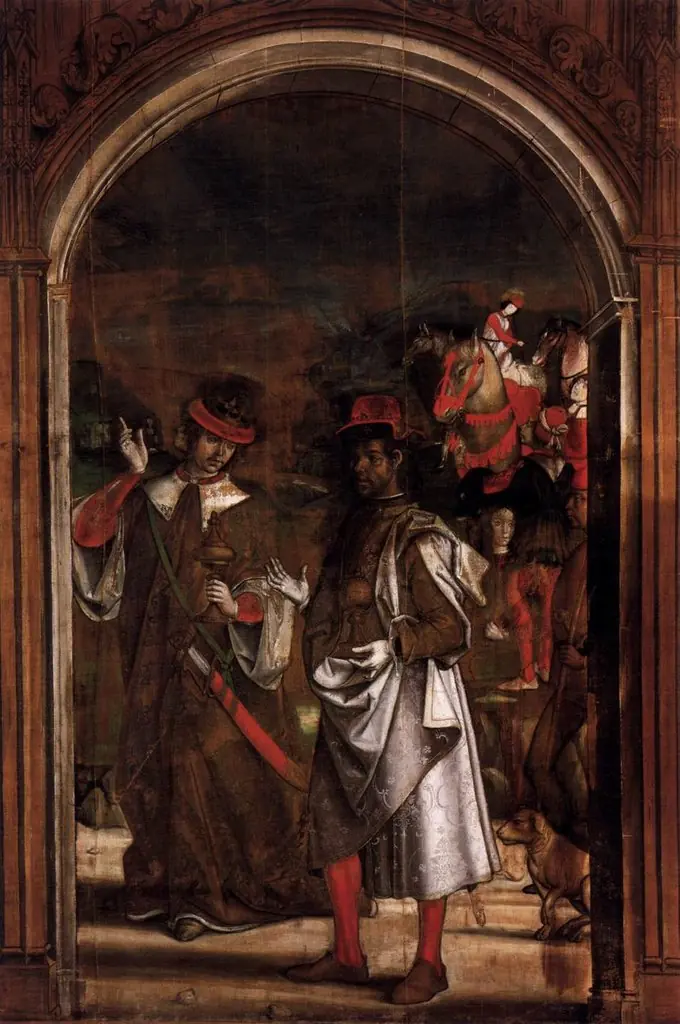 Two Magi
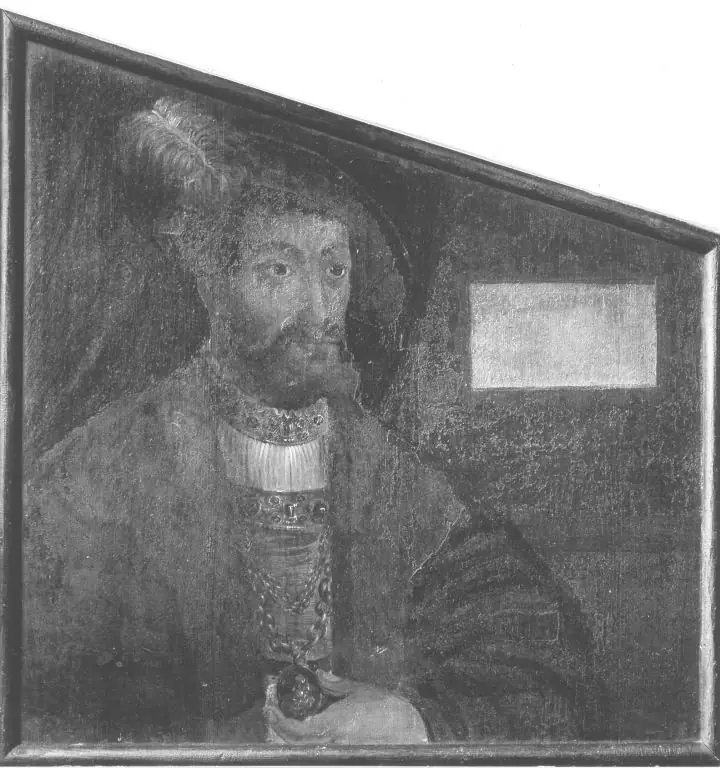 Pfalzgraf Wolfgang von Neuburg (Kopie nach)
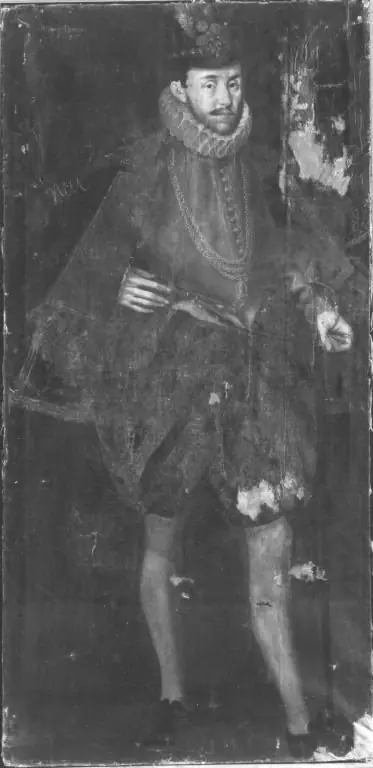 Bildnis eines Mannes (Pfalzgraf Philipp Ludwig von Neuburg) (Umkreis)
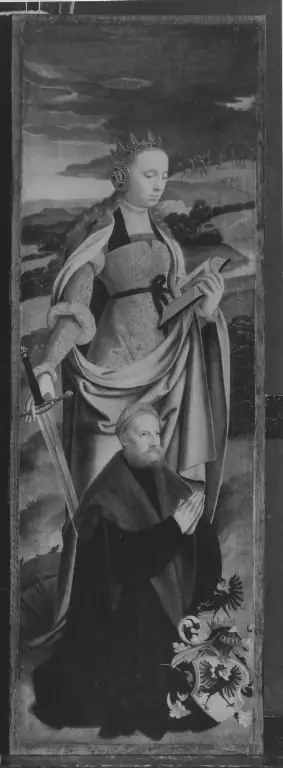 Rinck-Altar II:Saint Catherine with donor Hermann Rinck
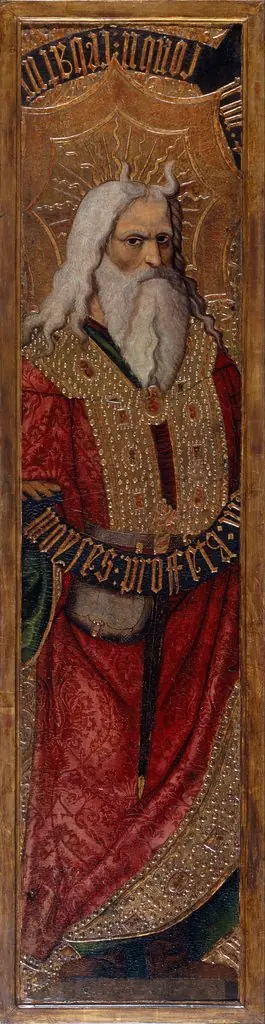 Moses
Moses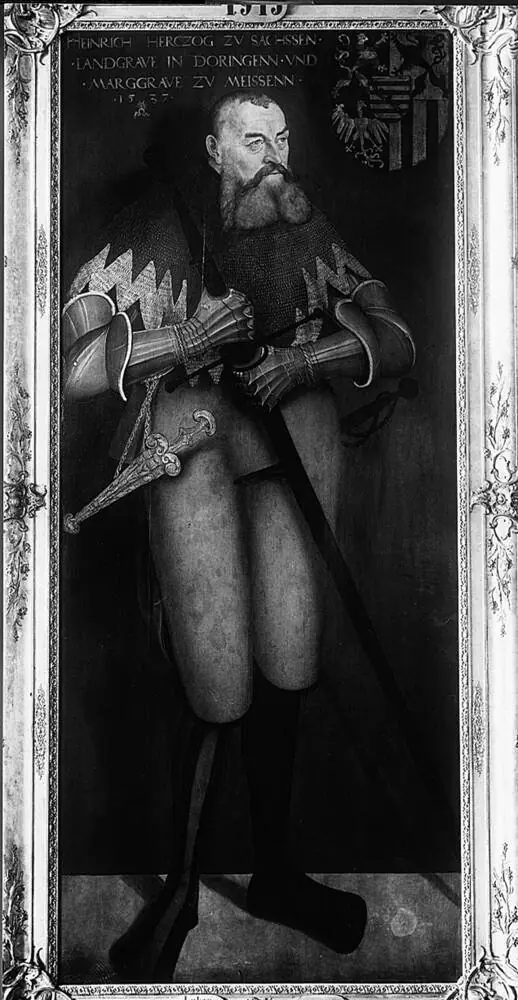 Portrait of Duke Henry the Devout
 Joseph Crying in his Chamber after Having Seen his Brother Benjamin Again