Artwork
Epitaph of Lodewijk Clarys and his Wife Marie le Batteur
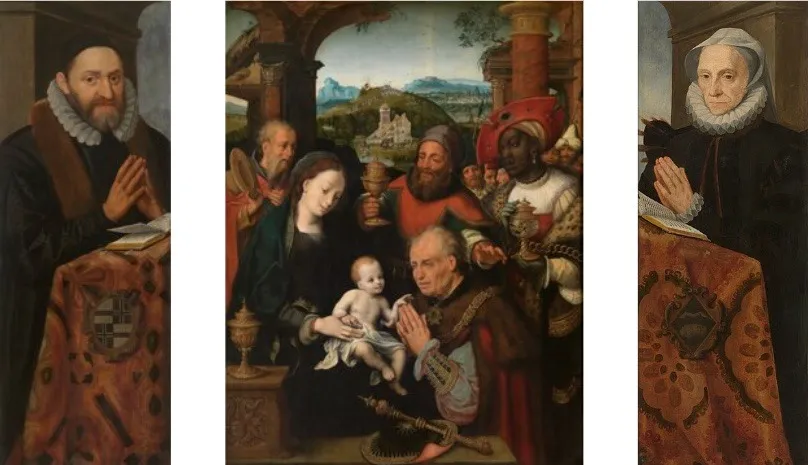
Epitaph of Lodewijk Clarys and his Wife Marie le Batteur is an oil painting by the Northern Renaissance artist Cornelis van Cleve. It dates from 1570 and is held in the collection of the Royal Museum of Fine Arts Antwerp.
About this work
Overview
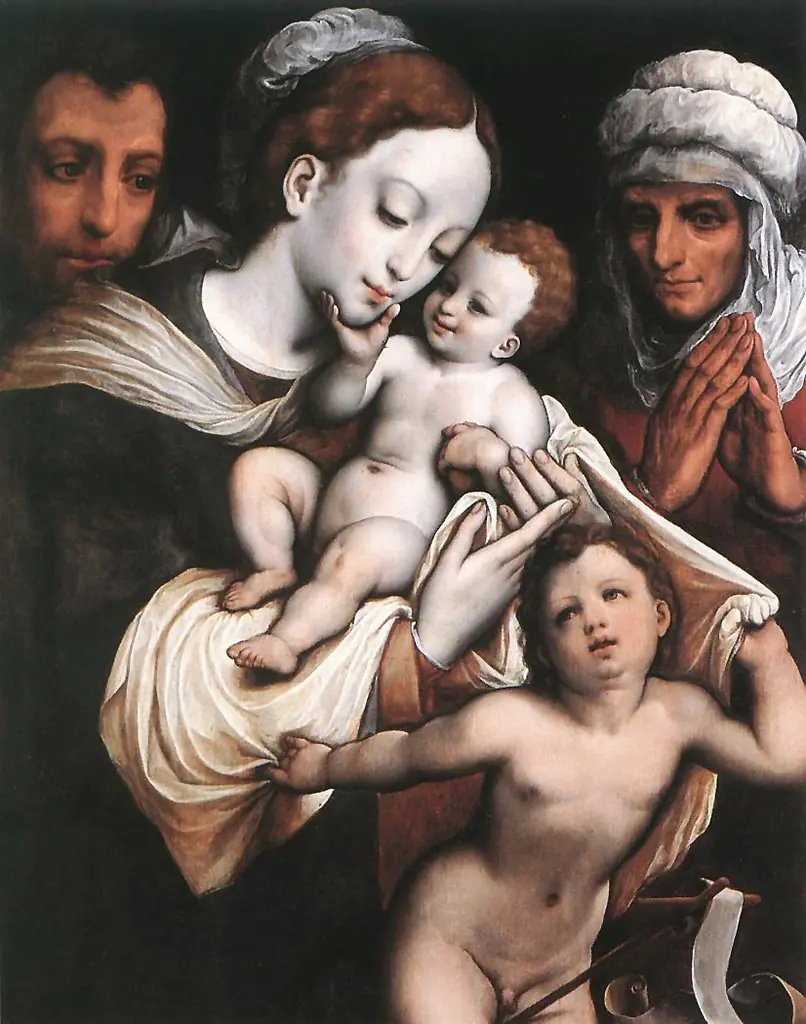
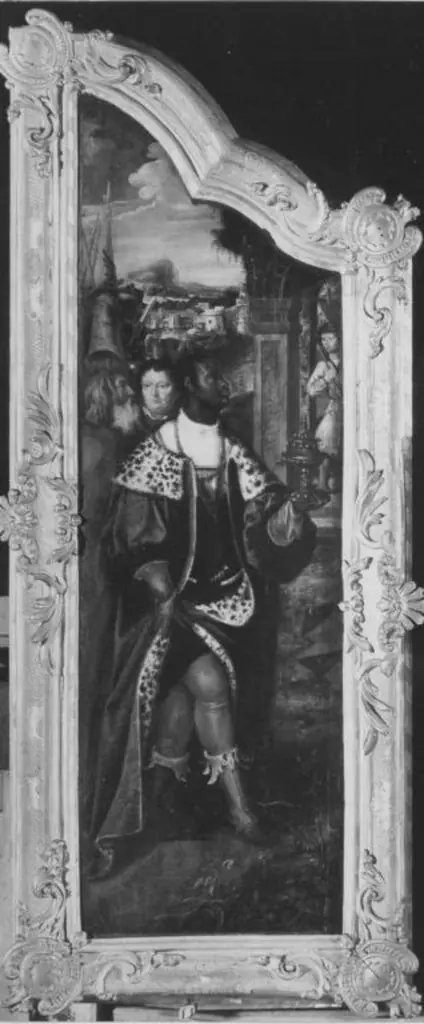
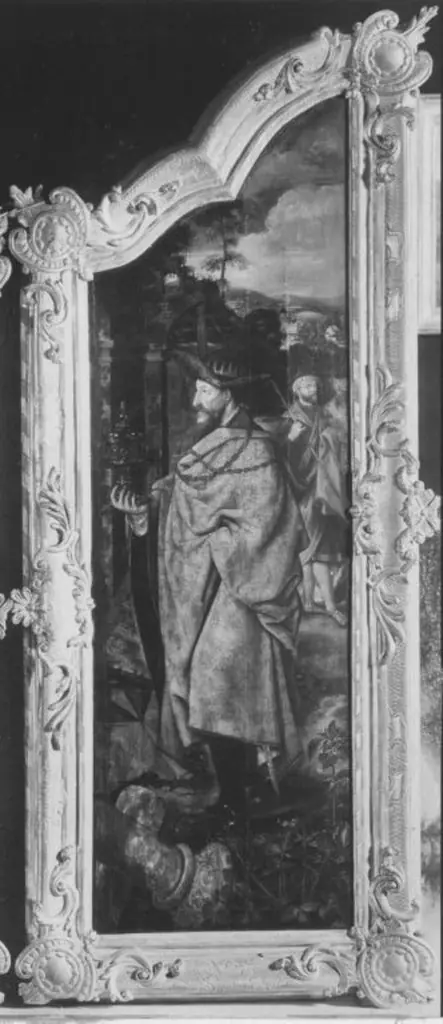
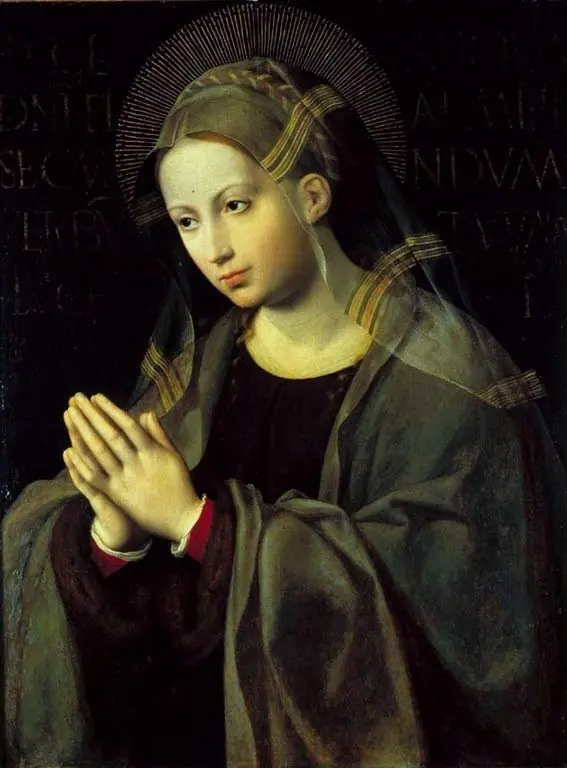
Cornelis van Cleve, a Flemish painter active in Antwerp during the late sixteenth century, executed the triptych titled *Epitaph of Lodewijk Clarys and his Wife Marie le Batteur* around 1570. The work is an oil painting that forms part of the Northern Renaissance corpus and is presently conserved in the Royal Museum of Fine Arts Antwerp.
Subject & Meaning
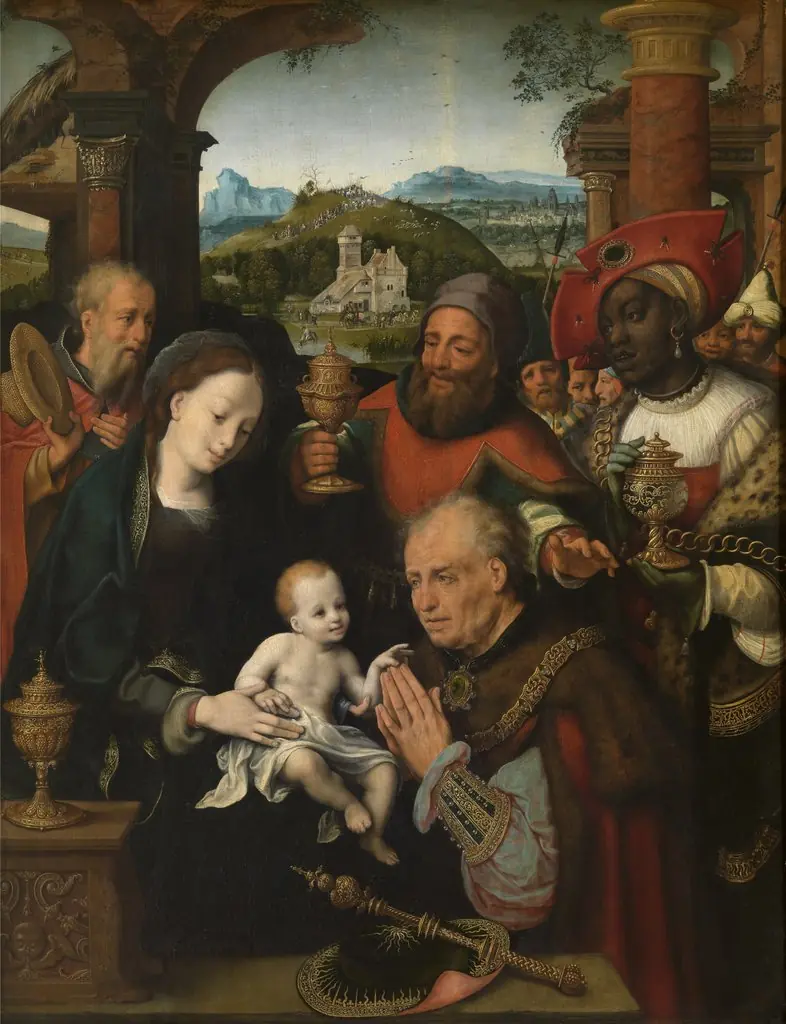
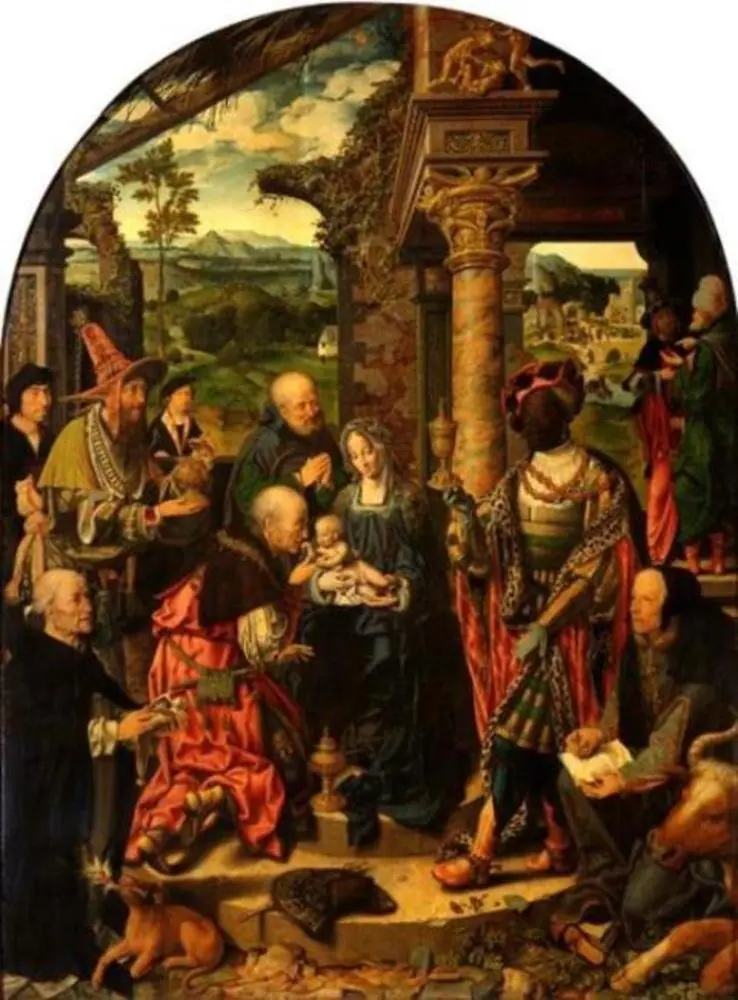
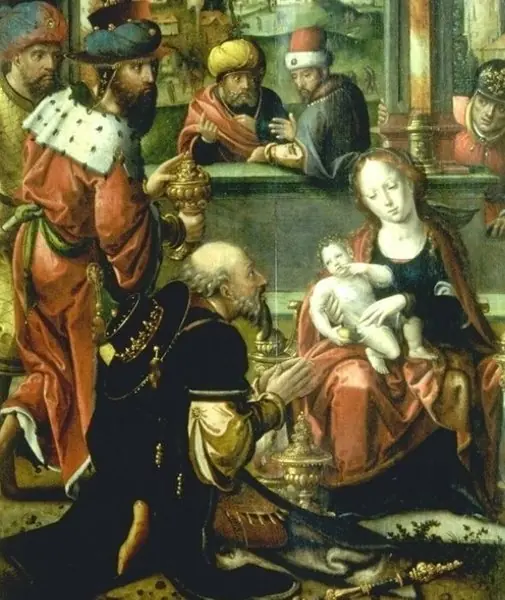
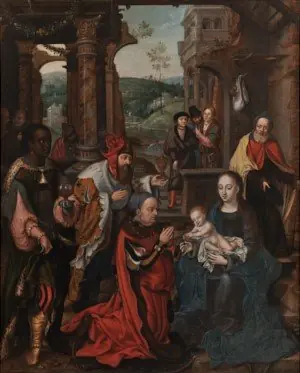
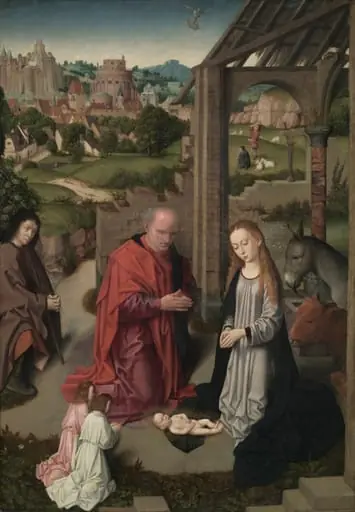
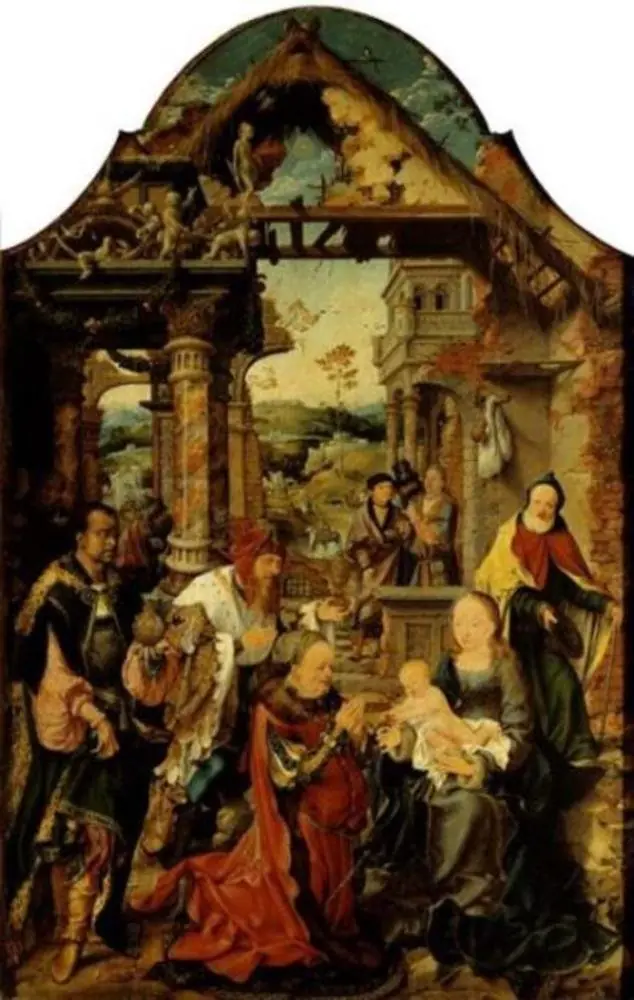
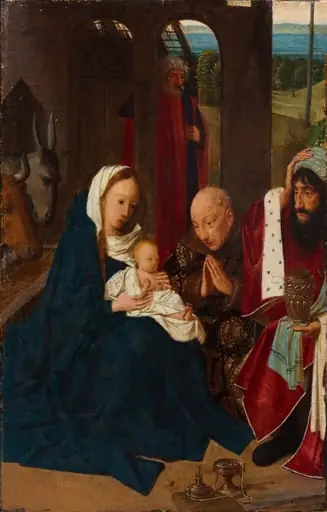
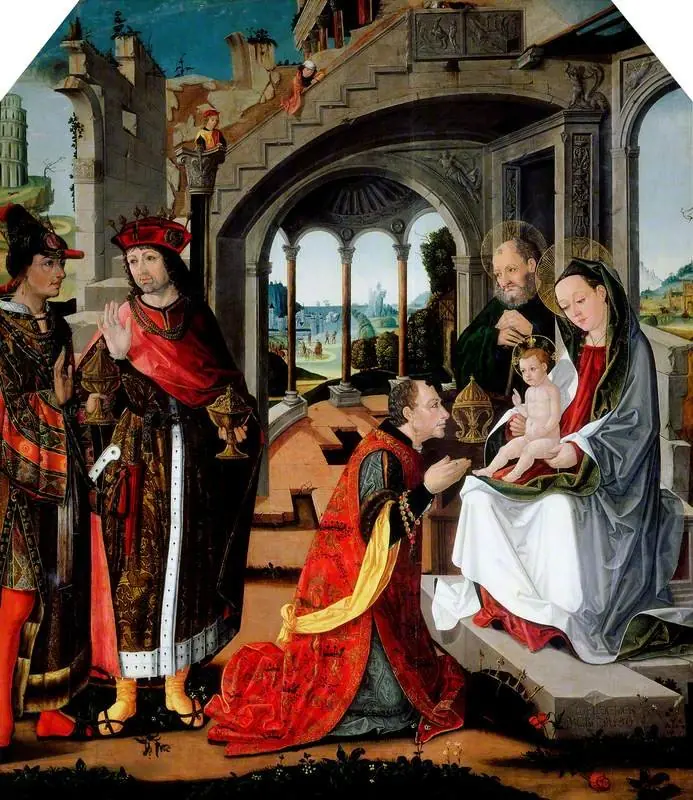
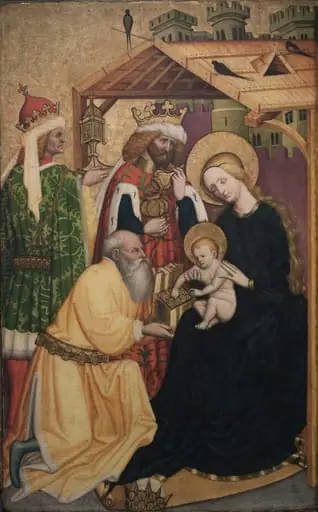
The central panel presents a small group gathered around an infant, set against a subdued landscape. Attired in dark, richly textured garments, the figures hold symbolic objects such as a book and a cup, suggesting devotional contemplation. Flanking panels show solitary figures in prayer, their hands clasped, reinforcing the commemorative and religious tone of the epitaph.
Technique & Style
Van Cleve employs a restrained palette and careful modeling of forms, creating a somber atmosphere through subtle chiaroscuro. The contrast between illuminated faces and deep shadows accentuates the spiritual focus of the scene, while the fine rendering of fabrics and accessories reflects his training in his father Joos van Cleve’s workshop.
History & Provenance
After completing the piece in Antwerp, the triptych remained in the Clarys family before entering the collection of the Royal Museum of Fine Arts Antwerp. Its provenance traces a typical path for commemorative works of the period, moving from private devotional settings to public museum display.
Context
The painting belongs to a tradition of funerary epitaphs that combined portraiture with religious iconography, a genre popular among the mercantile elite of the Low Countries. Van Cleve’s brief stint in London may have exposed him to English funerary conventions, which he integrated with Flemish visual vocabularies.
Artist & collection
Artist
Cornelis van Cleve, Cornelis van Cleef or Cornelis van der Beke, nickname Sotte Cleve ('Mad Cleve') (1520 in Antwerp – 1567/1614) was a Flemish Renaissance painter active in Antwerp who is known for his religious compositions and portraits.