Artwork
Triptych: King Caspar
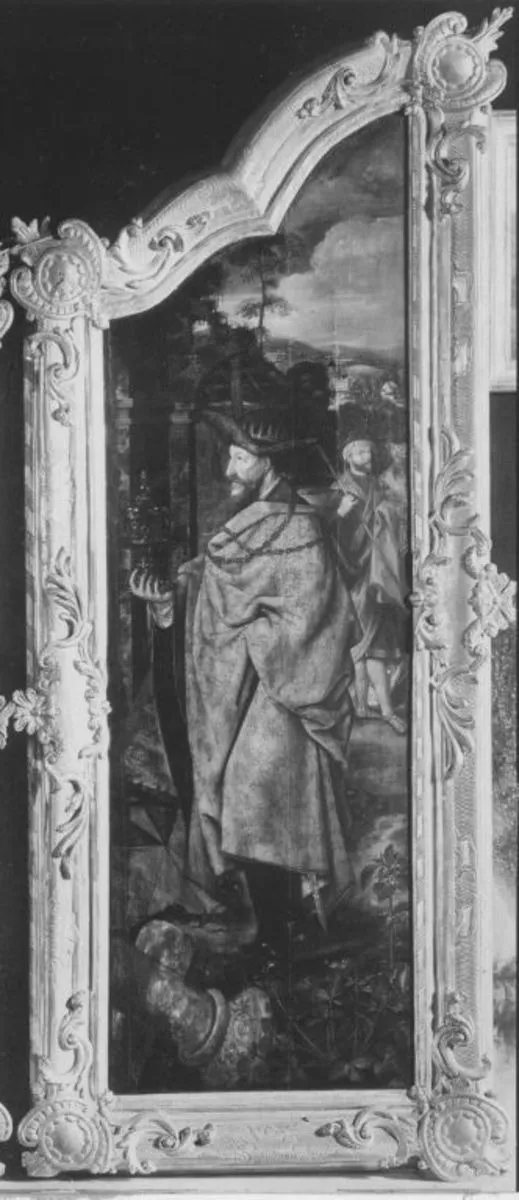
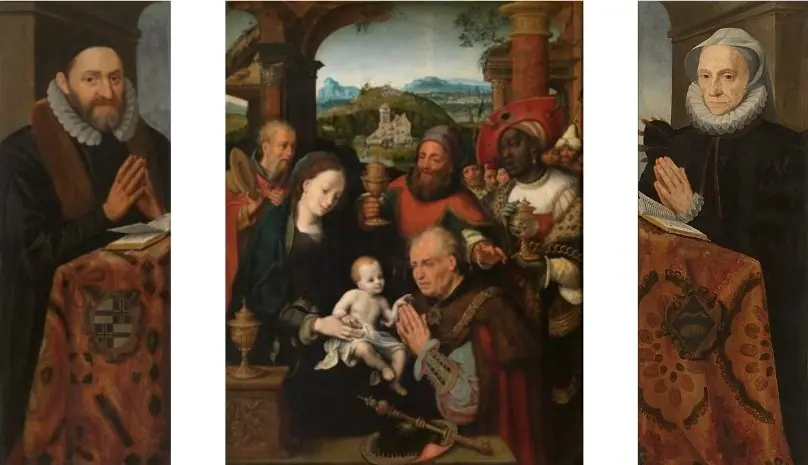
Triptych: King Caspar is an unspecified painting by Cornelis van Cleve. It dates from 1570 and is held in the collection of the Bavarian State Painting Collections.
About this work
Overview
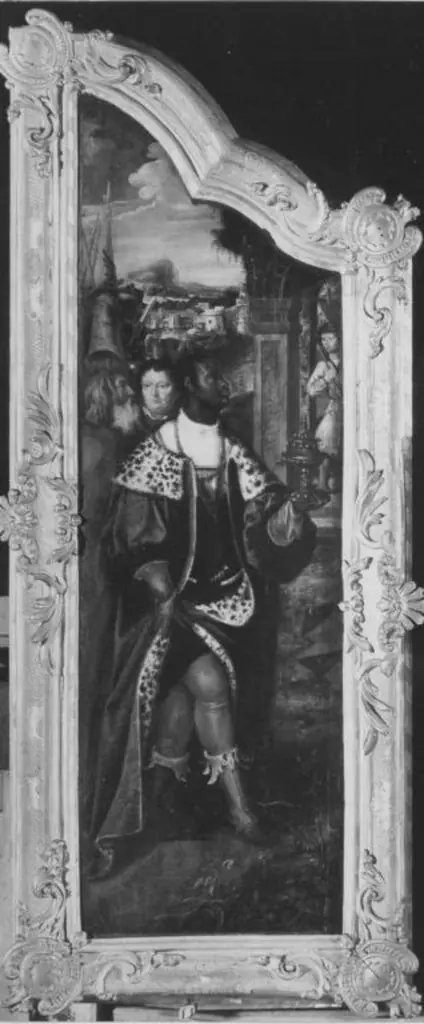
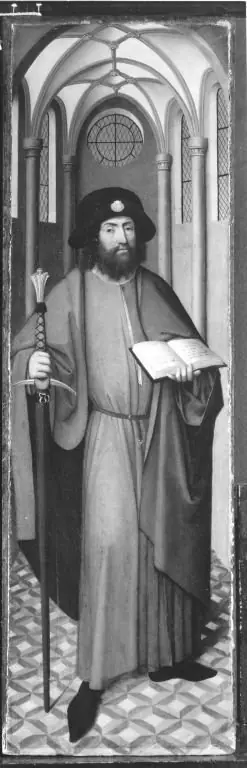
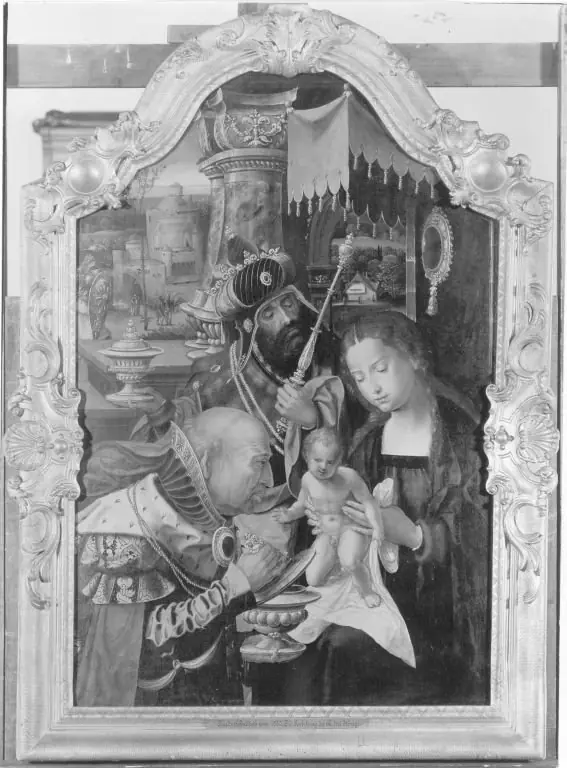
Cornelis van Cleve, a Flemish painter active in the mid‑16th century, produced the three‑panel work titled *Triptych: King Caspar* around 1570. The central image shows a solitary figure, likely the biblical Magus Caspar, set against a stormy sky. The composition is framed by an elaborate white border with carved motifs, and the piece is currently displayed in Munich’s Alte Pinakothek.
Subject & Meaning
The central panel presents the figure traditionally identified as Caspar, one of the three wise men who visited the infant Christ. He stands upright in a landscape, dressed in a long robe and a hat, clutching a scepter that signifies royal authority. The dark, cloud‑filled backdrop may allude to the journey’s hardships and the spiritual gravity of the Magi’s homage.
Technique & Style
The painter’s handling of light and texture reflects his training in his father Joos van Cleve’s workshop, merging detailed realism with a subtle theatricality.
Van Cleve employs chiaroscuro, contrasting deep shadows with illuminated areas to model the figure’s form and suggest three‑dimensional volume. The use of a richly carved white border frames the scene, adding a decorative element typical of Northern Renaissance altarpieces. The painter’s handling of light and texture reflects his training in his father Joos van Cleve’s workshop, merging detailed realism with a subtle theatricality.
History & Provenance
Born in Antwerp in 1520, Cornelis van Cleve apprenticed under his father before a brief, unsuccessful stint in London. After returning to the Low Countries, he produced religious works such as this triptych. The painting entered the collection of the Alte Pinakothek in the 19th century, where it remains part of the museum’s Flemish Renaissance holdings.
Context
The work belongs to a period when Flemish artists frequently created multi‑panel devotional pieces for private chapels or wealthy patrons. By portraying a Magus as a regal figure, van Cleve aligns with contemporary iconography that emphasized the political and spiritual significance of the biblical visitors. The triptych format allowed for a narrative focus on the central figure while the side panels—now unseen—would have complemented the theme with related scenes.
Artist & collection
Artist
Cornelis van Cleve, Cornelis van Cleef or Cornelis van der Beke, nickname Sotte Cleve ('Mad Cleve') (1520 in Antwerp – 1567/1614) was a Flemish Renaissance painter active in Antwerp who is known for his religious compositions and portraits.