Artwork
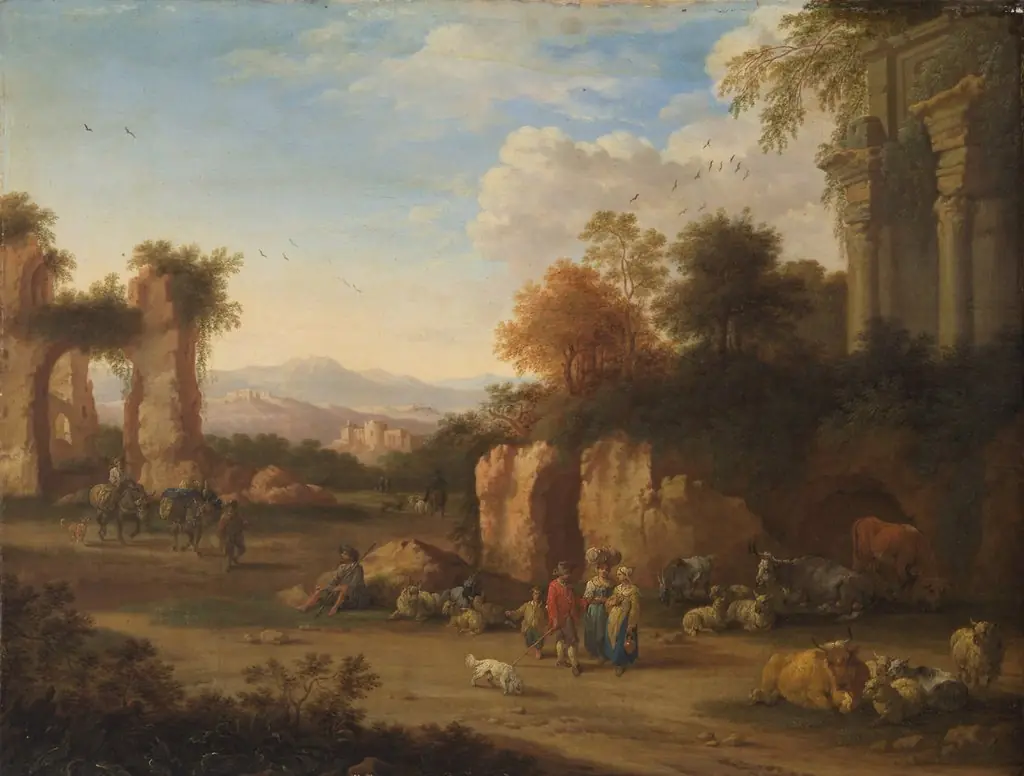
Capriccio Roman landscape with ruins
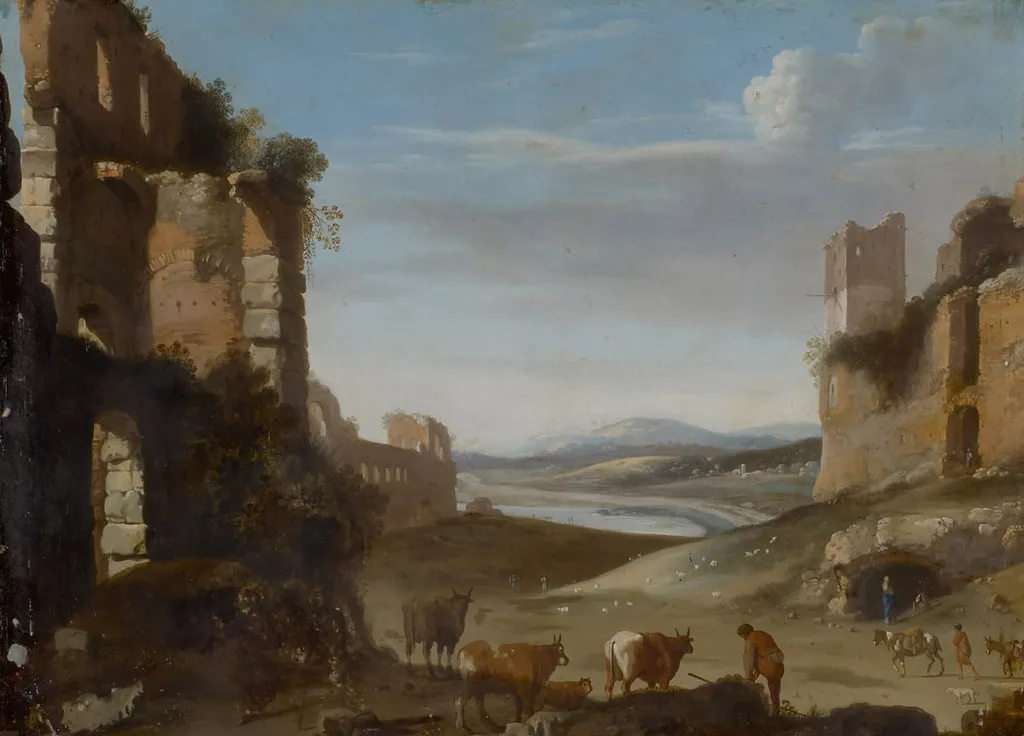
Capriccio Roman landscape with ruins is an oil painting by the Early Baroque Italian artist Cornelius van Poelenburgh. It dates from 1620 and is held in the collection of the Kunsthistorisches Museum.
About this work
Overview
Capriccio Roman landscape with ruins is a 1620 painting on copper by Cornelius van Poelenburgh, a Dutch artist based in Rome during the early 17th century. It exemplifies the early Baroque Italian movement, presenting an imaginary Roman landscape incorporating ancient ruins.
Subject & Meaning
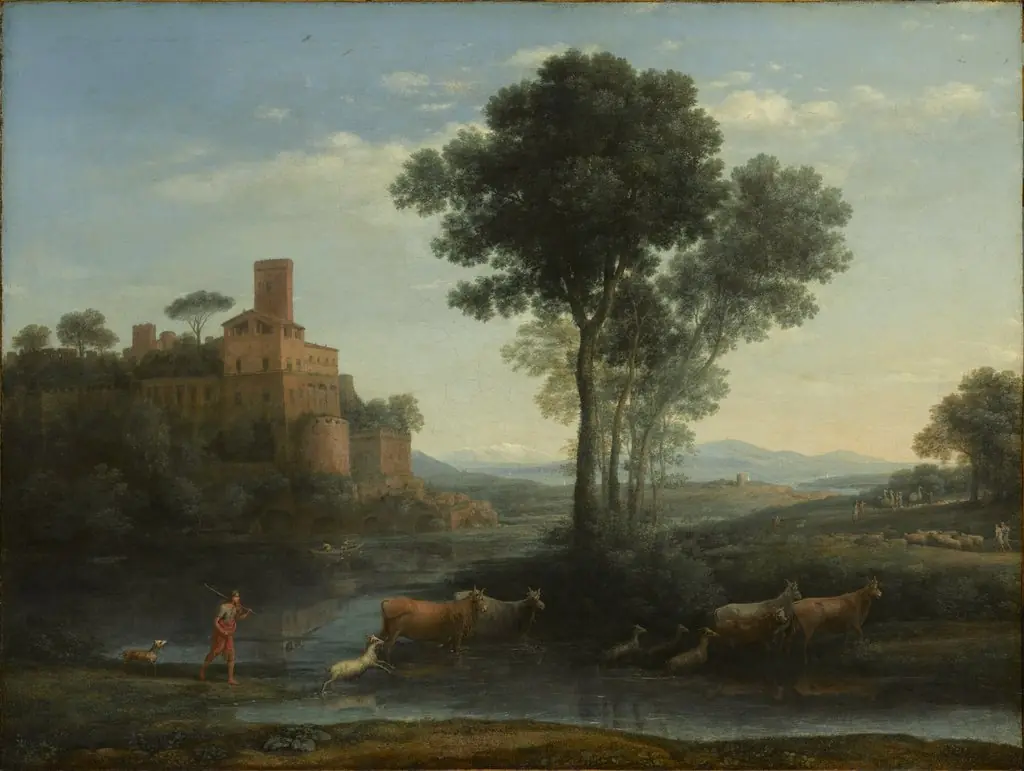
The painting depicts a serene, imagined Roman landscape where crumbling stone walls, towers, and a winding river coexist with a peaceful countryside. Figures of people and animals are subtly integrated into the scene, highlighting the everyday amidst antiquity.
Technique & Style
Van Poelenburgh employed soft, pale lighting to render the ruins both substantial and ethereal. The blended shadows and the serene sky contribute to a depth that draws the viewer into the landscape, characteristic of his small-scale, detailed Italianate works.
History & Provenance
Created in 1620, the painting is part of the collection at the Kunsthistorisches Museum. As a leading Dutch painter in early 17th-century Rome, Van Poelenburgh's work reflects his influence within the first generation of Dutch artists in Italy.
Context
This work reflects the artistic trends of the early Baroque in Italy, where Dutch painters like Van Poelenburgh were drawn to depicting Italian landscapes, often blending antiquity with contemporary life in intricate, small-scale compositions.
Legacy
While specific legacy details of *Capriccio Roman landscape with ruins* are not highlighted, Van Poelenburgh's contributions to the development of Dutch-Italianate landscape painting in the Baroque period remain significant.
Artist & collection
Artist
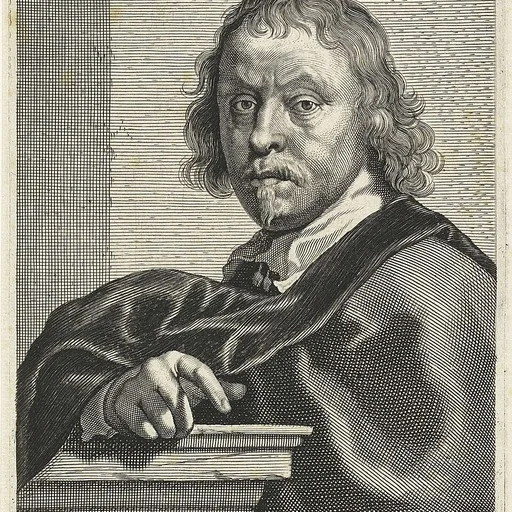
Cornelis van Poelenburgh or Cornelis van Poelenburch (1594 – 12 August 1667), was a Dutch landscape painter and draughtsman.

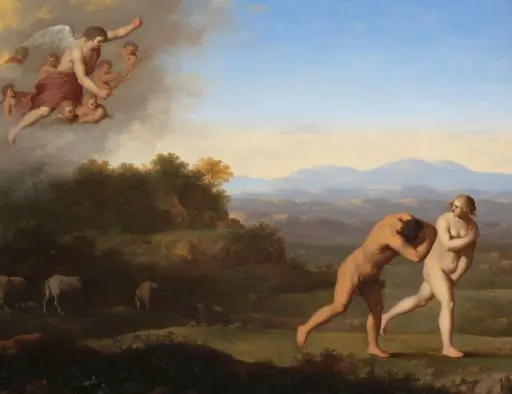
 Italian landscape with ancient ruins and peasants
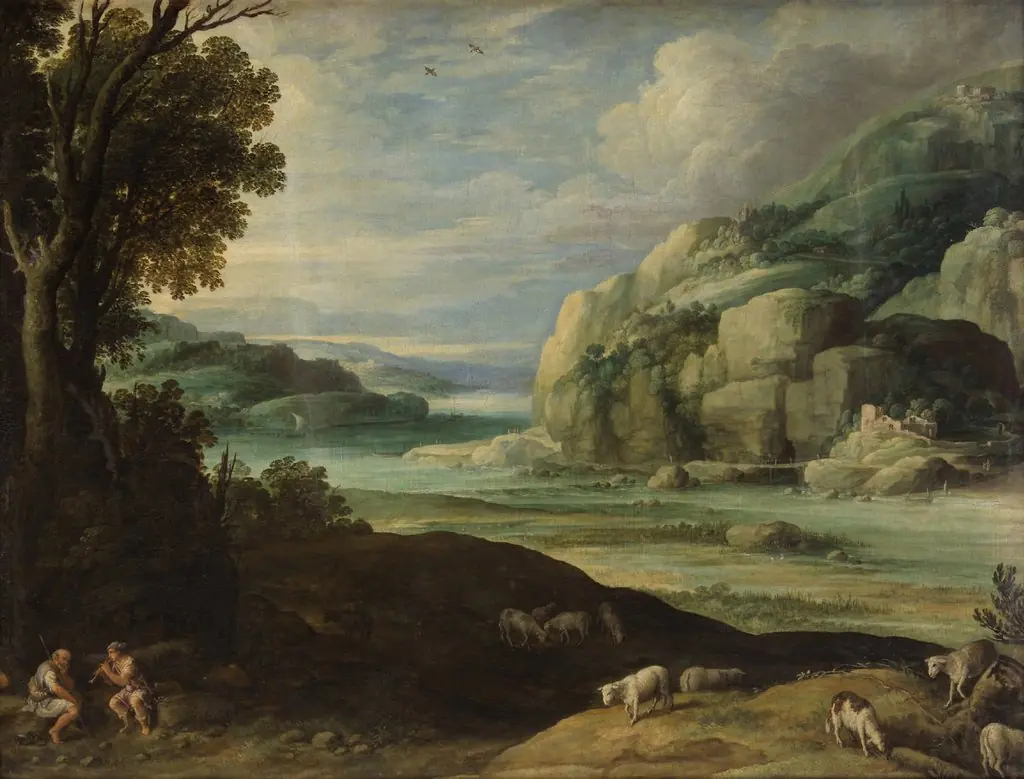 Landschaft mit Merkur und Argus
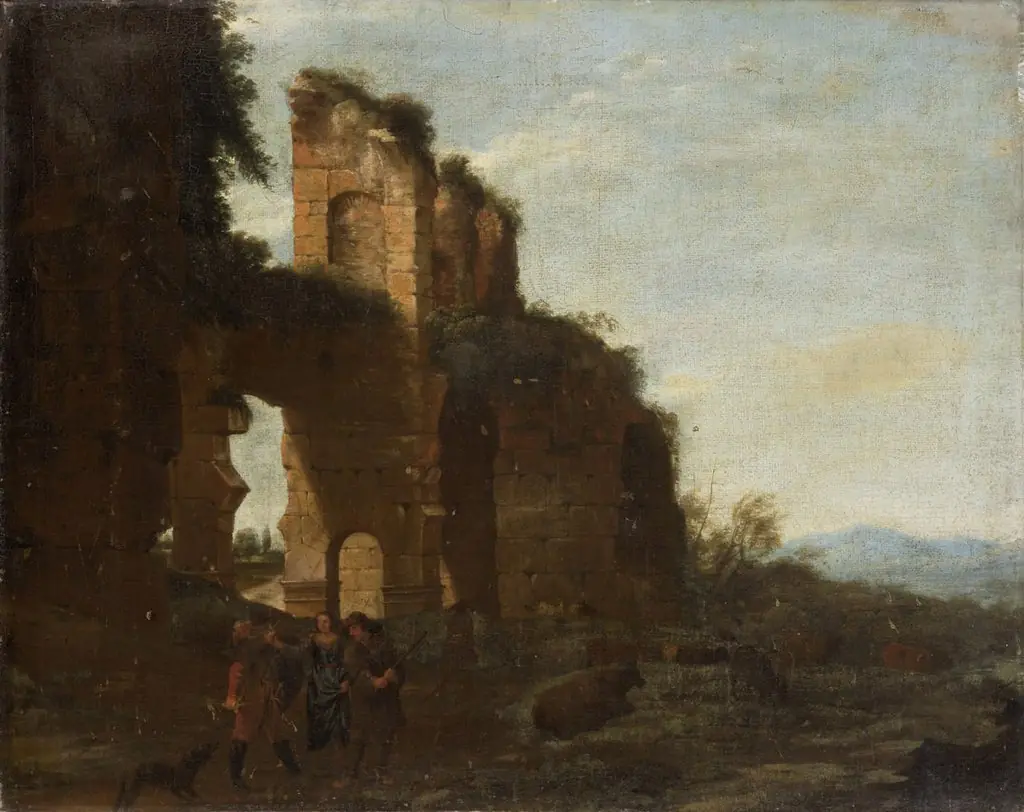 Ruine mit Räubern und einer Frau
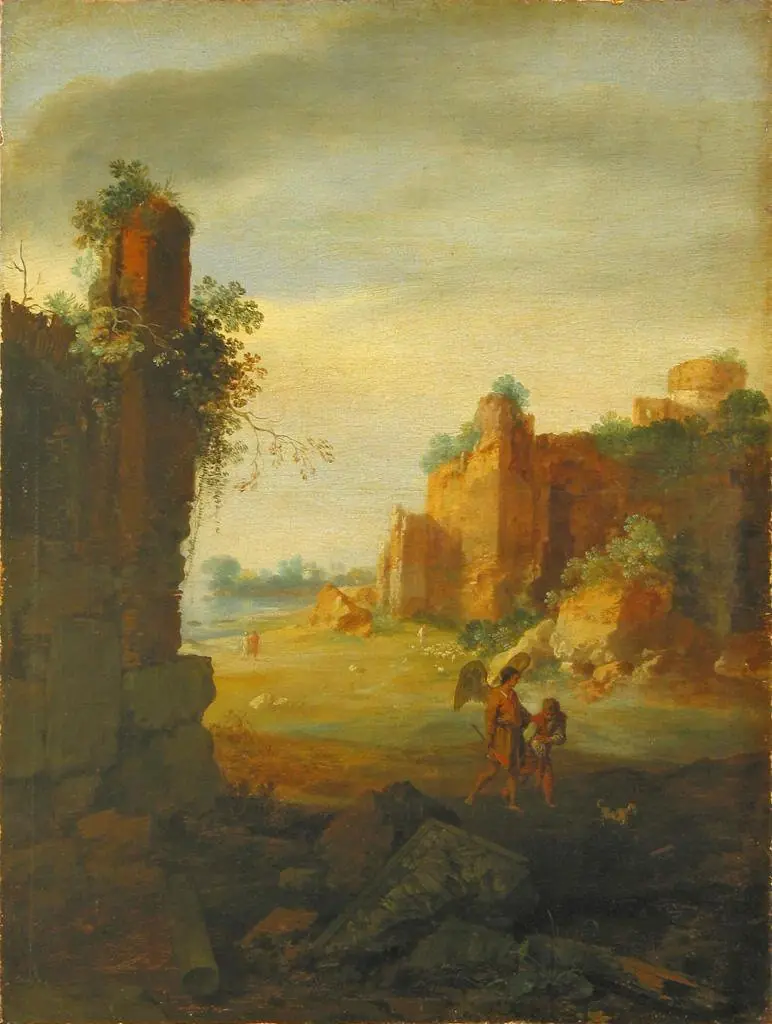 Landscape with Tobias and the Angel
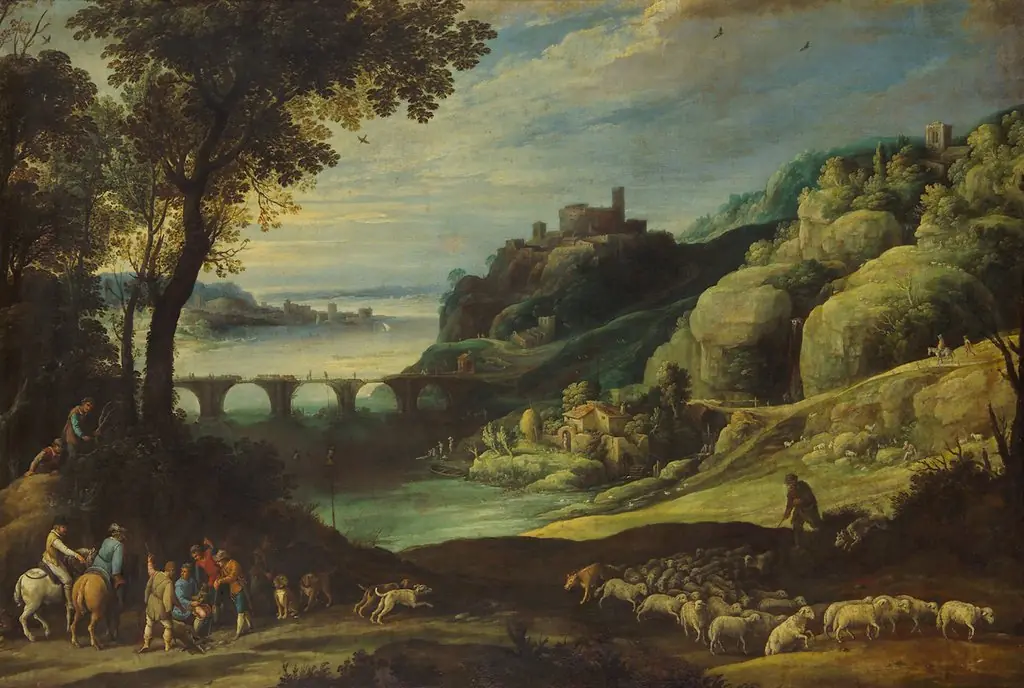 Landschaft mit Brücke
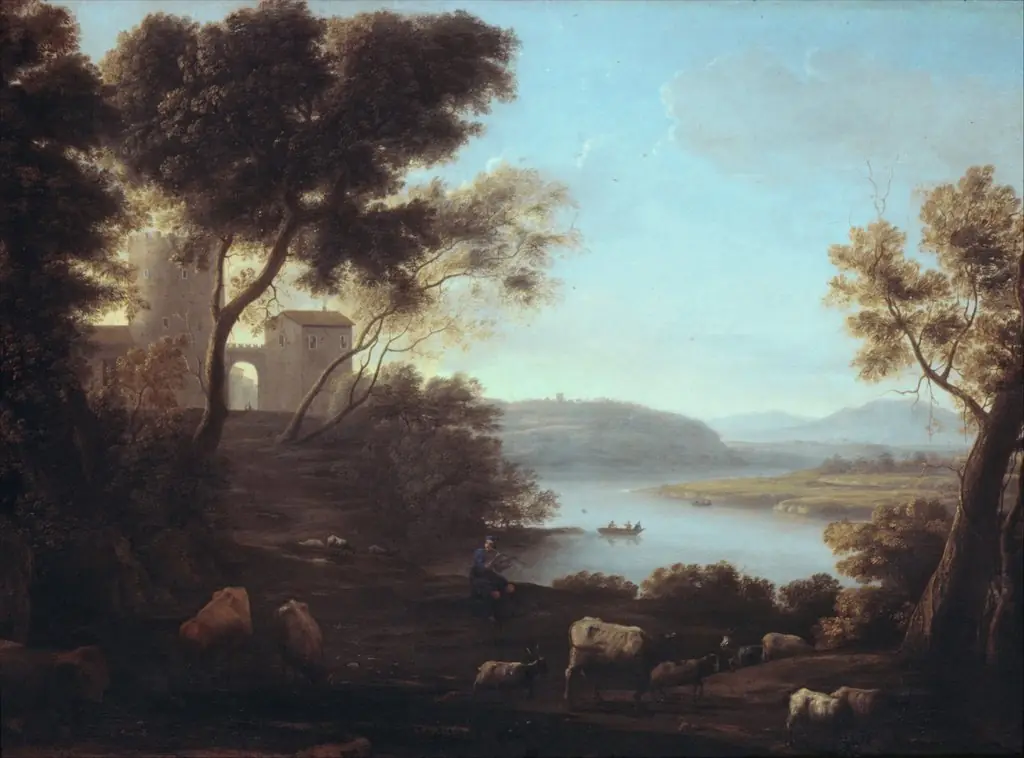 Pastoral Landscape: The Roman Campagna
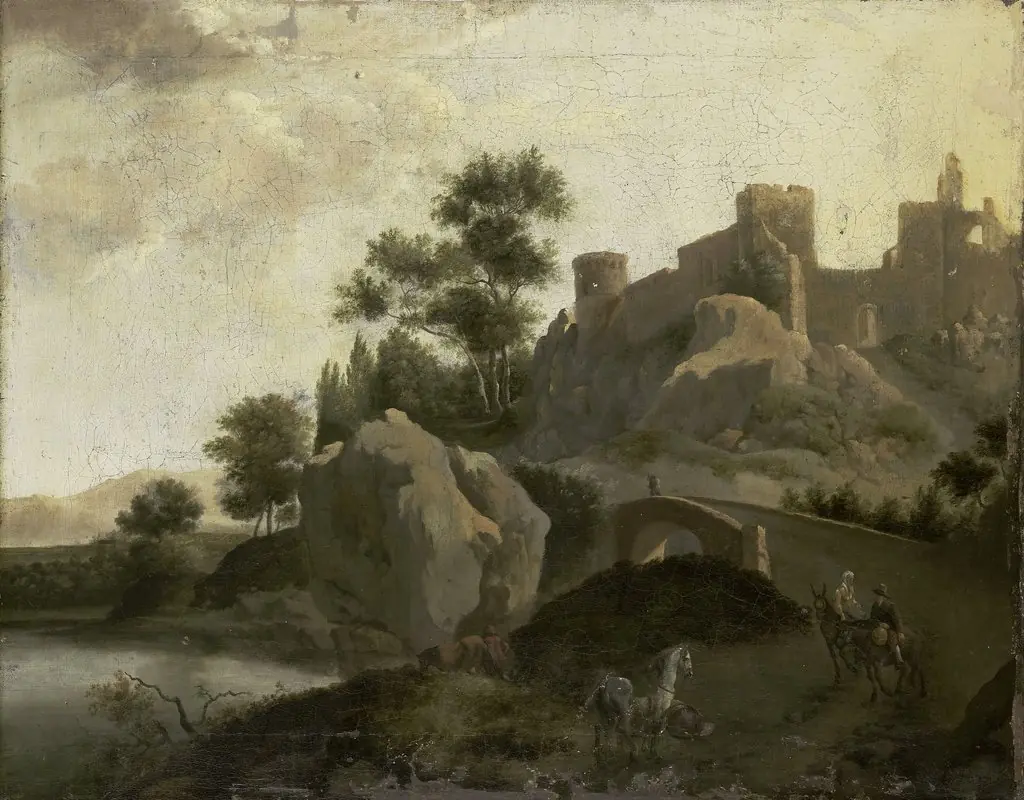 Italian Landscape
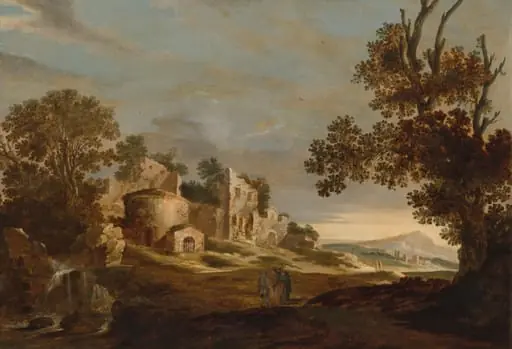 Landscape with Journey to Emmaus
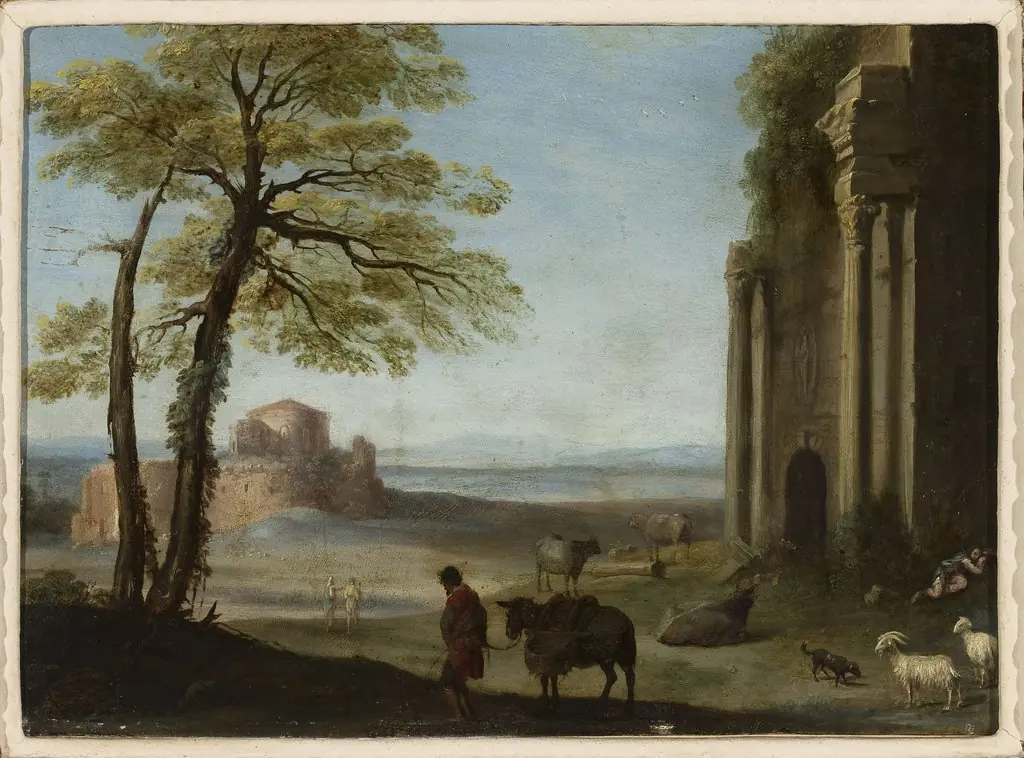 Pastoral landscape
 Italian Landscape
 Landscape with the Voyage of Jacob
 River landscape