Artwork
Pastoral landscape
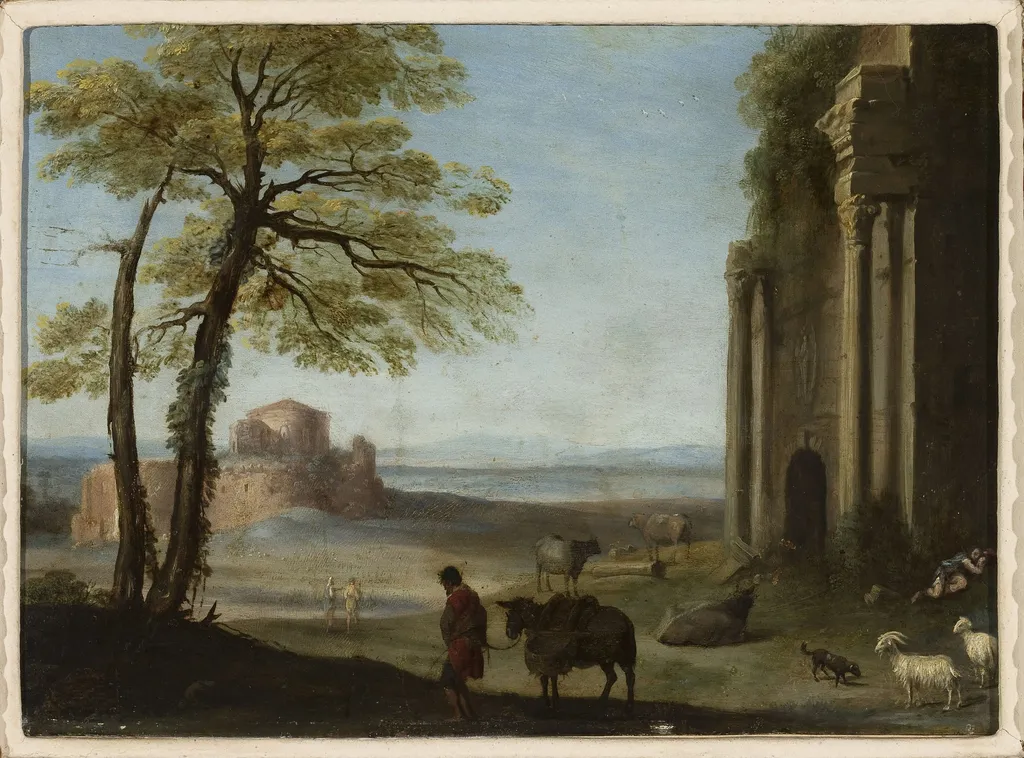
Pastoral landscape is an unspecified painting by the Rococo painting artist Cornelius van Poelenburgh. It is held in the collection of the National Museum in Warsaw.
About this work
Overview
Though often associated with biblical or mythological narratives, this work focuses on a quiet rural setting, emphasizing atmosphere over narrative.
Painted around 1700 by Cornelius van Poelenburgh, this small-scale landscape reflects the Dutch tradition of Italianate scenery. Though often associated with biblical or mythological narratives, this work focuses on a quiet rural setting, emphasizing atmosphere over narrative. Van Poelenburgh’s compositions typically blend Northern European precision with southern light, creating a calm, timeless mood.
Subject & Meaning
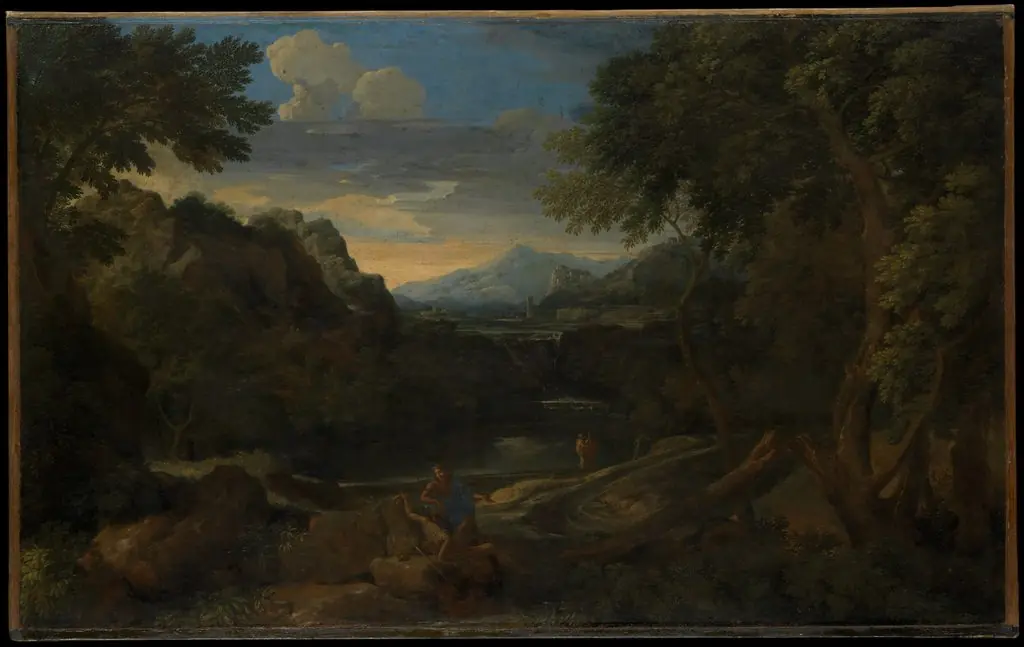
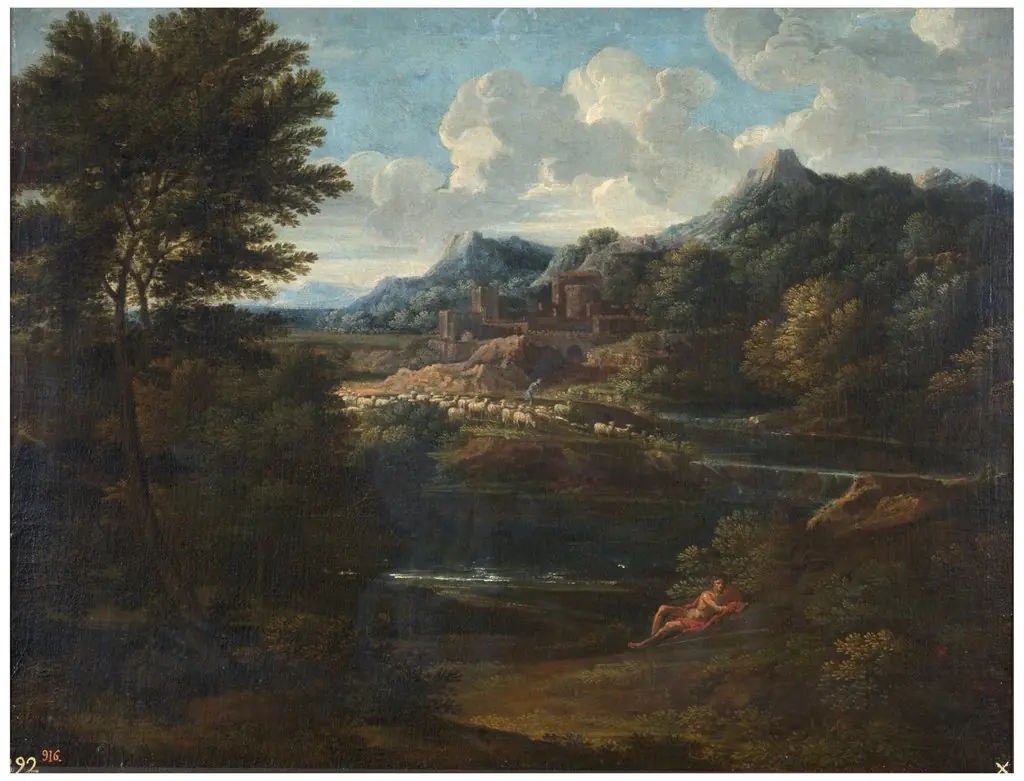
The scene presents an idealized countryside, free from labor or disruption. A man with a donkey, grazing animals, and distant figures suggest a harmonious coexistence with nature. The absence of dramatic events or human conflict reinforces a contemplative tone, aligning with 17th-century ideals of pastoral peace as a moral and aesthetic refuge.
Technique & Style
Van Poelenburgh employs subtle tonal gradations to model forms and suggest depth, drawing from Roman landscape traditions. His brushwork is restrained, favoring soft transitions over bold contrasts. Light is diffused evenly across the scene, enhancing the serenity of the setting without relying on dramatic chiaroscuro, distinguishing his approach from more theatrical contemporaries.
History & Provenance
The painting entered the collection of the National Museum in Warsaw, where it remains today. While its exact provenance before the 20th century is not fully documented, its style and scale are consistent with van Poelenburgh’s known output and the tastes of Dutch collectors who favored intimate, refined landscapes in the late 17th and early 18th centuries.
Context
Van Poelenburgh worked during a period when Dutch artists increasingly turned to idealized Italianate landscapes, often inspired by travels or prints from Rome. His work responded to a market seeking tranquil, picturesque scenes that evoked classical antiquity. Though Rococo aesthetics were emerging, his style remained rooted in earlier Baroque conventions of quiet order and balance.
Legacy
Van Poelenburgh’s influence endured among Dutch and Flemish painters who specialized in small, contemplative landscapes. His integration of Italianate motifs into Northern traditions helped shape a genre that prioritized mood over narrative. Though less celebrated than his peers, his work contributed to the evolution of landscape painting as an expression of serene, human-scale harmony.
Artist & collection
Artist
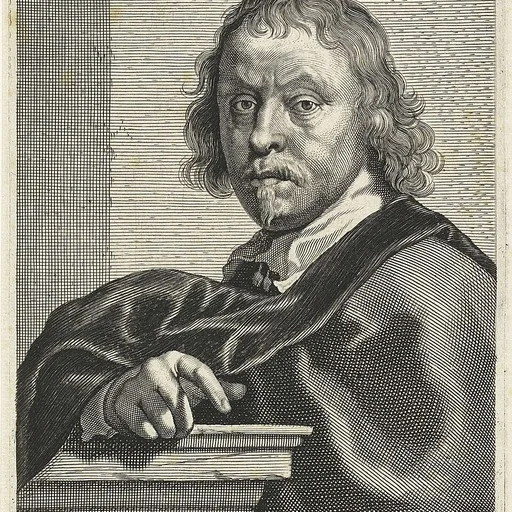
Cornelis van Poelenburgh or Cornelis van Poelenburch (1594 – 12 August 1667), was a Dutch landscape painter and draughtsman.

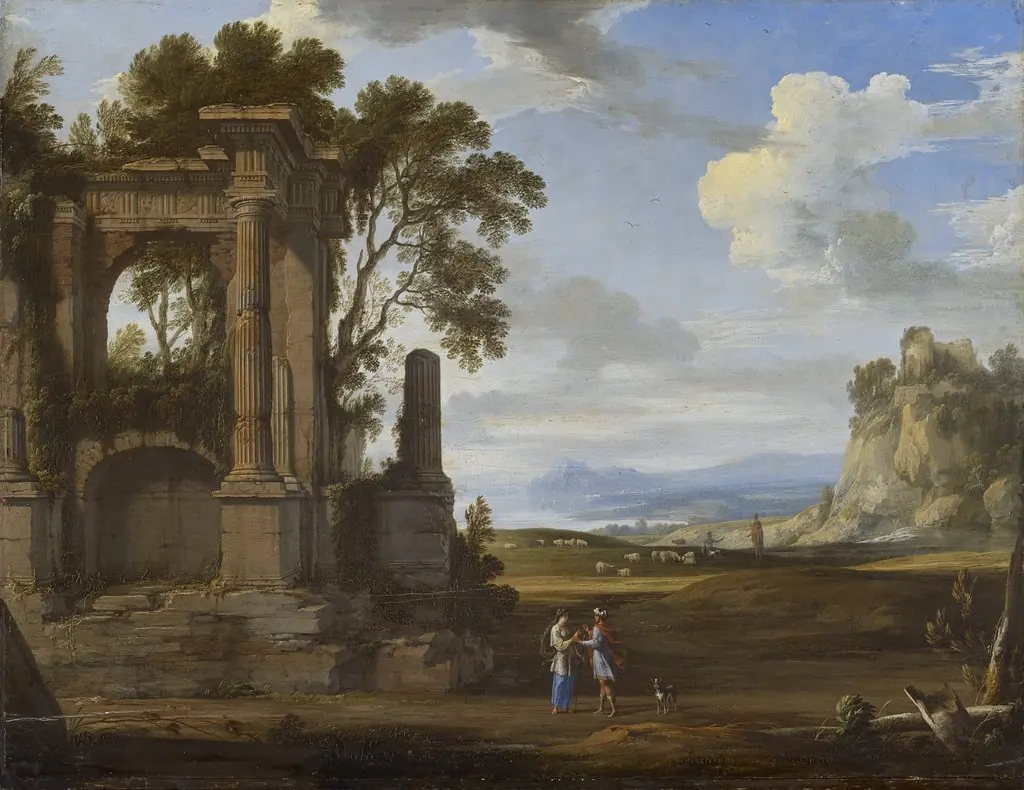 A Classical Landscape with Judah and Tamar
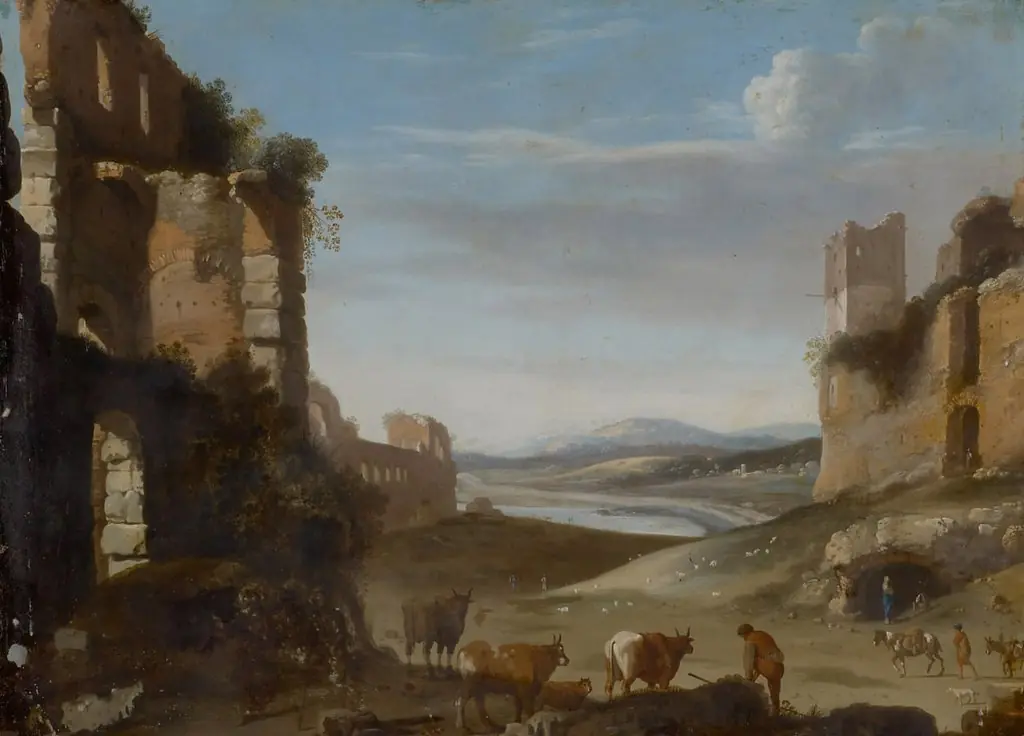 Capriccio Roman landscape with ruins
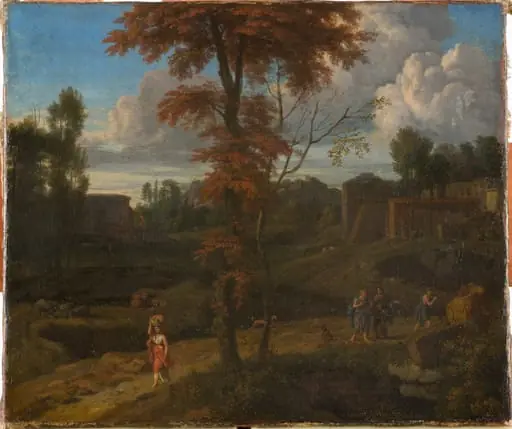 Der Morgen
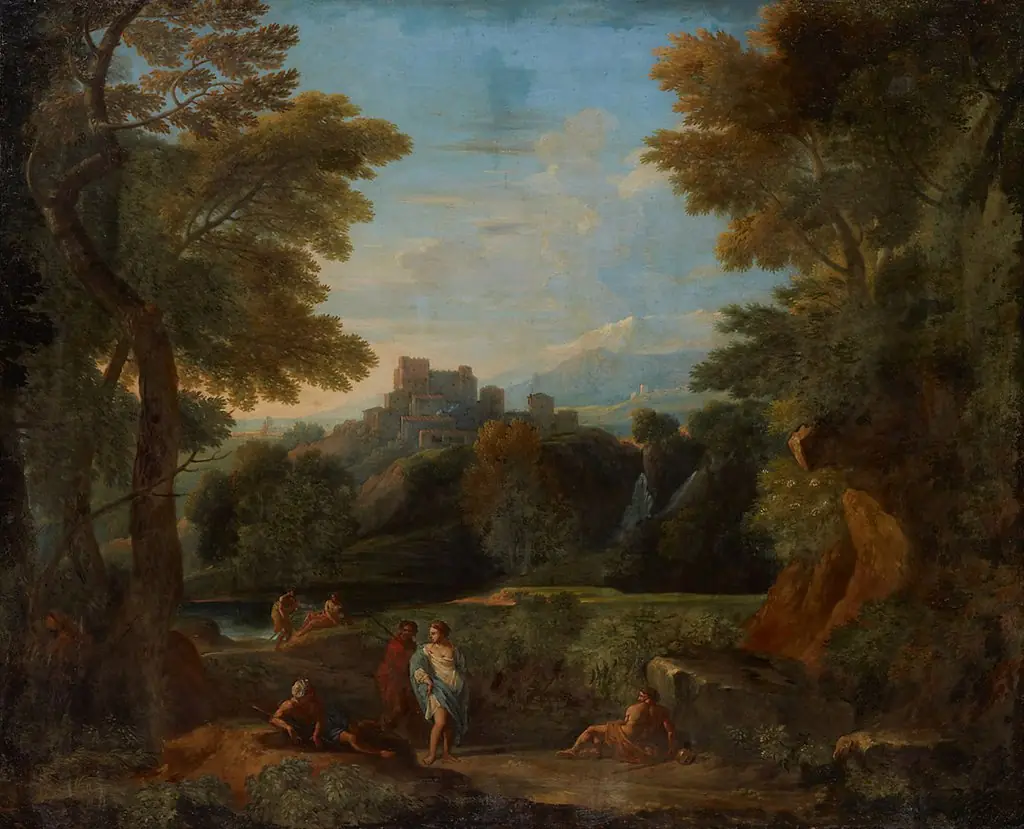 Italian Landscape
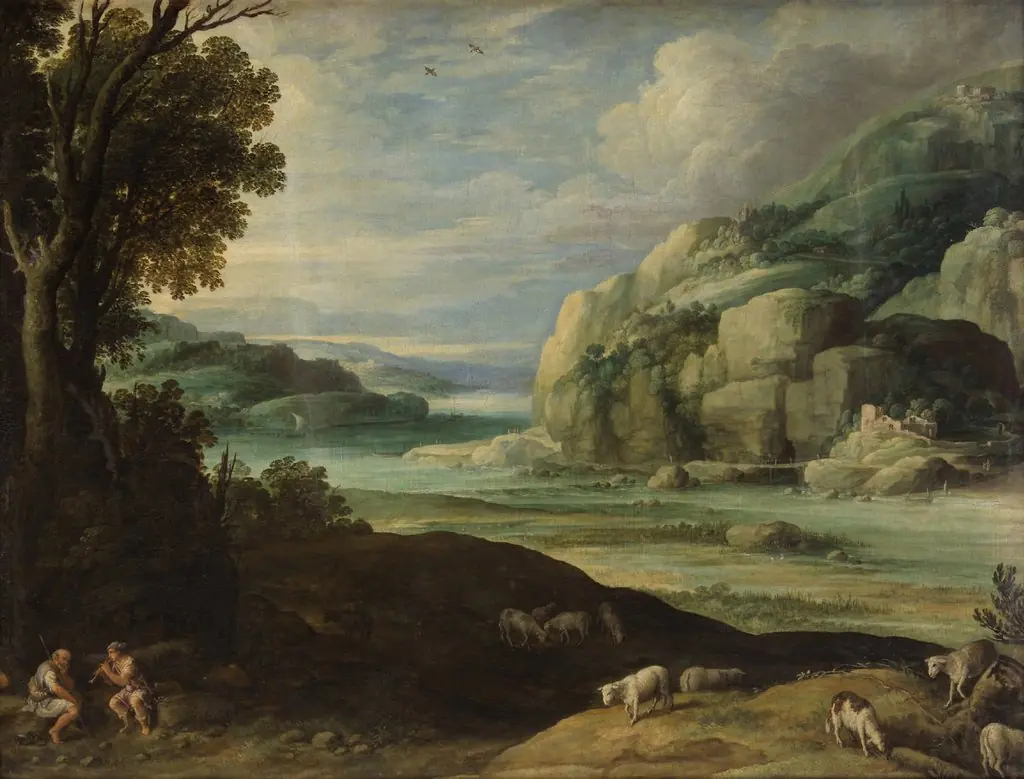 Landschaft mit Merkur und Argus
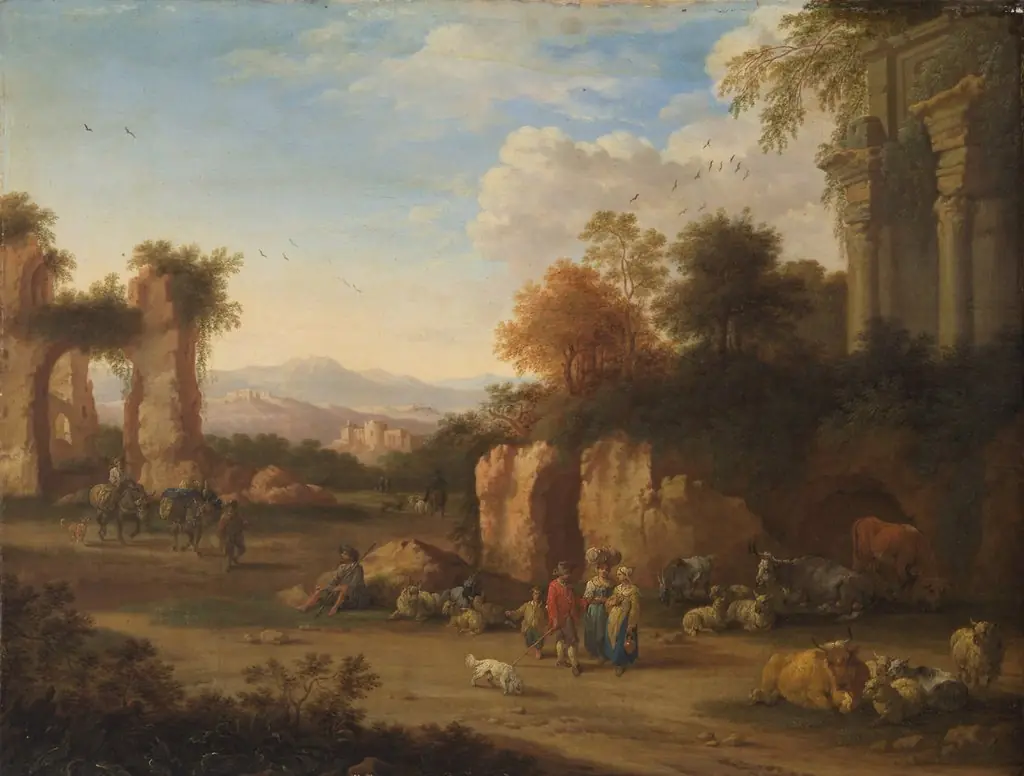 Italian landscape with ancient ruins and peasants
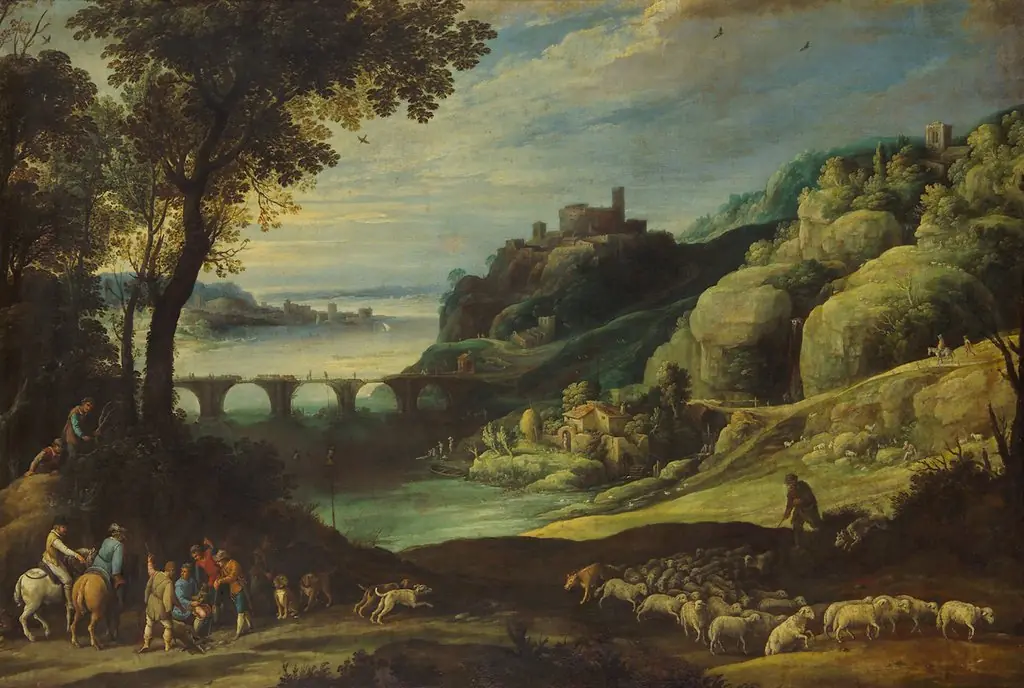 Landschaft mit Brücke
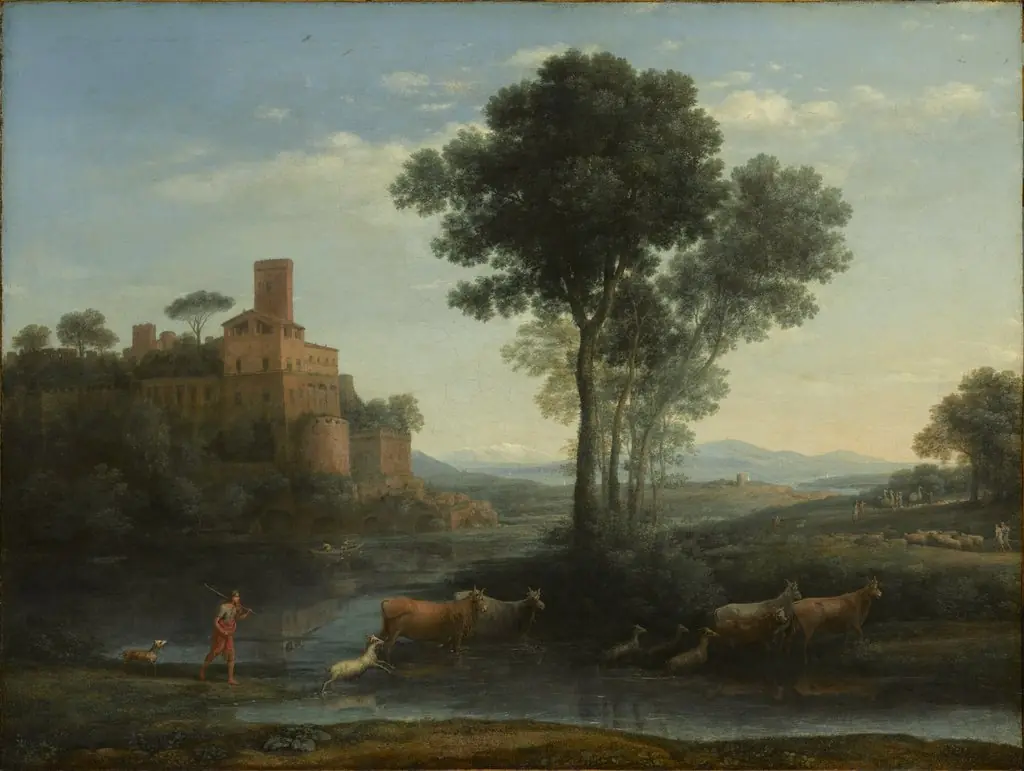 Landscape with the Voyage of Jacob
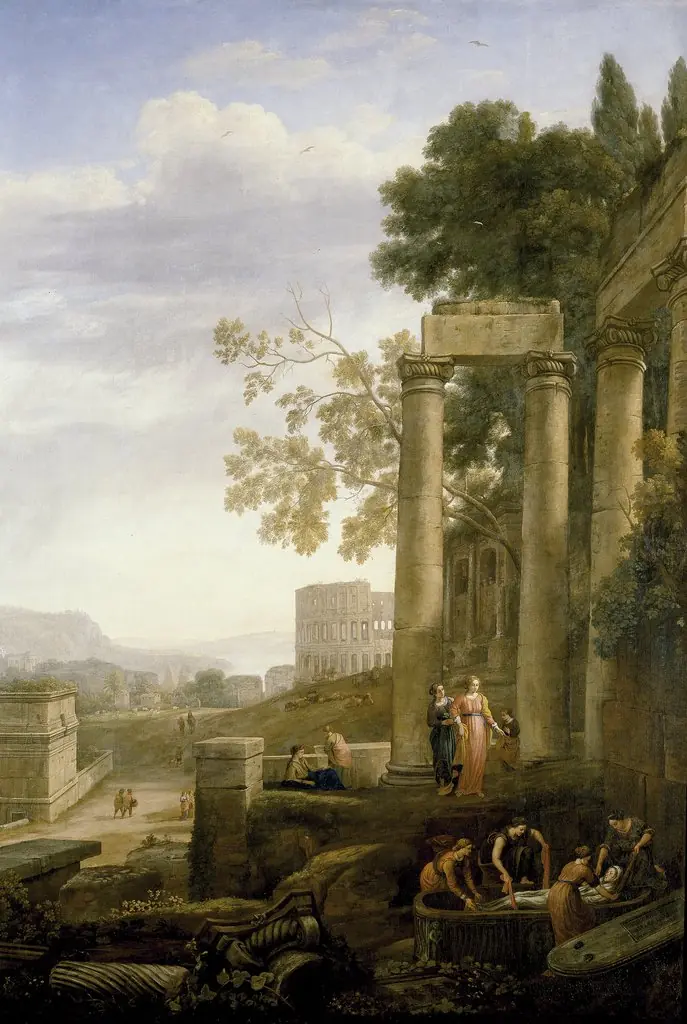 Landscape with the Burial of Saint Serapia
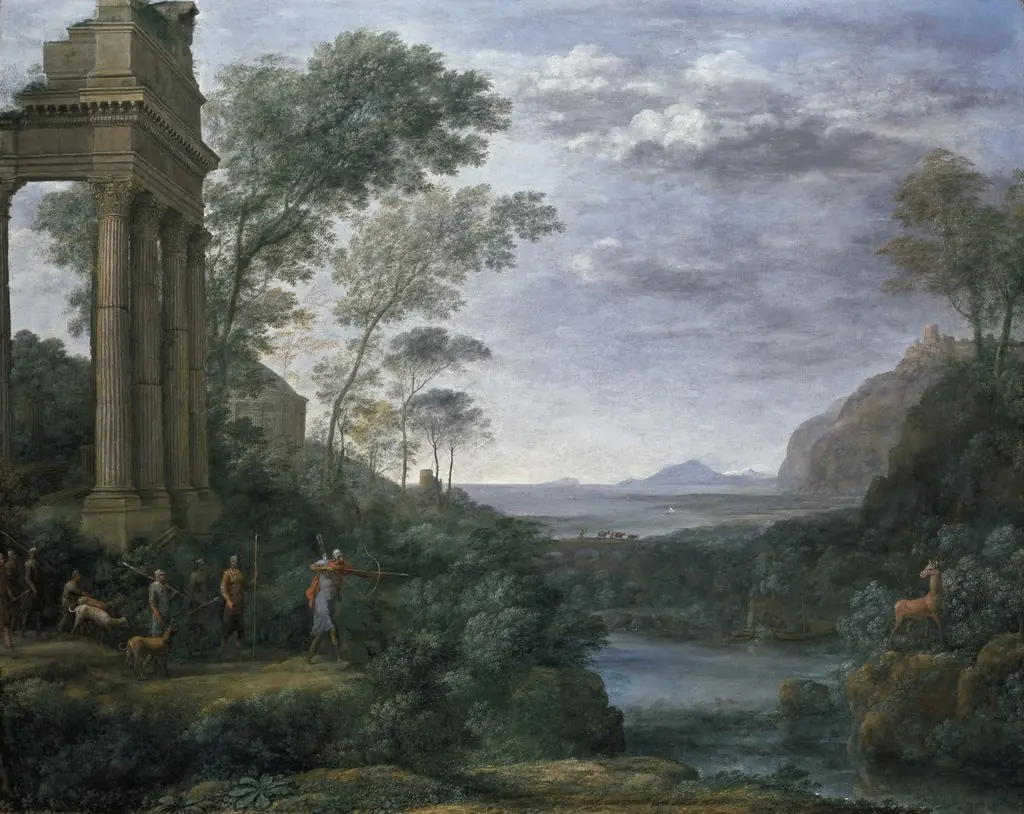 Ascanius Shooting the Stag of Sylvia
 Imaginary Landscape
 Paisaje con pastor