Artwork
Ruine mit Räubern und einer Frau
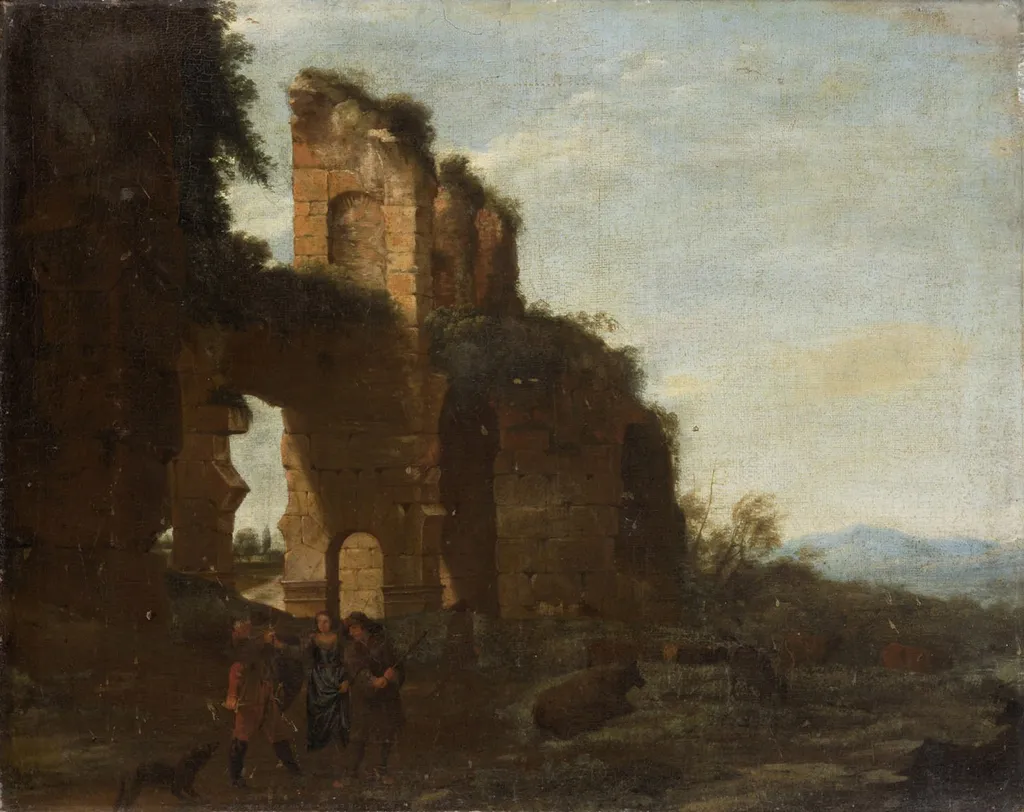
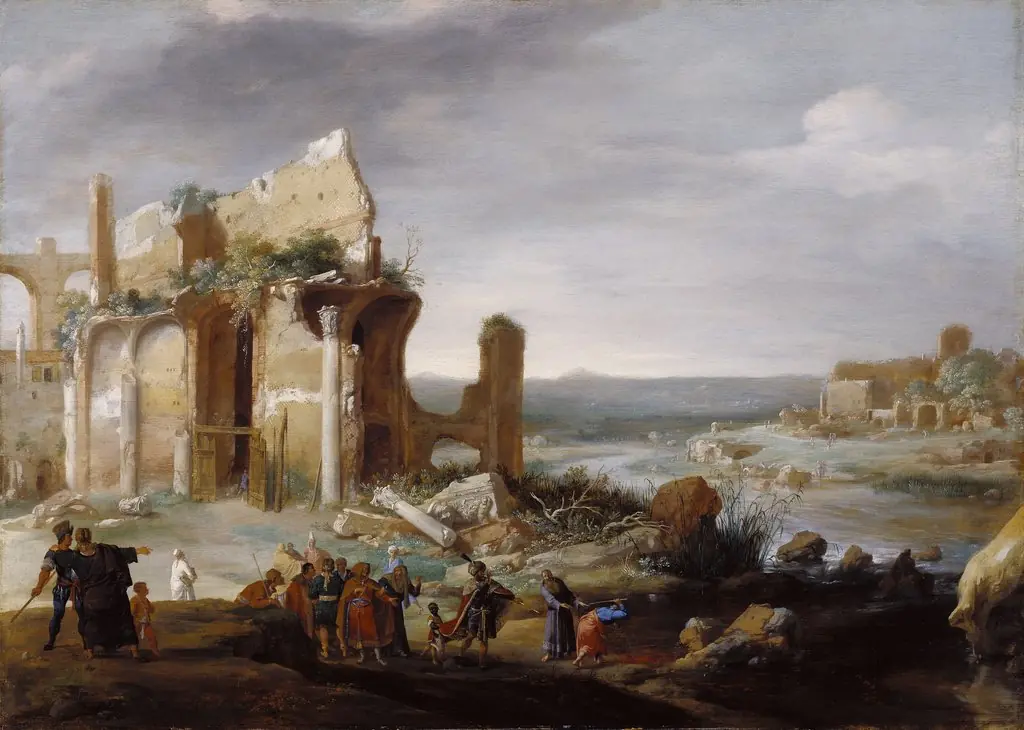
Ruine mit Räubern und einer Frau is an unspecified painting by Willem van Bemmel. It dates from 1679 and is held in the collection of the Kunsthistorisches Museum.
About this work
Overview
Willem van Bemmel, a Dutch painter active in the late 17th century, produced this landscape with figures around 1679 after settling in Germany.
Willem van Bemmel, a Dutch painter active in the late 17th century, produced this landscape with figures around 1679 after settling in Germany. Trained in Utrecht under Herman Saftleven, he spent time in Rome, where he absorbed Italianate traditions and joined the Bentvueghels, a community of Northern artists. The work reflects his synthesis of Northern European detail with southern architectural ruins and atmospheric effects.
Subject & Meaning
The scene centers on a group of figures gathered before a decaying stone structure, their presence suggesting narrative tension without explicit drama. One holds a staff, another engages in quiet conversation, evoking transient human interaction amid decay. The ruin, neither clearly Roman nor medieval, functions as a silent witness to time and transience, aligning with contemporary moralizing themes in landscape painting.
Technique & Style
Bemmel employs soft, diffused light to model forms and deepen spatial recession, guiding attention toward the central figures against a hazy horizon. His brushwork is precise yet unobtrusive, rendering stone textures and foliage with quiet realism. The composition balances architectural fragments with expansive sky and rolling hills, a hallmark of his Italianate approach, where nature and ruin coexist in harmonious stillness.
History & Provenance
The painting entered the collection of the Kunsthistorisches Museum in Vienna, likely through Habsburg acquisitions of Northern European art in the 17th or 18th century. Its presence there reflects the imperial court’s interest in landscape works that blended Dutch precision with Italianate grandeur. No earlier ownership records are widely documented, but its survival in a major public collection underscores its enduring recognition.
Context
In the decades after the Thirty Years’ War, Northern artists increasingly turned to ruins as symbols of impermanence and cultural memory. Bemmel’s work fits within a broader trend among Dutch and German painters who idealized Italian scenery, often inventing composite ruins that fused classical remnants with Alpine topography. These scenes appealed to patrons seeking contemplative, morally resonant imagery.
Legacy
Bemmel’s paintings, though not widely celebrated in his lifetime, contributed to the development of the German landscape tradition by bridging Dutch and Italian modes. His focus on atmospheric ruin scenes influenced later regional painters who favored quiet, poetic landscapes over dramatic narratives. Today, his works remain valued for their subtle tonal harmony and restrained emotional tone.
Artist & collection
Artist
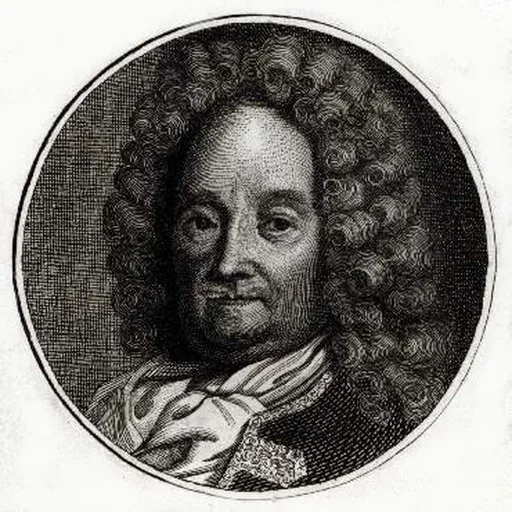
Willem van Bemmel, or Guillaume, or Wilhelm von Bemmel (10 June 1630 – 20 December 1708), was a Dutch Golden Age landscape painter who moved to Germany.

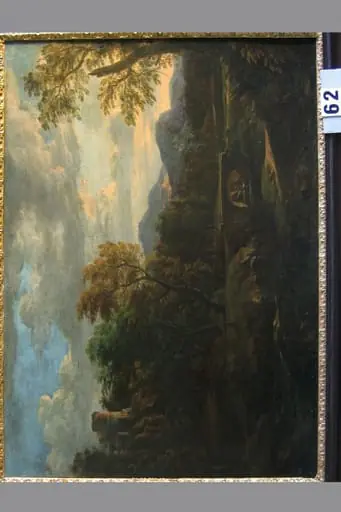
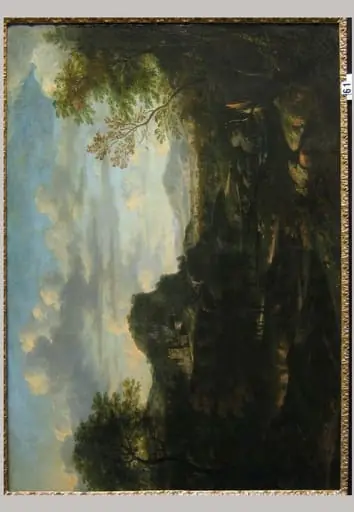
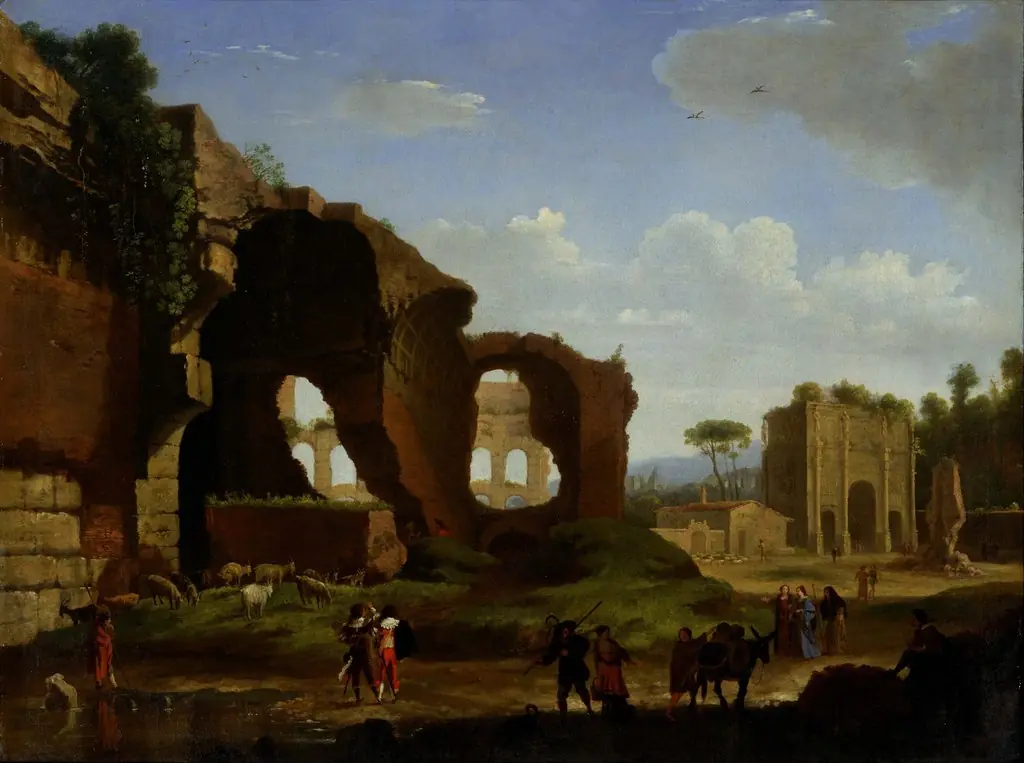 A Roman View of the Ruins of the Temple of Venus and Rome with the Colosseum and the Arch of Constantine
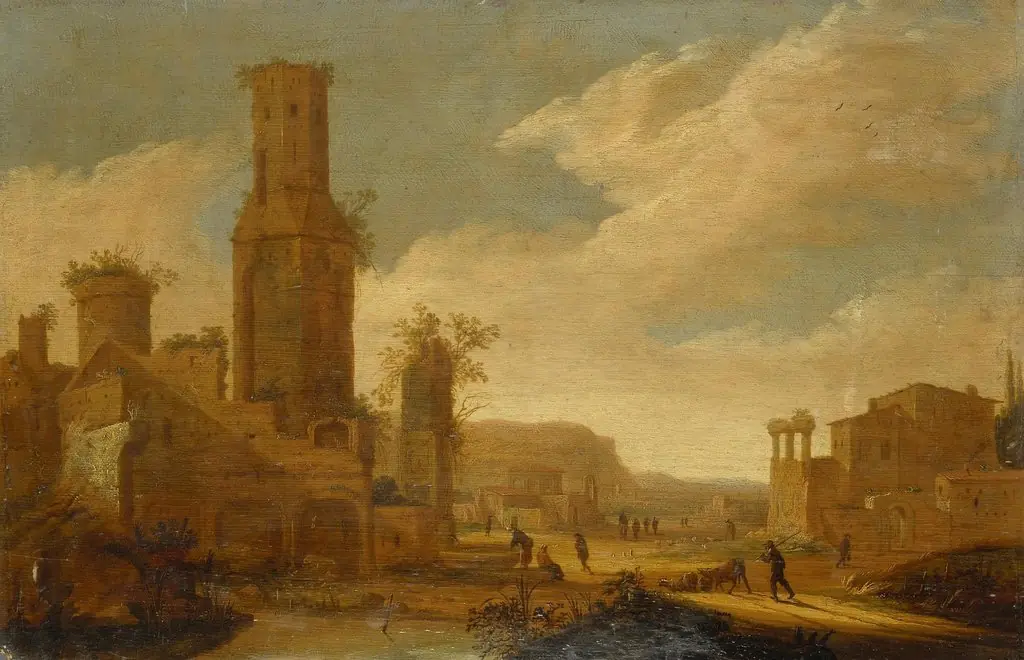 Landscape with Ruins
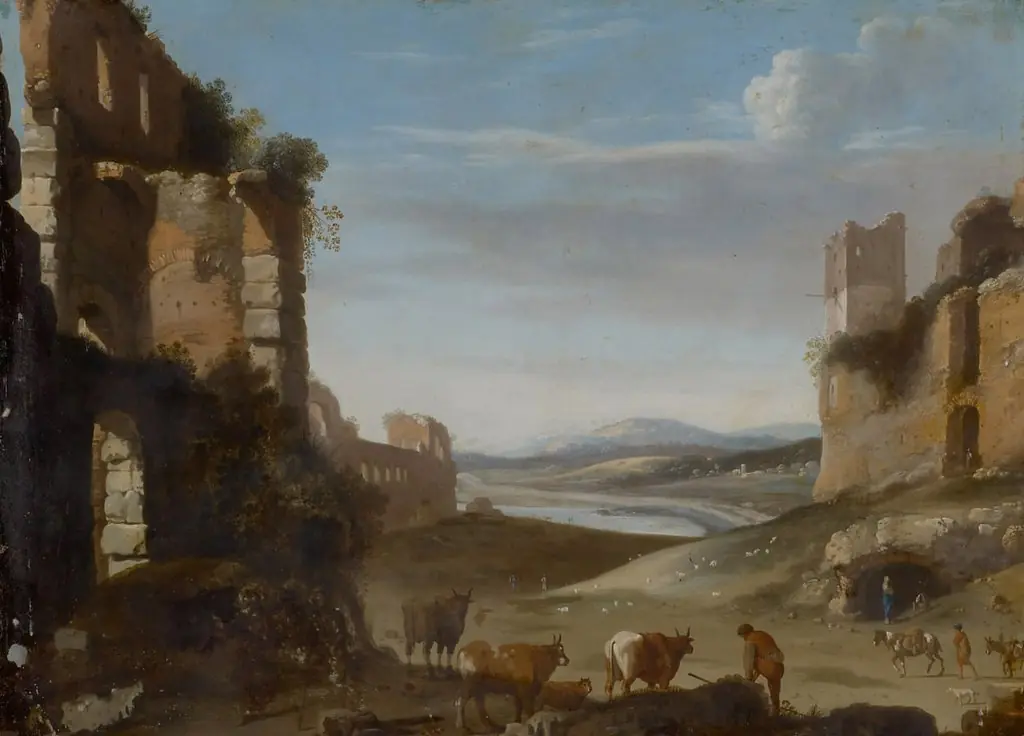 Capriccio Roman landscape with ruins
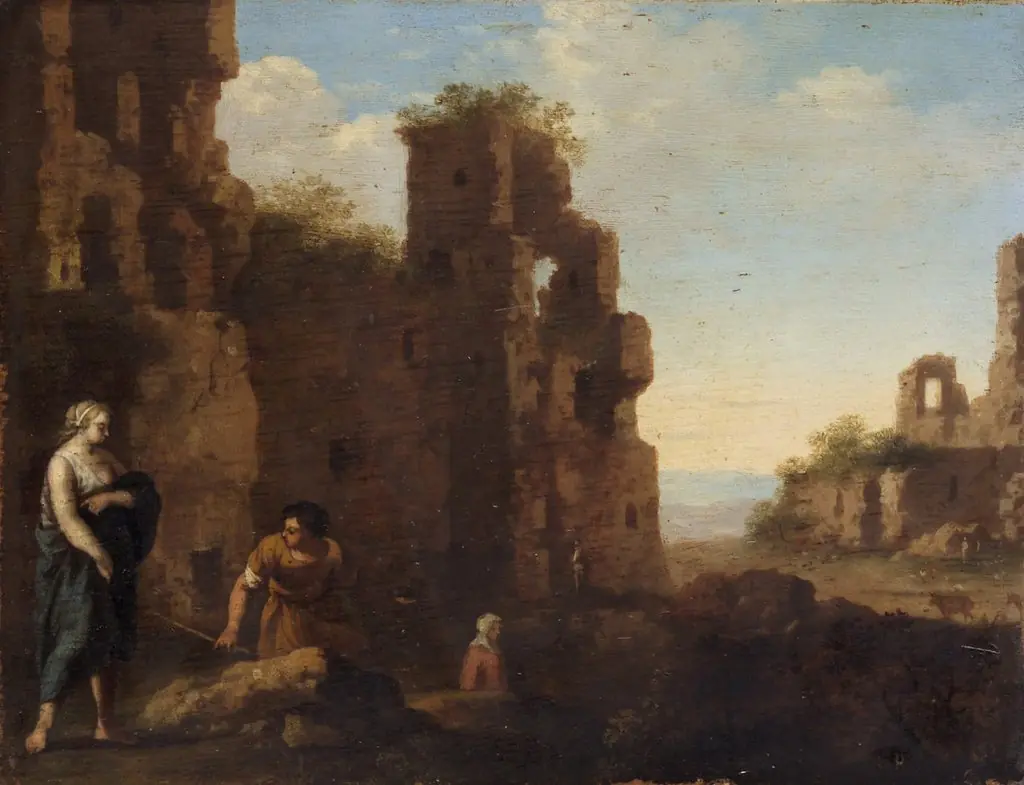 Ruinenlandschaft mit Staffage
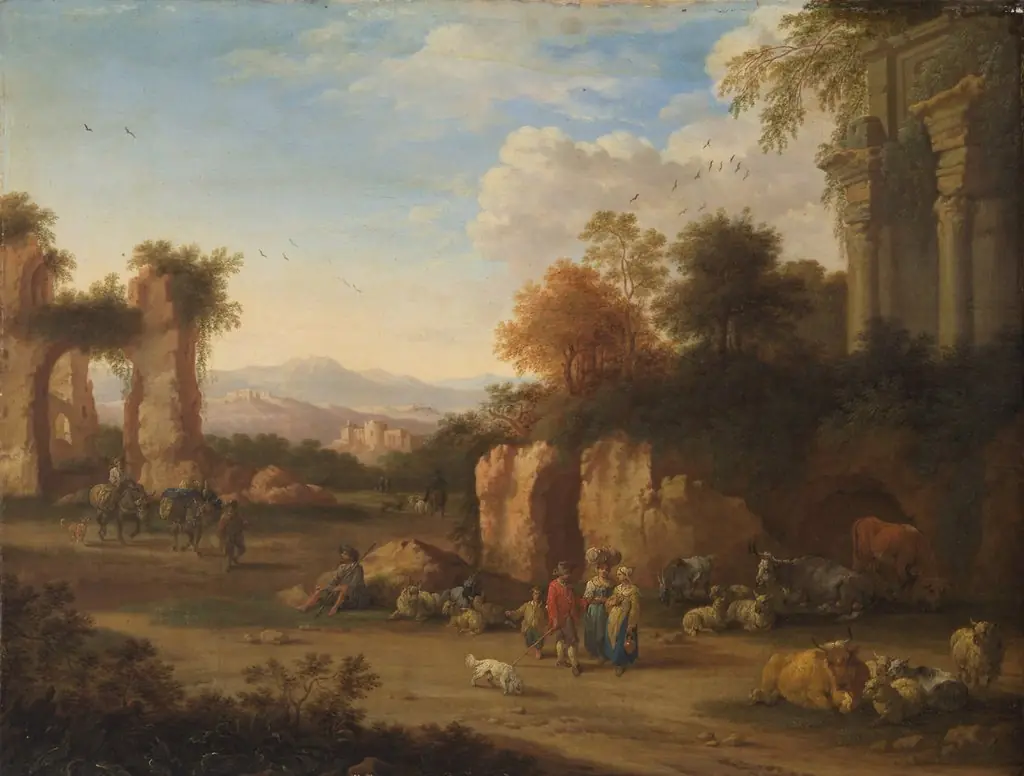 Italian landscape with ancient ruins and peasants
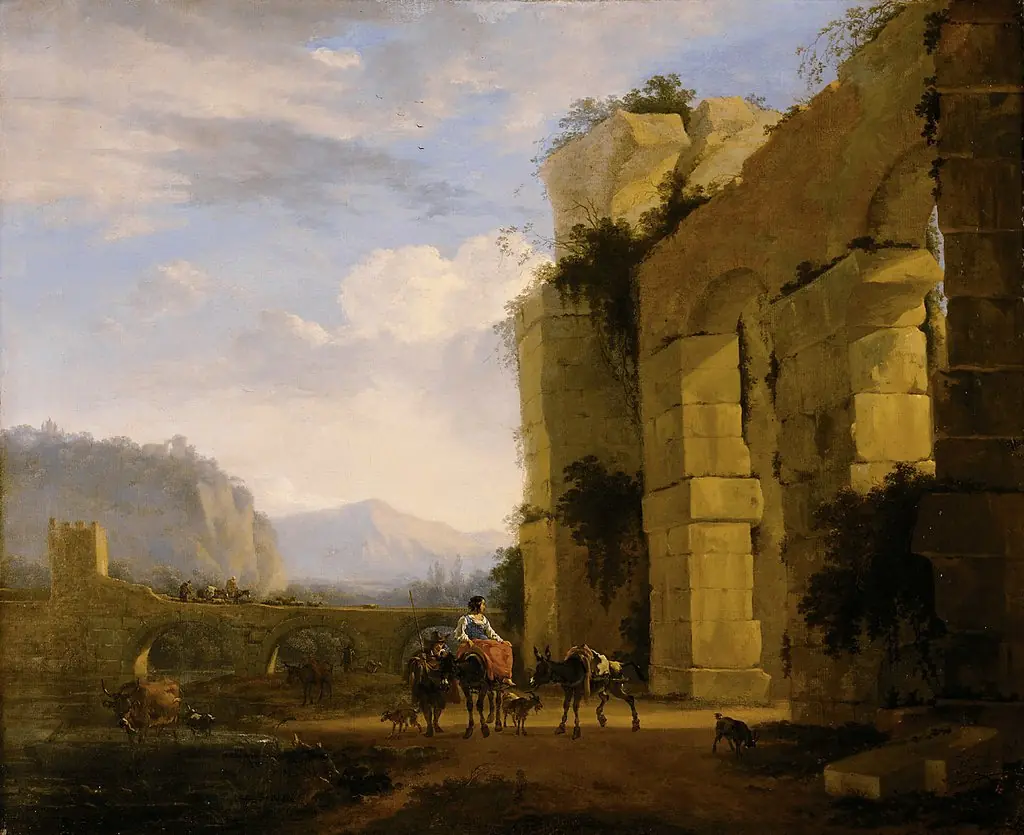 Landscape with the ruin of an aquaduct
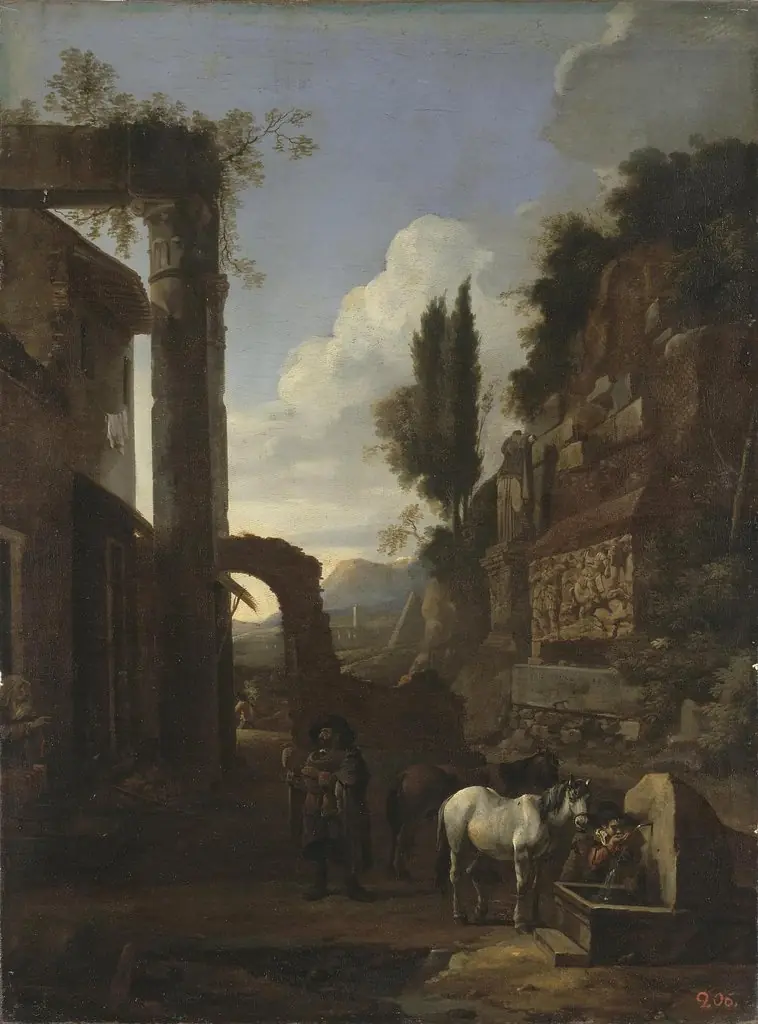 Road in the Roman Campagna
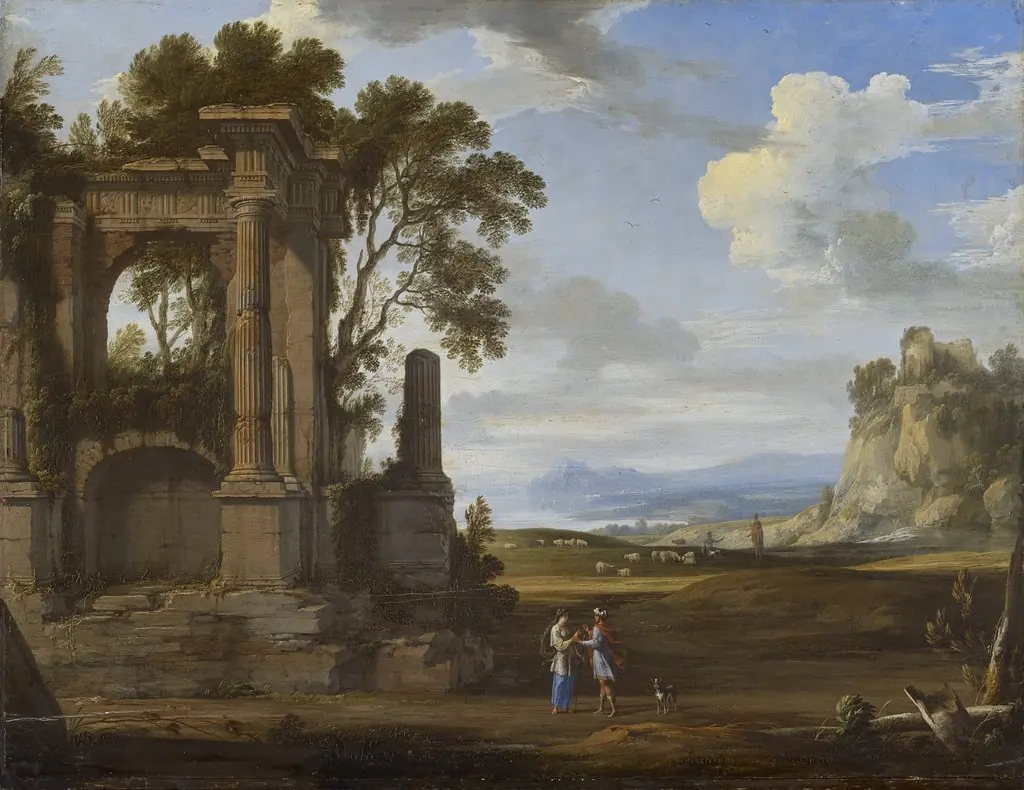 A Classical Landscape with Judah and Tamar
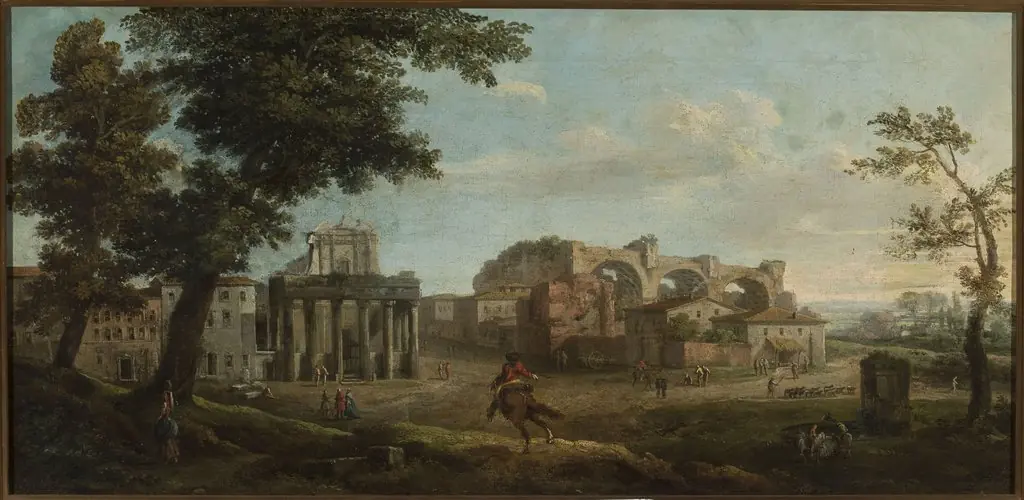 View of Rome
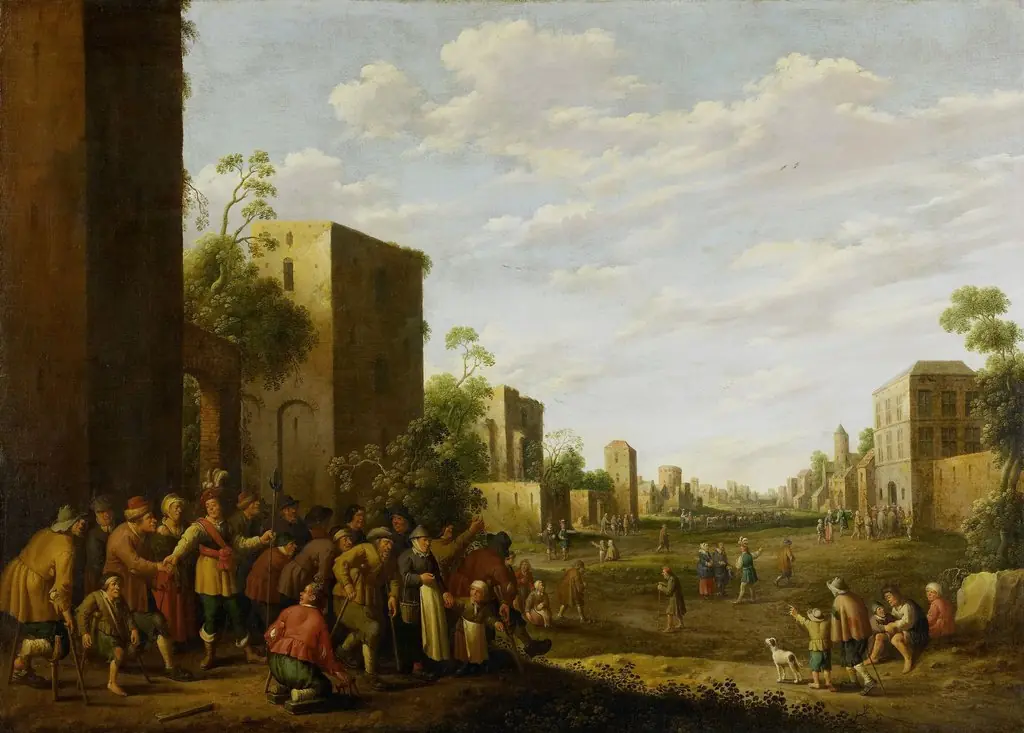 Housing the poor
 Moses and Aaron Changing the Rivers of Egypt to Blood
 River Landscape