Artwork
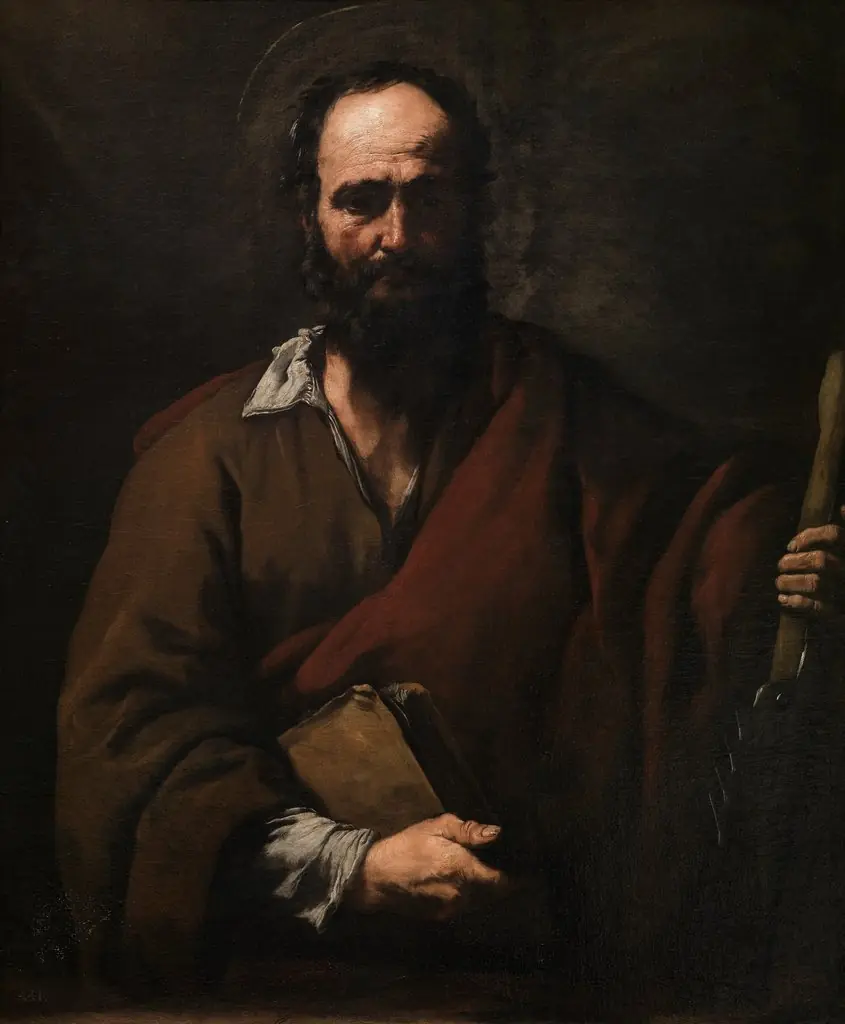
Santo Tomás
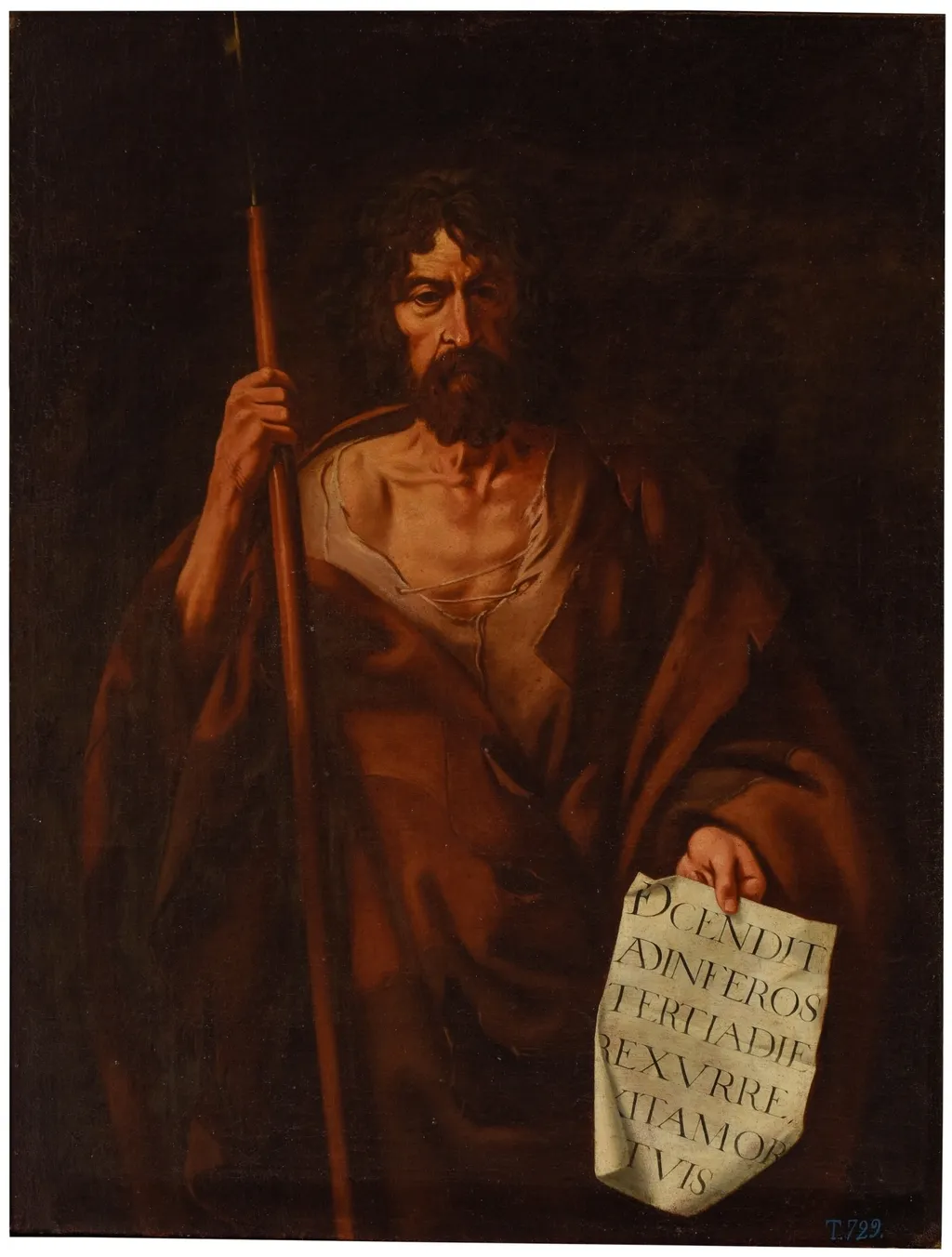
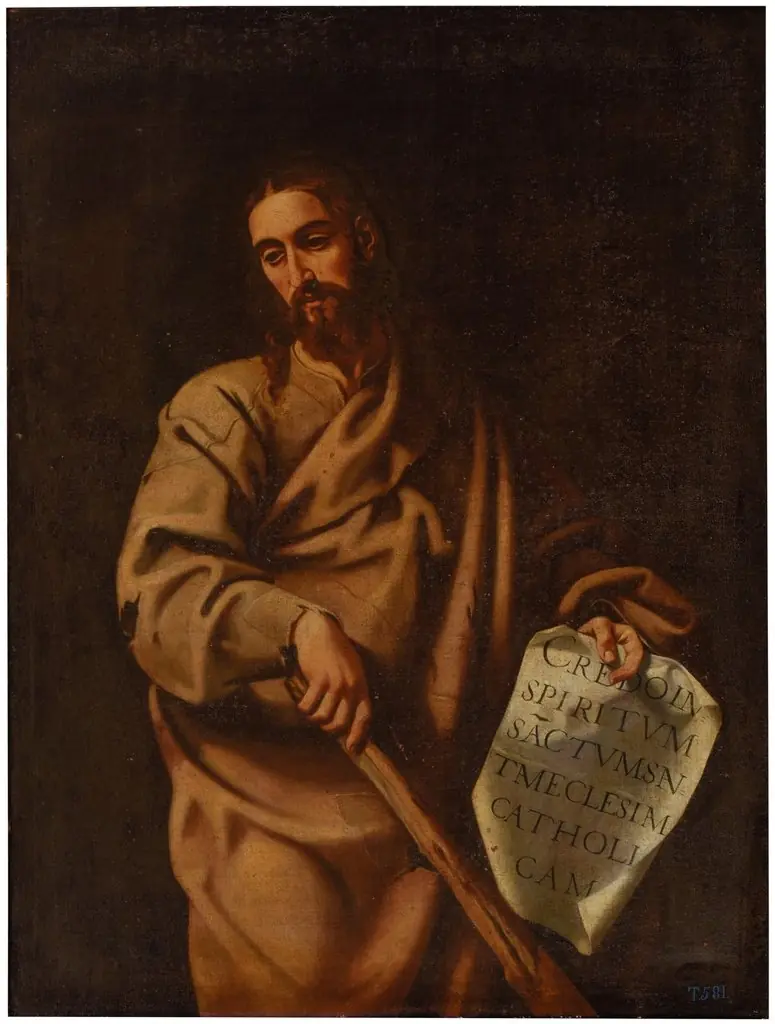
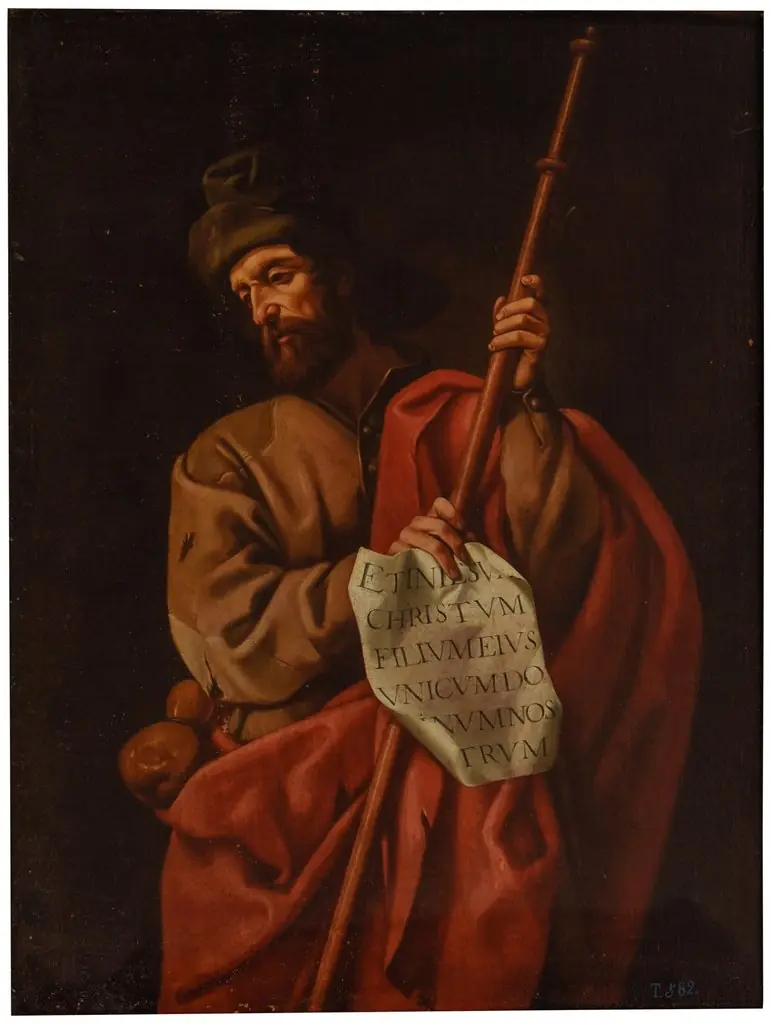
Santo Tomás is an oil painting by the Early Baroque Italian artist Cristóbal García Salmerón. It dates from 1601 and is held in the collection of the Museo del Prado.
About this work
Overview
Created in 1601, this oil on canvas portrays the apostle Thomas as envisioned by Spanish painter Cristóbal García Salmerón. The work is part of the collection of the Museo del Prado, where it is displayed among other early‑17th‑century religious pieces.
Subject & Meaning
The figure holds a long wooden staff in his right hand, a traditional attribute of itinerant holy men, while his left hand grips a sheet of paper bearing dark lettering, suggesting a scriptural reference or a personal testimony. Dressed in a modest brown habit with a visible white collar, the apostle’s contemplative pose invites reflection on faith and doubt.
Technique & Style
Salmerón employs a stark contrast between illuminated flesh tones and a deep, shadowed backdrop, exemplifying the chiaroscuro approach that was gaining prominence in Spanish Baroque painting. The careful modeling of the beard and shoulder‑length hair demonstrates a keen observation of texture within the limited colour range.
History & Provenance
The painting entered the Prado’s holdings through the museum’s early acquisitions of works by lesser‑known Spanish artists of the period. Its attribution to Salmerón has been confirmed by stylistic analysis and archival records linking the piece to the artist’s output around the turn of the 17th century.
Own this work as a print
Artist & collection
Artist
Cristóbal García Salmerón (1603–1666) was an artist, born in Cuenca.