Artwork
Saint Bartholomew
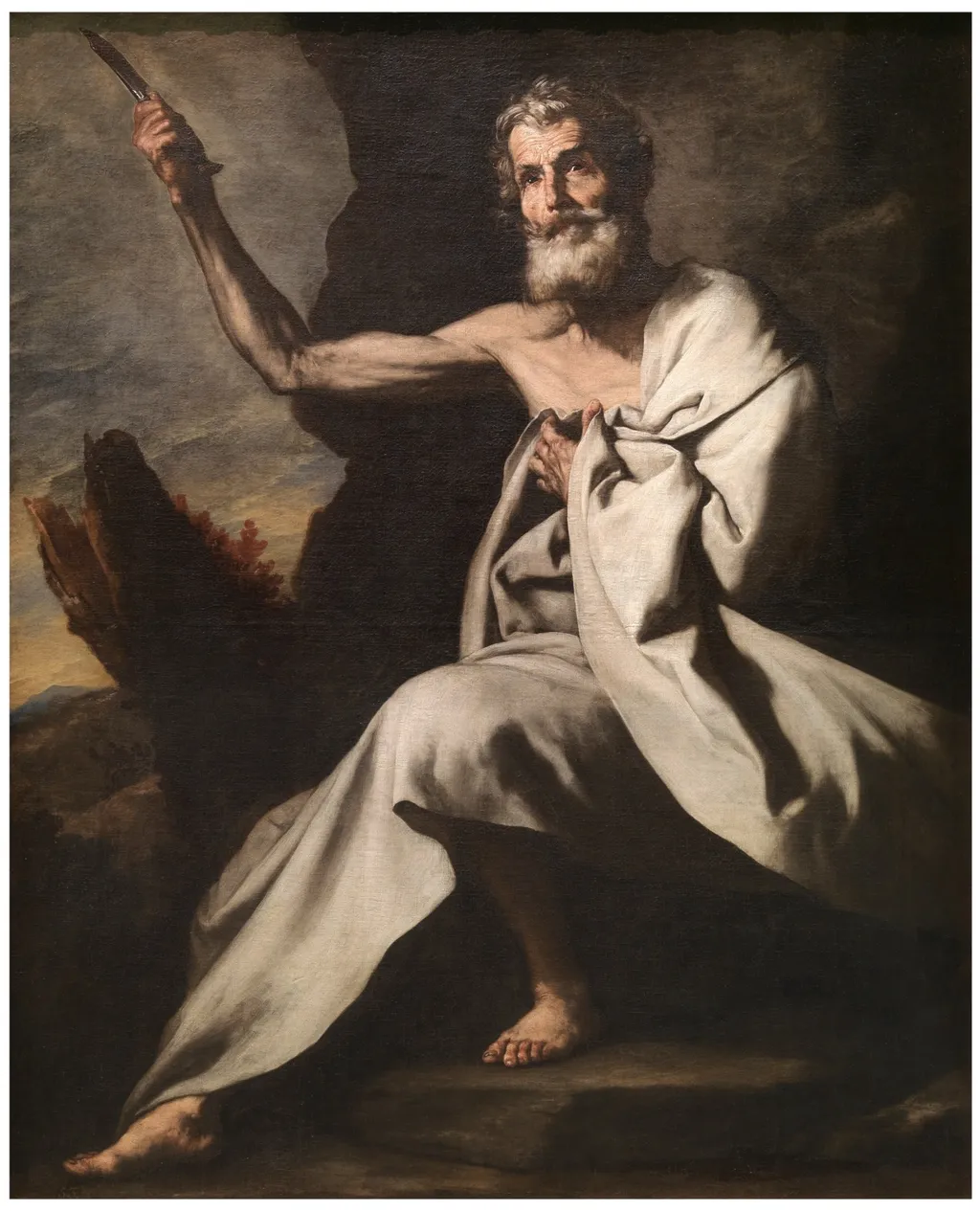
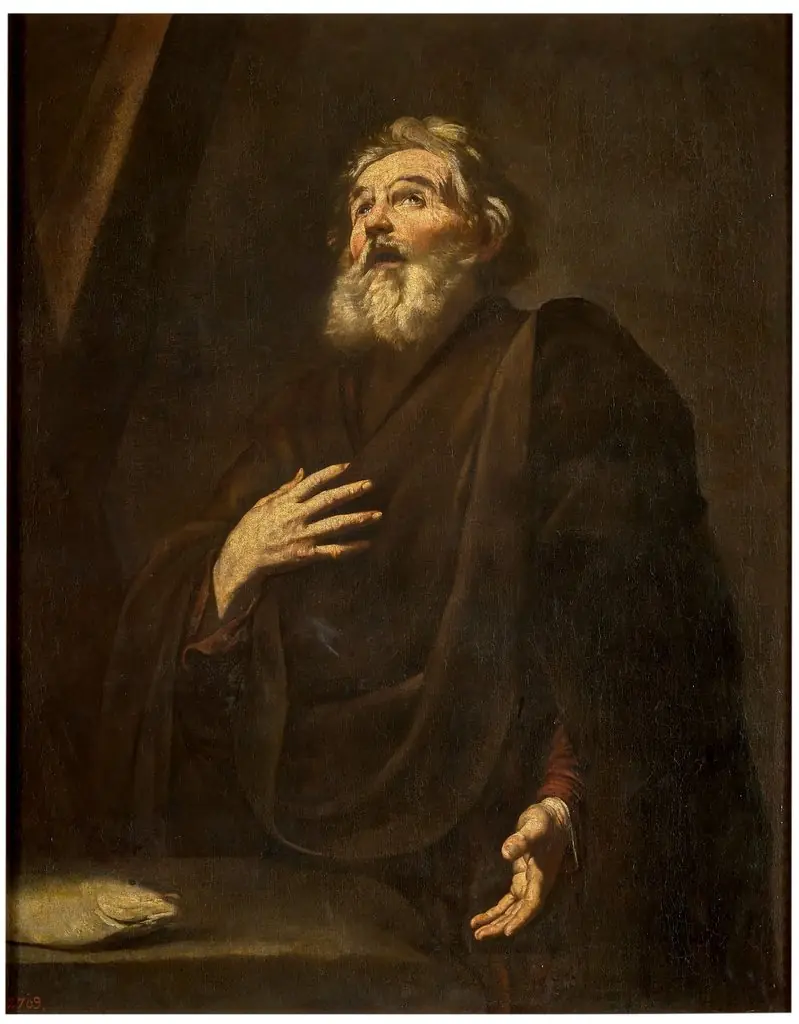
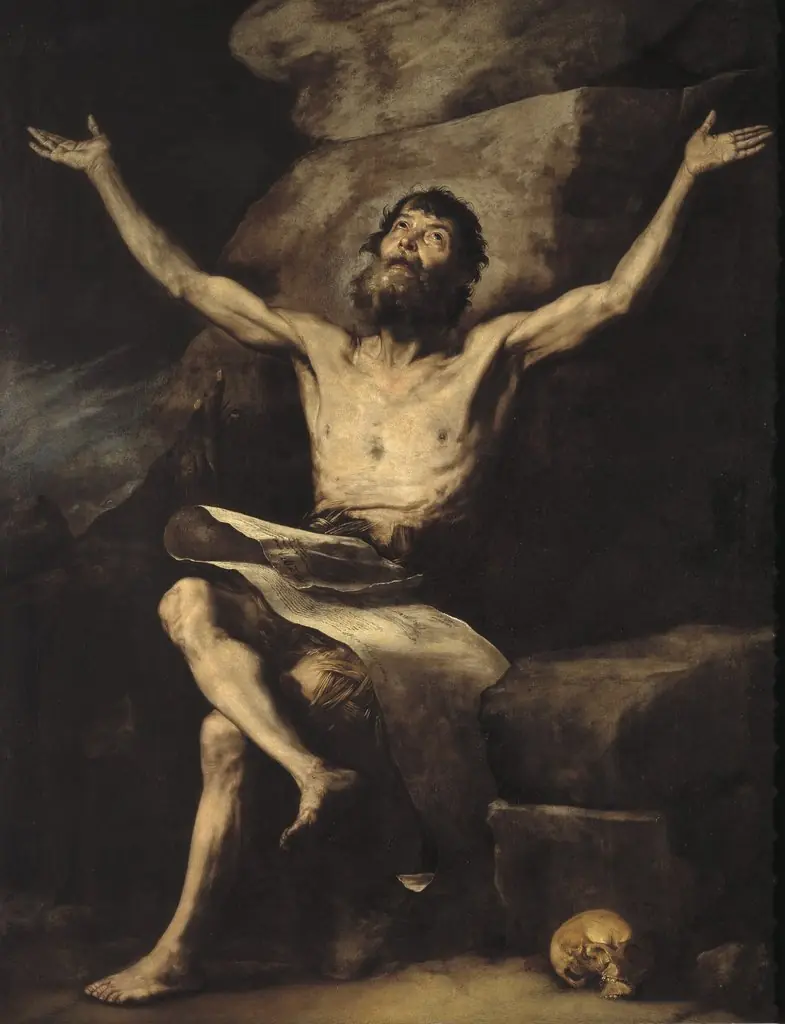
Saint Bartholomew is an oil painting by the Early Baroque Italian artist Jusepe de Ribera. It dates from 1641 and is held in the collection of the Museo del Prado.
About this work
Overview
Saint Bartholomew, a 1641 oil painting by Jusepe de Ribera, is a prominent work of the early Italian Baroque period, now housed at the Museo del Prado.
Subject & Meaning
The painting depicts Saint Bartholomew in a moment of solemn contemplation, identified by the attribute of a knife, symbolizing his martyrdom. Seated on a rocky outcropping, wrapped in a white cloth, the saint's raised right arm holds the knife, while his upward gaze suggests prayer or deep reflection.
Technique & Style
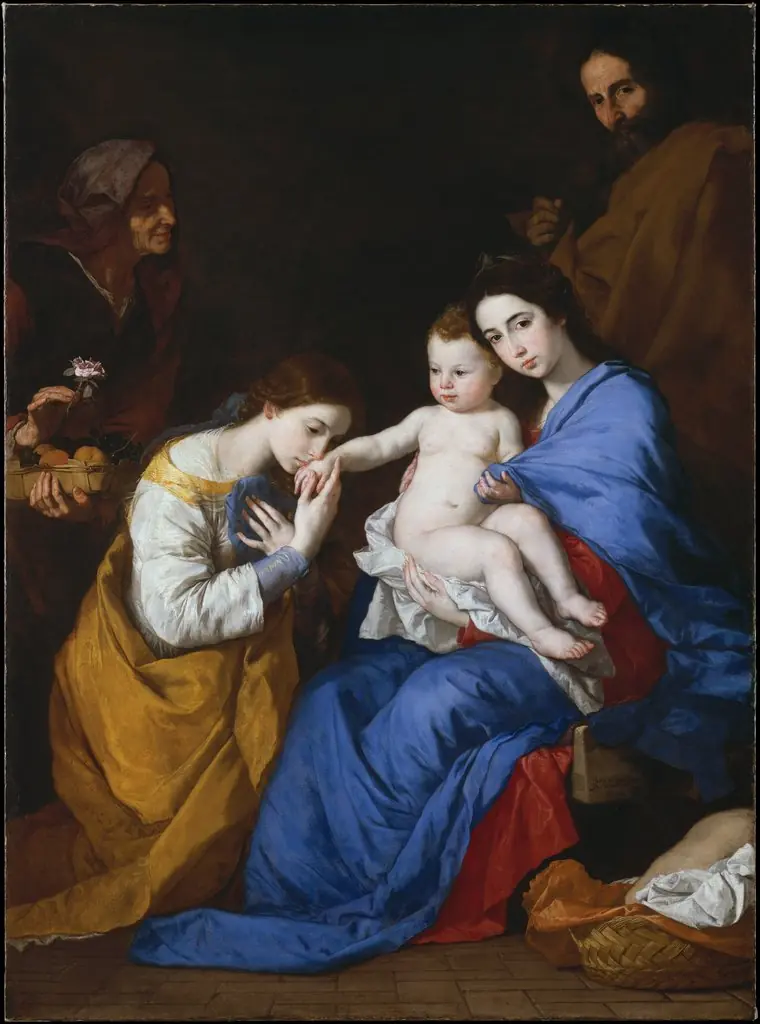
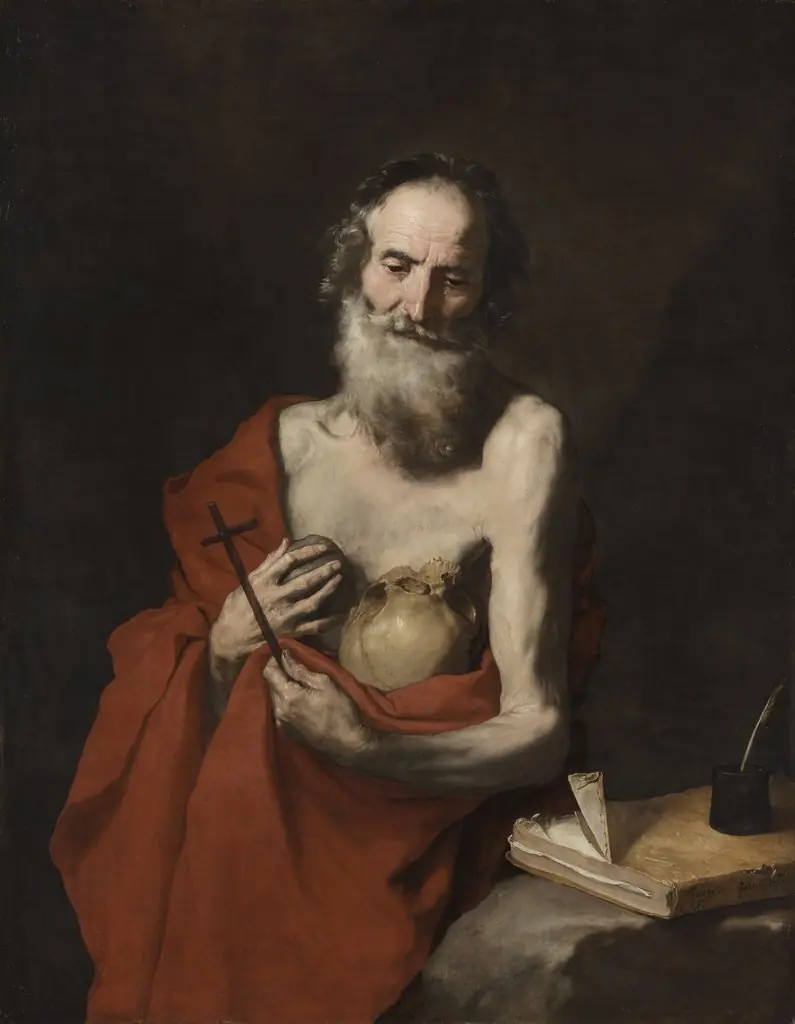
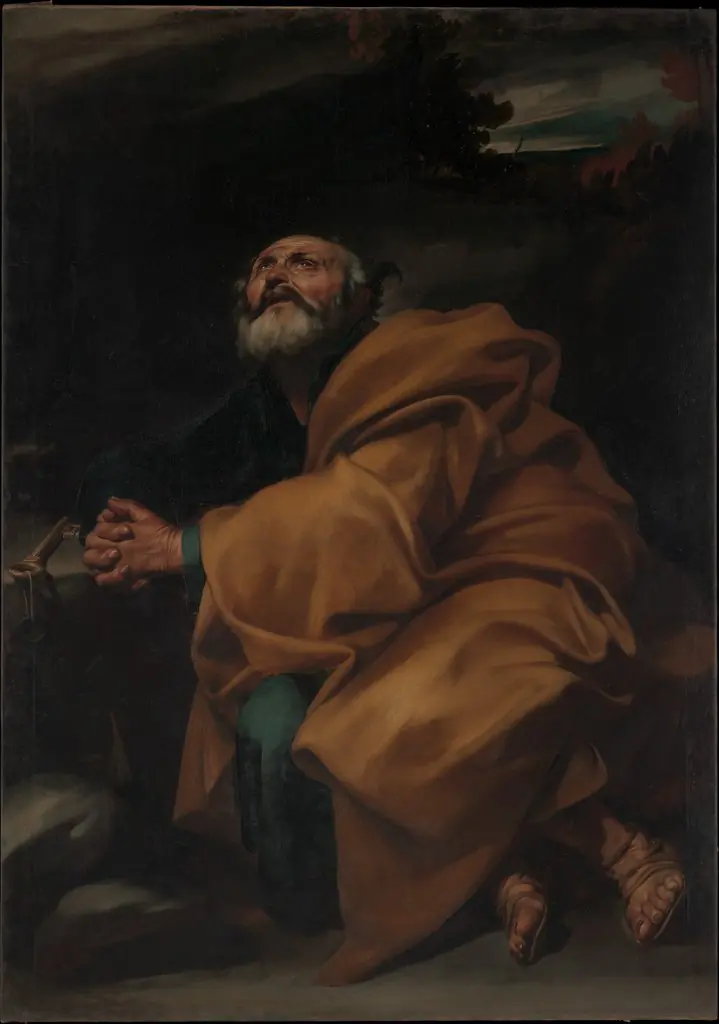
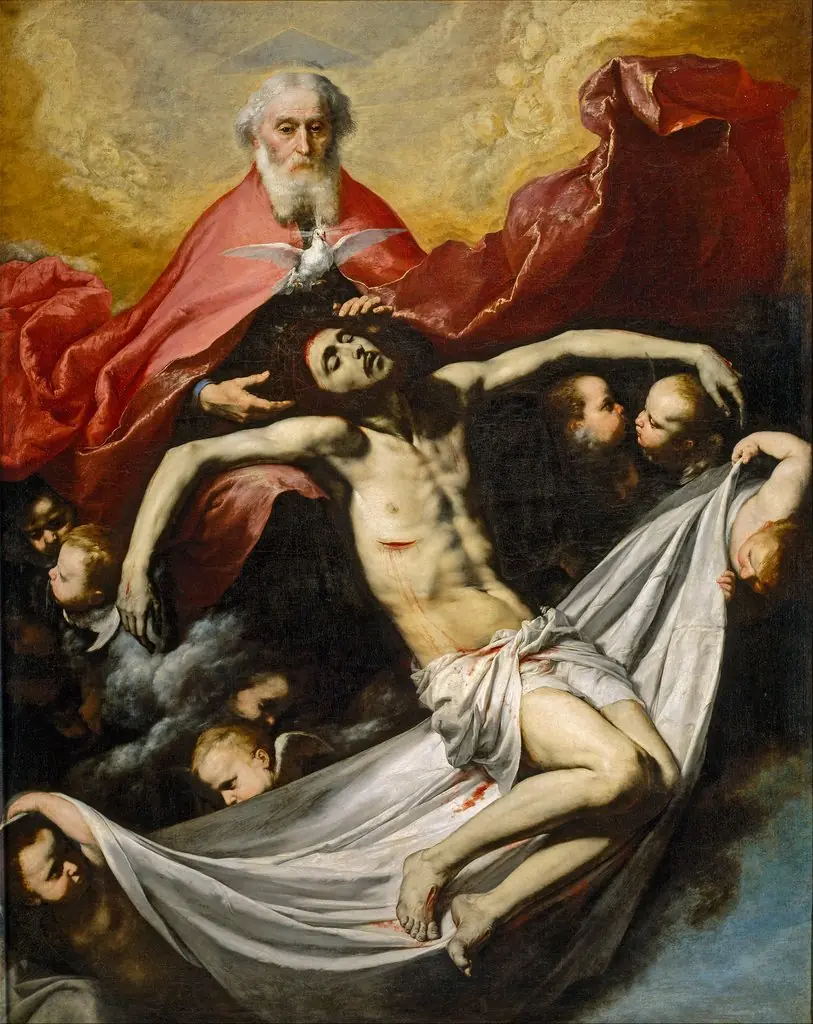
Ribera employs chiaroscuro, with a light source from the left, casting dramatic shadows across the somber, dark background. The artist's use of impasto adds texture, while glazing techniques enhance depth, contributing to the overall contemplative and determined ambiance of the piece.
History & Provenance
Created in 1641 by Jusepe de Ribera, a Spanish Baroque painter active in Naples, the work is part of the Museo del Prado's collection.
Context
As a Baroque piece from the early Italian movement, Saint Bartholomew reflects the era's emphasis on emotional intensity and dramatic lighting, characteristic of Ribera's style during his time in Naples.
Legacy
While specific influences or direct artistic descendants are not detailed, the painting remains a significant example of early Italian Baroque, showcasing Ribera's mastery of expressive and technically proficient work.
Own this work as a print
Artist & collection
Artist
Jusepe de Ribera (Valencian: ; baptised 17 February 1591 – 3 November 1652) was a Spanish painter and printmaker.