Artwork
Saint James the Greater
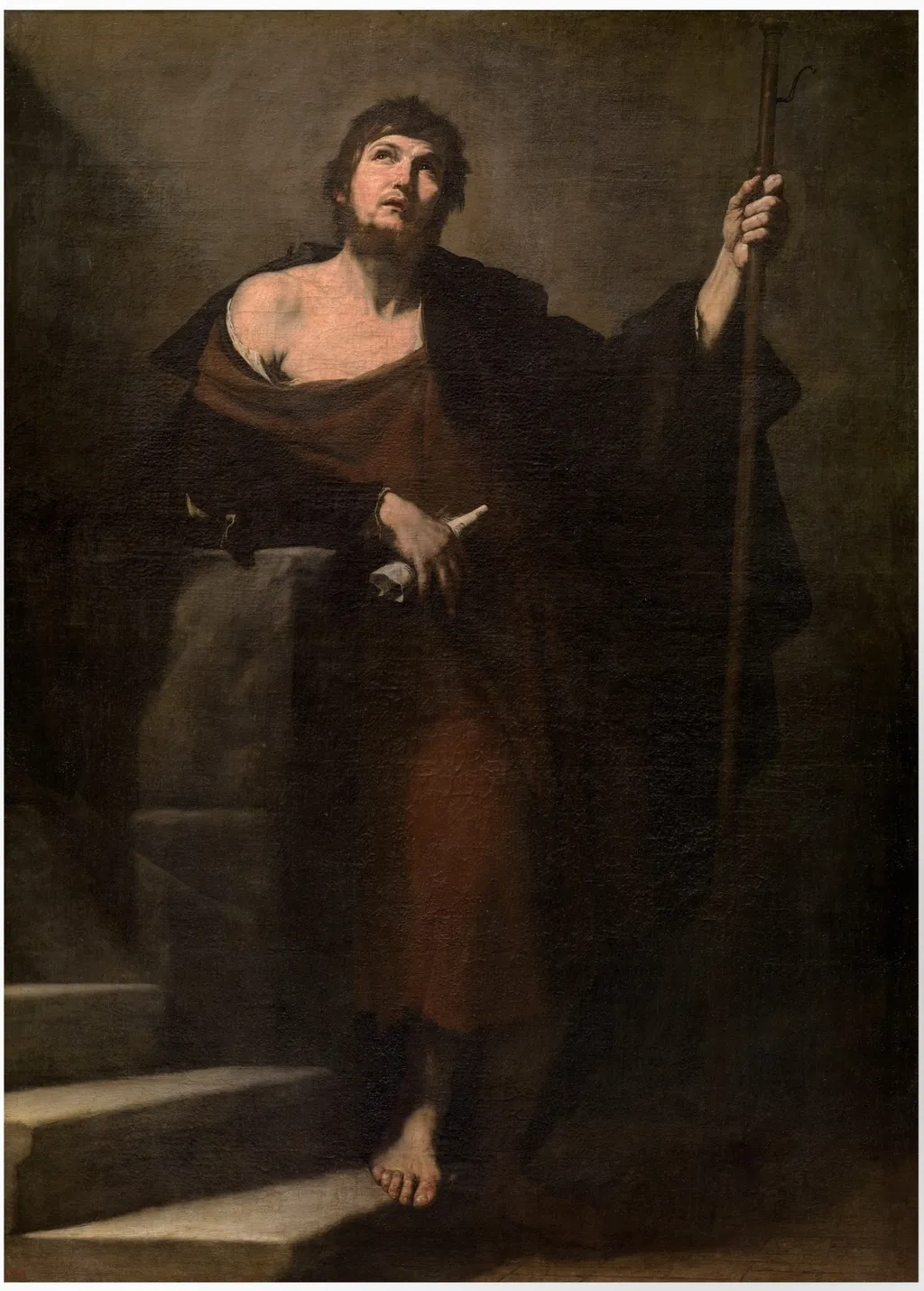
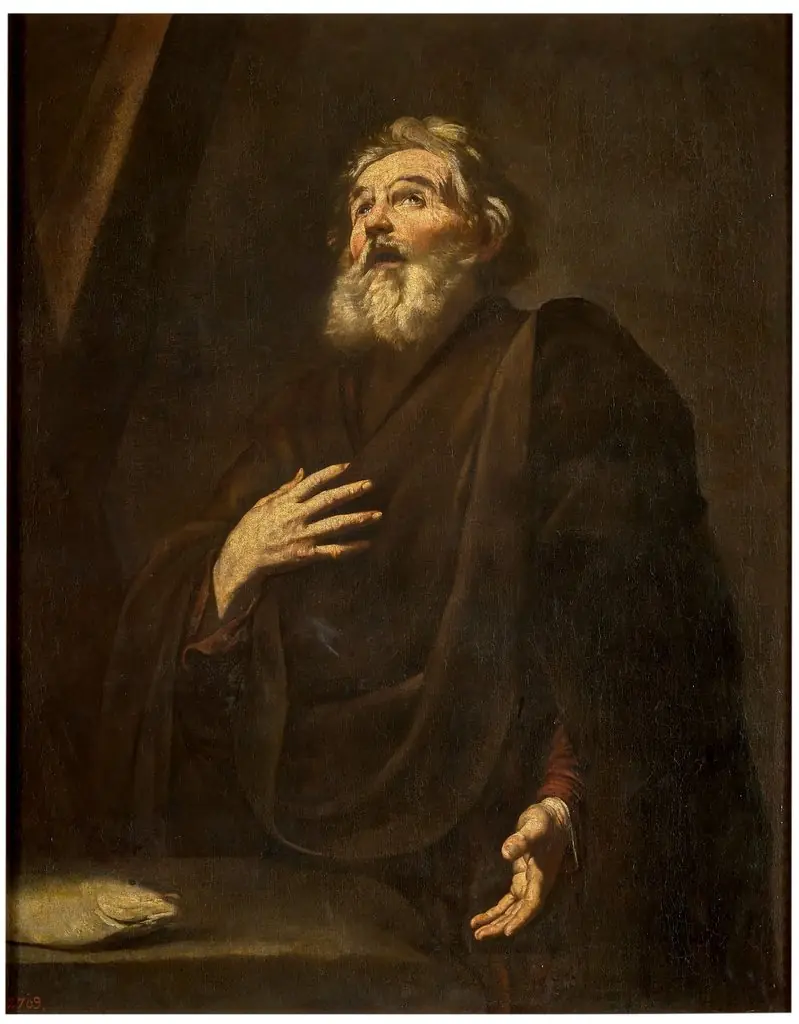
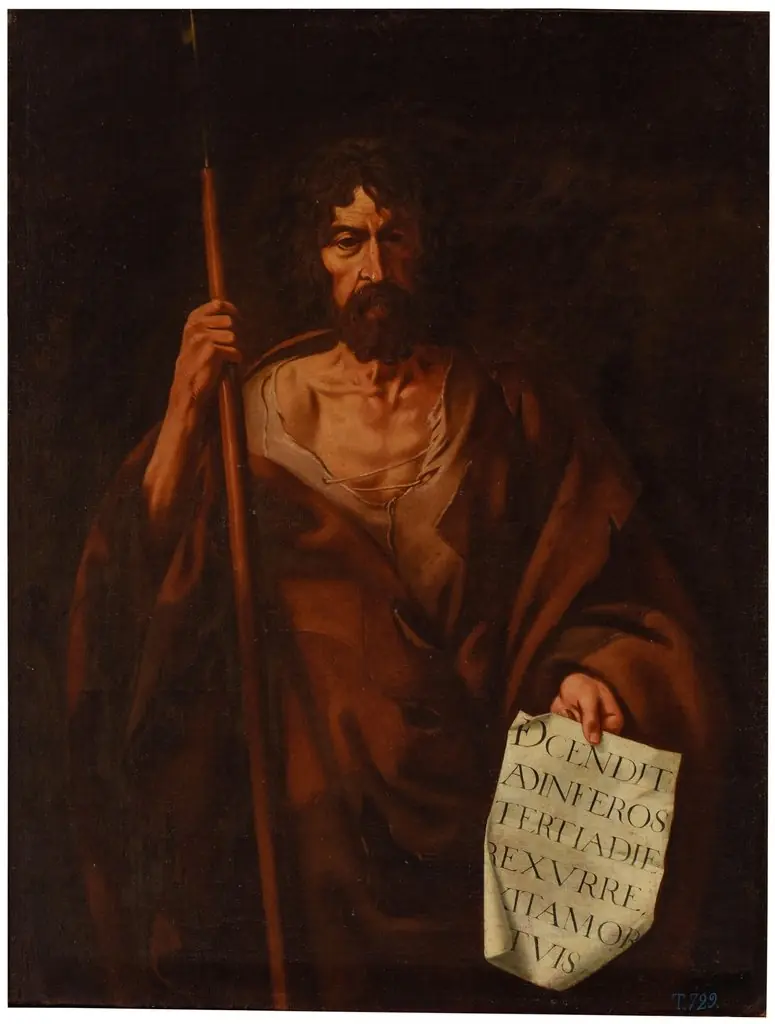
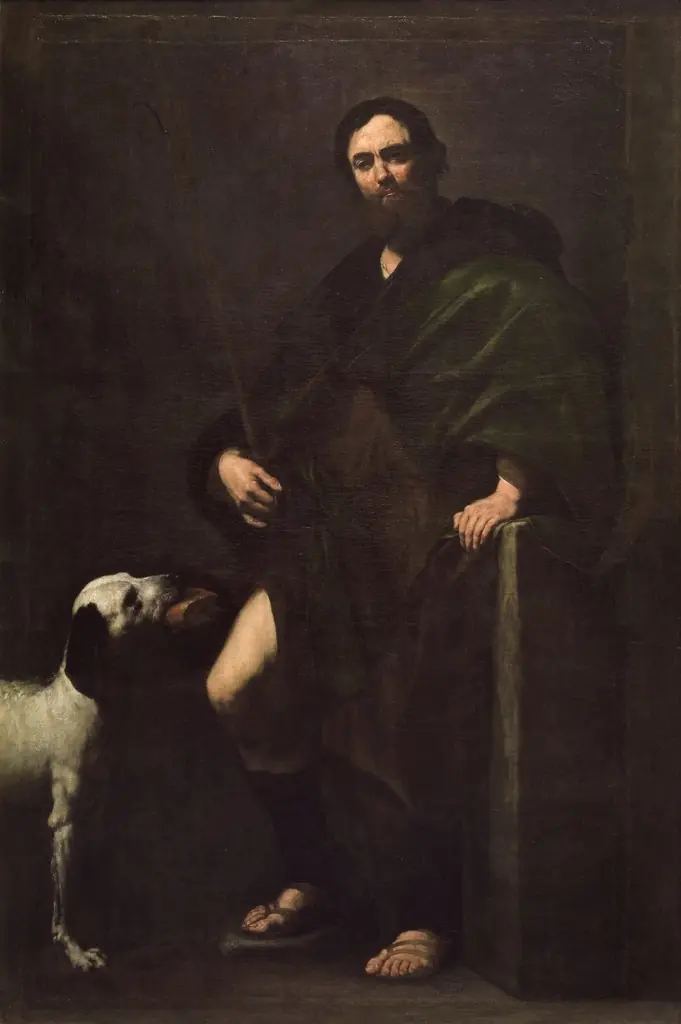
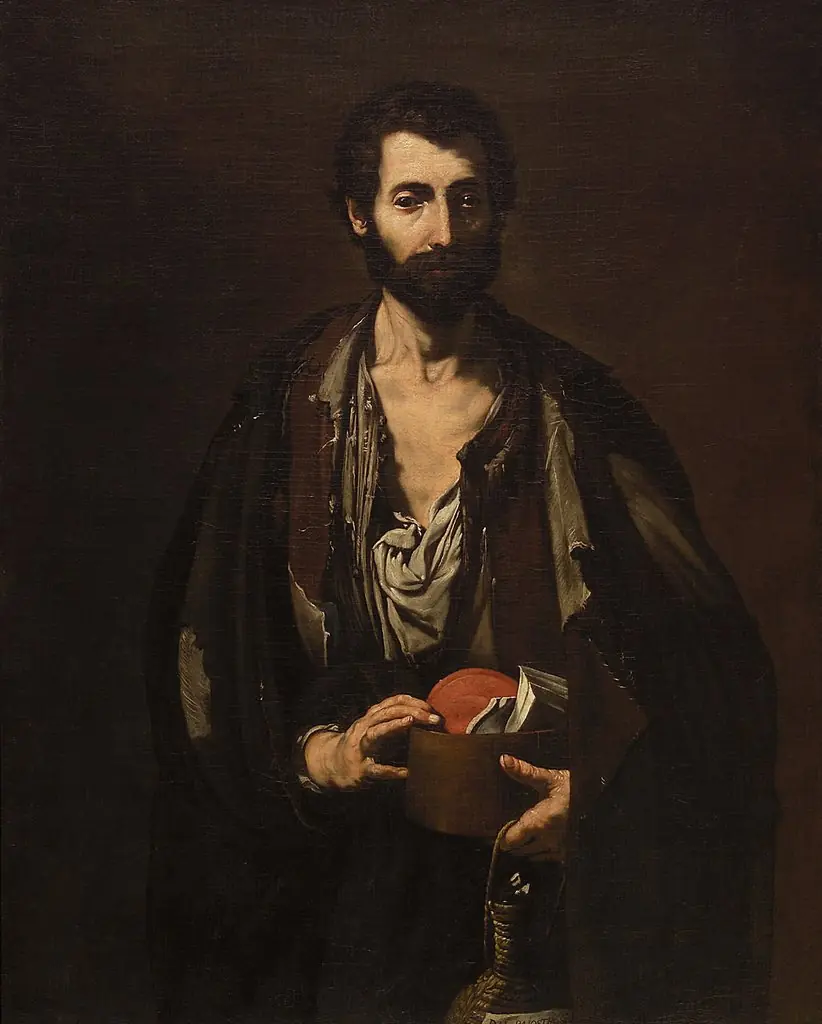
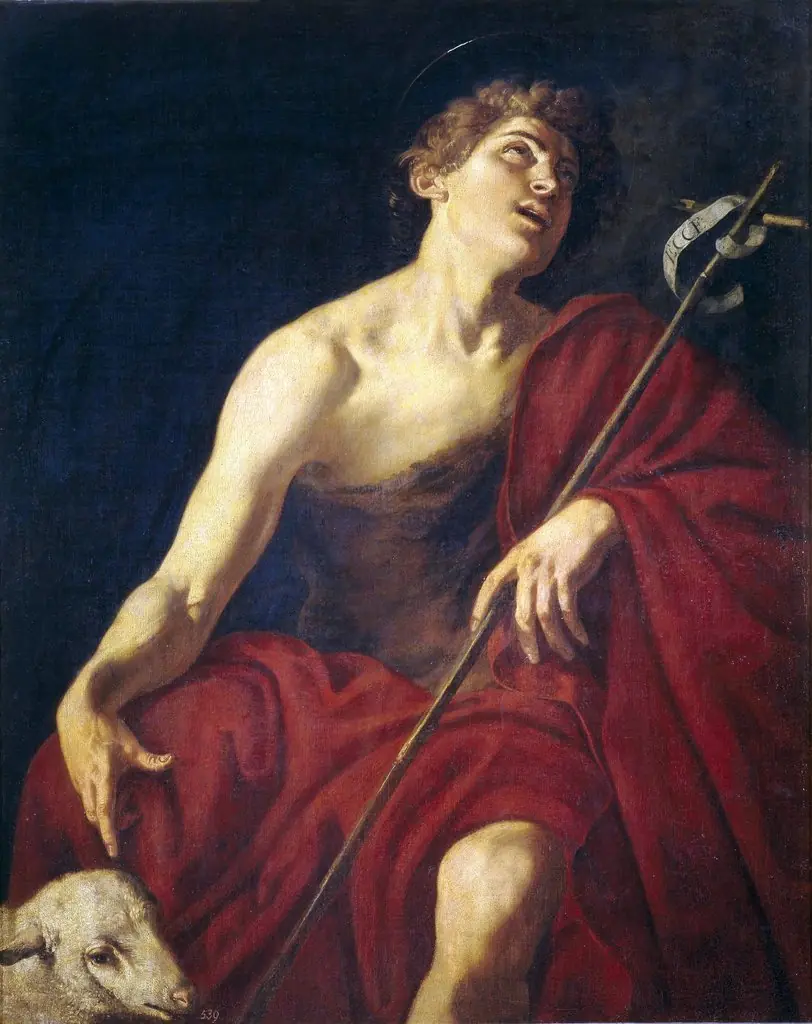
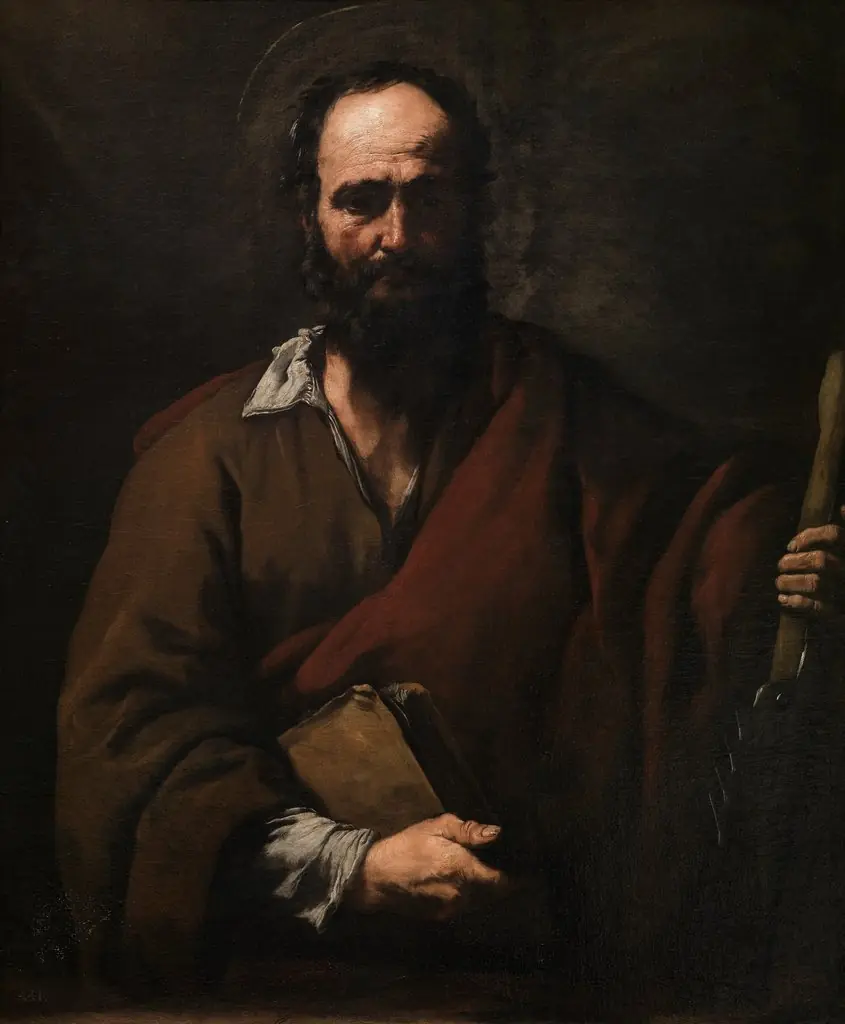
Saint James the Greater is an oil painting by the Early Baroque Italian artist Jusepe de Ribera. It dates from 1631 and is held in the collection of the Museo del Prado.
About this work
Overview
Saint James the Greater is a 1631 oil painting by Jusepe de Ribera, a prominent Spanish Baroque artist based in Naples. The work is part of the early Italian Baroque movement and is housed at the Museo del Prado.
Subject & Meaning
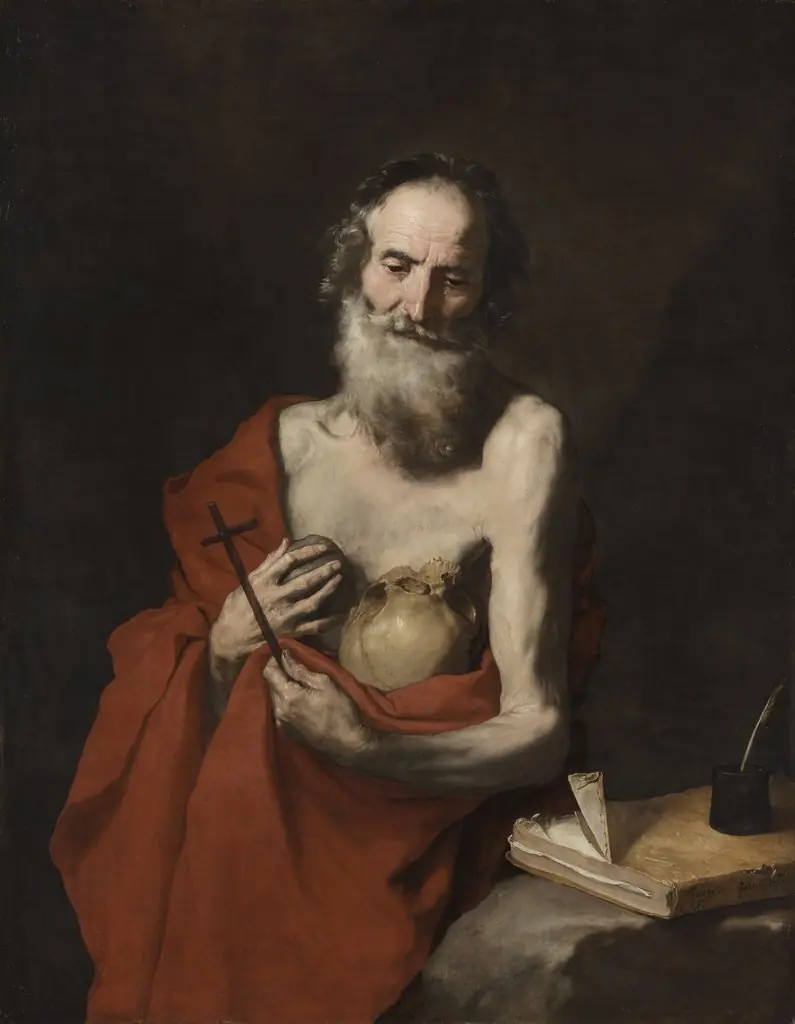
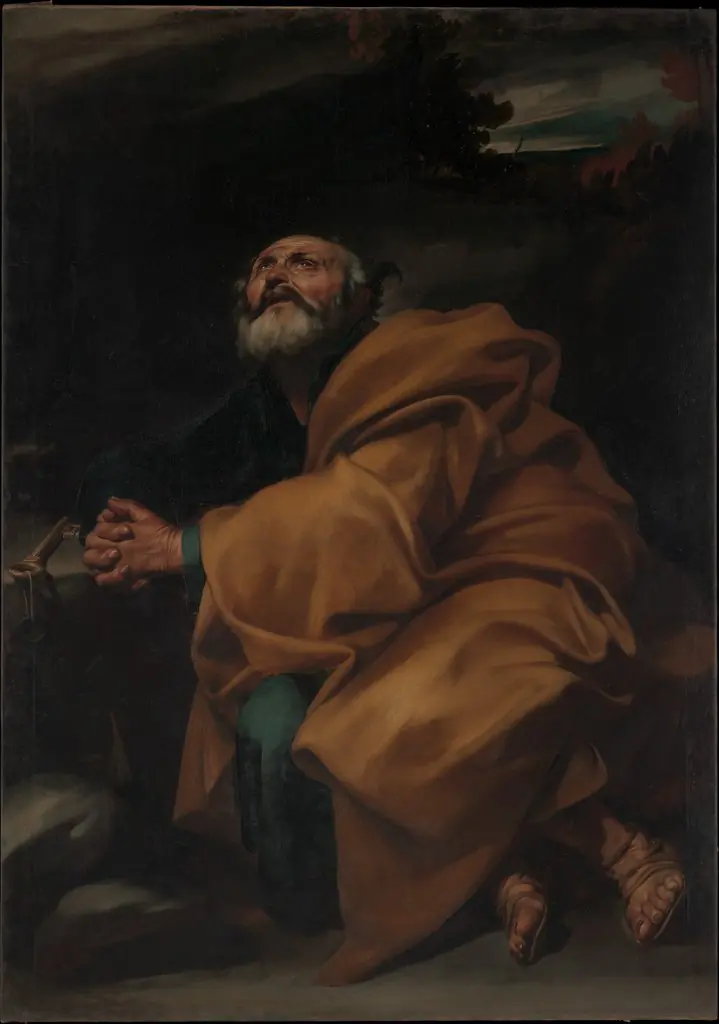
The painting depicts a contemplative Saint James the Greater, identified by his traditional attire and staff. His upward gaze and slightly open mouth convey a sense of introspection or spiritual engagement.
Technique & Style
Ribera employs chiaroscuro, a hallmark of Baroque painting, to create a strong sense of volume. Soft light illuminates the saint's face and hands, set against a dark background, achieving a near three-dimensional effect.
History & Provenance
Created in 1631, the painting is attributed to Ribera's mature period. It is now part of the Museo del Prado's collection, alongside works by other notable Spanish Baroque artists like Velázquez and Zurbarán.
Context
Saint James the Greater reflects the artistic innovations of the early Italian Baroque, characterized by dramatic lighting and emotional depth. Ribera's work, alongside that of his contemporaries, defines the Spanish contribution to this broader artistic movement.
Legacy
As one of Ribera's significant works, Saint James the Greater contributes to the artist's reputation as a major figure in Spanish Baroque art, influencing the development of religious genre painting in the 17th century.
Own this work as a print
Artist & collection
Artist
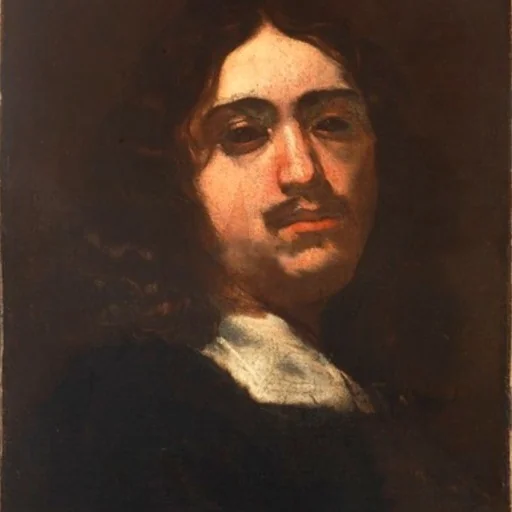
Jusepe de Ribera (Valencian: ; baptised 17 February 1591 – 3 November 1652) was a Spanish painter and printmaker.