Artwork
Ecce Homo
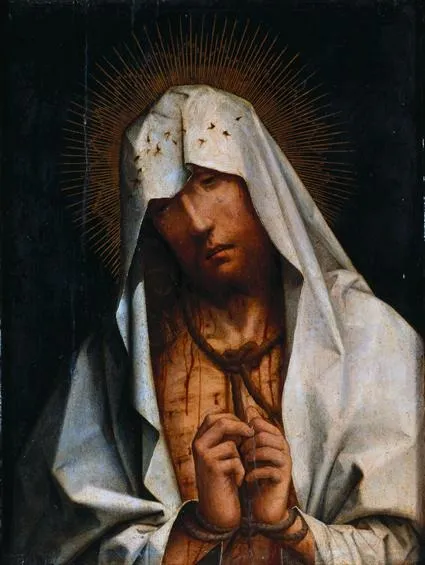
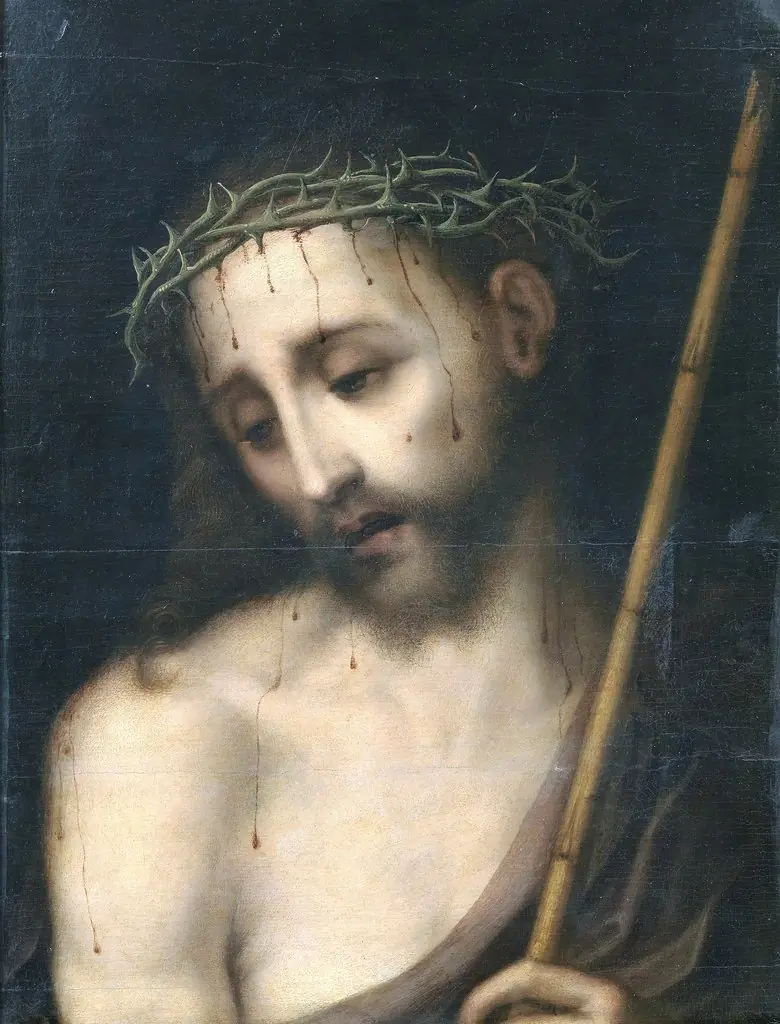
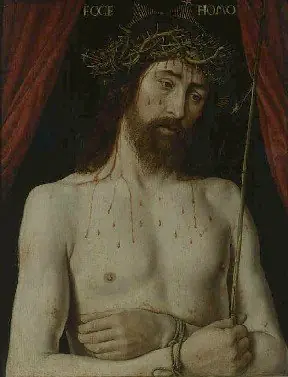
Ecce Homo is an unspecified painting by the Early Renaissance artist Cristóvão de Figueiredo. It dates from 1520 and is held in the collection of the National Museum of Ancient Art.
About this work
Overview
Painted around 1520 by Portuguese artist Cristóvão de Figueiredo, this work is a devotional image from the early Portuguese Renaissance.
Painted around 1520 by Portuguese artist Cristóvão de Figueiredo, this work is a devotional image from the early Portuguese Renaissance. It portrays Christ in the moment of his presentation before the crowd, following his scourging. The painting reflects the religious priorities of its time and was likely intended for private or liturgical contemplation. Figueiredo, trained under Jorge Afonso, was part of a generation of artists shaping Portugal’s visual culture during the transition from Gothic to Renaissance modes.
Subject & Meaning
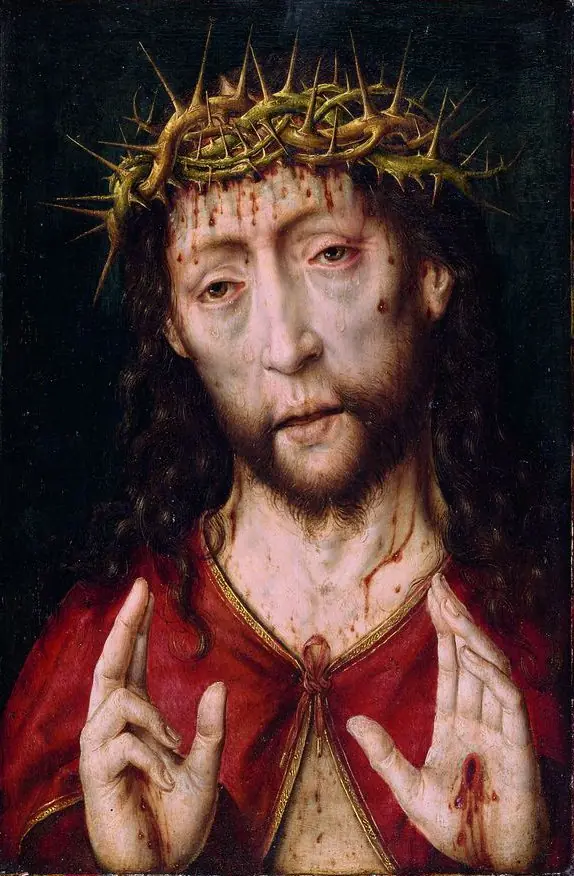
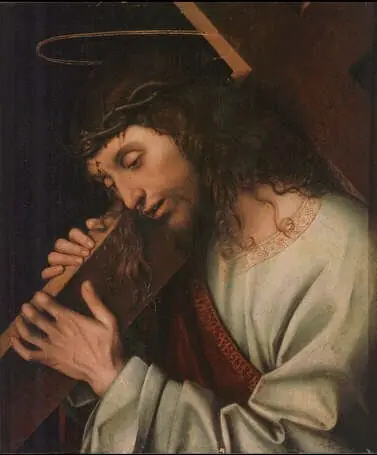
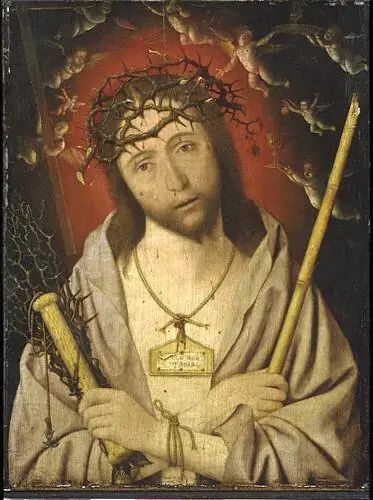
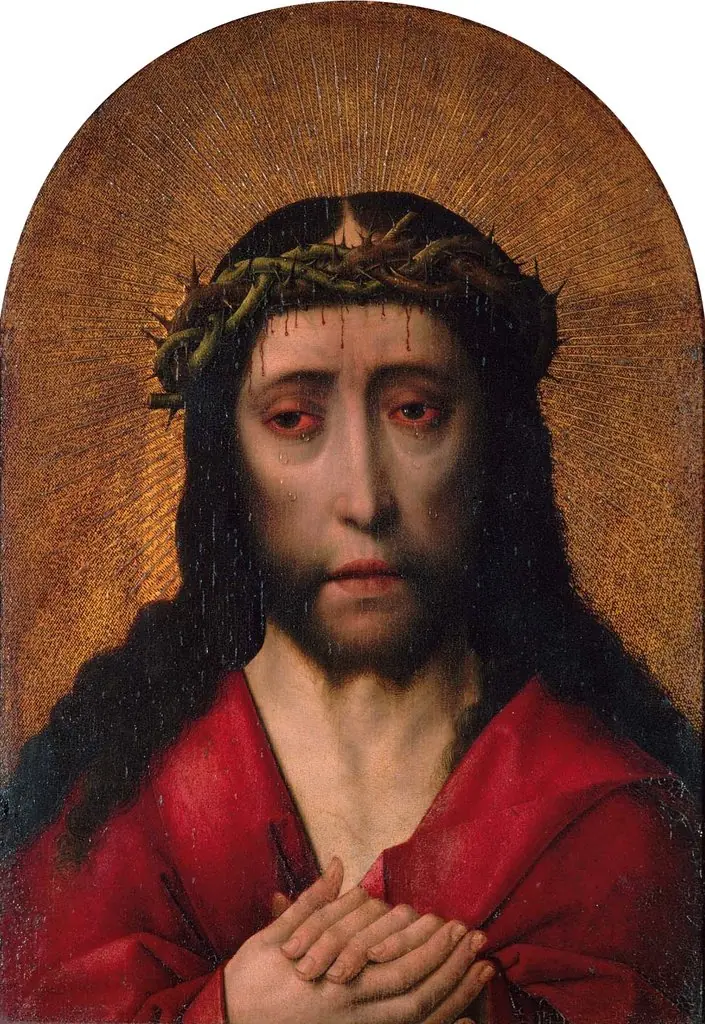
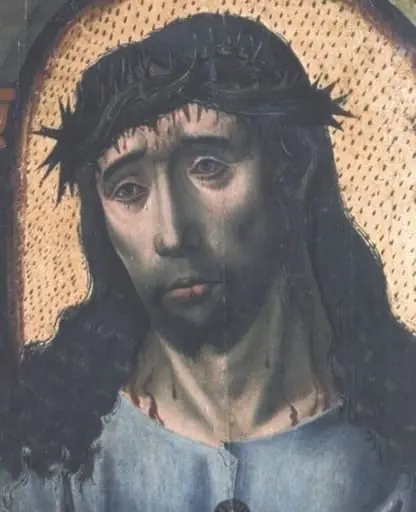
The image captures Christ as Ecce Homo—'Behold the Man'—a moment from the Passion when Pontius Pilate presents him to the people. His bound hands, exposed wounds, and downward gaze convey suffering and resignation. The golden halo affirms his divinity amid human torment. The bare chest and rope bindings emphasize physical vulnerability, while the somber tone invites reflection on sacrifice and humility, central themes in Christian devotion of the period.
Technique & Style
Figueiredo employs chiaroscuro to model the figure with subtle gradations of light and shadow, giving the form a tangible presence against the dark background. The white robe is rendered with careful attention to fabric folds, enhancing volume without excessive detail. The restrained palette and focused composition direct attention to Christ’s face and wounds. The style blends Northern European precision with Iberian solemnity, reflecting both local traditions and broader Renaissance influences.
History & Provenance
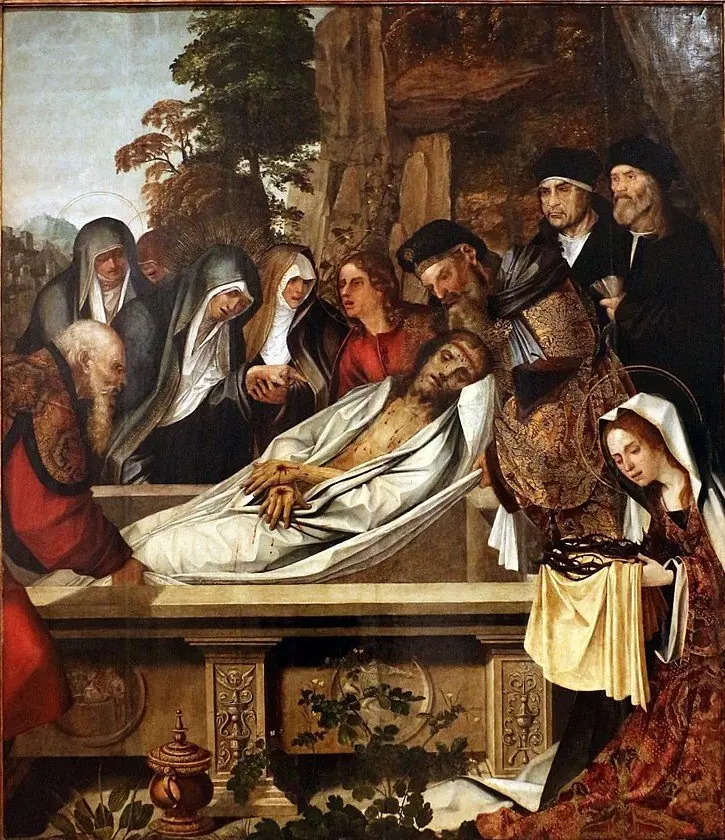
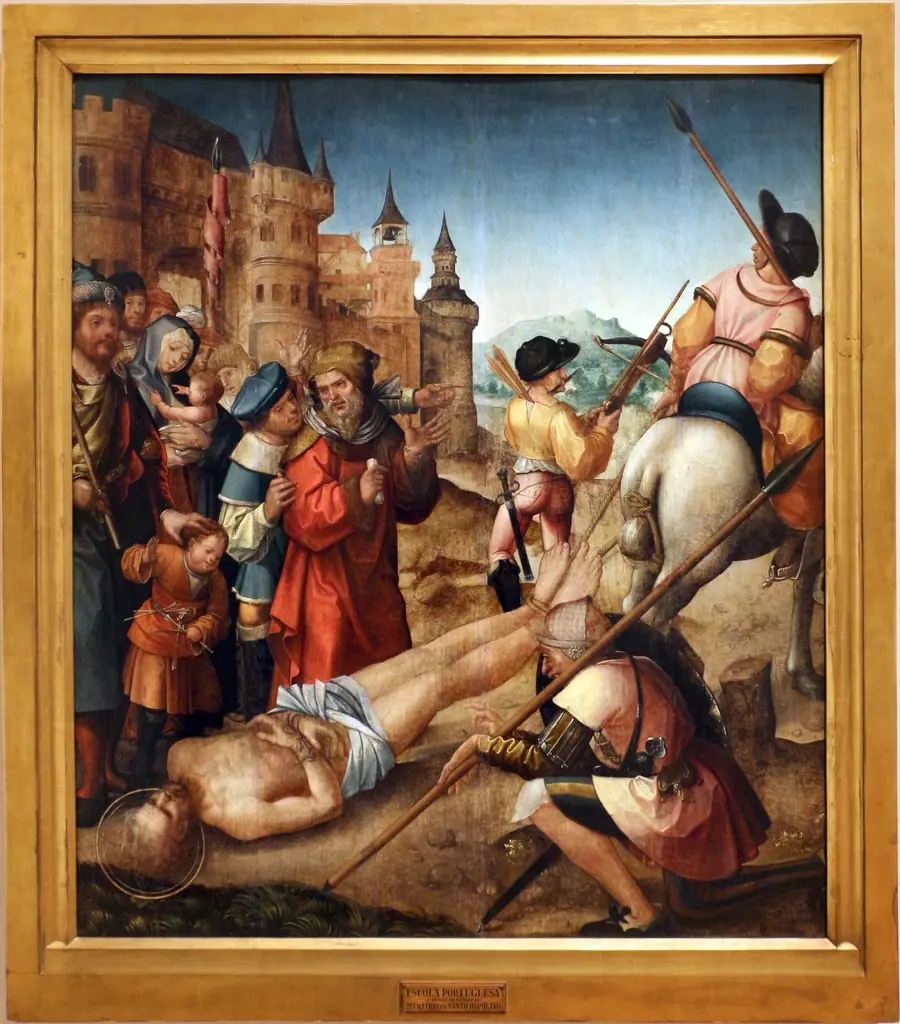
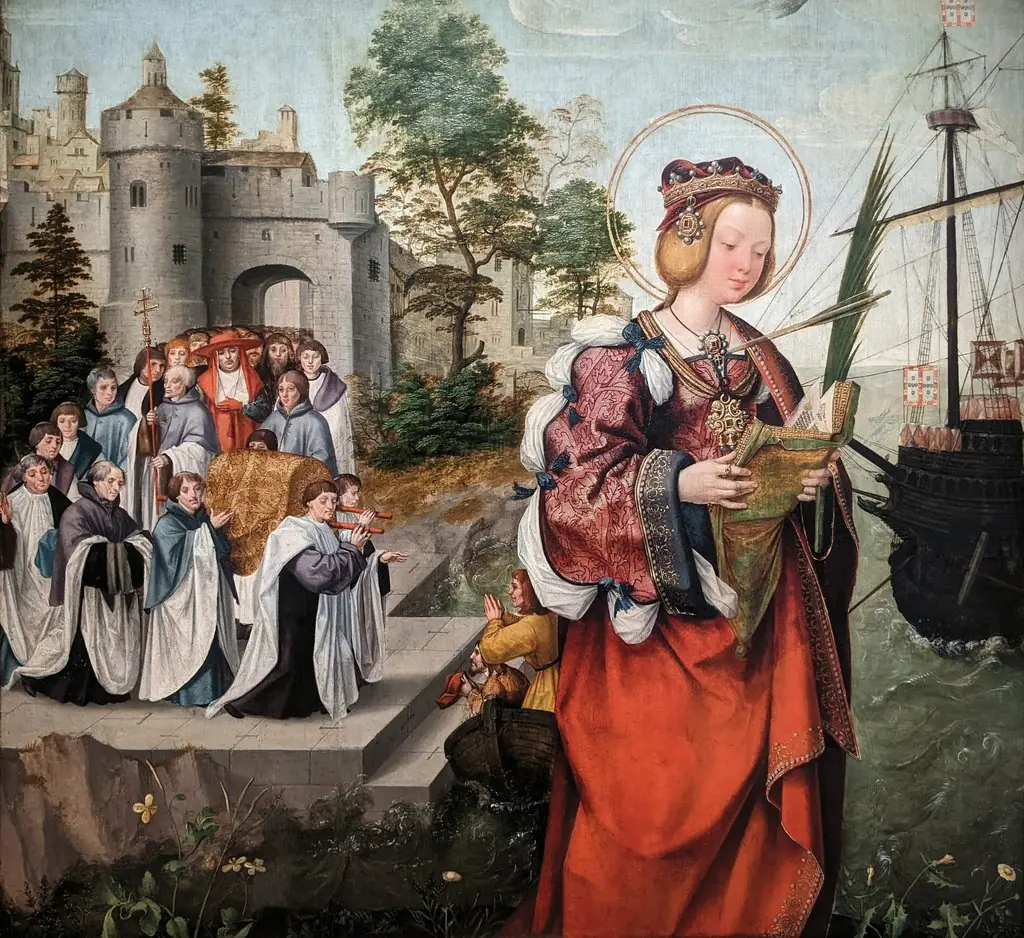
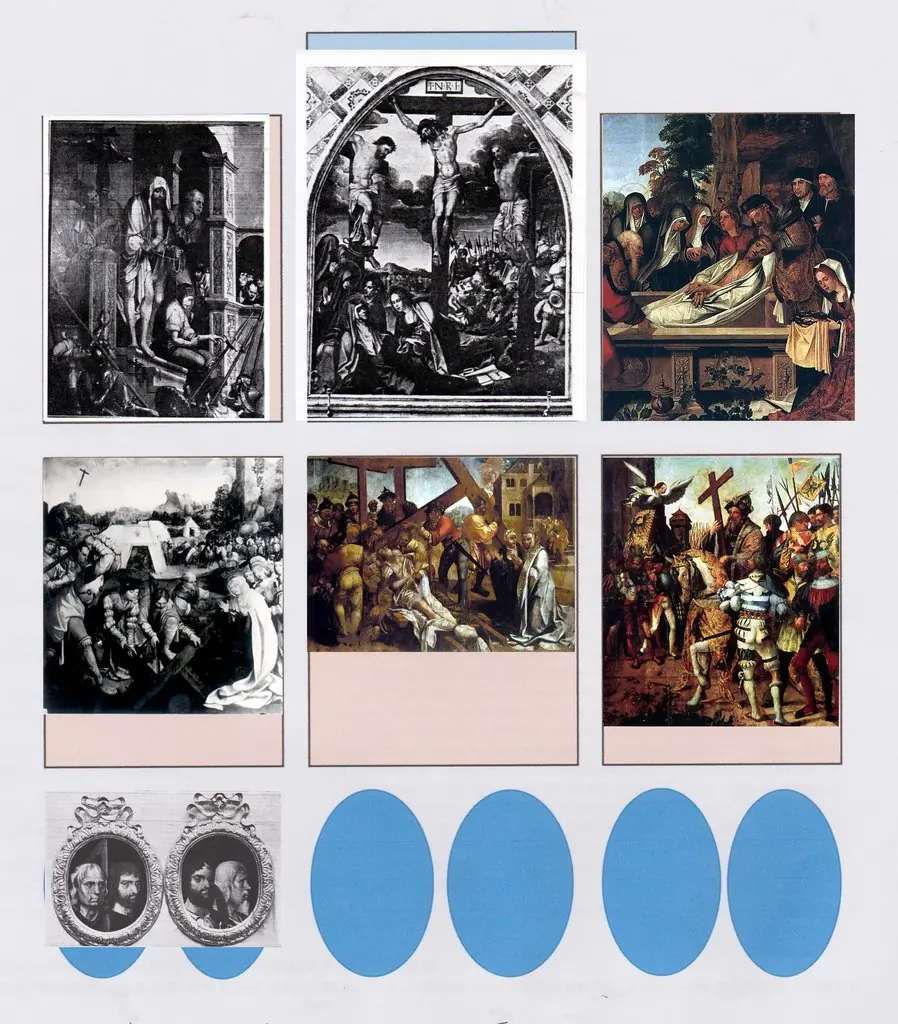
The painting has been held since the 19th century by the National Museum of Ancient Art in Lisbon, where it remains part of its core collection of Portuguese religious art. Its early provenance is undocumented, but its style and technique align with works produced in Lisbon’s royal workshop during the 1510s–1520s. Figueiredo’s documented collaborations with Francisco Henriques and Garcia Fernandes suggest it may have originated from a larger altarpiece or devotional ensemble.
Context
In early 16th-century Portugal, religious imagery served both spiritual and political functions, reinforcing Catholic orthodoxy amid growing European tensions. Artists like Figueiredo worked under royal patronage, producing altarpieces for churches and monasteries. The focus on Christ’s suffering reflects the influence of devotional movements emphasizing personal piety and emotional engagement with sacred narratives, common across Iberia and the Low Countries.
Legacy
Figueiredo’s *Ecce Homo* exemplifies the quiet intensity of Portuguese Renaissance painting, distinct from the grandeur of Italian counterparts. Its restrained emotion and technical discipline influenced later devotional works in the region. Though not widely known outside Portugal, it stands as a representative example of how local artists adapted Renaissance techniques to serve deeply rooted religious customs, preserving a uniquely Iberian visual language.
Artist & collection
Artist
Cristóvão de Figueiredo (died c. 1540) was a Portuguese Renaissance painter. Like many other important painters of the time, Cristóvão de Figueiredo was a pupil of Master Jorge Afonso, in Lisbon, in the early 16th…