Artwork
Princess Sobieski, née Maria Josepha Wessolowska
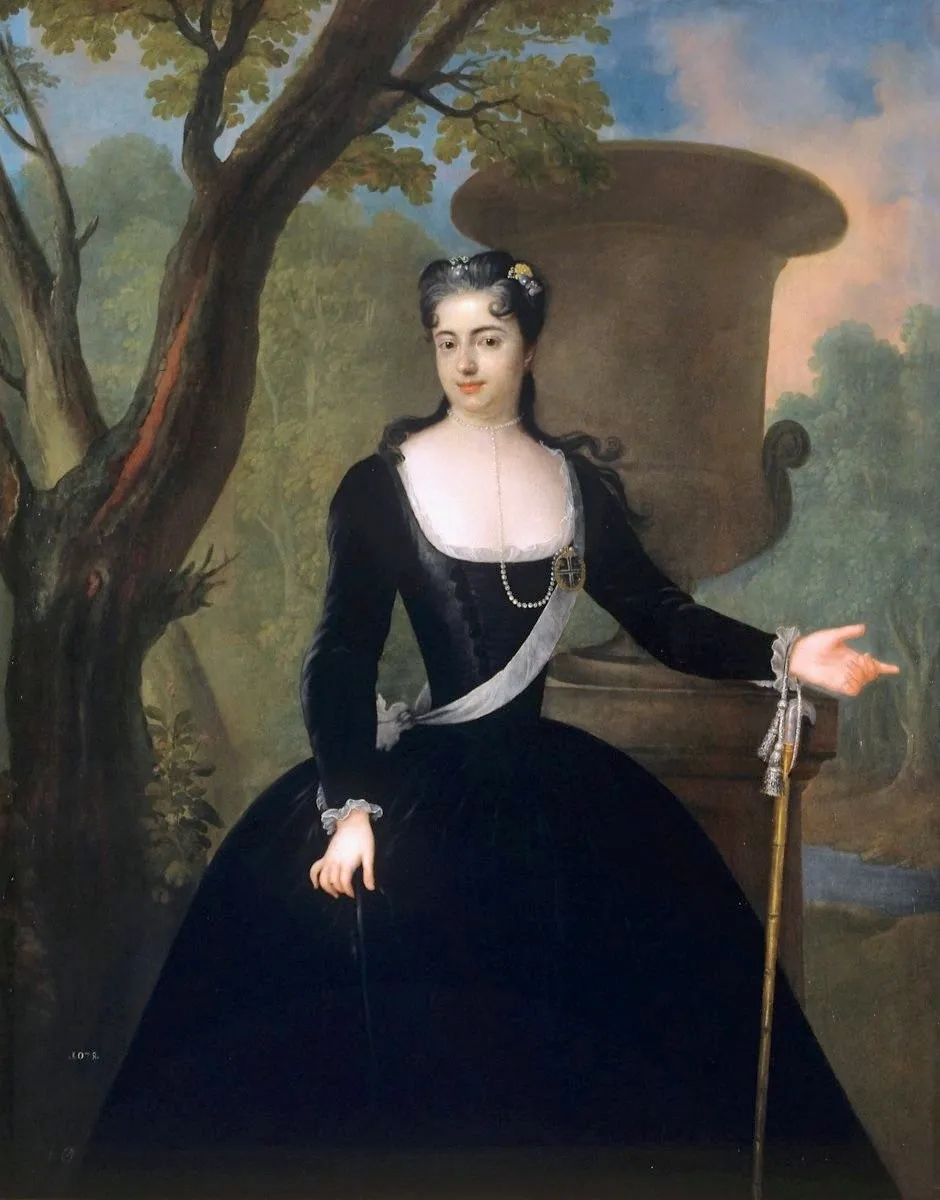
Princess Sobieski, née Maria Josepha Wessolowska is an oil painting by the Rococo painting artist Ádám Mányoki. It dates from 1713 and is held in the collection of the Hungarian National Gallery.
About this work
To learn more about the artist's use of chiaroscuro, impasto, and glazing techniques, look up Ádám Mányoki.
This painting shows a woman in a black dress with a white sash and pearl necklace. She is standing in front of a large tree and a stone urn, with a blue sky and greenery in the background. Her dark hair is pulled back, and she is holding a cane in her right hand.
The woman's dress is adorned with a brooch and a pearl necklace, and she is wearing a pearl choker. Her expression is calm and serene, and she appears to be looking directly at the viewer.
The painting is a portrait of Princess Sobieski, created by Ádám Mányoki in 1713. To learn more about the artist's use of chiaroscuro, impasto, and glazing techniques, look up Ádám Mányoki.
Overview
Princess Sobieski, née Maria Josepha Wessolowska is a portrait painted in oil by Ádám Mányoki in 1713. It is now held at the Hungarian National Gallery.
Subject & Meaning
The painting depicts Princess Sobieski standing in a serene outdoor setting, wearing a black dress with a white sash and adorned with pearls. Her calm demeanor and direct gaze convey a sense of dignity.
Technique & Style
The portrait showcases Mányoki's use of oil paint to capture the subject's attire and surroundings. The artist's handling of light and texture is evident in the rendering of the princess's clothing and the natural environment.
Artist & collection

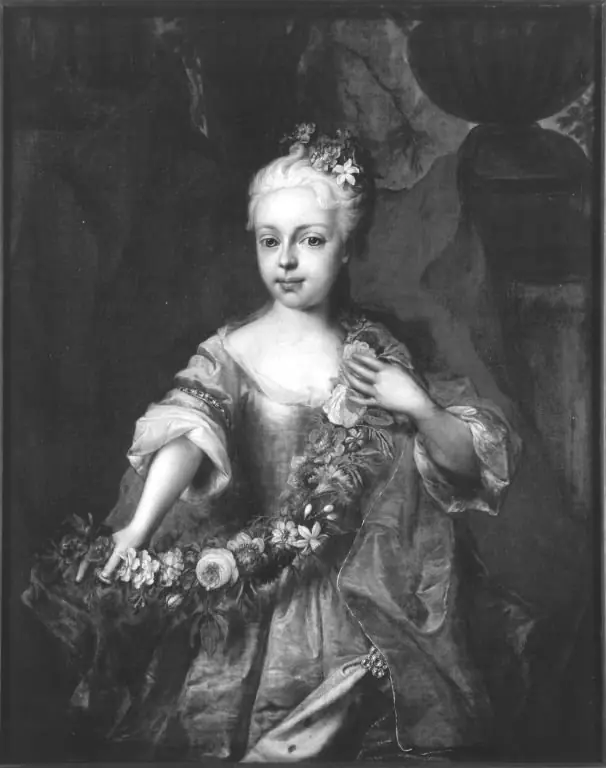 Portrait of Archduchess Maria Theresa of Austria, later Empress (1717-1780)
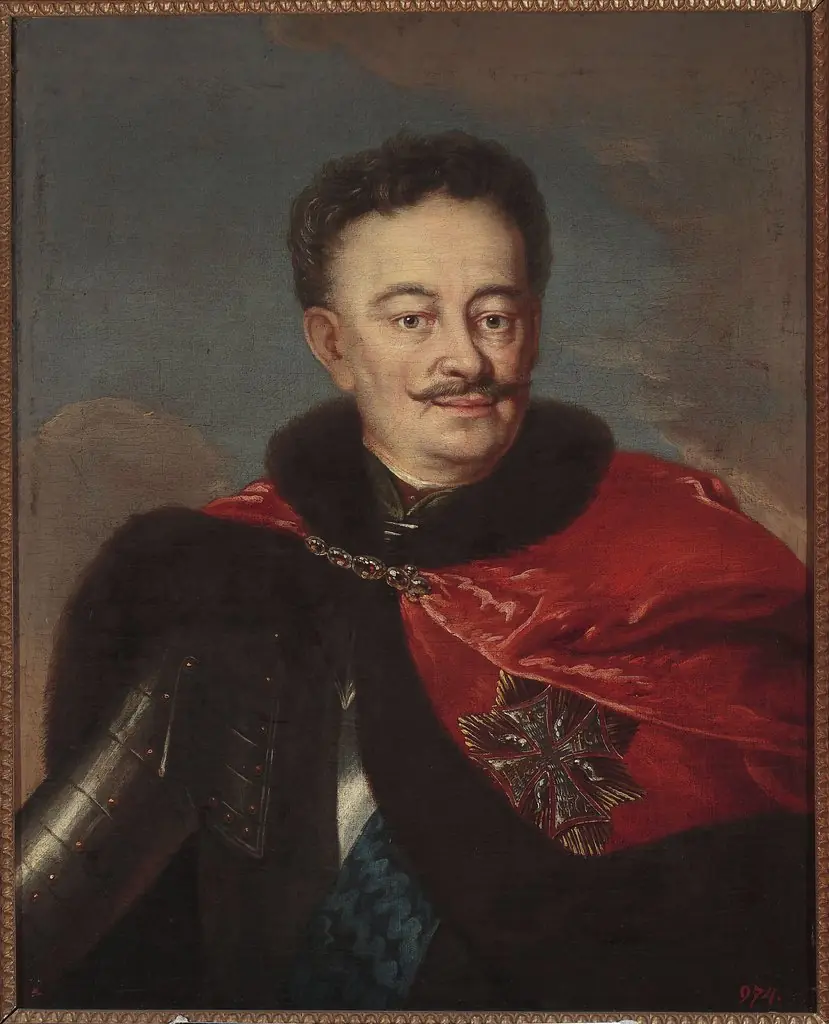 Portrait of Józef Potocki
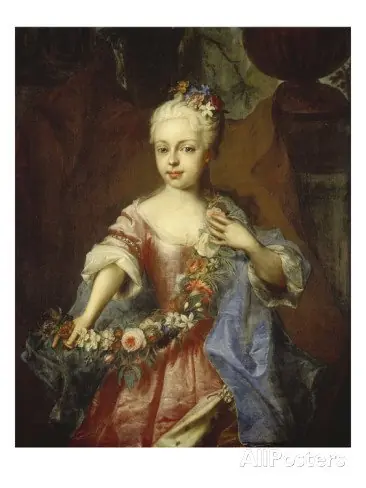 Portrait of Maria Theresia at the age of six.
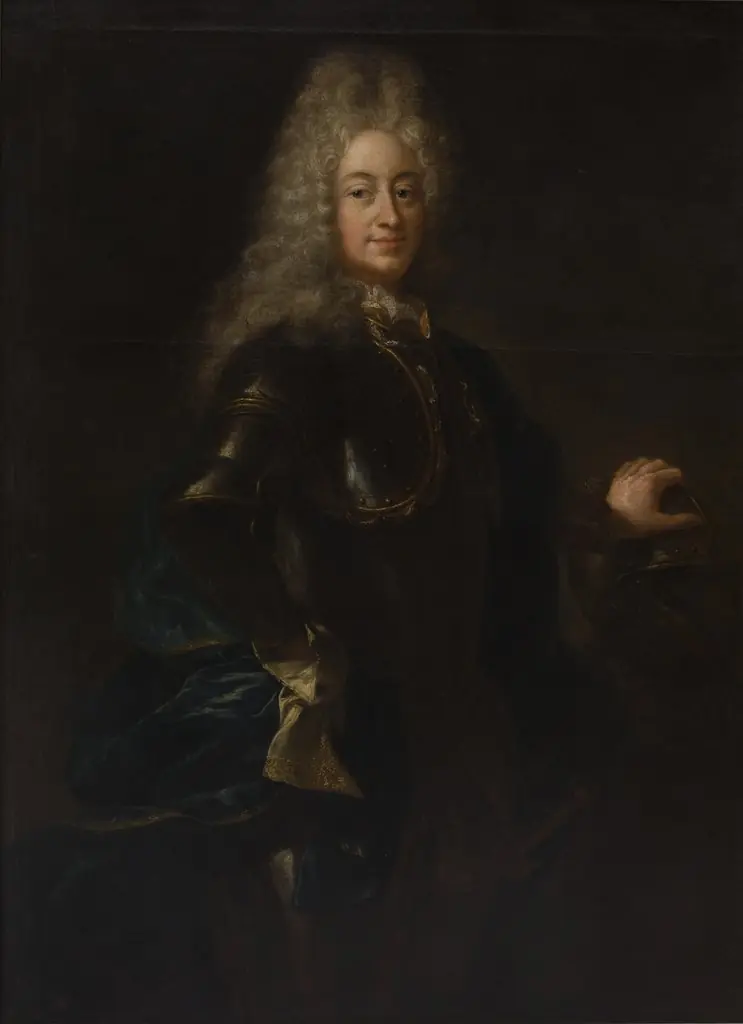 Portrait of a Nobleman in Armour
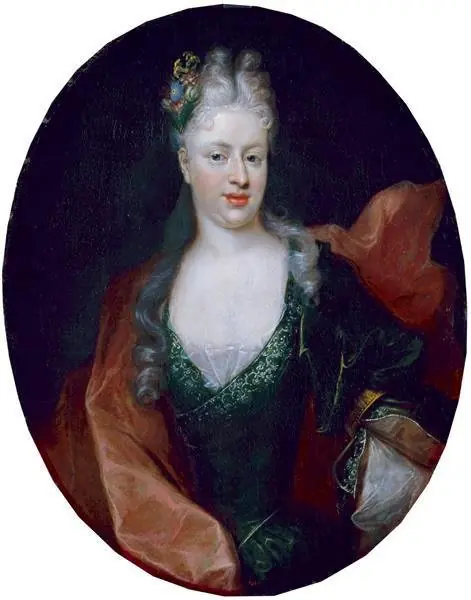 Baronesse Katarzyna de Besenval, geb. Gräfin Bielinska
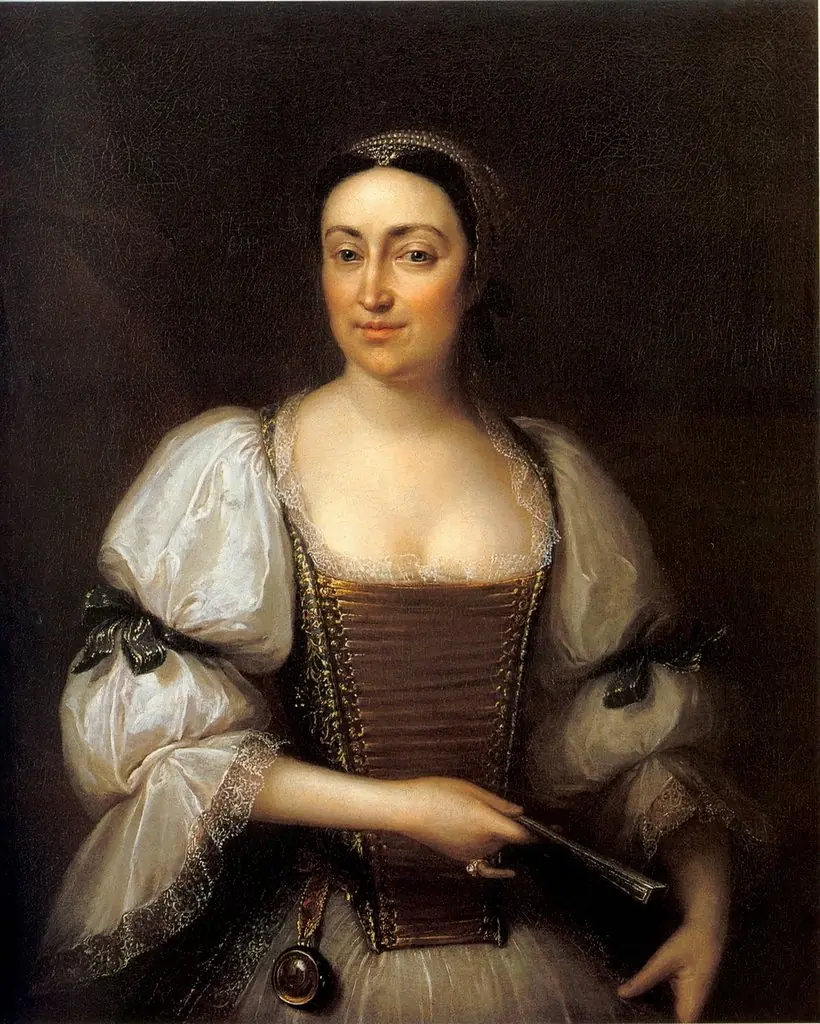 Portrait of Baroness János Podmaniczky née Judit Osztroluczky
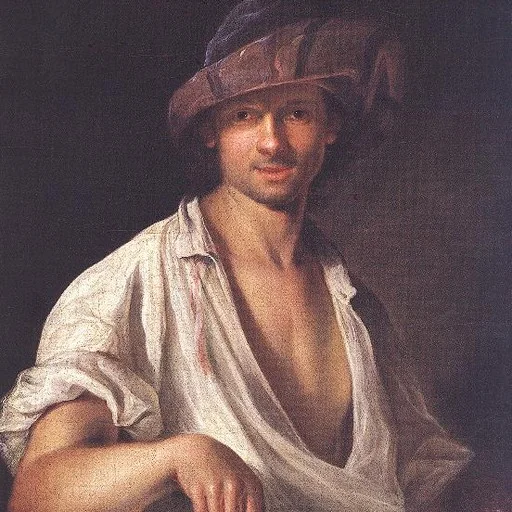
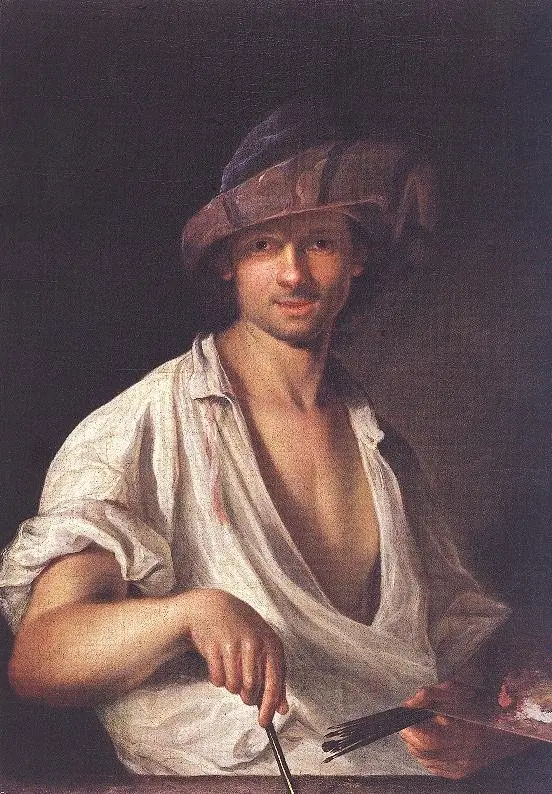 Self-portrait
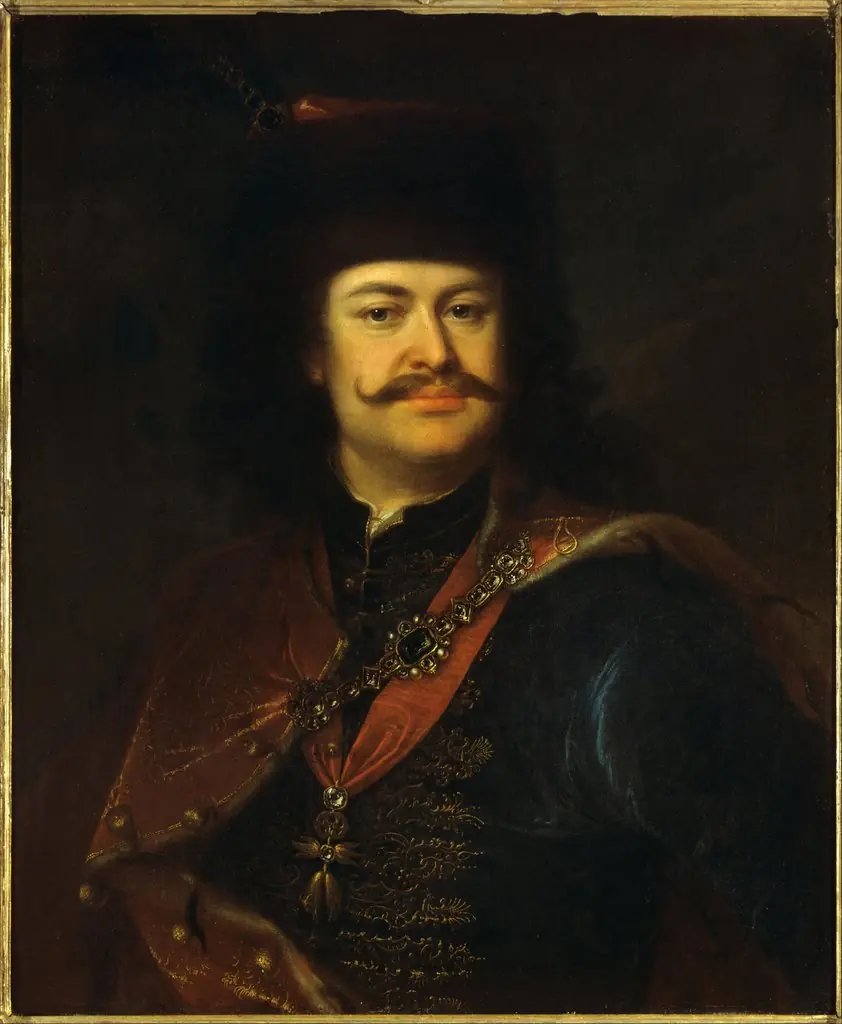 Portrait of Prince Ferenc Rákóczi II
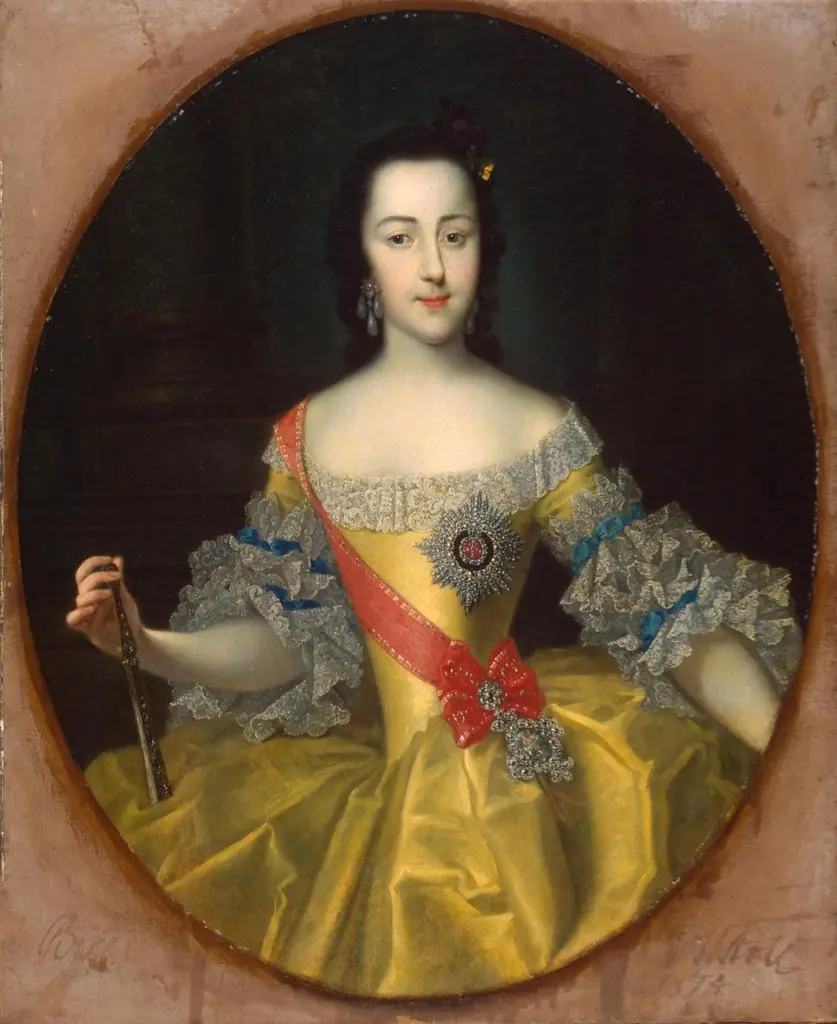 Portrait of Grand Duchess Catherine Alexeyevna
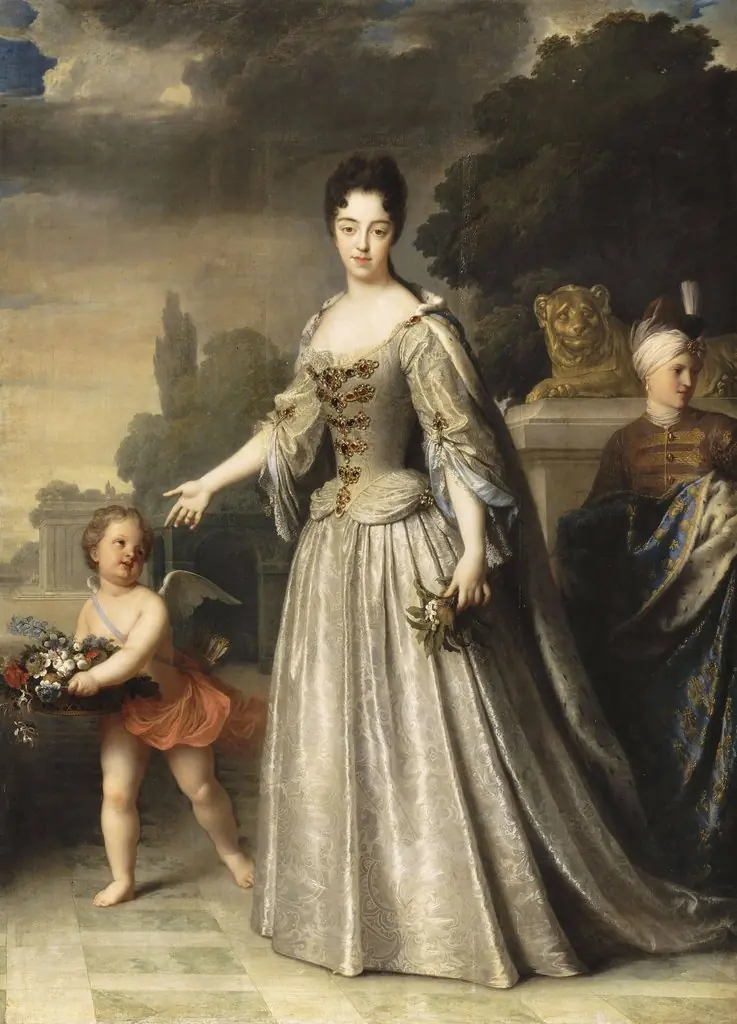 Portrait of Marie Adélaïde of Savoy, Duchess of Burgundy
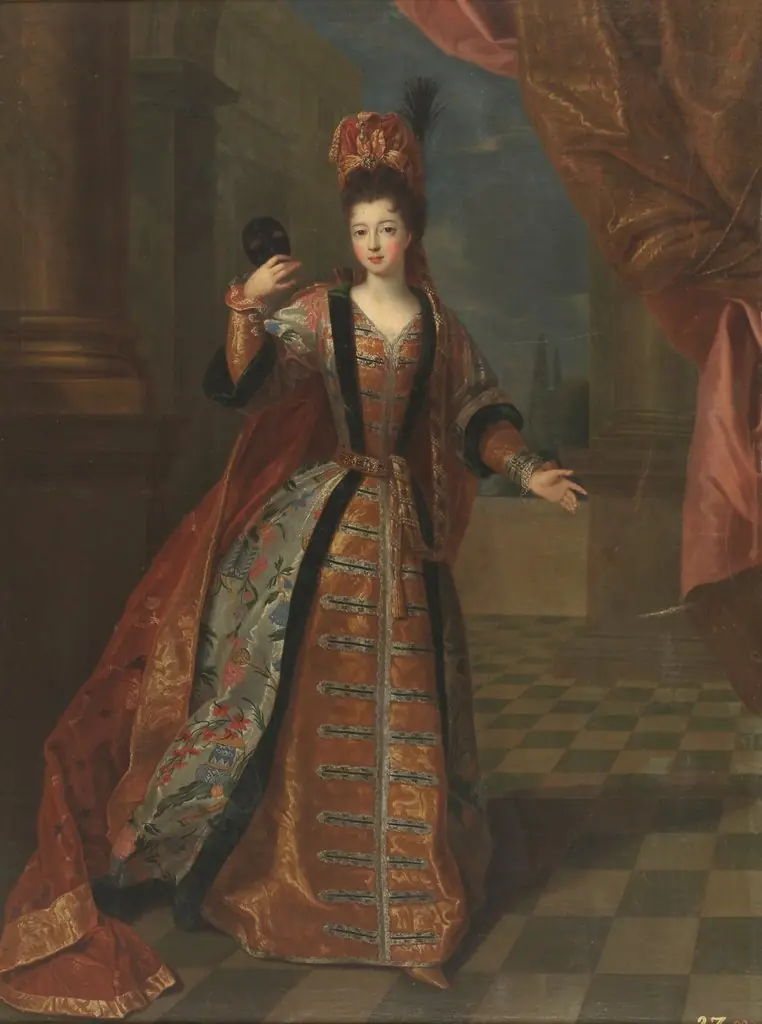 Marie Louise Élisabeth d'Orléans Duchess of Berry
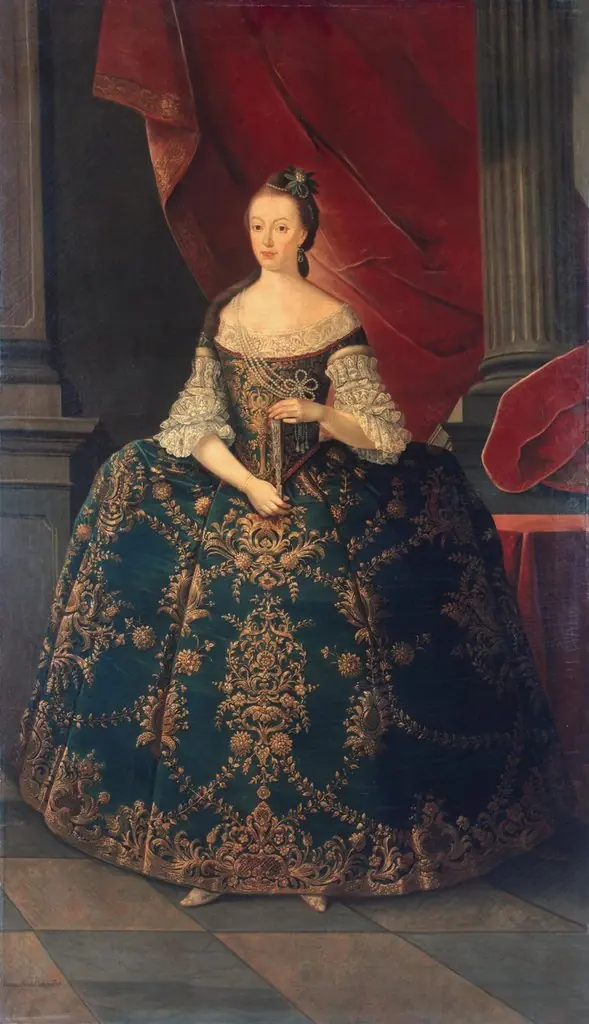 Portrait of Maria Francisca, Princess of Brasil and Beira
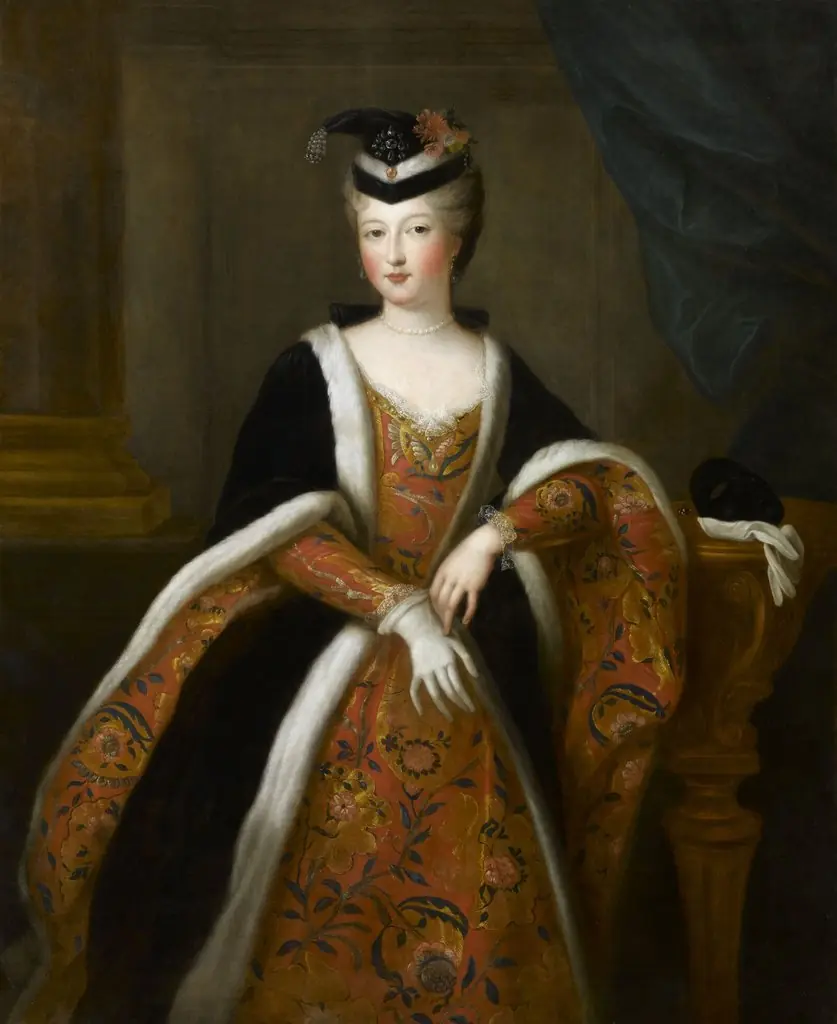 Françoise-Marie de Bourbon, Mademoiselle de Blois, Duchess of Orléans
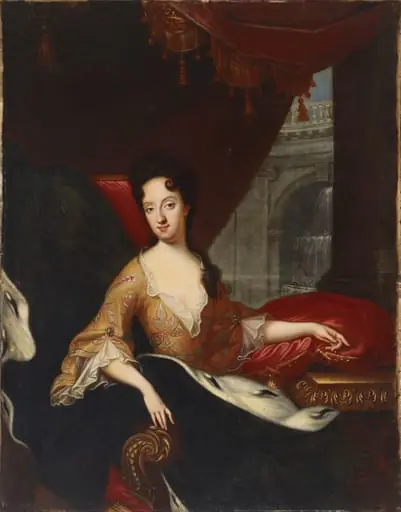 Kuningatar Ulrika Eleonora vanh.
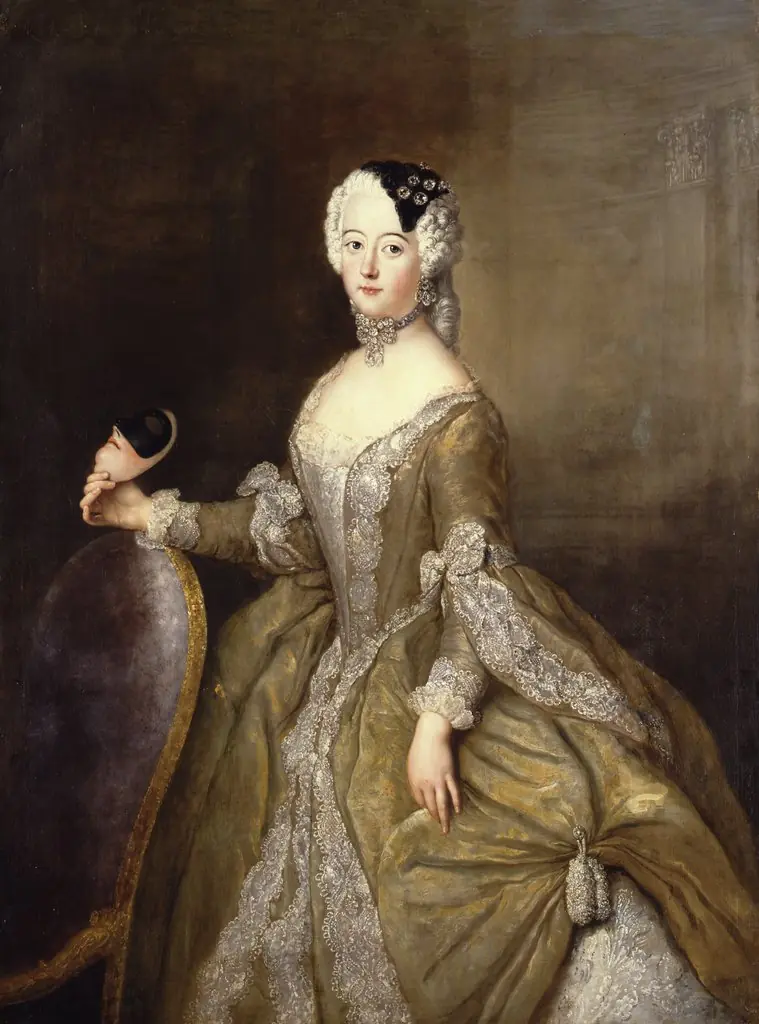 Princess Luise Ulrike of Prussia (1720-1782)
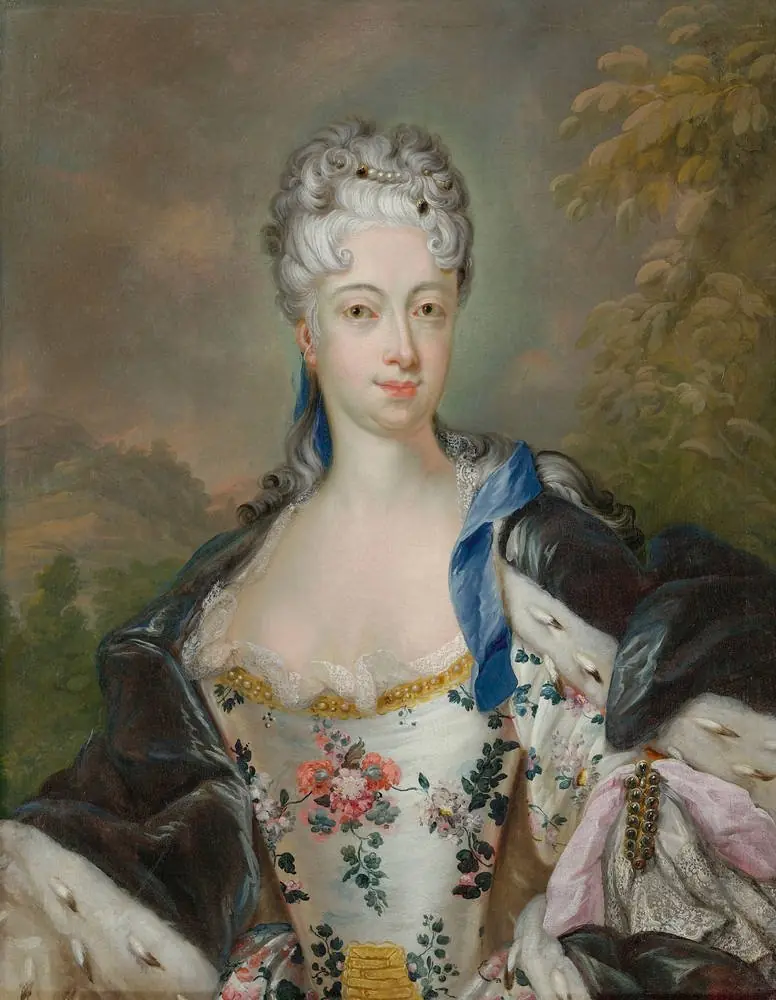 Anna Constanze Gräfin von Cosel (1680-1765)
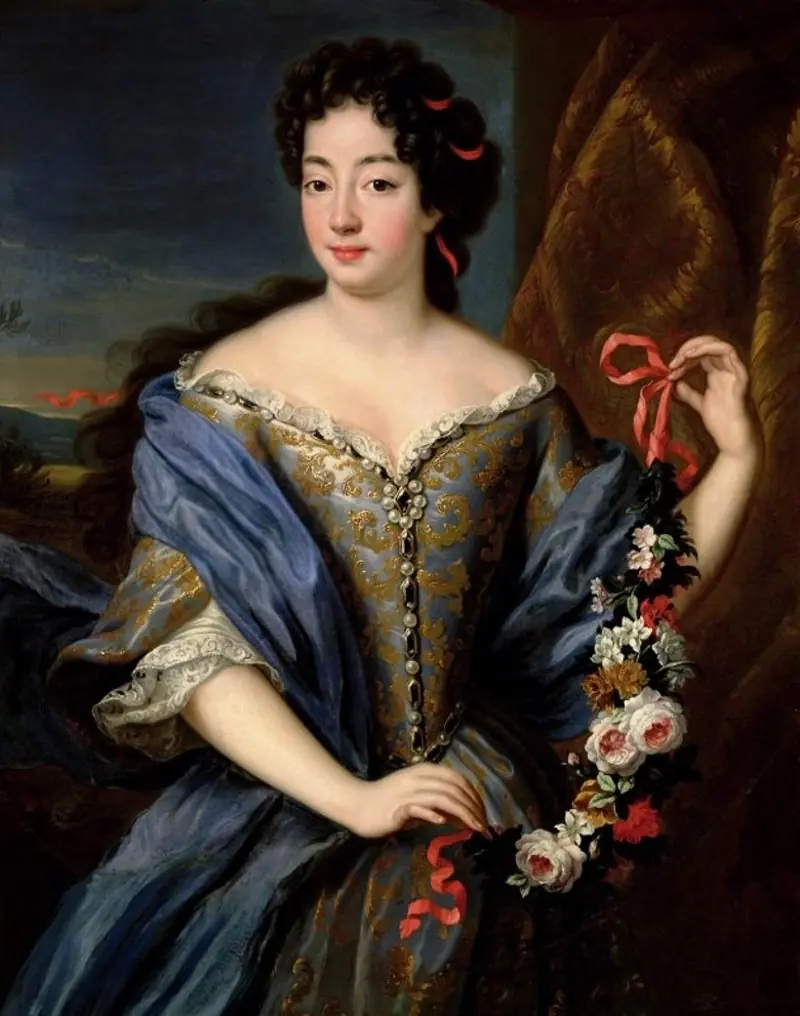 Anne de Bavière, princesse de Condé
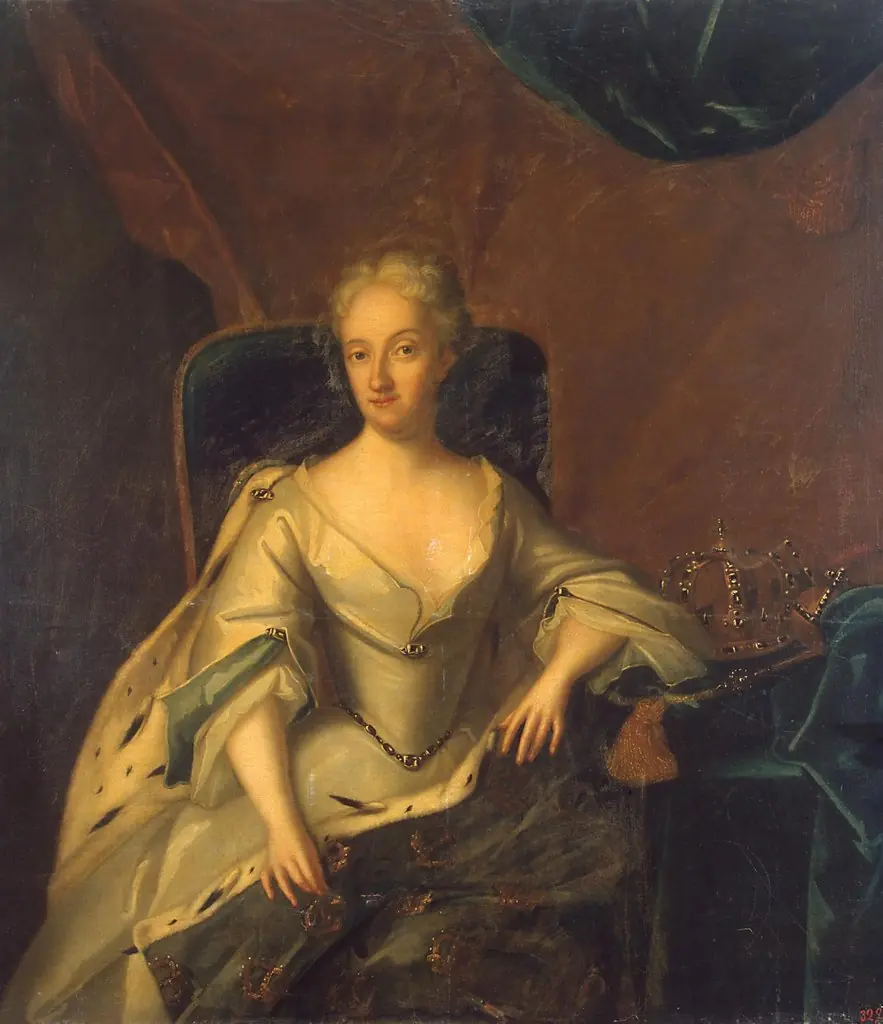 Portrait of Ulrika Eleonora the Younger, Queen of Sweden
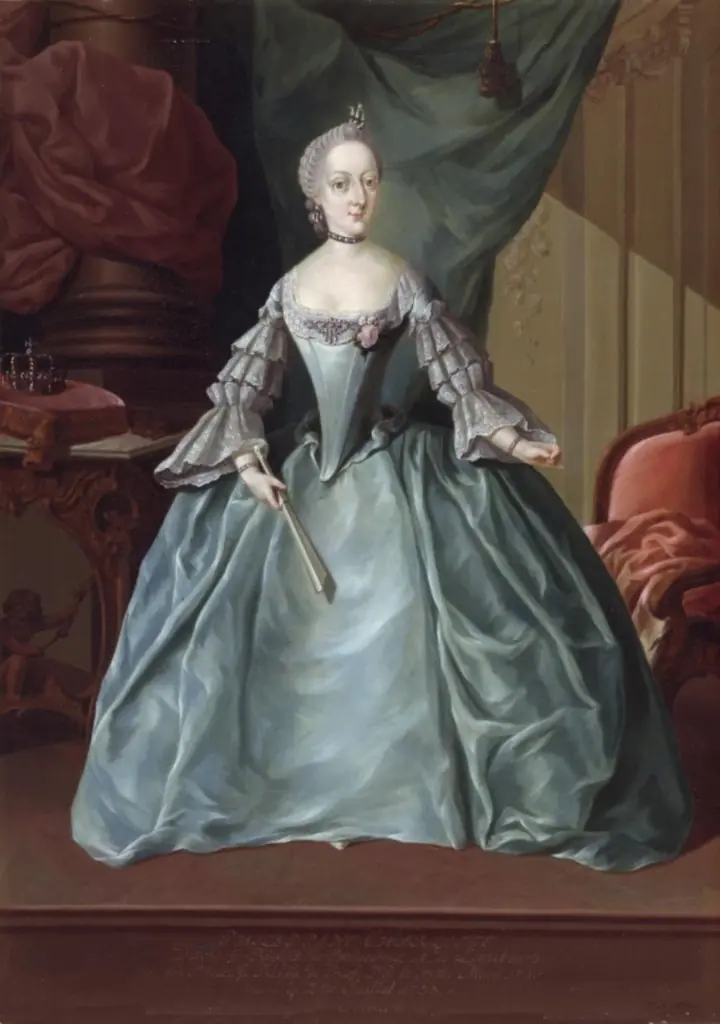 Philippine Charlotte, Duchess of Brunswick and Lüneburg, born Princess of Prussia
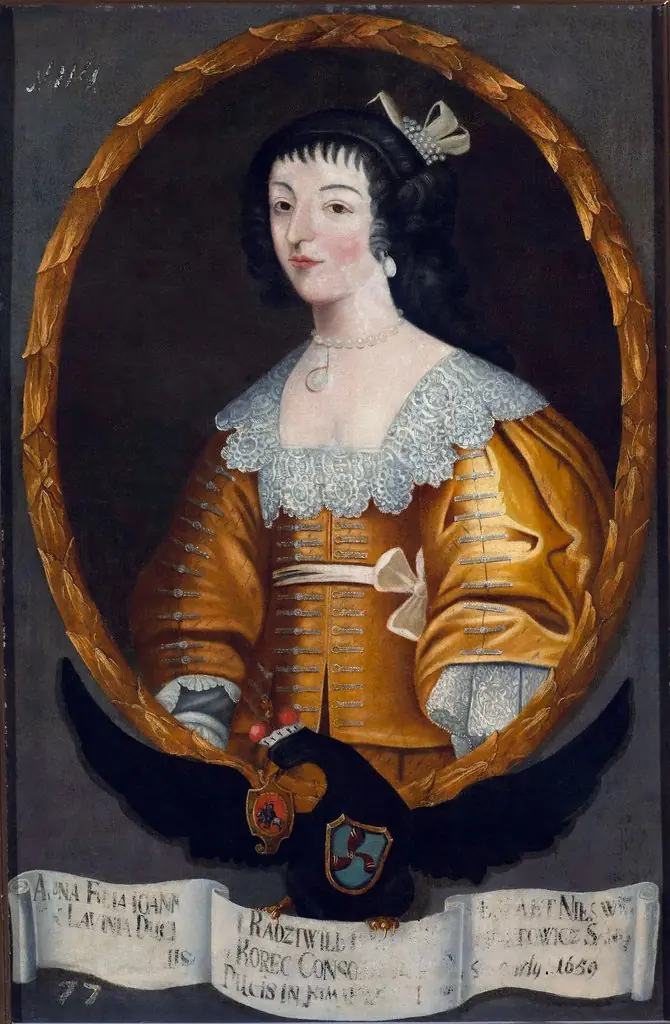 Portrait of Anna Sanguszko née Radziwiłł (?–1659)