Artwork
Baronesse Katarzyna de Besenval, geb. Gräfin Bielinska
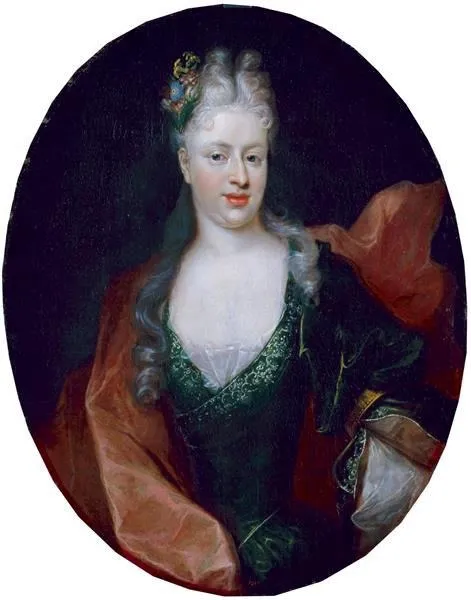
Baronesse Katarzyna de Besenval, geb. Gräfin Bielinska is an unspecified painting by the Rococo painting artist Ádám Mányoki. It dates from 1713 and is held in the collection of the Staatliche Kunstsammlungen Dresden.
About this work
Overview
It presents the sitter in a formal yet intimate pose, emphasizing her social standing through refined attire and composed demeanor.
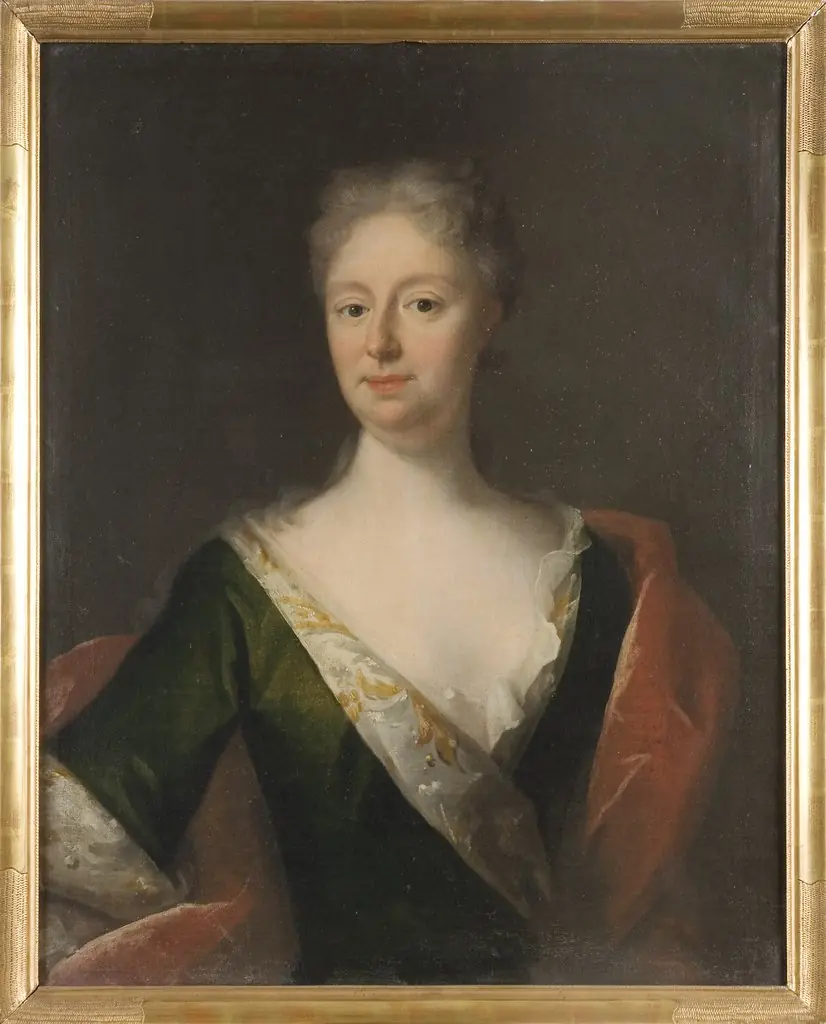
Painted in 1713 by Ádám Mányoki, this portrait captures Katarzyna Bielińska, who became Baroness von Besenval through marriage. The work is part of the Gemäldegalerie Alte Meister’s collection in Dresden. It presents the sitter in a formal yet intimate pose, emphasizing her social standing through refined attire and composed demeanor. The dark background isolates her figure, directing focus to her expression and dress.
Subject & Meaning
Katarzyna Bielińska, born into Polish nobility, is depicted as a woman of elevated status following her marriage into the Swiss-Bavarian Besenval family. The portrait conveys dignity and cultural sophistication, aligning with aristocratic ideals of the early 18th century. Her direct gaze and poised posture suggest confidence and self-awareness, reflecting both personal identity and dynastic alliance.
Technique & Style
Mányoki employs soft brushwork to render the sitter’s facial features with subtle gradations of tone, creating a lifelike presence. The green silk dress and crimson shawl are rendered with attention to texture and light, while the ornate hairpin adds a touch of decorative detail. The dark, unmodeled background enhances the three-dimensionality of the figure, a hallmark of Mányoki’s portraiture.
History & Provenance
The painting was completed in 1713, likely commissioned shortly after Katarzyna’s marriage. It remained within the Besenval family’s possession before entering the Dresden collection, possibly through royal or aristocratic acquisition. Its presence in the Gemäldegalerie Alte Meister since the 18th century confirms its recognized artistic and historical value within European courtly portraiture.
Context
In early 18th-century Europe, portraits like this served as instruments of social assertion, particularly for women who married across national borders. Mányoki, a Hungarian painter active in German courts, was known for his ability to blend elegance with psychological nuance. This work reflects the transnational networks of nobility and the artistic exchange between Central European courts.
Legacy
The portrait remains a representative example of Mányoki’s mature style and the broader tradition of aristocratic portraiture in Central Europe. It contributes to the understanding of how noblewomen were visually constructed as symbols of lineage and refinement. Its preservation in a major public collection ensures continued scholarly and public engagement with its historical significance.
Artist & collection

 Portrait of Archduchess Maria Theresa of Austria, later Empress (1717-1780)
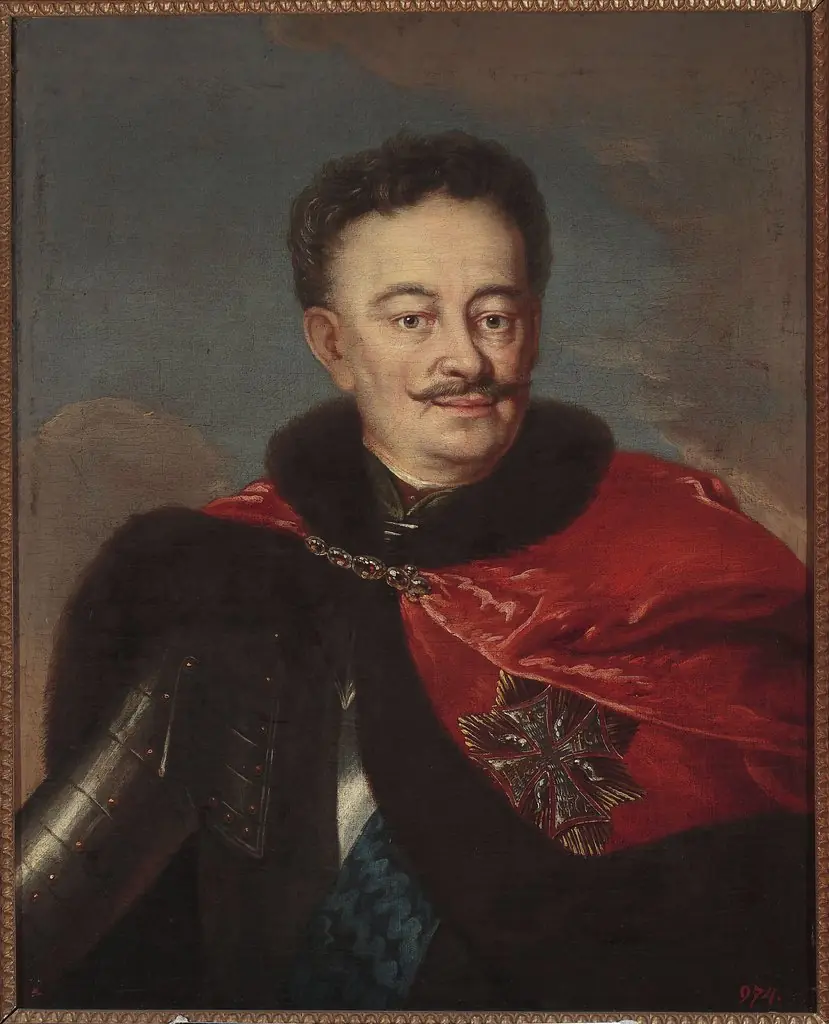 Portrait of Józef Potocki
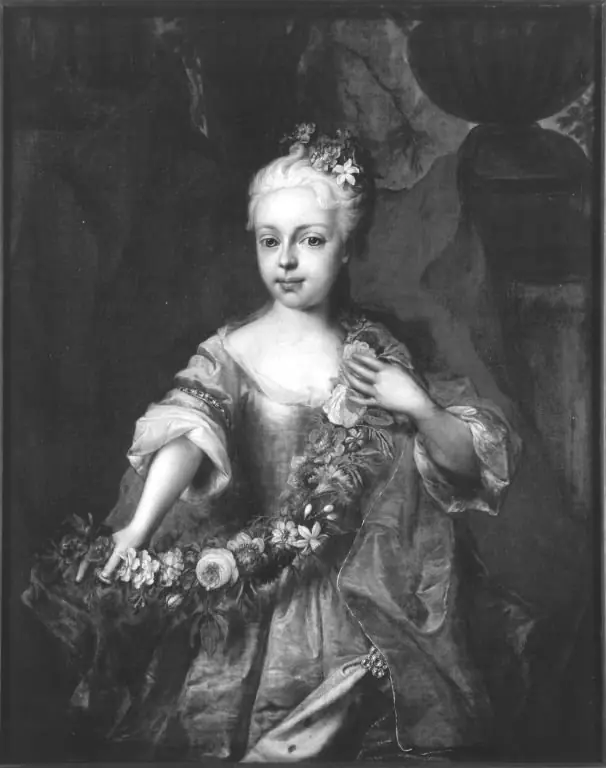
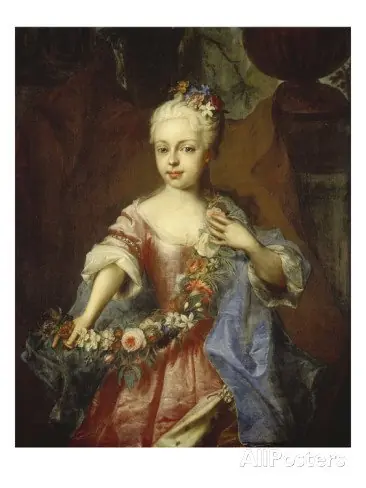 Portrait of Maria Theresia at the age of six.
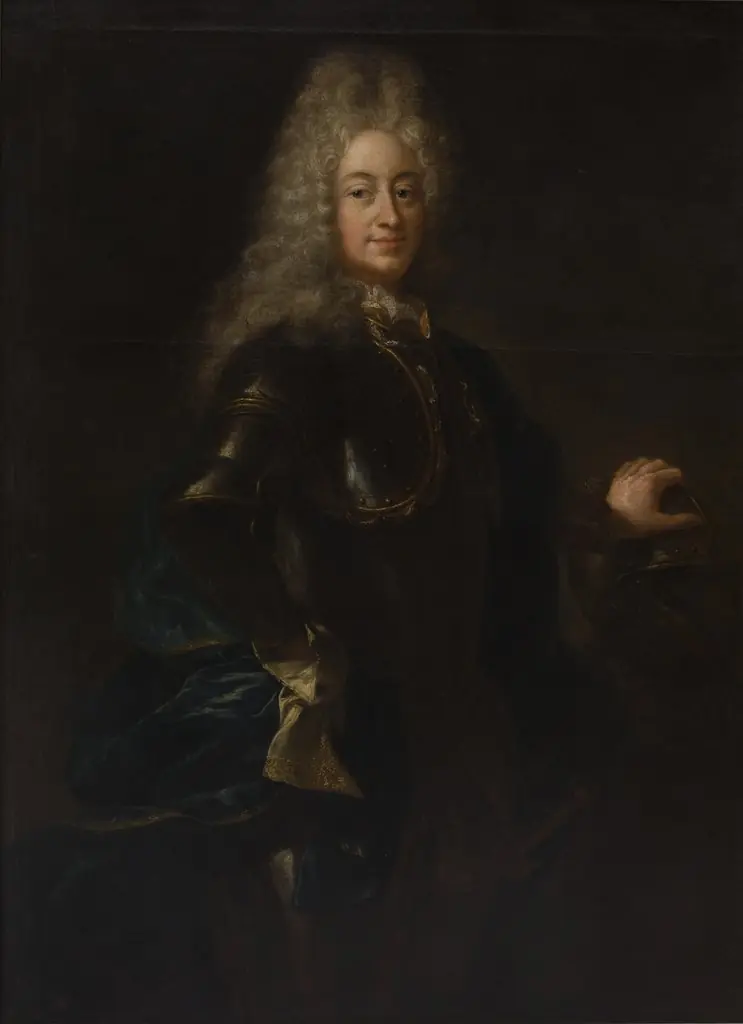 Portrait of a Nobleman in Armour
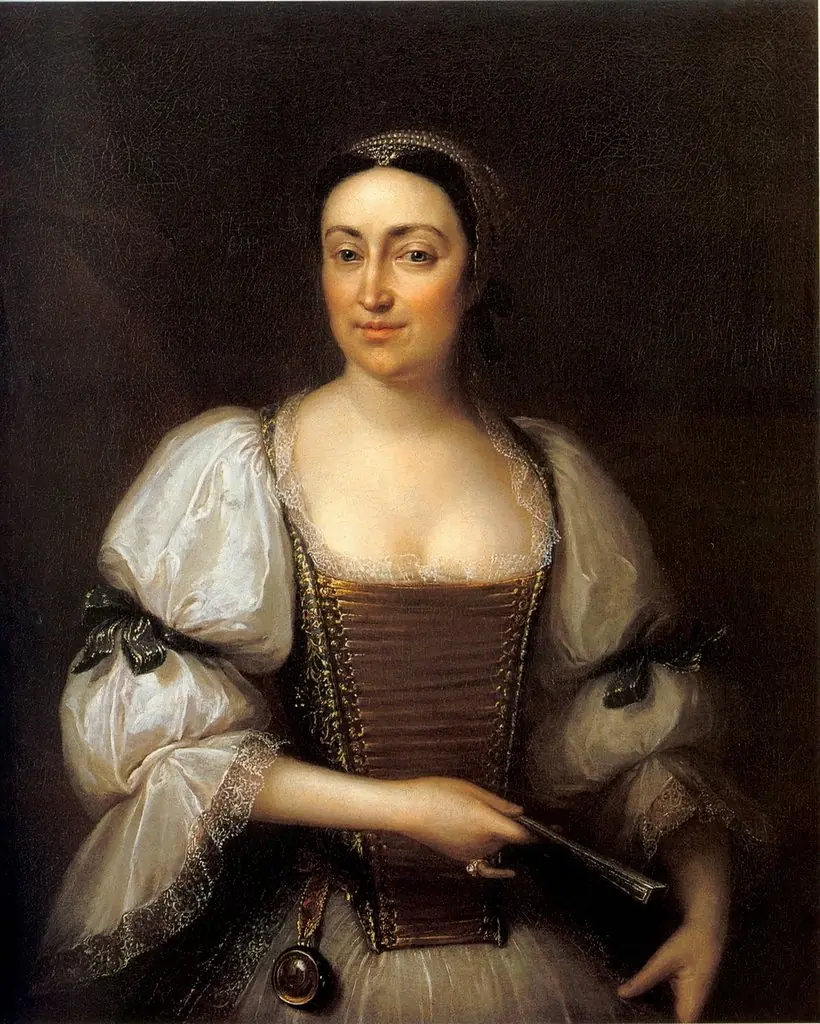 Portrait of Baroness János Podmaniczky née Judit Osztroluczky
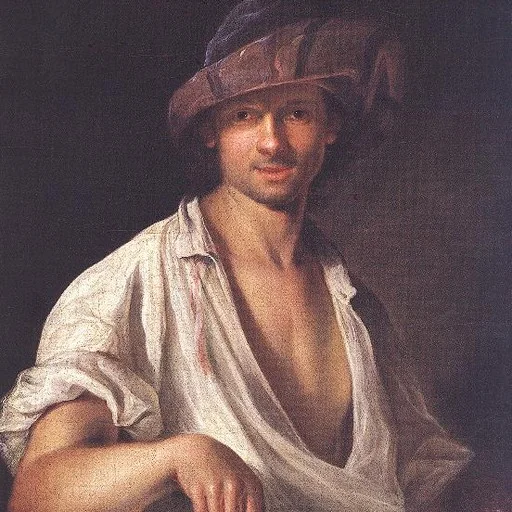
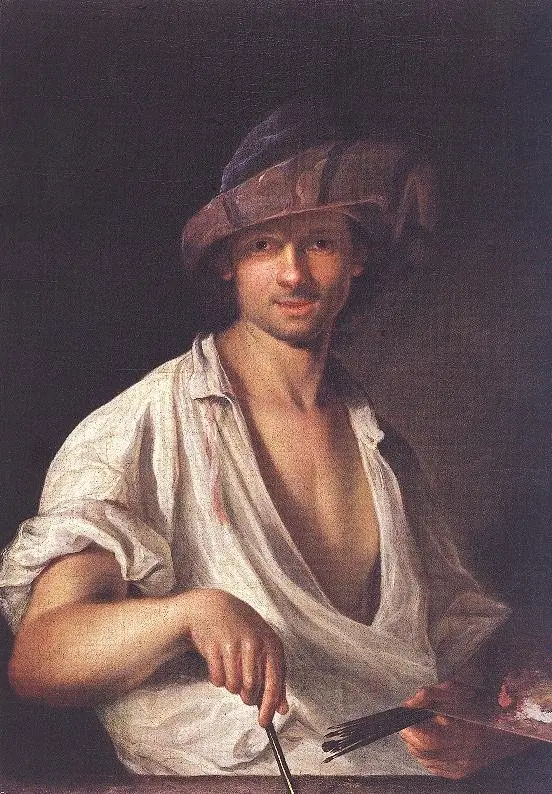 Self-portrait
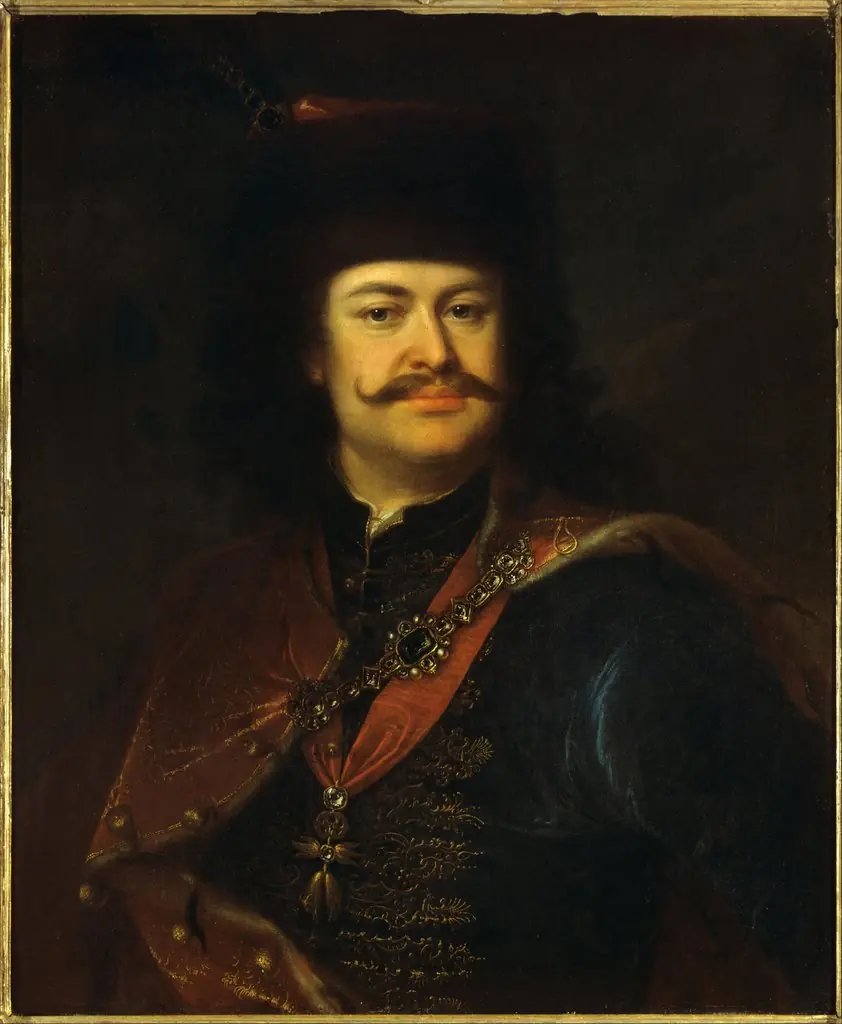 Portrait of Prince Ferenc Rákóczi II
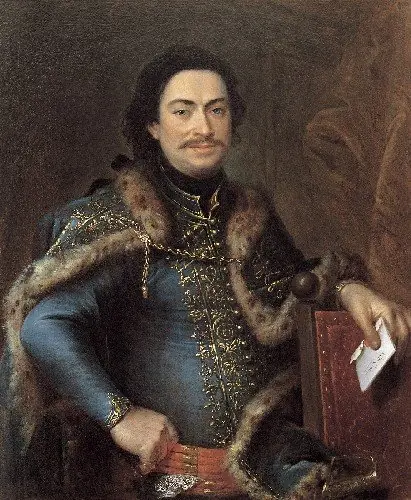 Portrait of János Podmaniczky
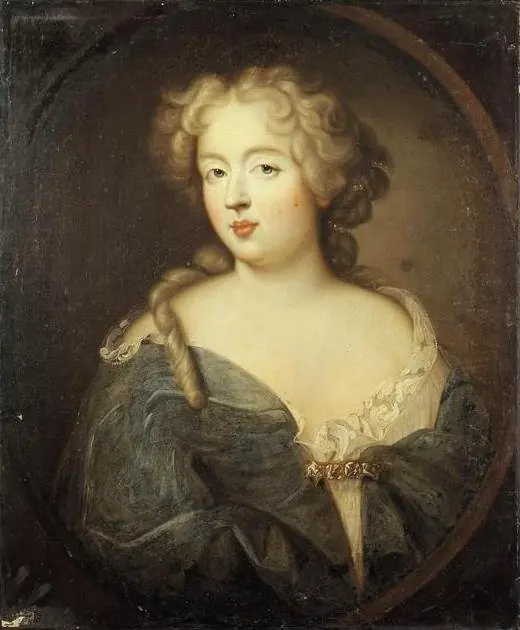 Françoise-Athénaïs de Rochechouart, marquise de Montespan
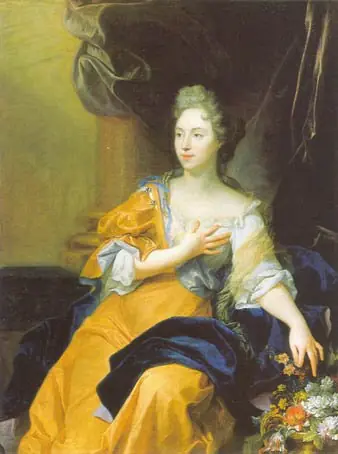 Portrait de Suzanne de Boubers de Bernâtre, épouse de Balthasar Keller
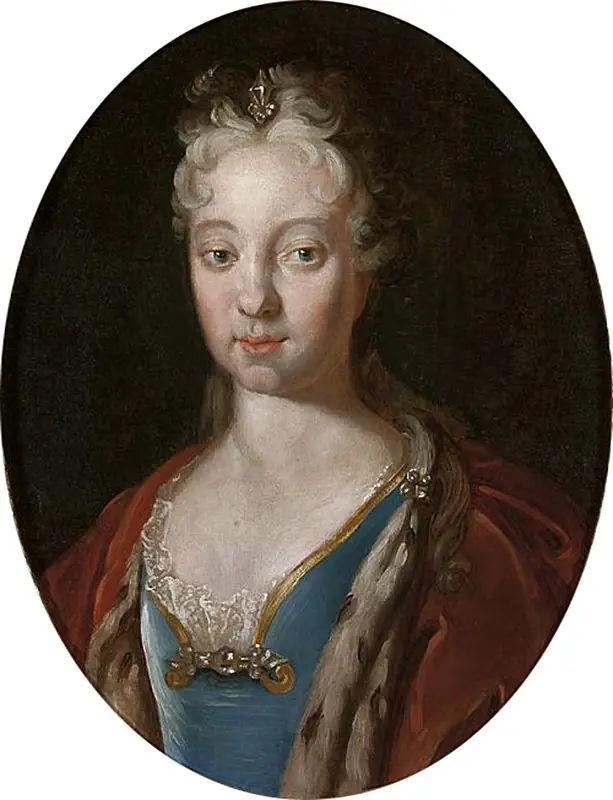 Portrait of Anna Ogińska née Wiśniowiecka (1700–1732), wife of Józef, voivode of Trakai
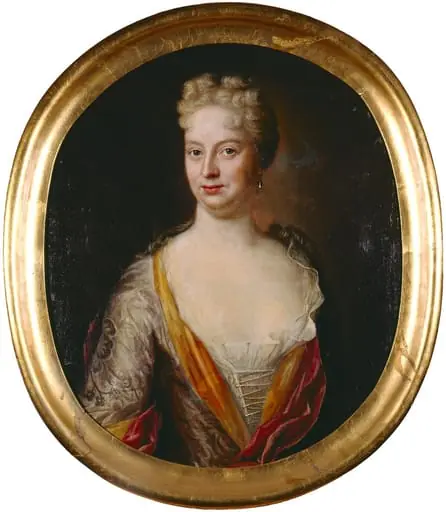 Piispatar Elisabet Wallin
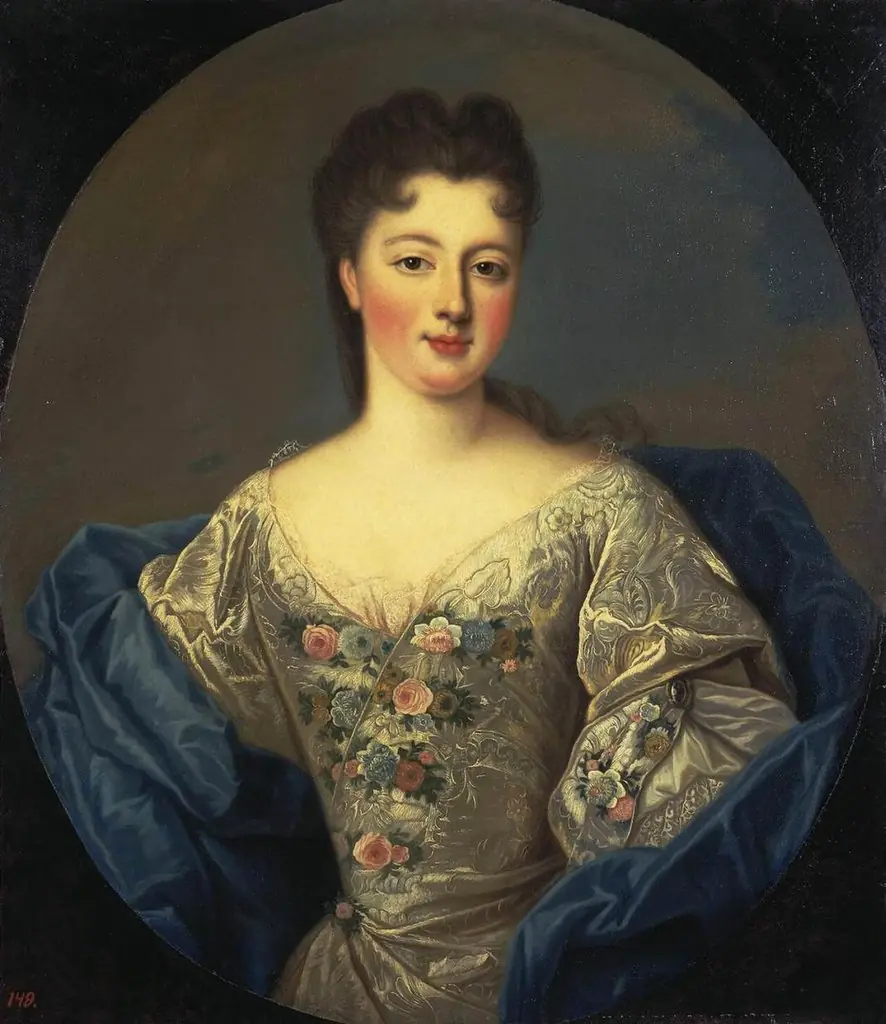 Portrait of Luiza Adelaida of Orleans
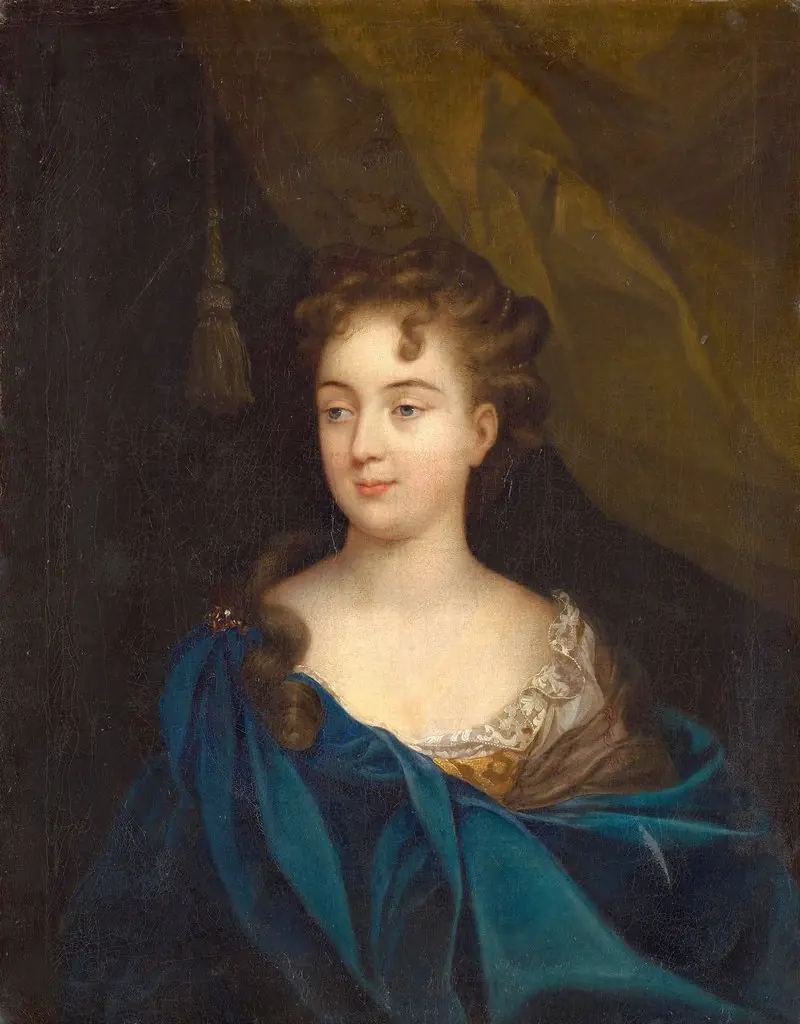 Maria Anna Christina, Dauphine von Frankreich (1660-1690) (Umkreis)
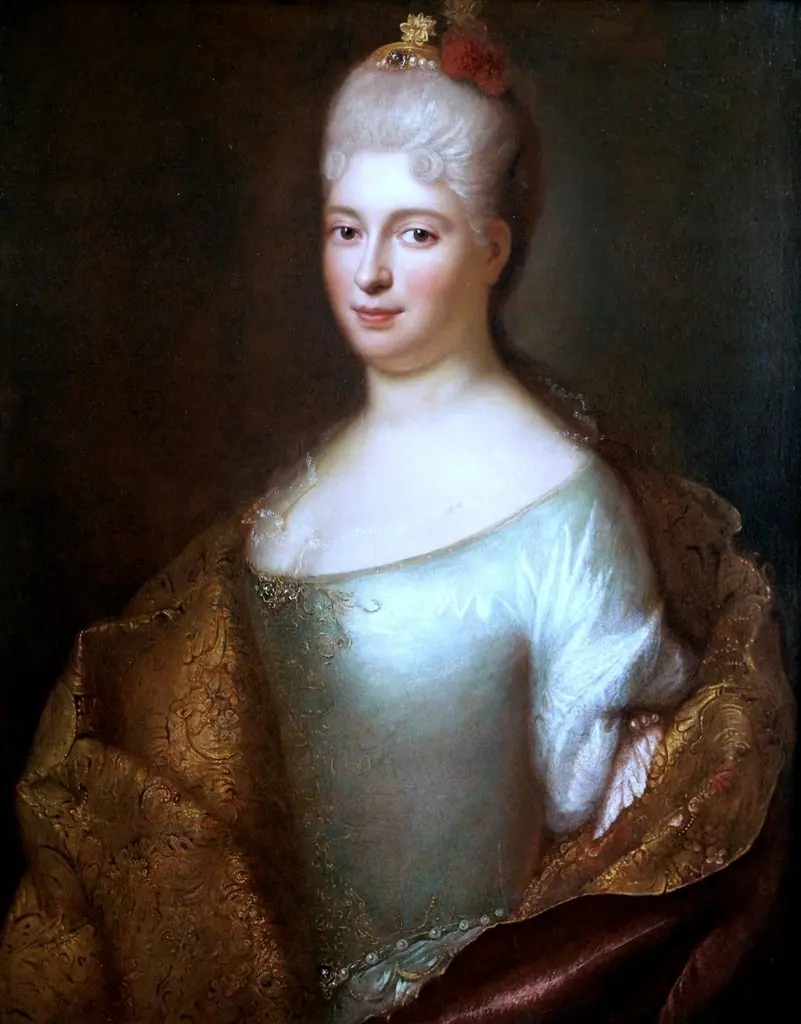 Portrait of Elżbieta Sieniawska.
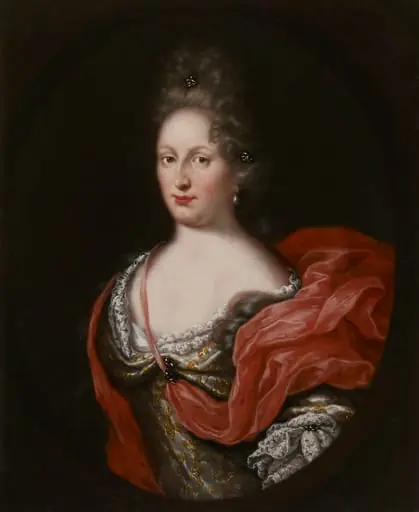 Kreivitär Ingeborg Posse
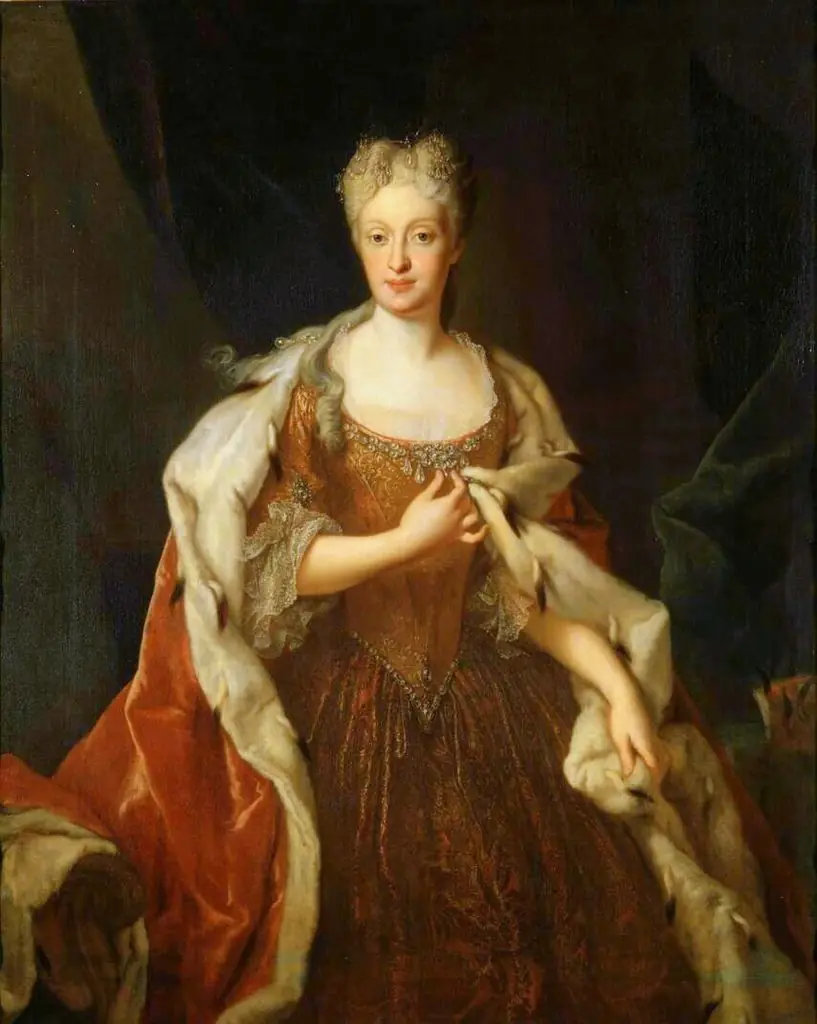 Porträt der Maria Josepha of Austria (1699-1757), Electress of Saxony and Queen of Poland
 Dronning Sophie Magdalene
 Sofia Gyllenstierna af Ulaborg (1682-1722), friherrinna, g.m. friherre Adolf Herman Wrangel af Lindeberg
 Portrait of Elisabeth Christine von Braunschweig-Wolfenbüttel