Artwork
Ecce Homo
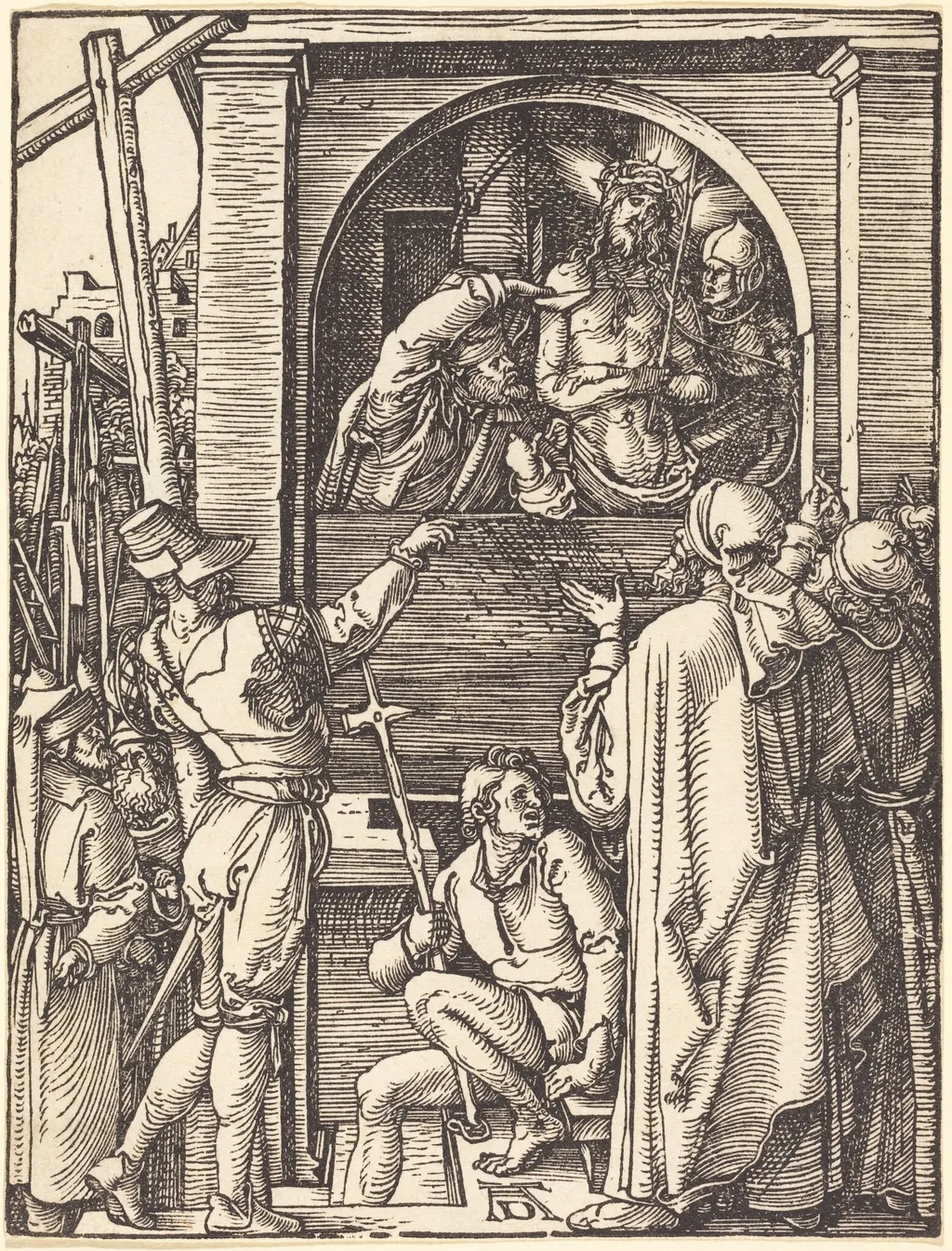
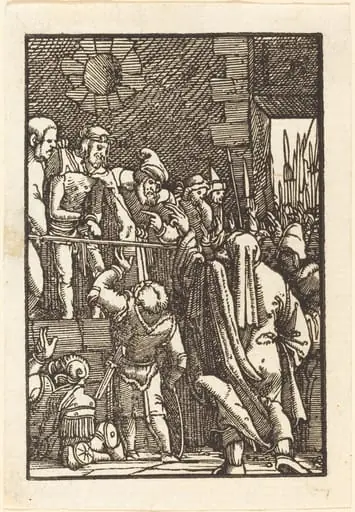
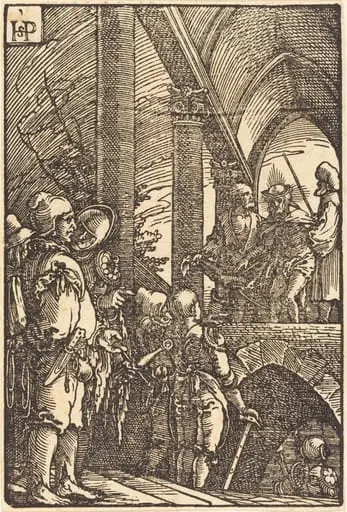
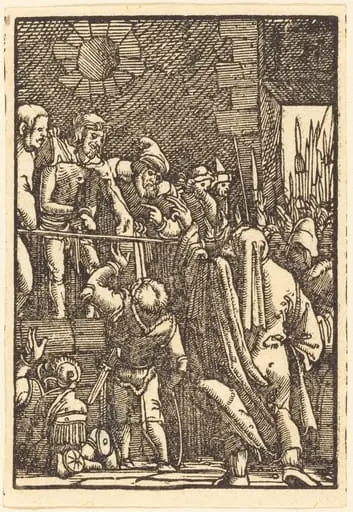
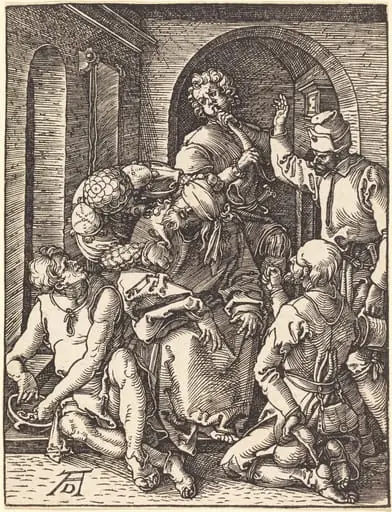
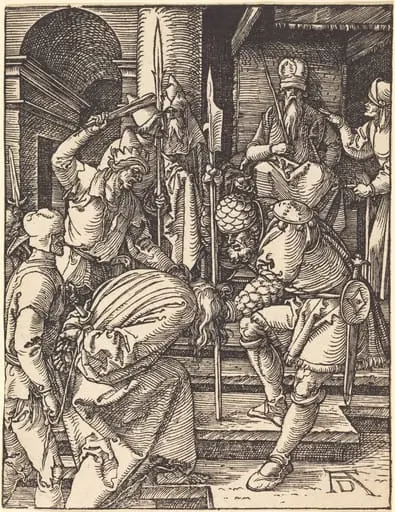
Ecce Homo is an ink print by the Northern Renaissance artist Albrecht Dürer. It dates from 1510 and is held in the collection of the National Gallery of Art.
About this work
Overview
' The composition is tightly structured, with figures arranged around a central archway, emphasizing the ritualized nature of the scene.
Created around 1510, Ecce Homo is a woodcut print by Albrecht Dürer on laid paper. It illustrates the moment when Pontius Pilate presents Jesus to the crowd with the words 'Behold the Man.' The composition is tightly structured, with figures arranged around a central archway, emphasizing the ritualized nature of the scene. Dürer’s mastery of the woodcut medium allows for intricate line work that defines form without color.
Subject & Meaning
The image captures the biblical moment of Christ’s presentation before the people, a scene rich in theological weight. Pilate, gesturing toward Jesus, underscores the tension between judgment and mercy. Surrounding figures—some observing, others kneeling—reflect varied human responses to divine suffering. The archway frames the moment as a threshold between earthly authority and spiritual truth, reinforcing the narrative’s solemnity.
Technique & Style
Dürer employs fine, controlled lines typical of his woodcut technique, carving delicate textures into the block to suggest fabric folds, facial expressions, and architectural detail. The contrast between dense shadow and open space enhances depth, while the absence of tonal gradation relies on line density to convey volume. His precision in rendering gestures and drapery reveals a deep engagement with human anatomy and emotional nuance.
History & Provenance
The print was produced during Dürer’s mature period, likely for private devotion or scholarly circulation. Few early impressions survive, and those that do are held in major European collections. Its production coincided with Dürer’s interest in religious themes and his travels to Italy, where he absorbed classical composition and humanist ideals that subtly inform this work.
Context
Created in the decade before the Reformation, the print reflects late medieval devotional practices still dominant in northern Europe. Dürer’s focus on Christ’s suffering aligns with contemporary piety that emphasized personal meditation on the Passion. The woodcut format made such imagery accessible beyond painted altarpieces, bridging elite and popular religious culture.
Legacy
Ecce Homo exemplifies how printmaking expanded the reach of religious imagery in early 16th-century Europe. Dürer’s technical innovation influenced generations of printmakers, and the composition’s clarity became a model for depicting sacred narratives. Though not widely reproduced in his lifetime, its influence endures in the formal discipline of Northern Renaissance printmaking.
Artist & collection
Artist
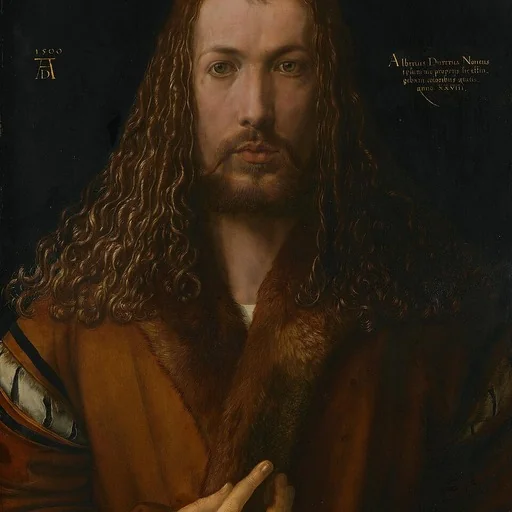
Albrecht Dürer spent his life in Nuremberg, a busy German city where artists traded prints like currency.

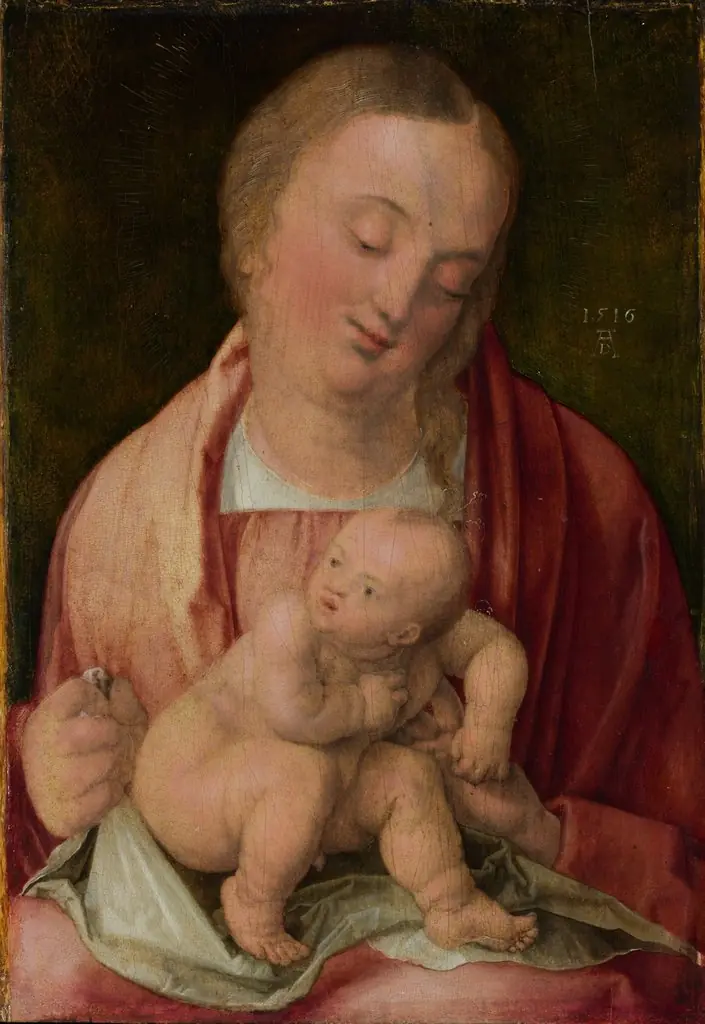
![Madonna and Child [obverse], by Albrecht Dürer](https://artifactworldgallery.com/img/albrecht-durer--madonna-and-child-obverse--d7b8ebf05d22ebe5-w320.webp)
![Lot and His Daughters [reverse], by Albrecht Dürer](https://artifactworldgallery.com/img/albrecht-durer--lot-and-his-daughters-reverse--b4ebf9b282faa17a-w320.webp)