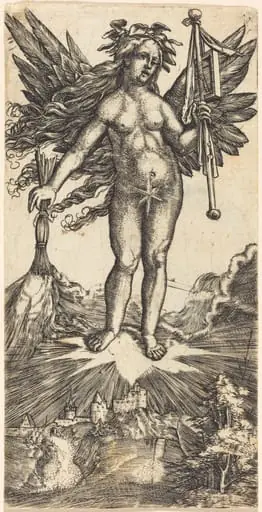
Artwork
Nemesis (The Great Fortune)
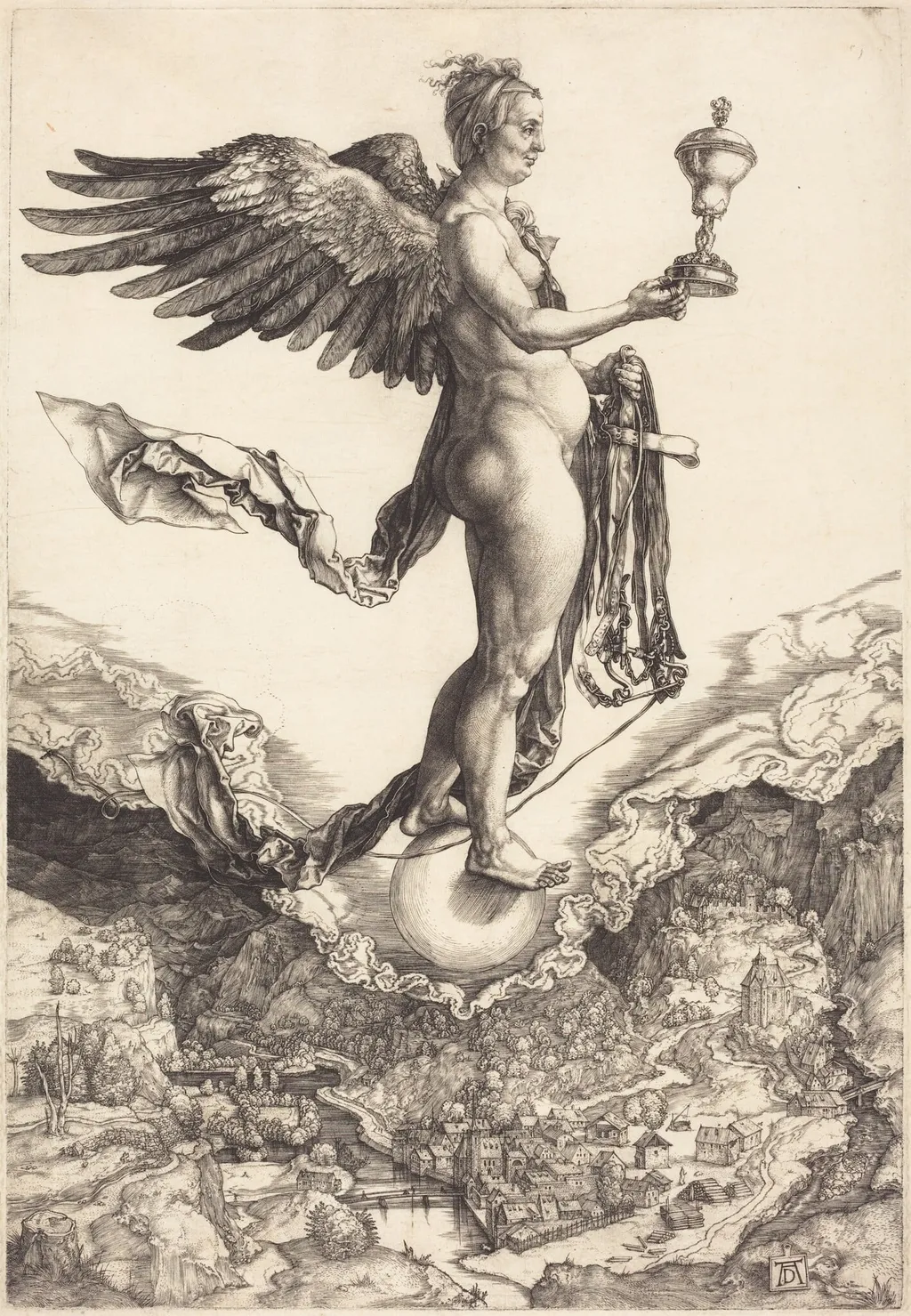
Nemesis (The Great Fortune) is an ink print by the Northern Renaissance artist Albrecht Dürer. It dates from 1502 and is held in the collection of the National Gallery of Victoria.
About this work
Overview
Albrecht Dürer’s engraving titled Nemesis (The Great Fortune) dates from around 1502. Executed on laid paper, the print presents the Greek goddess of retribution as a standing figure atop a globe, clutching a cup in one hand and a bridle in the other. The composition functions as an allegorical illustration, linking the deity’s attributes to themes of fate and balance.
Subject & Meaning
In this work Dürer portrays Nemesis, the personification of divine justice, poised on a sphere that symbolizes the world’s order. The cup she holds alludes to the measuring of fortunes, while the bridle suggests control over the forces that dispense reward and punishment. Together, these elements convey the ancient belief that destiny is meted out impartially.
Technique & Style
The image is rendered through a meticulous engraving process, allowing Dürer to achieve fine linear detail and subtle tonal variation. By incising the copper plate with a burin, he created crisp outlines and delicate cross‑hatching that model the figure’s drapery and the globe’s curvature. The precision of the lines reflects the artist’s early mastery of printmaking.
History & Provenance
Produced in the early phase of Dürer’s career, the print exemplifies his interest in classical mythology and his experimentation with the medium of engraving. While specific ownership records are scarce, the work survives in several museum collections, attesting to its circulation among collectors of Renaissance prints and its inclusion in scholarly studies of Dürer’s oeuvre.
Artist & collection
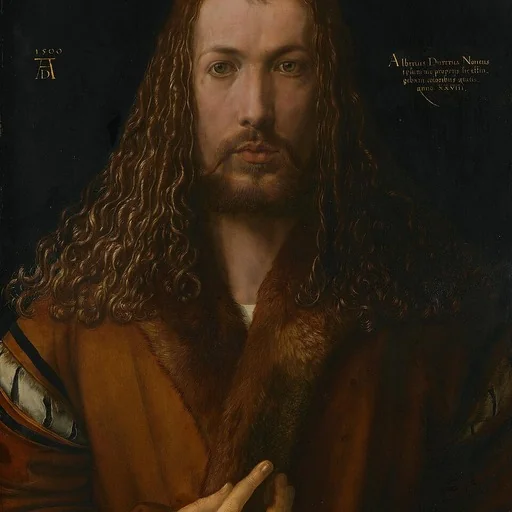
Artist
Albrecht Dürer spent his life in Nuremberg, a busy German city where artists traded prints like currency.

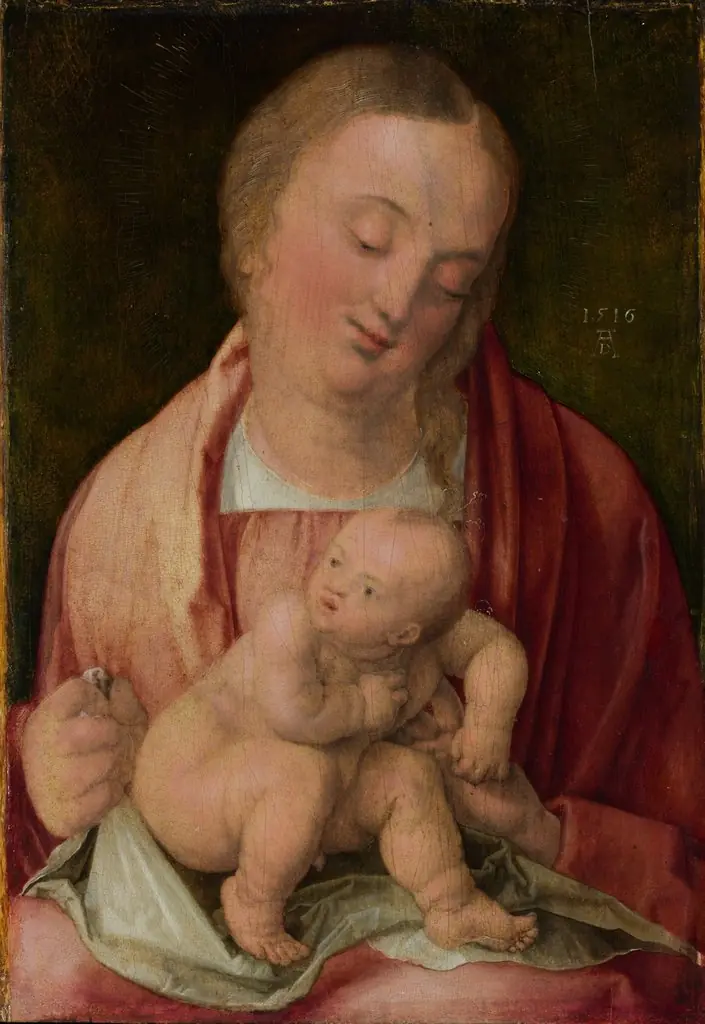
![Madonna and Child [obverse], by Albrecht Dürer](https://artifactworldgallery.com/img/albrecht-durer--madonna-and-child-obverse--d7b8ebf05d22ebe5-w320.webp)
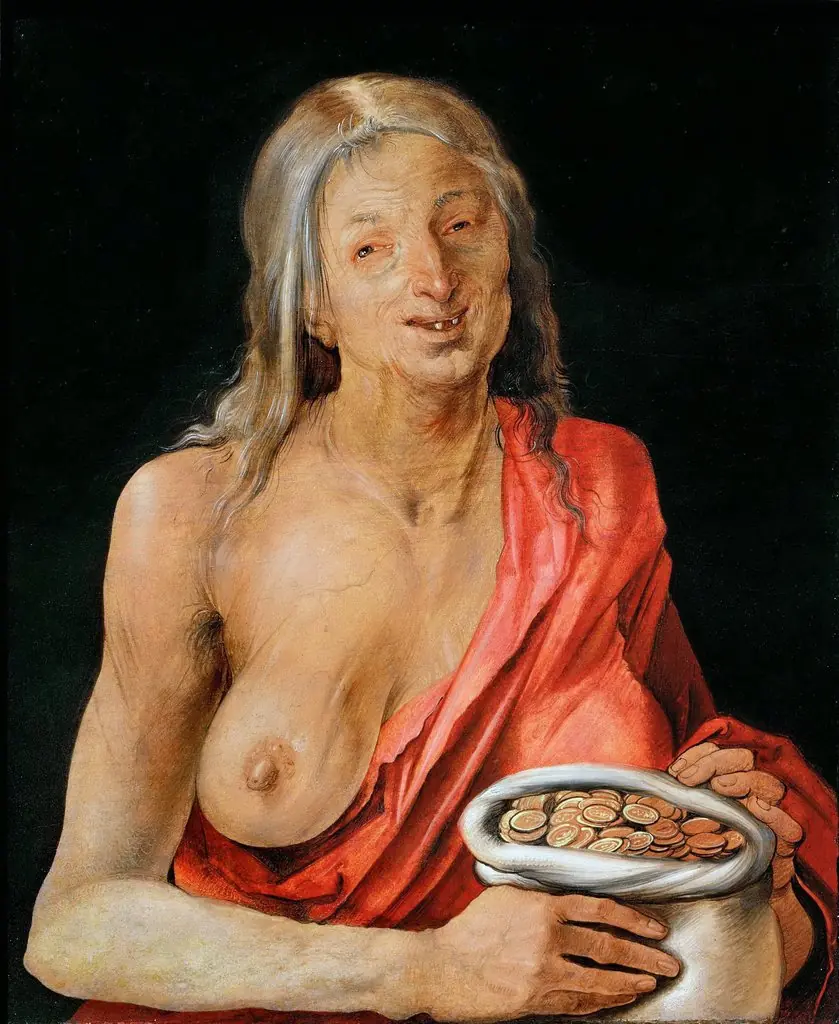
![Lot and His Daughters [reverse], by Albrecht Dürer](https://artifactworldgallery.com/img/albrecht-durer--lot-and-his-daughters-reverse--b4ebf9b282faa17a-w320.webp)