Artwork
Perseus Freeing Andromeda
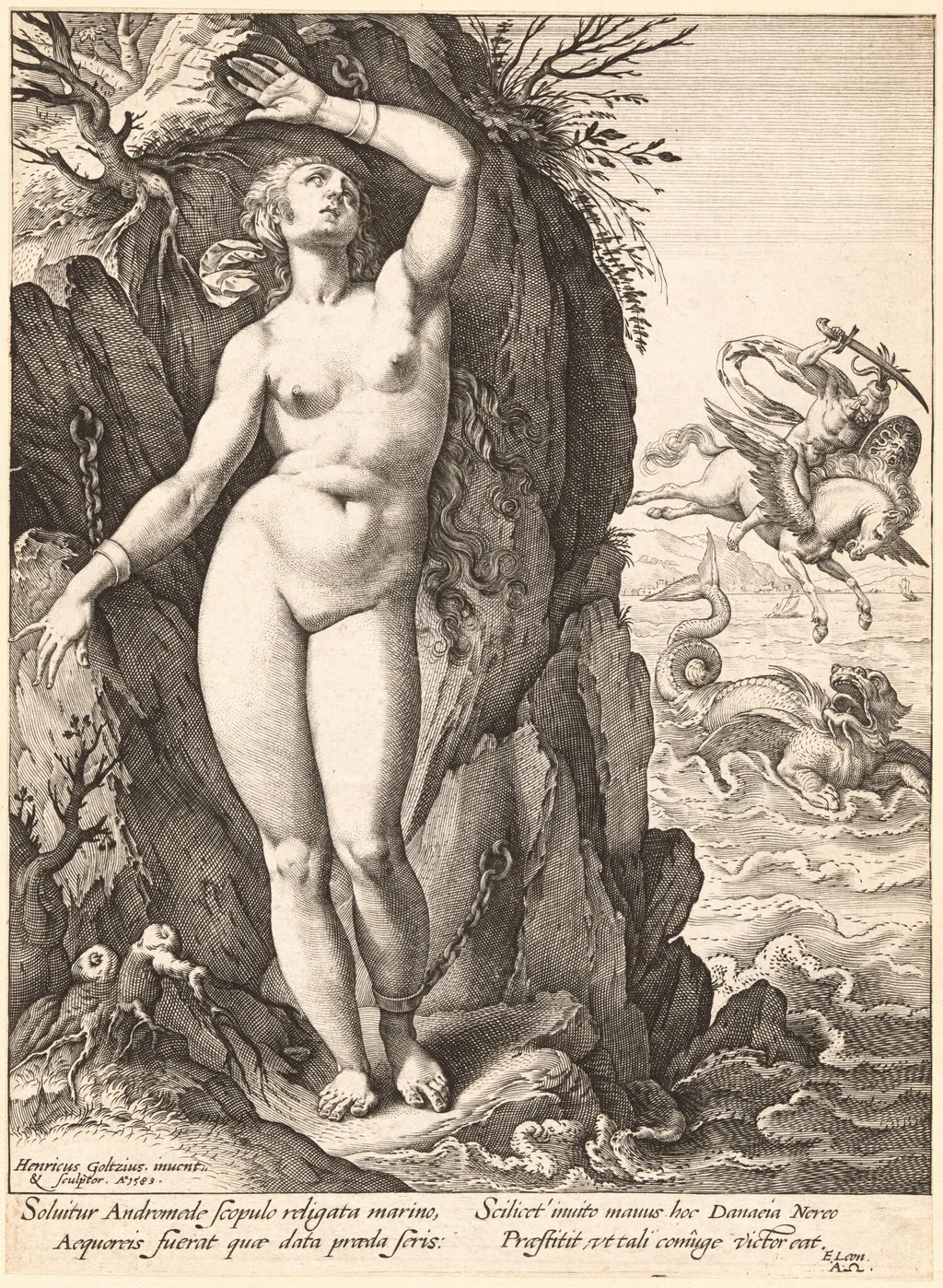
Perseus Freeing Andromeda is an ink print by the Renaissance artist Hendrik Goltzius. It dates from 1583 and is held in the collection of the National Gallery of Art.
About this work
Overview
Hendrick Goltzius, a German‑born artist who worked in the Netherlands, produced the copper‑plate engraving *Perseus Freeing Andromeda* in 1583. The print belongs to the early Baroque, or Northern Mannerist, period and exemplifies Goltzius’s reputation for sophisticated line work and complex compositions.
Subject & Meaning
The image captures a moment from Greek myth in which the hero Perseus confronts the sea monster threatening Andromeda, who is bound to a cliff. The composition emphasizes the peril of the chained figure and the decisive intervention of the mounted hero, underscoring themes of rescue and triumph over chaos.
Technique & Style
Goltzius employs dense cross‑hatching to model flesh, stone, and water, creating a strong sense of volume and spatial depth. The engraving’s intricate textures—ranging from the rippling sea to the horse’s mane—demonstrate the artist’s mastery of line and his preference for elaborate, highly detailed surfaces typical of Northern Mannerism.
History & Provenance
Created in 1583, the print was circulated among collectors of the time, contributing to Goltzius’s standing as the pre‑eminent Dutch engraver of his generation. Surviving impressions are held in several major European and American institutions, reflecting its continued presence in print collections.
Context
The work reflects the 16th‑century fascination with classical mythology and the humanist interest in heroic narratives. Goltzius’s rendering aligns with contemporary artistic trends that favored dramatic, dynamic scenes and a heightened emphasis on anatomical precision.
Artist & collection
Artist
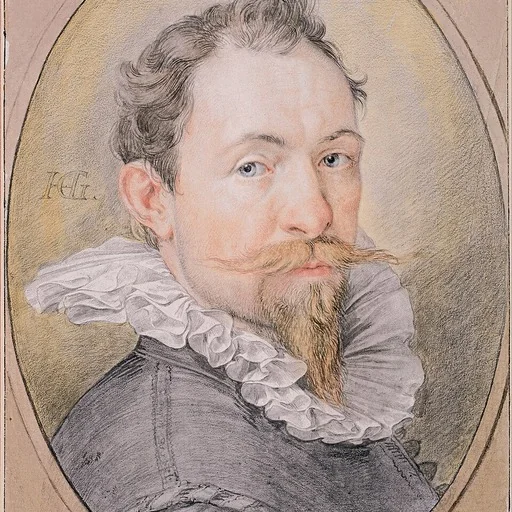
Hendrick Goltzius (German: , Dutch: ; né Goltz; January or February 1558 – 1 January 1617) was a German-born Dutch printmaker, draftsman, and painter.