Artwork
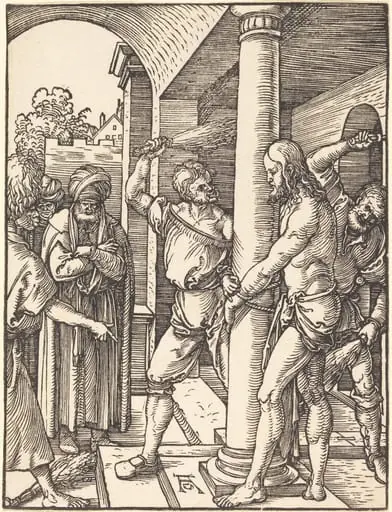
The Flagellation
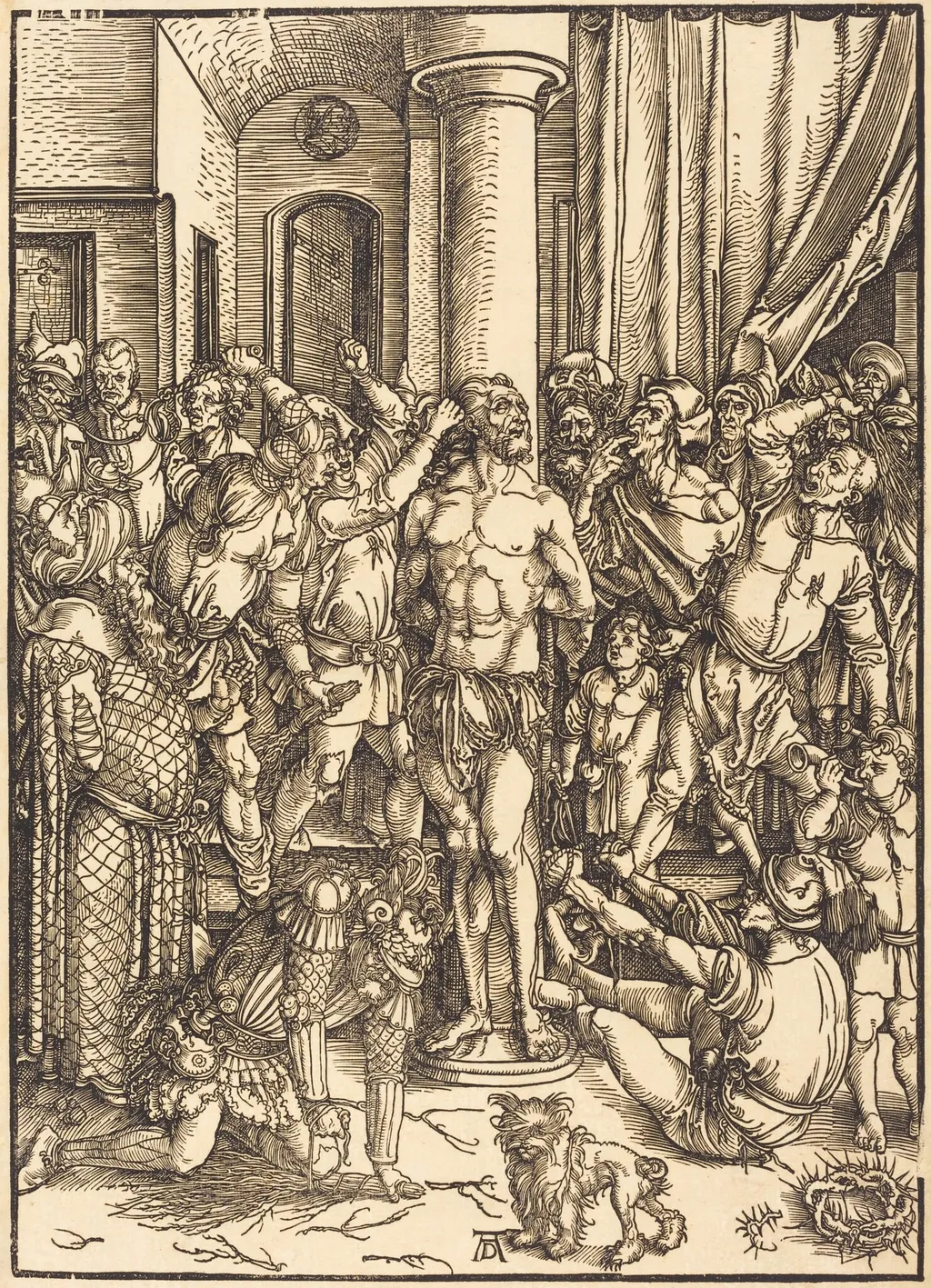
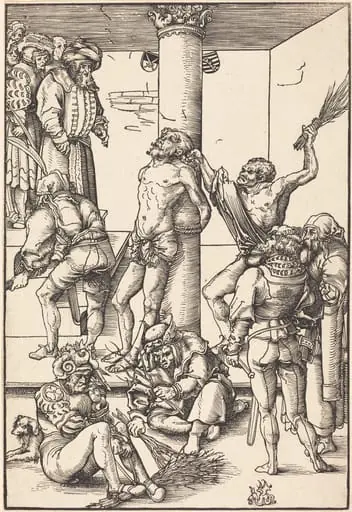
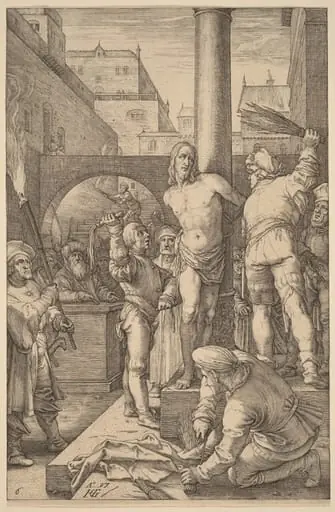
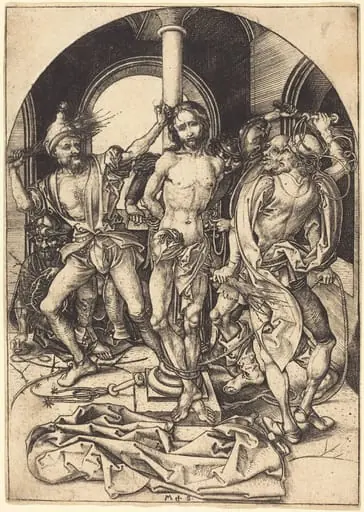
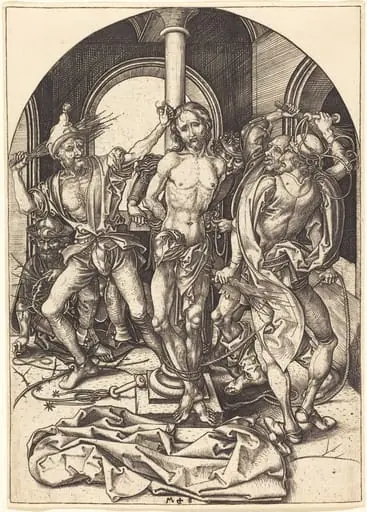
The Flagellation is an ink print by the Northern Renaissance artist Albrecht Dürer. It dates from 1497 and is held in the collection of the Metropolitan Museum of Art.
About this work
Dürer used cross-hatching to create darkness and depth, a trick he learned from Italian artists.
Albrecht Dürer carved this print in 1497. It shows Jesus tied to a column while three figures watch. The woodblock feels busy yet precise, with tiny figures and detailed folds in the cloth.
This scene isn’t just a moment in time. It’s a study in how light hits Jesus’ skin and shadows pool on the ground. Dürer used cross-hatching to create darkness and depth, a trick he learned from Italian artists.
Look up woodcut if you want to see how prints like this were made.
Overview
The Flagellation is a woodcut print created by Albrecht Dürer around 1497, depicting a pivotal moment in the narrative of Jesus Christ.
Subject & Meaning
The print shows Jesus Christ tied to a column, observed by three figures, conveying a religious scene that explores the interplay of light and shadow on the human form, adding depth to the biblical narrative.
Technique & Style
Dürer employed cross-hatching, a technique influenced by Italian artists, to achieve detailed, precise renderings of textures, folds, and shading, despite the small scale of the figures.
History & Provenance
Carved in 1497, the woodblock demonstrates Dürer's mastery of woodcut printing, a medium that allowed for widespread dissemination of religious imagery during the late 15th century.
Artist & collection
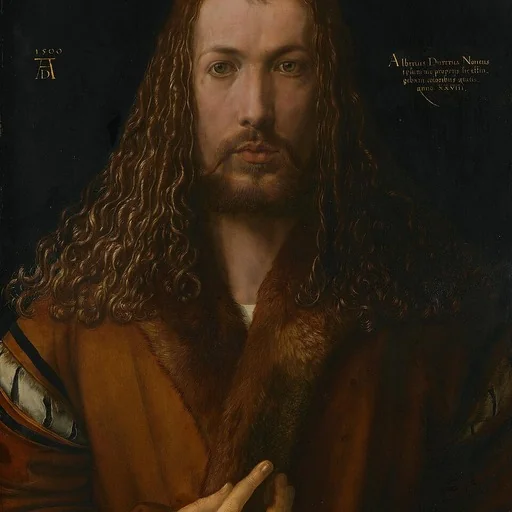
Artist
Albrecht Dürer spent his life in Nuremberg, a busy German city where artists traded prints like currency.

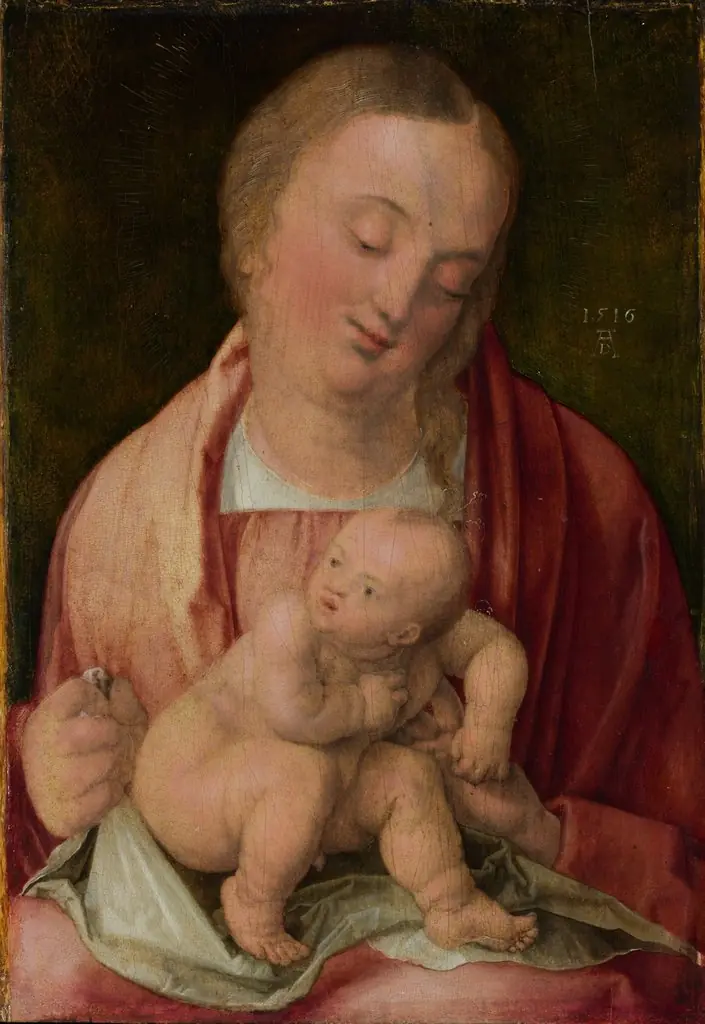
![Madonna and Child [obverse], by Albrecht Dürer](https://artifactworldgallery.com/img/albrecht-durer--madonna-and-child-obverse--d7b8ebf05d22ebe5-w320.webp)
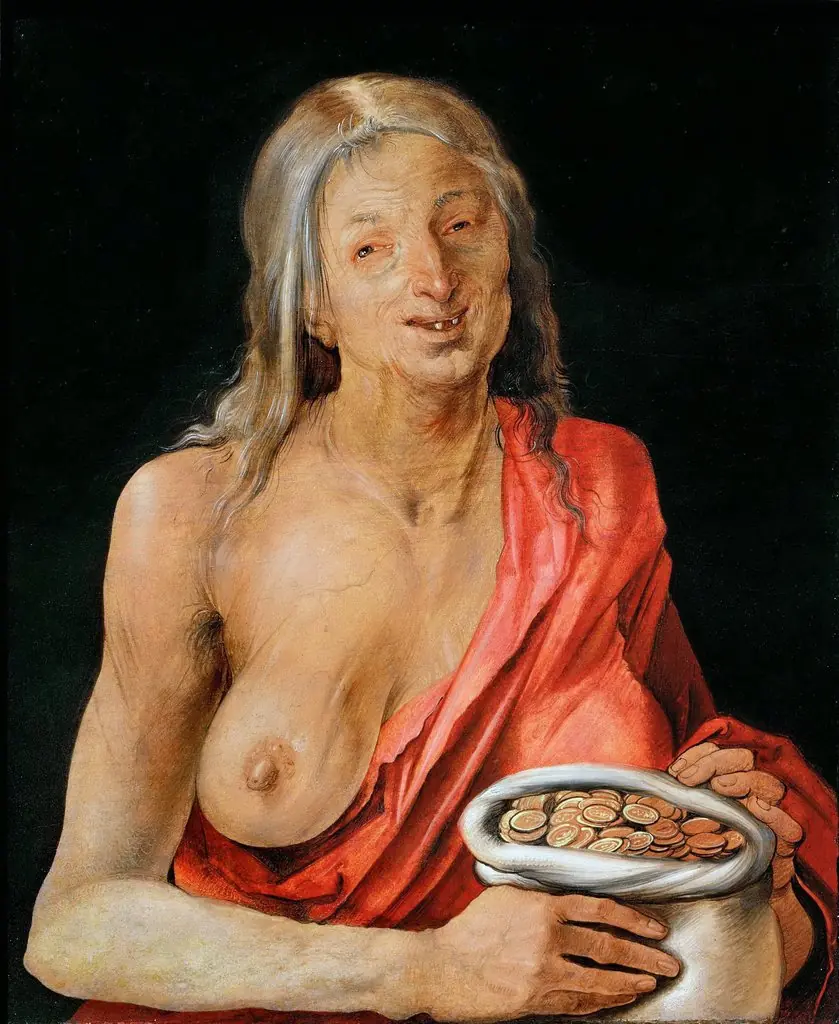
![Lot and His Daughters [reverse], by Albrecht Dürer](https://artifactworldgallery.com/img/albrecht-durer--lot-and-his-daughters-reverse--b4ebf9b282faa17a-w320.webp)