Artwork
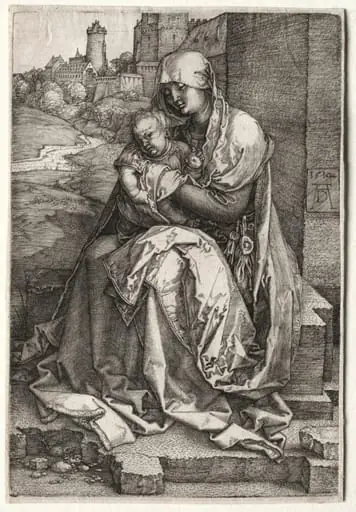
The Virgin and Child Seated by the Wall
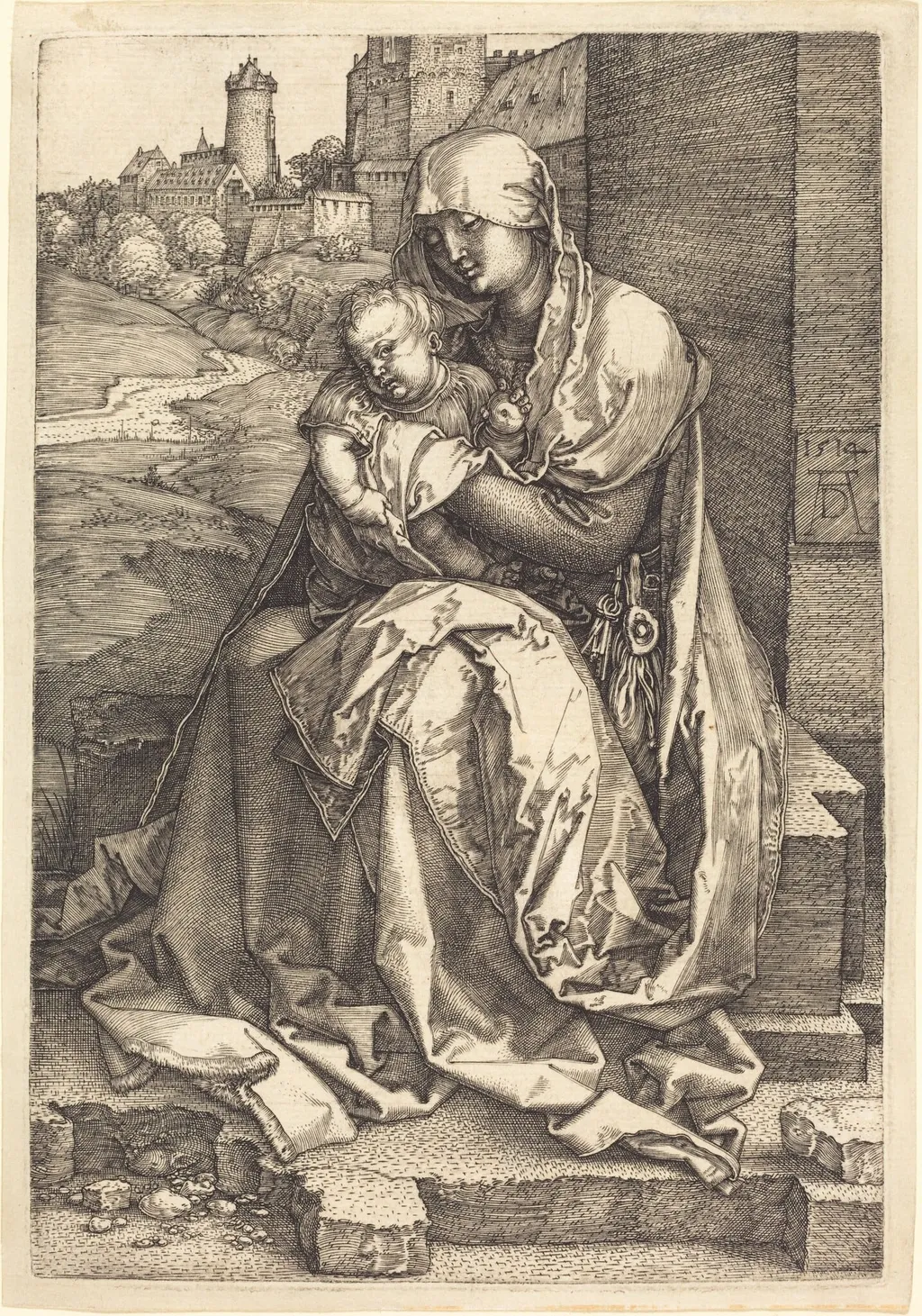
The Virgin and Child Seated by the Wall is an ink print by the Northern Renaissance artist Albrecht Dürer. It dates from 1514 and is held in the collection of the Metropolitan Museum of Art.
About this work
Overview
Albrecht Dürer’s 1514 engraving presents a modest interior scene in which the Virgin Mary and the infant Christ sit together against a plain wall. The composition is restrained, directing attention to the figures without ornamental distraction, and exemplifies Dürer’s interest in clear, devotional imagery.
Subject & Meaning
The work portrays the biblical mother and child, a central motif in Christian art, emphasizing intimacy and tenderness. By placing the pair in a quiet, domestic setting, Dürer underscores the humanity of the holy figures, inviting contemplation of their relational bond rather than grandiose narrative.
Technique & Style
Executed on laid paper, the image was created by incising lines into a copper plate, a process that allows for fine detail and subtle tonal variation. Dürer’s precise line work renders the textures of fabric and skin, while the stark contrast between dark incisions and the paper’s light surface enhances the work’s contemplative mood.
History & Provenance
The engraving entered the National Gallery of Art’s collection in Washington, where it forms part of the museum’s extensive holdings of early modern prints. Its acquisition reflects the institution’s commitment to preserving Dürer’s contributions to printmaking and to presenting the breadth of his religious output to the public.
Artist & collection
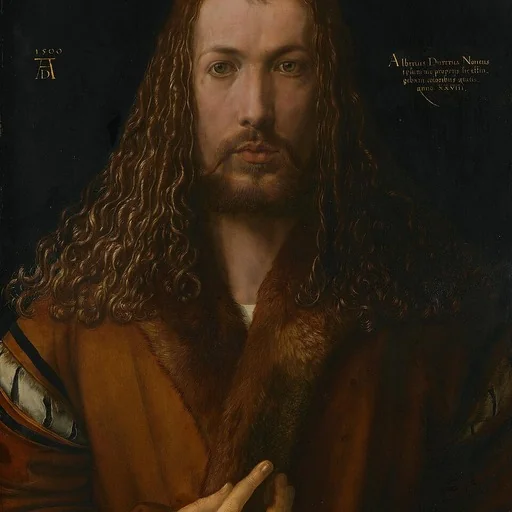
Artist
Albrecht Dürer spent his life in Nuremberg, a busy German city where artists traded prints like currency.

![Madonna and Child [obverse], by Albrecht Dürer](https://artifactworldgallery.com/img/albrecht-durer--madonna-and-child-obverse--d7b8ebf05d22ebe5-w320.webp)
![Lot and His Daughters [reverse], by Albrecht Dürer](https://artifactworldgallery.com/img/albrecht-durer--lot-and-his-daughters-reverse--b4ebf9b282faa17a-w320.webp)
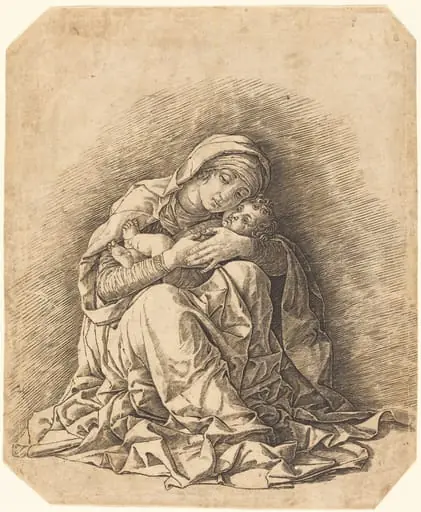 The Virgin and Child
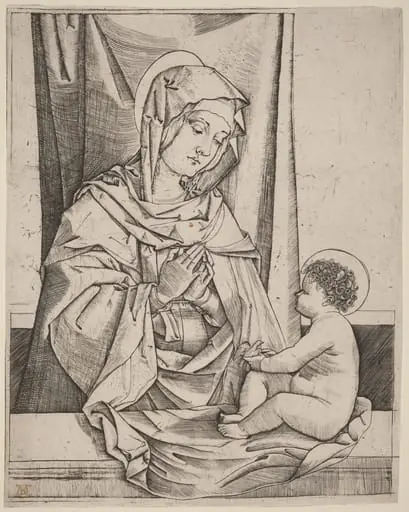 The Virgin and Child
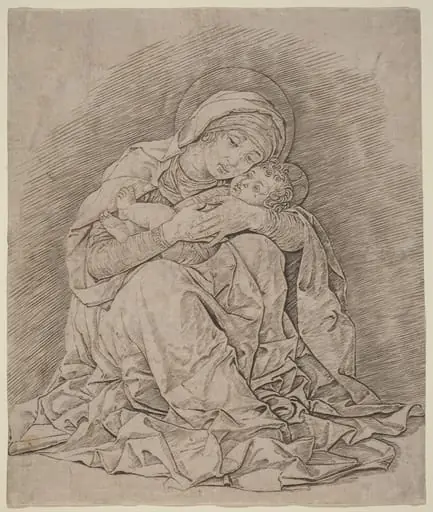 The Virgin and Child
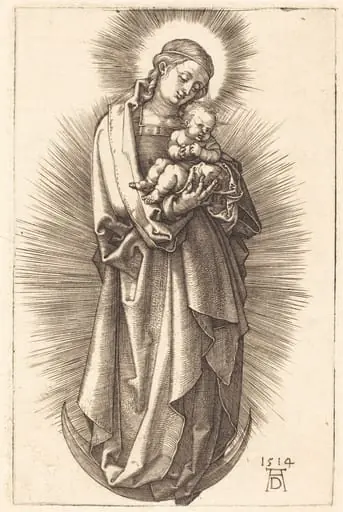 The Virgin and Child on a Crescent with a Diadem
 The Virgin and Child Seated by the Wall
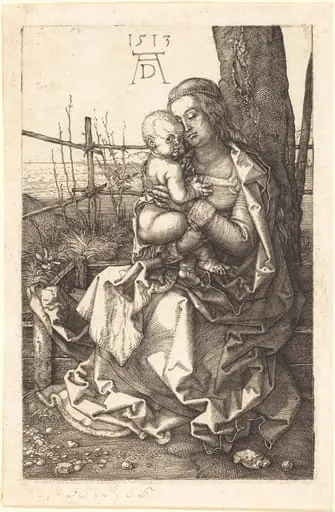 The Virgin and Child Seated by a Tree
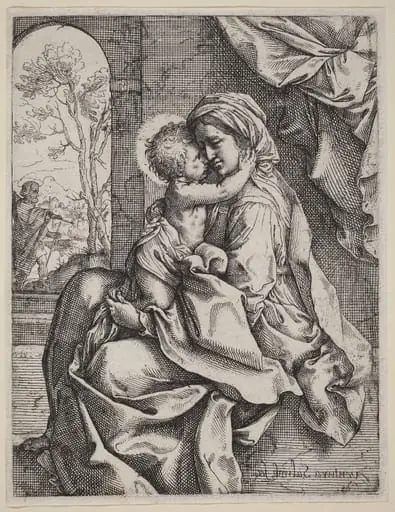 Virgin and Child
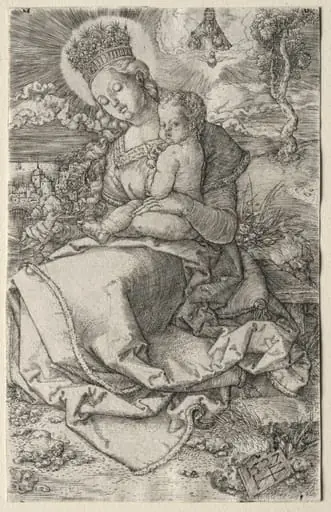 Virgin with a Crown of Stars
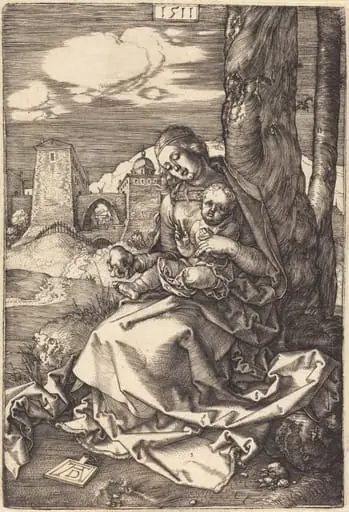 The Virgin and Child with the Pear
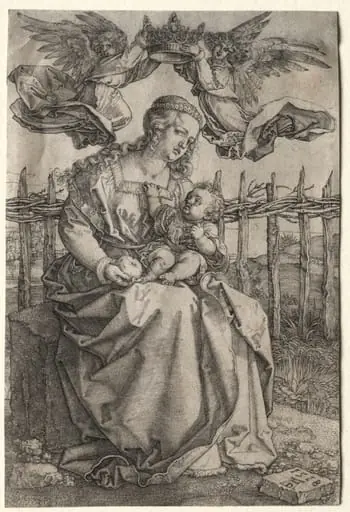 The Virgin Crowned by Two Angels
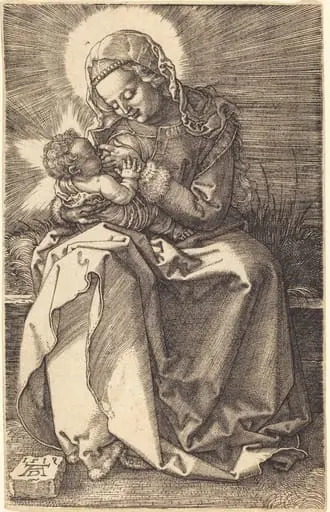 The Virgin Nursing the Child
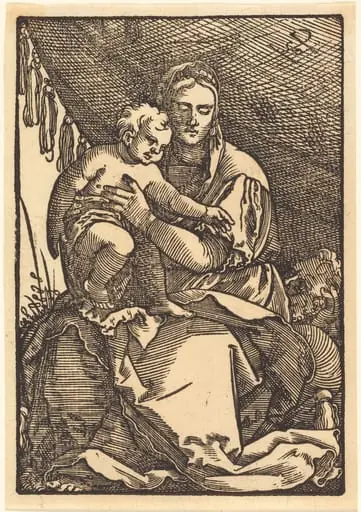 The Holy Family Under a Canopy