Artwork
Arthur Hildersham, Minister
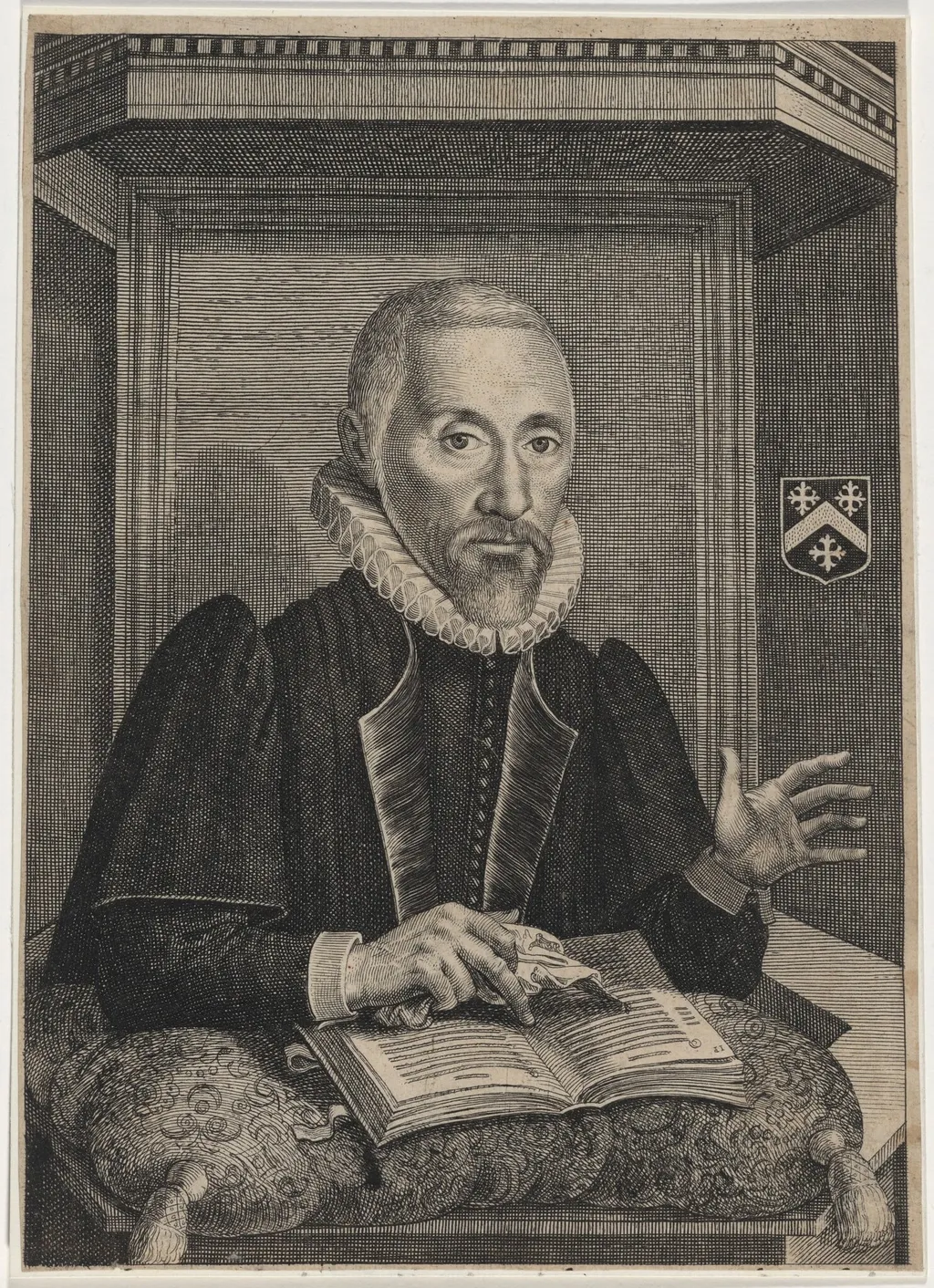
Arthur Hildersham, Minister is an ink print by the Baroque artist John Payne. It dates from 1627 and is held in the collection of the National Gallery of Art.
About this work
Overview
John Payne’s 1627 engraving portrays the Puritan minister Arthur Hildersham. Executed in black and white, the image presents Hildersham in a frontal stance, dressed in a dark robe and holding an open book, his right hand resting on the page as if addressing a text. The composition includes a modest wooden chair and a heraldic shield behind him, indicating a status beyond the ordinary.
Subject & Meaning
The portrait emphasizes Hildersham’s scholarly role, evident in the open volume and the gesture of his fingers pointing downward, suggesting instruction or exposition. The solemn expression and detailed rendering of his aged face convey the gravitas associated with a learned clergyman of early‑17th‑century England.
Technique & Style
Payne employs fine, controlled linework and cross‑hatching to model the folds of the robe, the ruffled collar, and the wrinkles of the face, creating a sense of depth within the monochrome medium. The precise delineation of the coat of arms demonstrates his skill in rendering intricate heraldic detail.
History & Provenance
Arthur Hildersham, a noted Puritan minister, was a prominent figure in religious circles during the reign of Charles I. Payne, one of the first English‑born engravers active in that period, produced the print as part of his early output, contributing to the nascent development of English printmaking.
Context
The engraving belongs to a formative phase of English print culture, when native artists like Payne began to rival Continental practitioners. Its subject—a clergyman—reflects the era’s interest in documenting religious leaders amid the growing tensions that would later culminate in the English Civil War.
Artist & collection
Artist
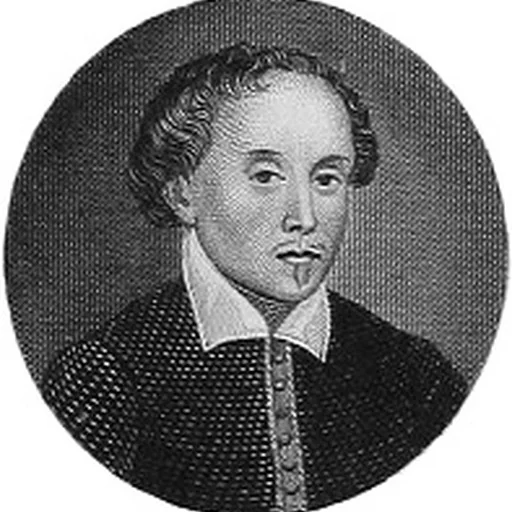
John Payne (1607–1647) was an English engraver, who was one of the earliest exponents of the art of engraving in England. His best work was the finest produced by a native-born engraver working during the reign of Charles I.

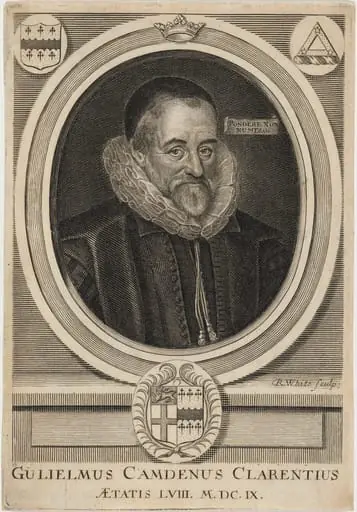 William Camden
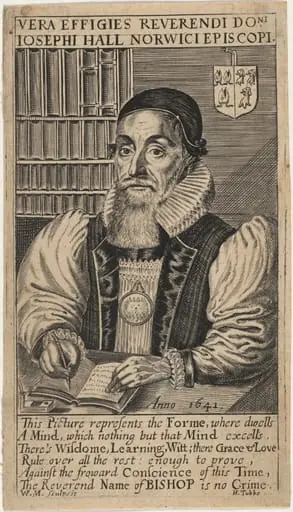 Joseph Hall, Bishop of Norwich
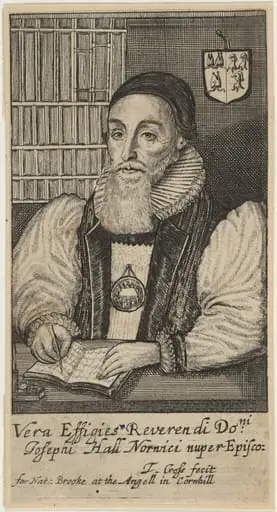 Reverendi Doni: Josephi Hall Norwici Nuper Episco. (Joseph Hall, Bishop of Norwich)
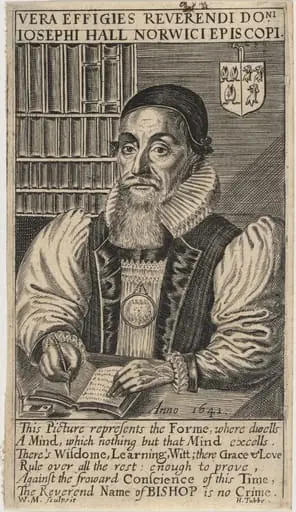 Joseph Hall, Bishop of Norwich
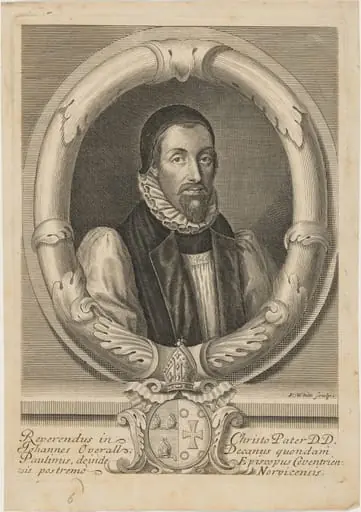 John Overall
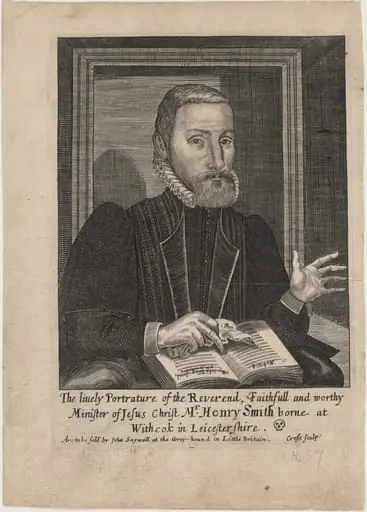 Mr. Henry Smith
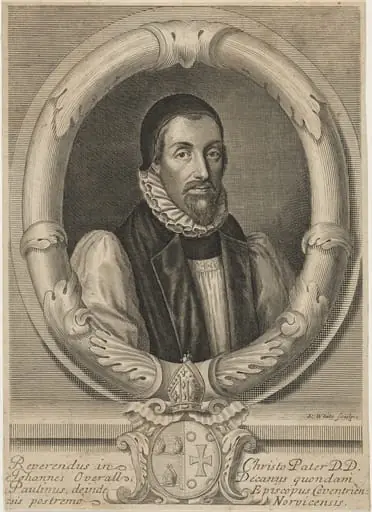 John Overall, D.D., Bishop of Norwich
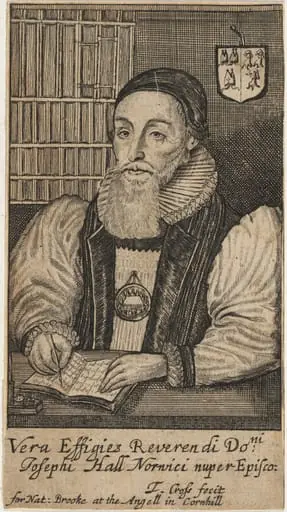 Reverendi Doni: Josephi Hall Norwici Nuper Episco. (Joseph Hall, Bishop of Norwich)
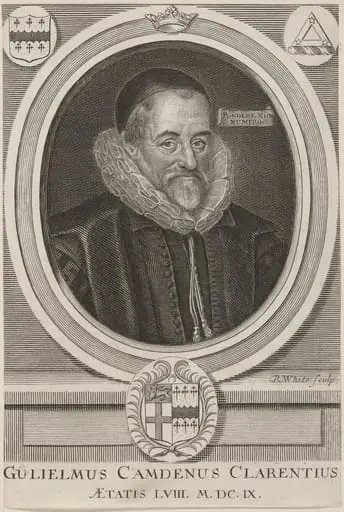 William Camden
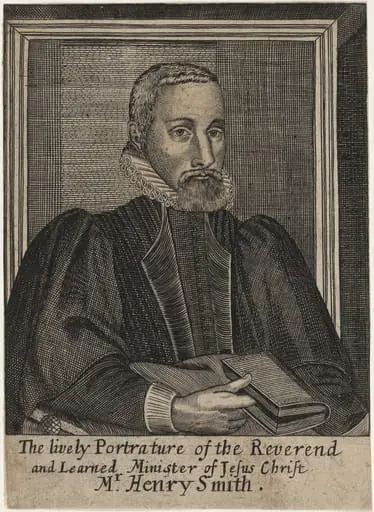 Mr. Henry Smith