Artwork
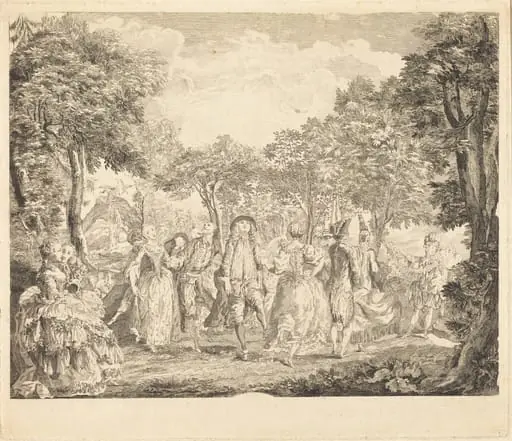
Country Dance
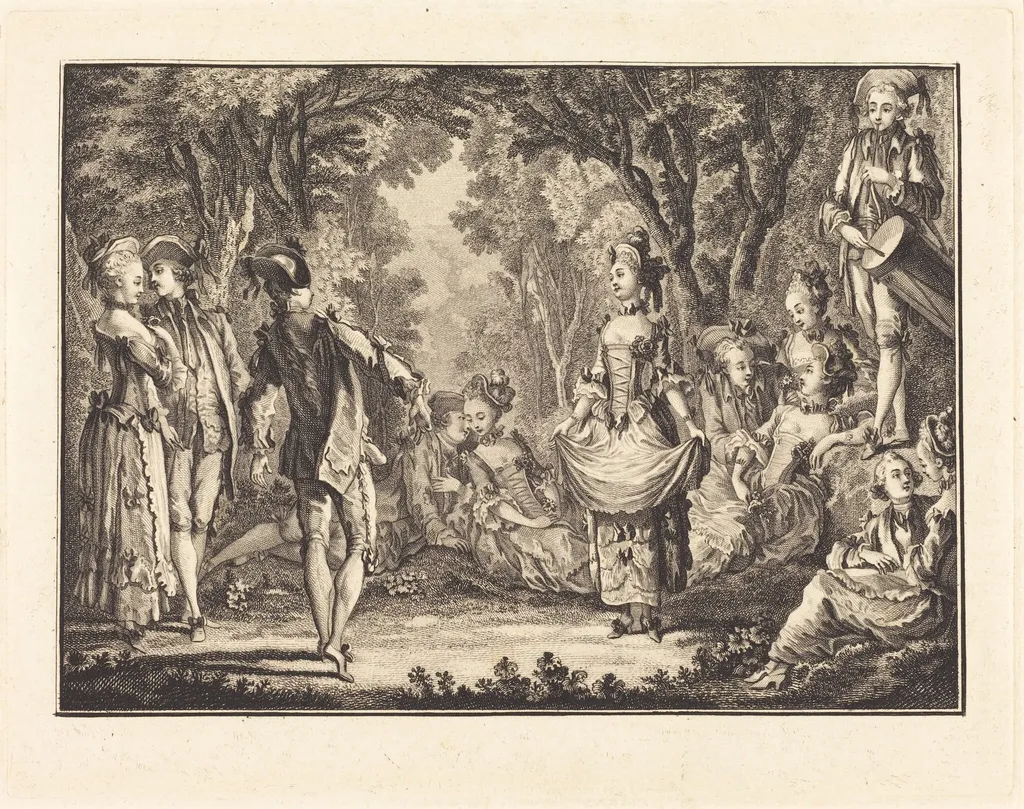
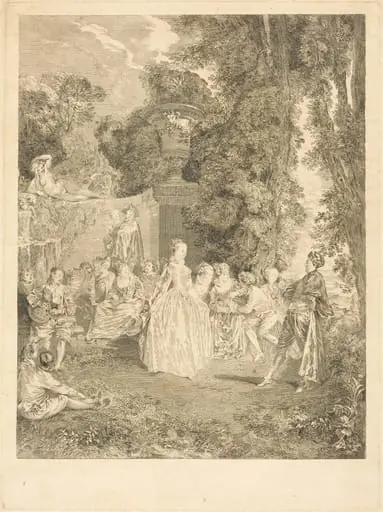
Country Dance is an ink print by the Baroque artist Joseph de Longueil. It dates from 1761 and is held in the collection of the National Gallery of Art.
About this work
Overview
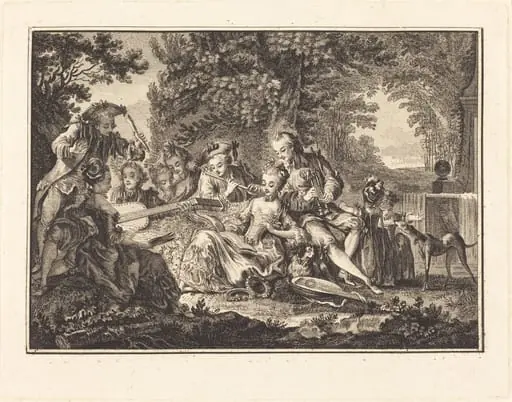
Rendered in monochrome, the composition depicts a group of elegantly dressed figures moving through a park setting, framed by trees and a low‑lying path.
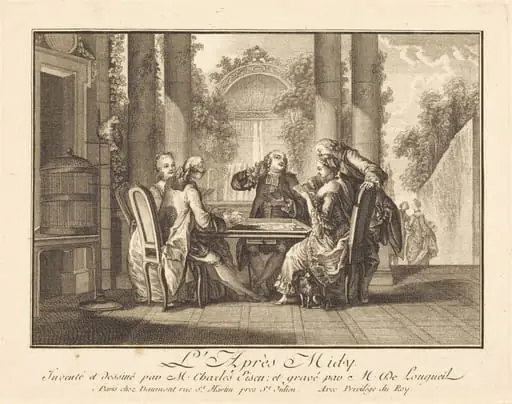
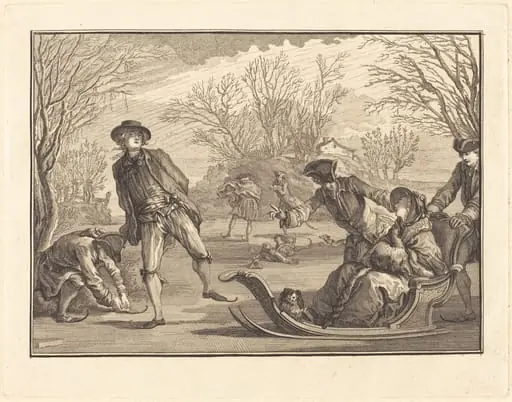
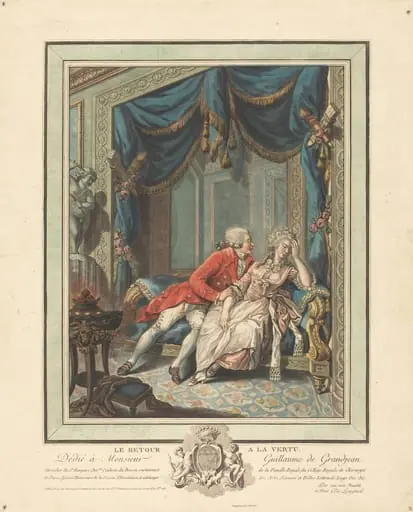
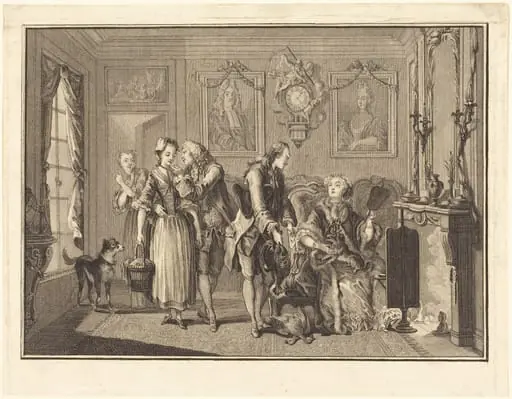
Joseph de Longueil’s print titled *Country Dance* dates from 1761 and presents a lively outdoor gathering. Rendered in monochrome, the composition depicts a group of elegantly dressed figures moving through a park setting, framed by trees and a low‑lying path. The scene captures a moment of social interaction, with dancers in various poses and onlookers, including children, observing the festivities.
Subject & Meaning
The work illustrates an eighteenth‑century country dance, a popular leisure activity among the aristocracy and gentry. By portraying participants in elaborate attire—ruffles, bows, and powdered wigs—the print reflects contemporary fashions and the social rituals of the time. The inclusion of children as spectators suggests a communal aspect, emphasizing the dance’s role as both entertainment and a display of genteel culture.
Technique & Style
De Longueil employed etching, a printmaking process in which a metal plate is coated with a resist, drawn upon with a needle, and then exposed to acid to create incised lines. The resulting fine lines and subtle gradations of tone convey texture in clothing and foliage, while the engraving elements add sharper definition to figures and architectural details, producing a balanced interplay of delicacy and precision.
History & Provenance
Created in the mid‑eighteenth century, *Country Dance* was likely intended for the burgeoning market of prints that circulated among collectors and connoisseurs of fashionable scenes. Though specific ownership records are scarce, the print appears in several catalogues of French prints from the period, indicating its distribution through print dealers and its inclusion in private collections of the era.
Context
The image belongs to a broader tradition of genre prints that documented everyday leisure activities in the Enlightenment era. Such works often served both decorative and didactic purposes, offering viewers a visual record of contemporary customs. De Longueil’s depiction aligns with the period’s fascination with pastoral settings and the idealization of rural festivities as reflections of refined taste.
Legacy
While not as widely reproduced as some later prints, *Country Dance* remains a valuable example of mid‑century French etching, illustrating the technical skill and social interests of its time. It continues to inform scholars of eighteenth‑century fashion, dance practices, and print culture, and it is occasionally featured in exhibitions exploring the intersection of art and social history.
Artist & collection