Artwork
Jean Calas' Farewell to his Family
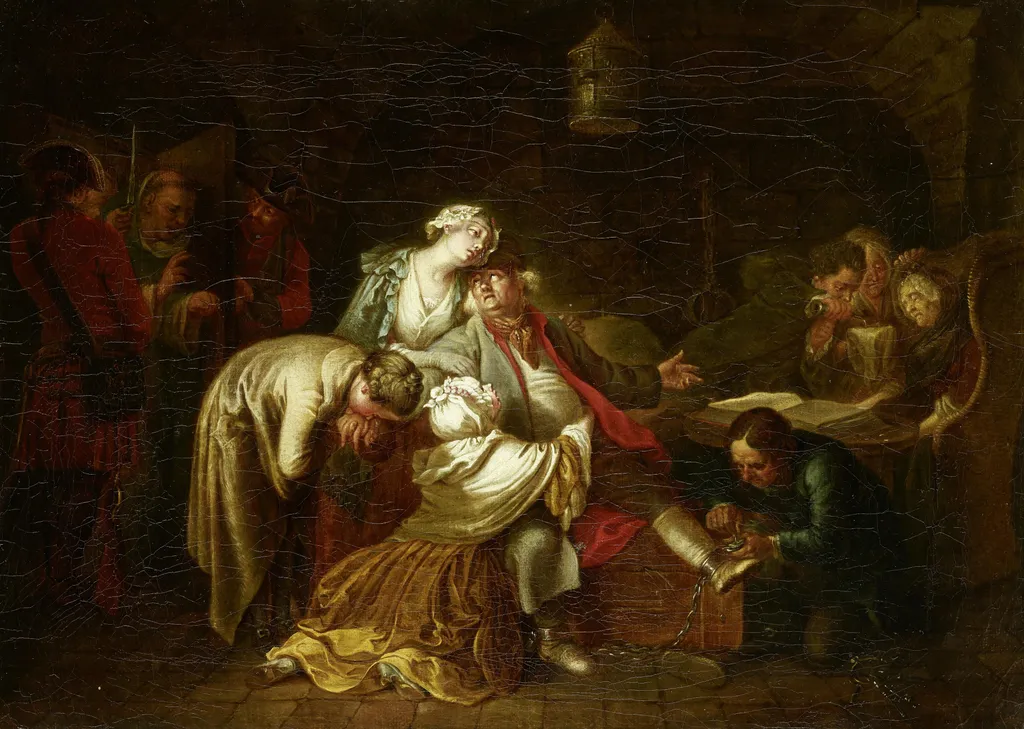
Jean Calas' Farewell to his Family is an oil painting by the Rococo painting artist Daniel Nikolaus Chodowiecki. It dates from 1765 and is held in the collection of the Gemäldegalerie Berlin.
About this work
Overview
The scene portrays Jean Calas, a Protestant merchant condemned unjustly in France, bidding his family farewell before execution.
Painted in 1765 by Daniel Nikolaus Chodowiecki, this oil work captures a moment of private grief amid public injustice. Though best known for his etchings, Chodowiecki turned to painting to engage with contemporary moral crises. The scene portrays Jean Calas, a Protestant merchant condemned unjustly in France, bidding his family farewell before execution. The painting resides in the Gemäldegalerie Berlin, reflecting the artist’s commitment to social themes through visual narrative.
Subject & Meaning
The painting illustrates Jean Calas’s final moments with his family before his execution in Toulouse, a consequence of false accusations of murdering his son to prevent conversion to Catholicism. The central figure’s calm demeanor contrasts with the anguish of his wife and children, emphasizing the personal toll of religious persecution. Figures in the background, likely authorities, underscore the intrusion of state power into domestic life, transforming a private farewell into a political statement.
Technique & Style
Chodowiecki employs oil paint with restrained brushwork and subtle chiaroscuro to heighten emotional tension. Light falls selectively on the central group, isolating their expressions of sorrow against a dimmer, ambiguous background. The composition avoids theatricality, favoring quiet intimacy. Figures are arranged in a tight cluster, reinforcing emotional closeness, while muted tones and soft transitions align with Rococo sensibilities, even as the subject resists the movement’s typical frivolity.
History & Provenance
Created shortly after Calas’s posthumous exoneration in 1765, the painting emerged amid widespread European outcry over the case, championed by Voltaire. Chodowiecki, a Huguenot descendant, was personally attuned to religious persecution. The work entered the Berlin collection in the late 18th century, likely through royal or academic channels. Its preservation reflects Berlin’s interest in Enlightenment-era moral narratives and the role of art in public conscience.
Context
The painting responds to one of the most notorious judicial errors of 18th-century France, where anti-Protestant sentiment led to Calas’s wrongful conviction. Public debate, fueled by Enlightenment thinkers, questioned religious intolerance and legal procedure. Chodowiecki’s image contributed to a visual culture of reform, aligning with prints and pamphlets that circulated across Europe. It stands as a quiet but deliberate intervention in a broader campaign for justice.
Legacy
Though less known than his prints, this painting remains a significant example of how visual art engaged with Enlightenment ideals. It documents the intersection of personal tragedy and political injustice, offering a human face to abstract debates about tolerance and due process. Its continued presence in the Gemäldegalerie Berlin underscores its role as a historical witness, preserving the emotional weight of a case that reshaped legal thought in Europe.
Own this work as a print
Artist & collection
Artist
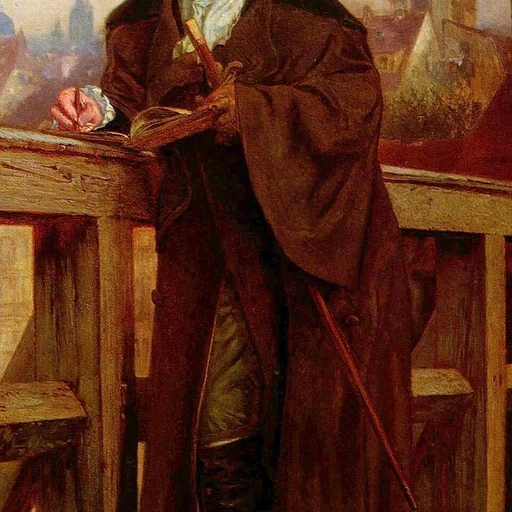
Daniel Niklaus Chodowiecki (16 October 1726 – 7 February 1801) was a German painter and printmaker of Huguenot and Polish ancestry, who is most famous as an etcher.

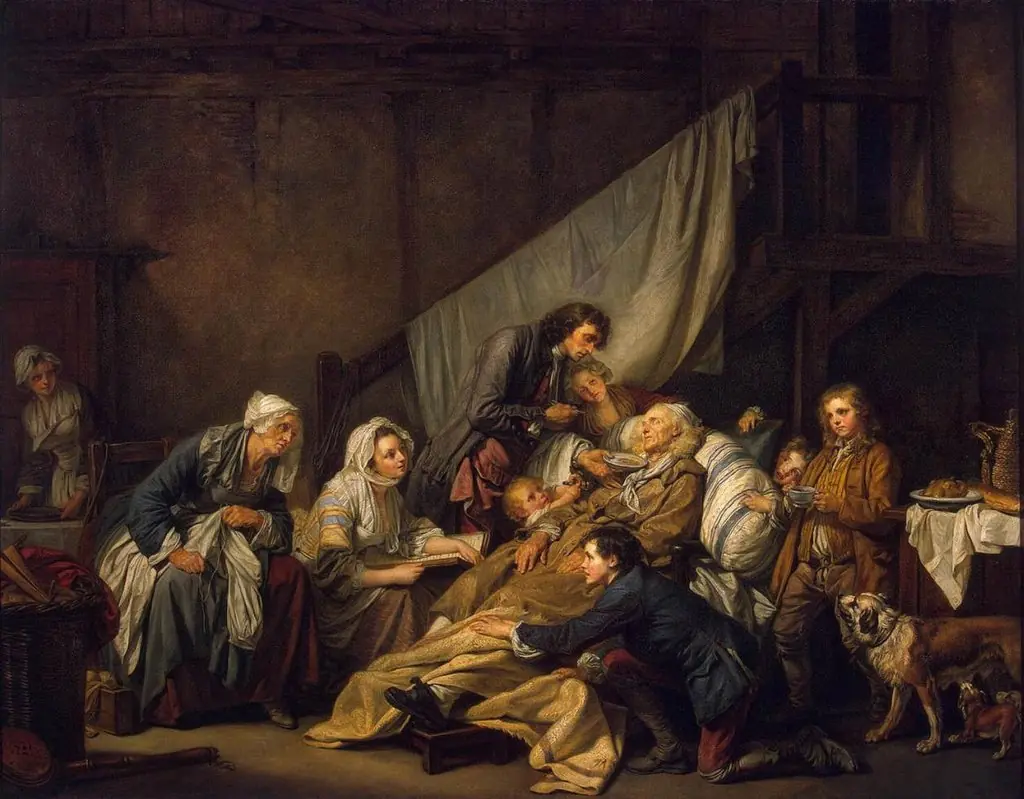 Filial Piety (The Paralytic)
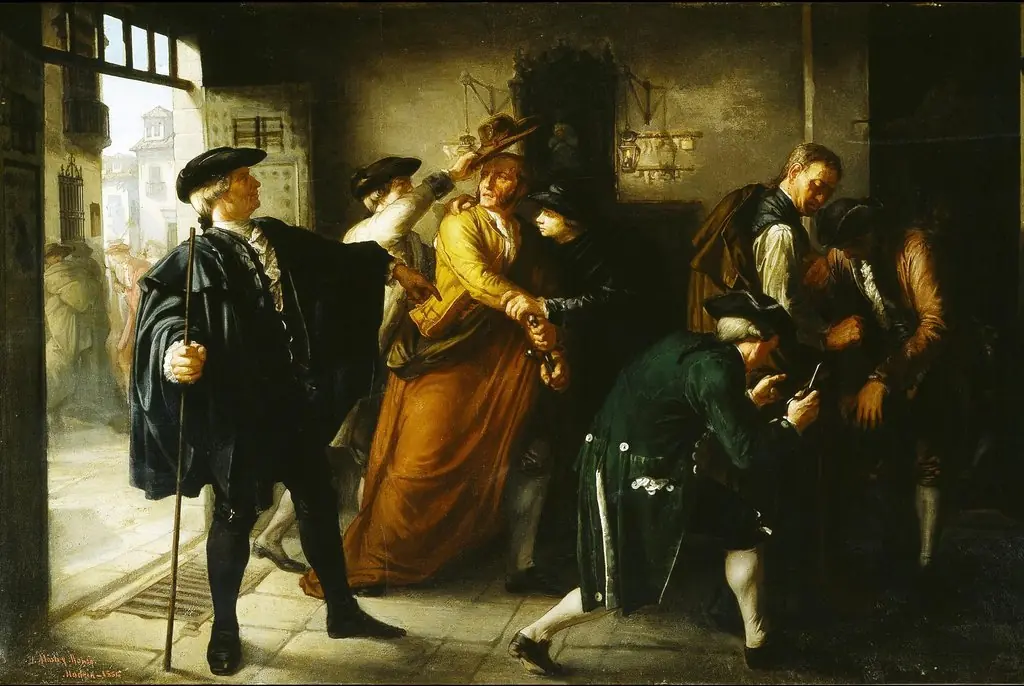 El Motín de Esquilache. Episodio...
 Spain 1812, French Occupation
 The Death of Leonardo da Vinci in the Arms of François I
 Prince William I after the failed Assassination Attempt by Jean Jaurequi in 1582, Nursed by Charlotte de Bourbon
 The Death of Seneca
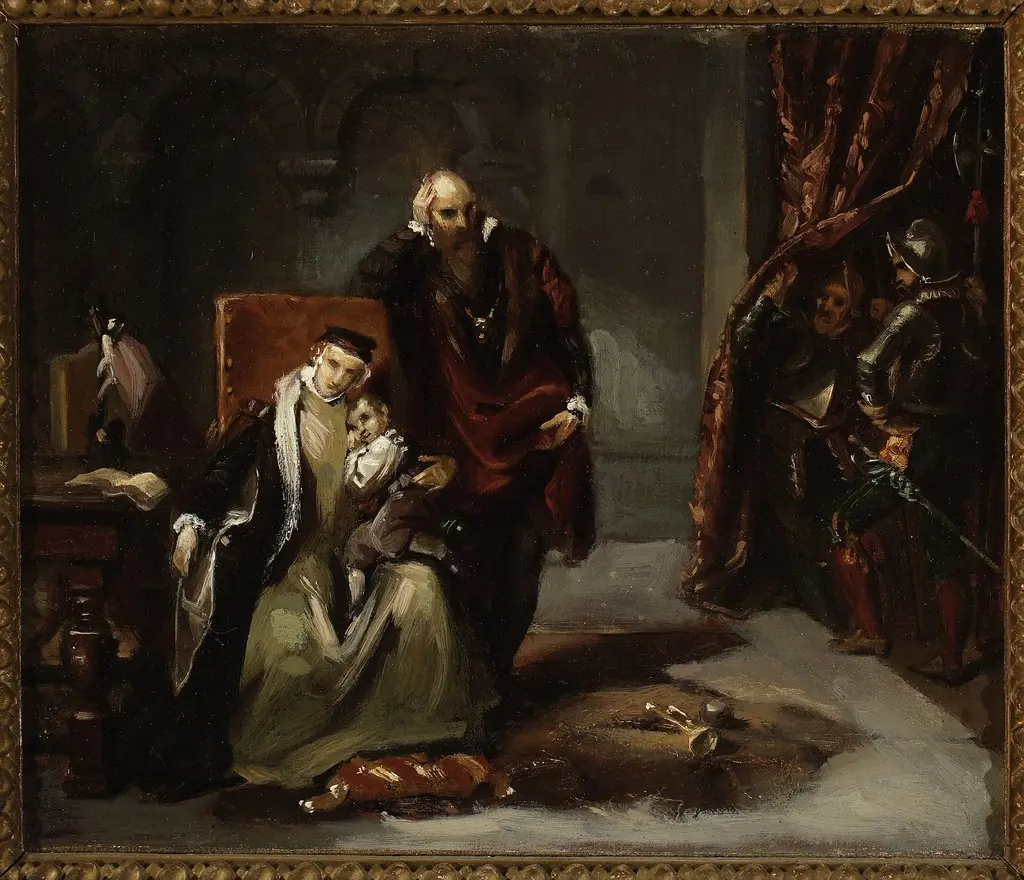 Catherine Jagiellon with her son Sigismund imprisoned in the Gripshom Castle (sketch)
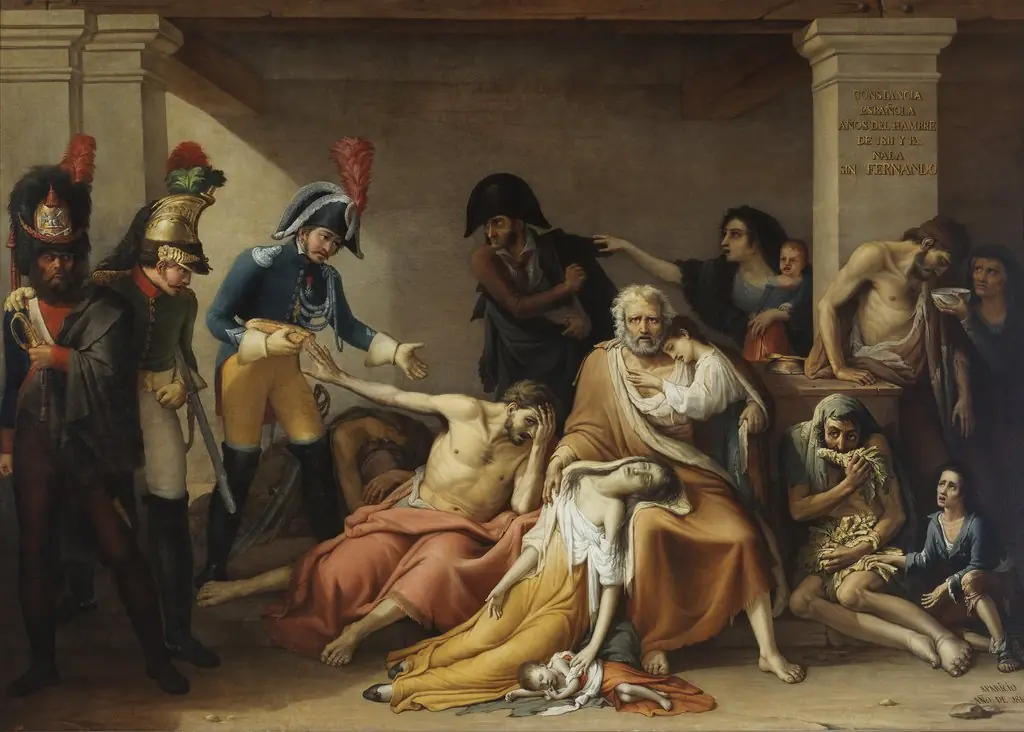 El año del hambre de Madrid
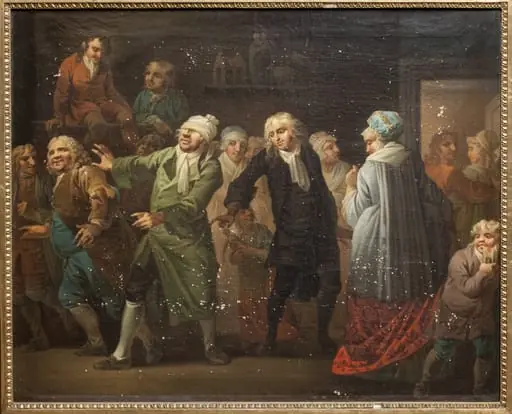 Julestuen, 13. scene