Artwork
The Scalp-Dance of the Sioux
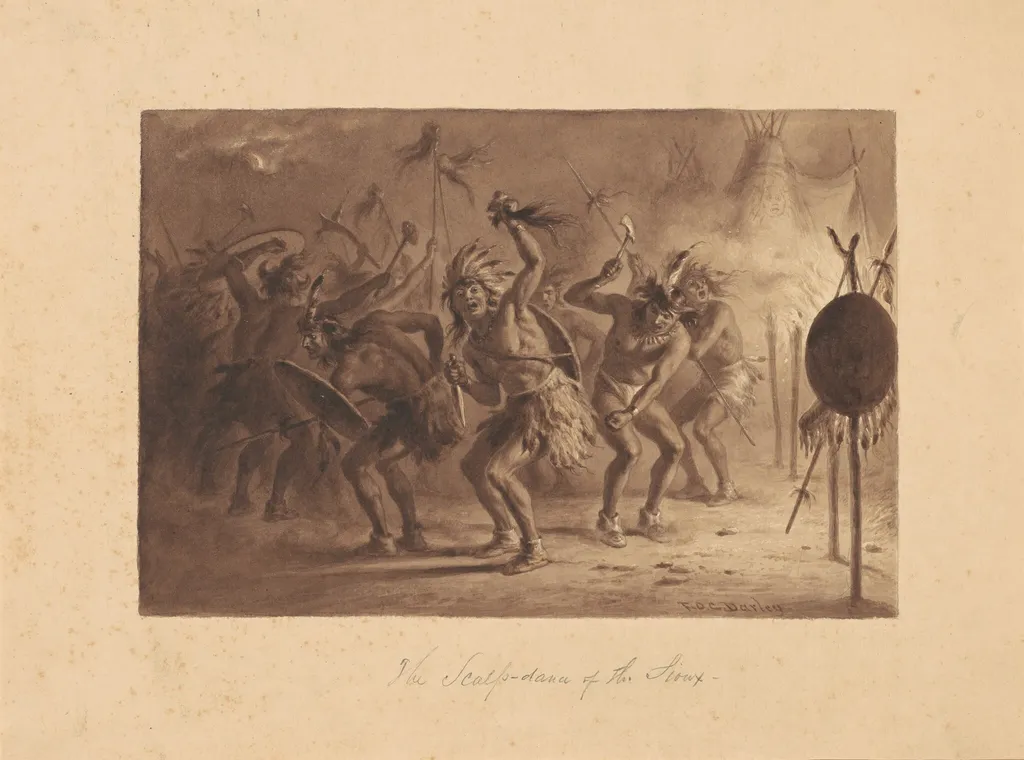
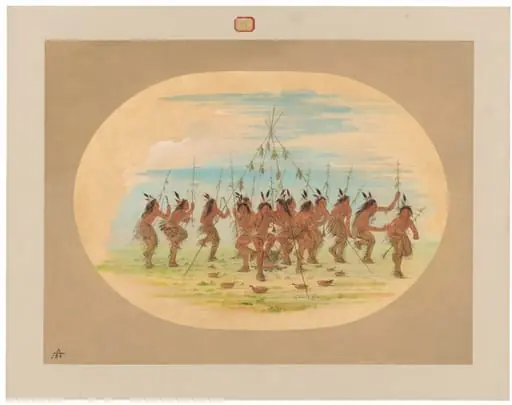
The Scalp-Dance of the Sioux is a graphite drawing by the Romanticist artist Felix Octavius Carr Darley. It dates from 1842 and is held in the collection of the National Gallery of Art.
About this work
Overview
The Scalp-Dance of the Sioux is a drawing by Felix Octavius Carr Darley, dating to approximately 1842. Executed in brown ink wash and graphite, with added scratched highlights, the work is rendered on wove paper.
Subject & Meaning
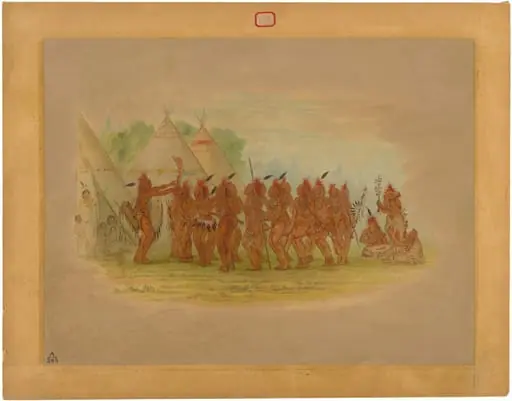
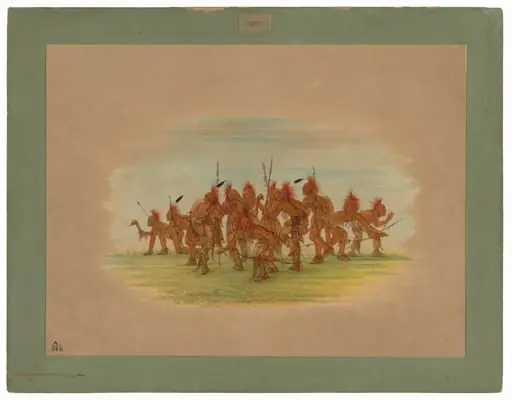
The subject depicts a scalp dance, a ceremonial practice associated with Native American Sioux culture, specifically the ritualistic celebration following a successful battle. The dance symbolized victory, honor, and the spiritual significance of the scalp as a trophy.
Technique & Style
Darley employed a combination of brown ink wash for tonal depth and graphite for detailed line work. Scratched highlights, achieved by removing ink or graphite to expose the paper, add subtle luminosity to the composition, characteristic of 19th-century illustrative techniques.
History & Provenance
Created around 1842, the drawing's early history and ownership trail are not detailed in available information. It is attributed to Felix Octavius Carr Darley, an artist known for his historical and genre subjects.
Context
The Scalp-Dance of the Sioux reflects the 19th-century American fascination with Native American cultures, often depicted through a mix of ethnographic interest and romanticization. The work may have been intended for illustration or as a study for a larger project.
Legacy
While specific impact or exhibition history of The Scalp-Dance of the Sioux is not readily available, it contributes to the broader body of 19th-century American art documenting Native American life, albeit with the biases and perspectives of its time.
Artist & collection

Artist
Felix Octavius Carr Darley (June 23, 1822 – March 27, 1888), often credited as F.

![Chef Tossing Pancakes and Group of Four Men [verso], by Felix Octavius Carr Darley](https://artifactworldgallery.com/img/felix-octavius-carr-darley--chef-tossing-pancakes-and-group-of-four-men-verso--2a1e79eefaebb888-w320.webp)
![Bernini Fountain, Rome [recto], by Felix Octavius Carr Darley](https://artifactworldgallery.com/img/felix-octavius-carr-darley--bernini-fountain-rome-recto--bed0d506722bdbdf-w320.webp)