Artwork
ça n'est rien Éléonore...ca n'est rien...
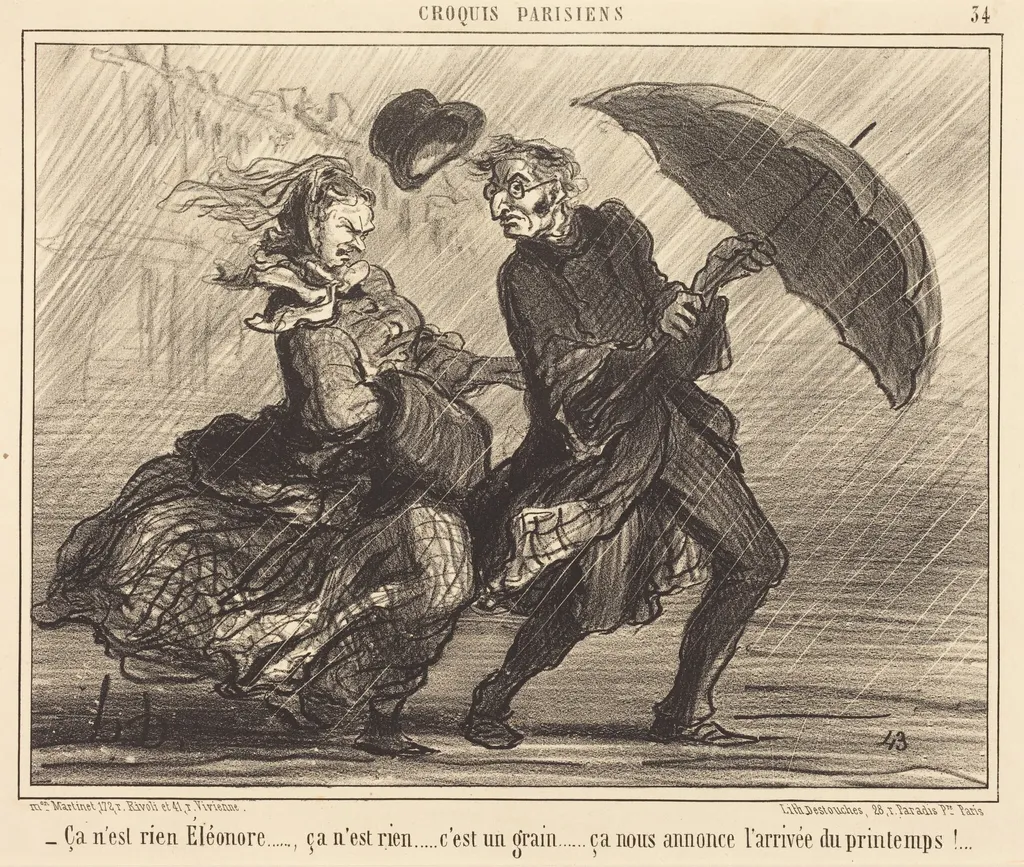
ça n'est rien Éléonore...ca n'est rien... is an ink print by the Impressionist artist Honoré Daumier. It dates from 1857 and is held in the collection of the National Gallery of Art.
About this work
Overview
The image’s spontaneity and informal composition reflect his reliance on rapid sketching as a tool for commentary, rather than polished finish.
Created in 1857, this lithograph by Honoré Daumier captures a fleeting moment of domestic absurdity amid inclement weather. Executed on wove paper, it belongs to a broader body of work produced for French satirical journals, where Daumier translated social observations into visual wit. The image’s spontaneity and informal composition reflect his reliance on rapid sketching as a tool for commentary, rather than polished finish.
Subject & Meaning
The scene depicts a man and woman caught in a storm, the woman clinging to a horse while the man strides off with a broken umbrella. His muttered reassurance—'It’s nothing, Éléonore'—mocks the trivialization of crisis in everyday life. Daumier uses this intimate exchange to satirize bourgeois pretense, highlighting how minor inconveniences are inflated into dramatic events, revealing deeper tensions in personal and social conduct.
Technique & Style
Daumier employed lithographic crayon to render loose, energetic lines that mimic the urgency of a sketch. The wind and rain are suggested through smudged washes and fragmented strokes, dissolving boundaries between figures and environment. The lack of detail in facial features and clothing emphasizes gesture over realism, reinforcing the work’s immediacy and emotional resonance through economy of form.
History & Provenance
The print was produced during Daumier’s most active period for periodicals like *Le Charivari*, where his illustrations regularly appeared without attribution. Though not individually signed, its style and date align with his known output from the mid-1850s. It likely circulated as a single-sheet illustration, intended for private or public consumption through the journal’s readership rather than as a collectible artwork.
Context
In 1857, France was under the Second Empire, with Louis-Napoléon Bonaparte consolidating power and suppressing dissent. Daumier’s work, though often veiled in domestic scenes, subtly critiqued authoritarianism and social hypocrisy. This image, set in a mundane moment, mirrors the broader climate of enforced calm masking underlying unrest, using humor to bypass censorship while still challenging norms.
Legacy
Daumier’s approach to lithography influenced later generations of illustrators and cartoonists by demonstrating how rapid, expressive line work could convey complex social critique. His ability to transform ordinary moments into layered commentary established a precedent for narrative realism in print media, bridging 19th-century satire with modern graphic storytelling traditions.
Artist & collection
Artist
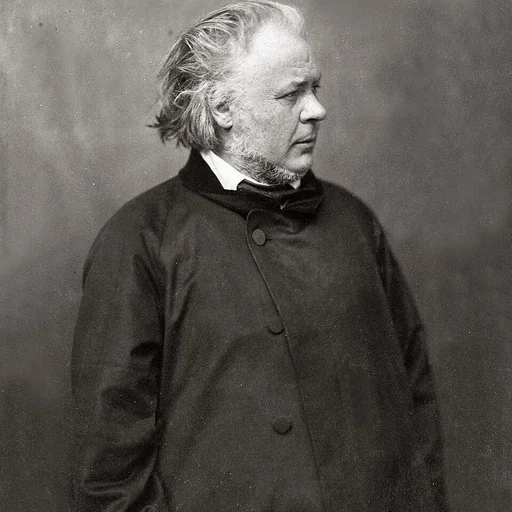
Honoré-Victorin Daumier was a French painter, sculptor, and printmaker, whose many works offer commentary on the social and political life in France, from the Revolution of 1830 to the fall of the Second French Empire in 1870.








 It's nothing Eleanor...
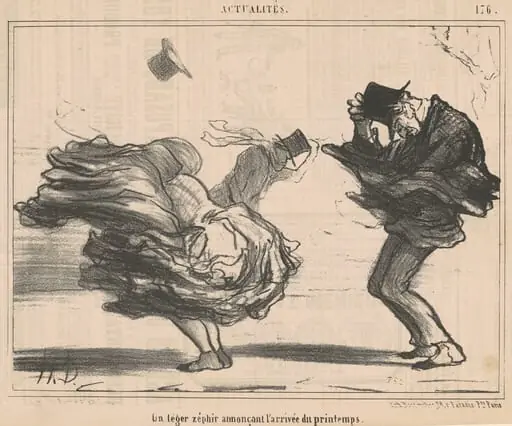 Un léger zéphir annoncant l'arrivée du printemps
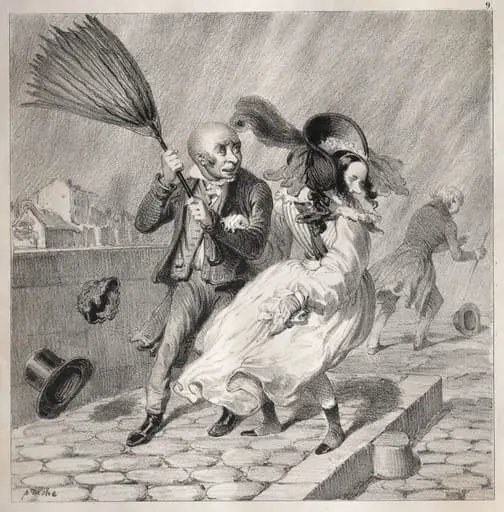 Bambochades: Vois-tu que mon baromêtre est au beau!...c'est un riche temps pour les biens de la terre!!!
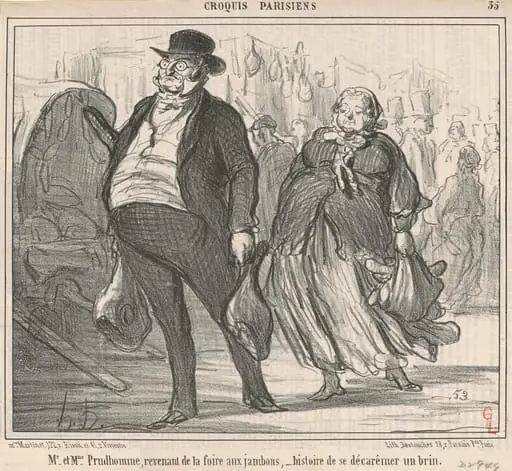 Mr et Mme Prudohomme revenant de la foire ...
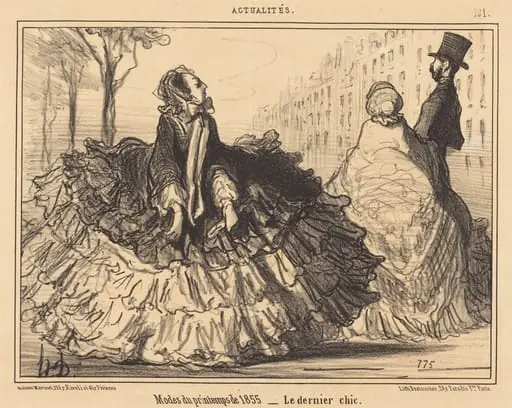 Modes du printemps de 1855
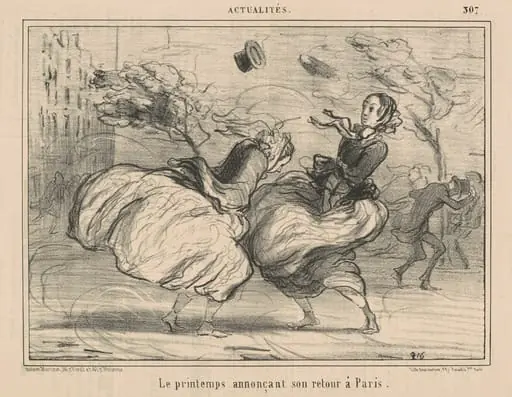 Le printemps annonçant son retour à Paris
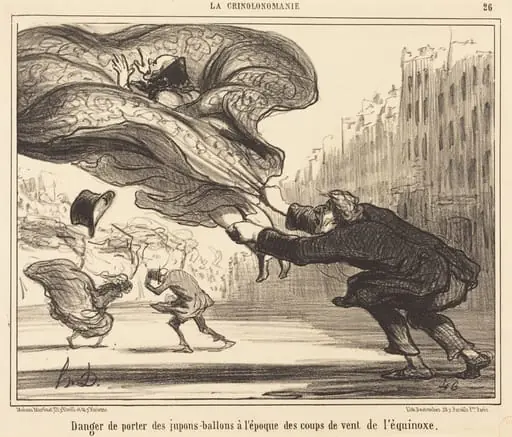 Danger de porter des jupons-ballons...
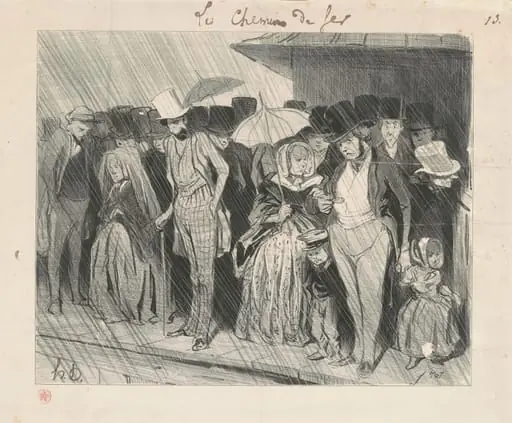 Une station infiniment trop prolongée
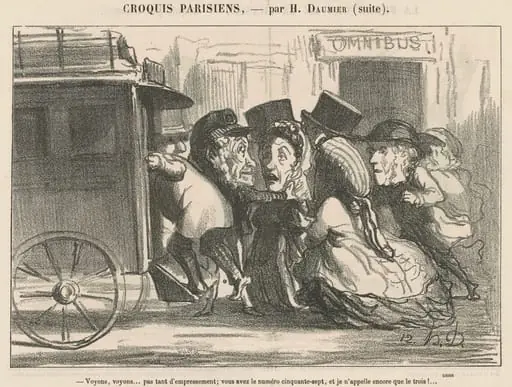 Voyons, voyons ... pas tant d'empressement ...
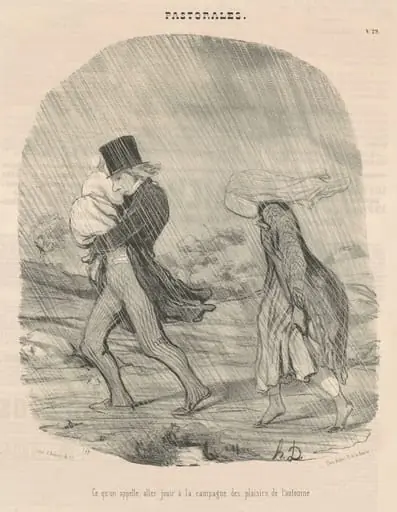 Ce qu'on appelle, aller jouir a la campagne ...
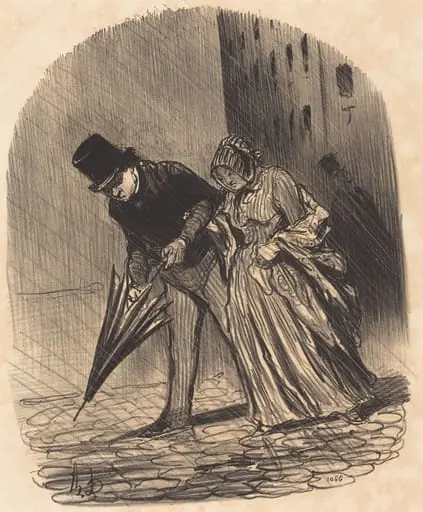 Inconvénient d'un parapluie a ressorts trop compliqués
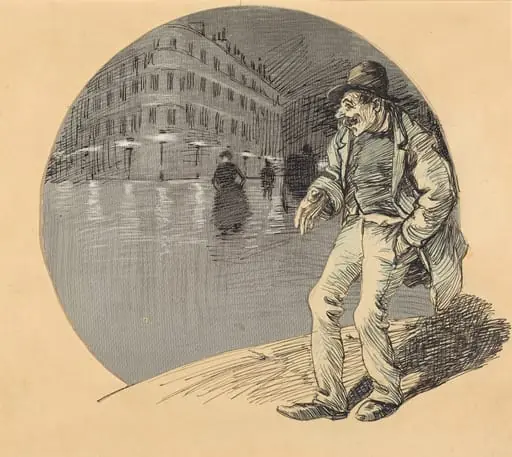 In Love (Amoureux)