Artwork
B'en parlez pas j'suis enrubé du cerbeaux...
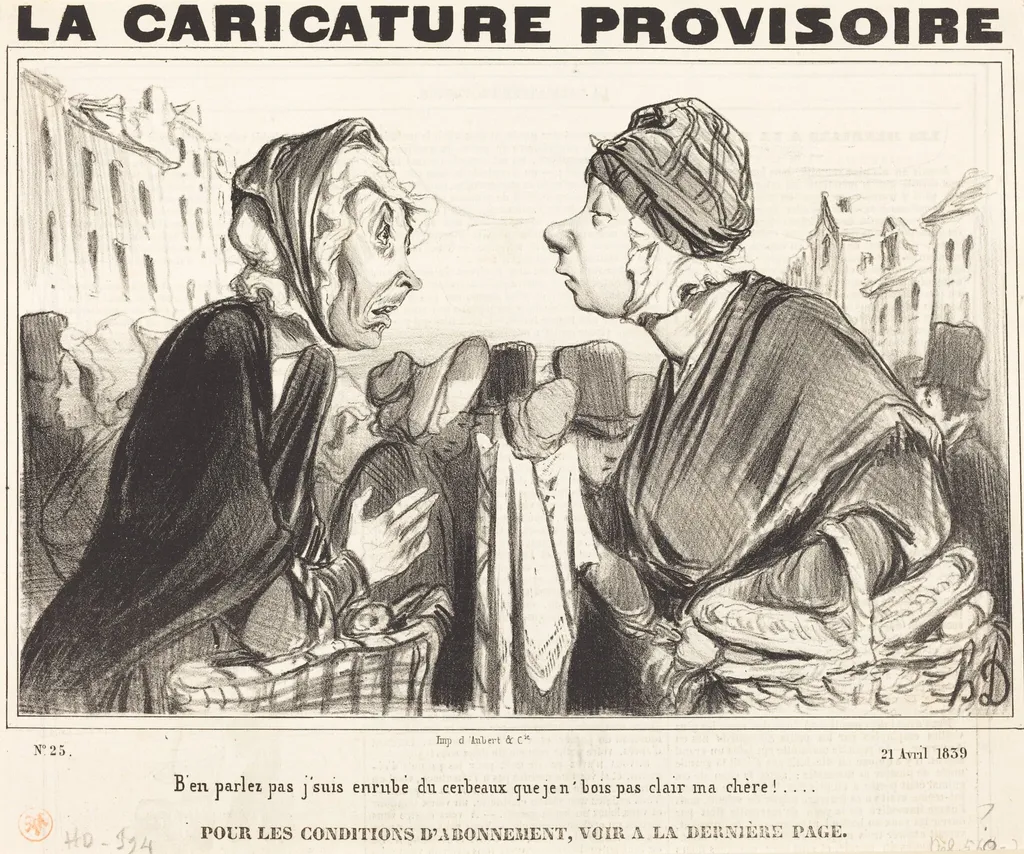
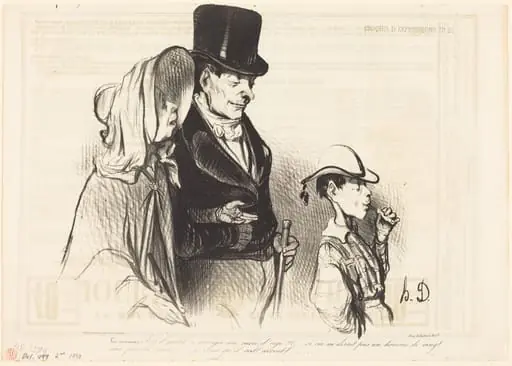
B'en parlez pas j'suis enrubé du cerbeaux... is an ink print by the Romanticist artist Honoré Daumier. It dates from 1839 and is held in the collection of the National Gallery of Art. Created in 1839, this lithograph on newsprint bears the colloquial title *B'en parlez pas j'suis enrubé du cerbeaux.
About this work
Overview
Executed by Honoré Daumier, it exemplifies his practice of producing rapid, inexpensive prints for the popular press during the July Monarchy.
Created in 1839, this lithograph on newsprint bears the colloquial title *B'en parlez pas j'suis enrubé du cerbeaux...*. Executed by Honoré Daumier, it exemplifies his practice of producing rapid, inexpensive prints for the popular press during the July Monarchy. The image captures a brief, confrontational scene rendered in bold line work, characteristic of his satirical output for periodicals such as *La Caricature* and *Le Charivari*.
Subject & Meaning
The composition depicts two figures locked in a strained exchange: one crouches, gripping a cane, while the other leans forward, gesturing emphatically. Their exaggerated facial features—oversized noses, keen eyes—serve to ridicule the individuals, suggesting a critique of pretentious behavior among the bourgeois or clerical classes. The informal title, drawn from everyday speech, reinforces Daumier’s intent to mock social pretensions through vernacular humor.
Technique & Style
Daumier employed lithography, a process that allowed swift reproduction on low‑cost newsprint. The drawing’s loose, sketch‑like quality, with minimal shading and suggestive background forms, indicates a rapid execution suited to newspaper circulation. Bold contours and caricatured anatomy amplify the satirical tone, while the faint, indistinct shapes behind the protagonists hint at a bustling interior without detracting from the central action.
History & Provenance
Originally published in a mid‑19th‑century French periodical, the print circulated among a readership attuned to political satire. As a republican sympathizer, Daumier used such works to challenge the authority of the July Monarchy, targeting both political elites and the clergy. Over time, examples of the print entered private collections and later museum holdings, documenting the artist’s prolific output for the popular press.
Context
The lithograph emerges from a turbulent era when France oscillated between monarchy and republican ideals. Daumier’s caricatures responded to the shifting power structures, employing humor to expose hypocrisy within the ruling class. By distributing his work through affordable newspapers, he reached a broad audience, contributing to the public discourse that questioned the legitimacy of the July Monarchy’s aristocratic and clerical institutions.
Artist & collection
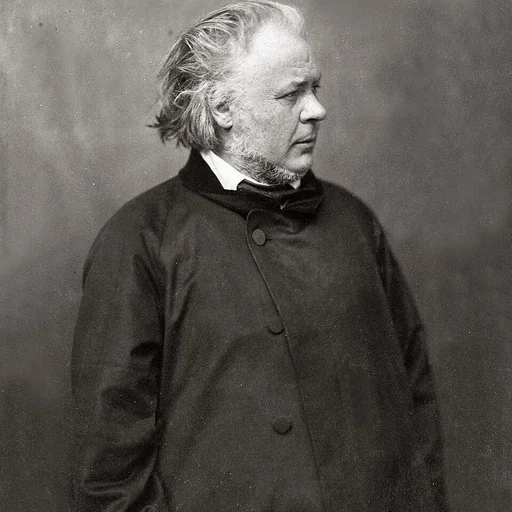
Artist
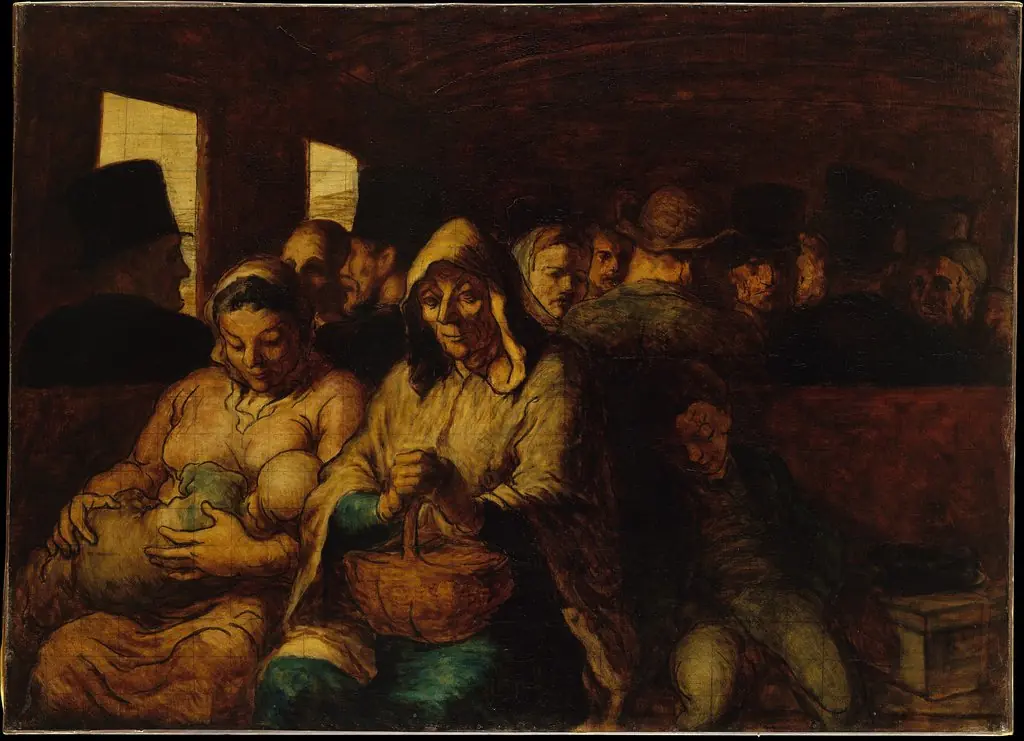
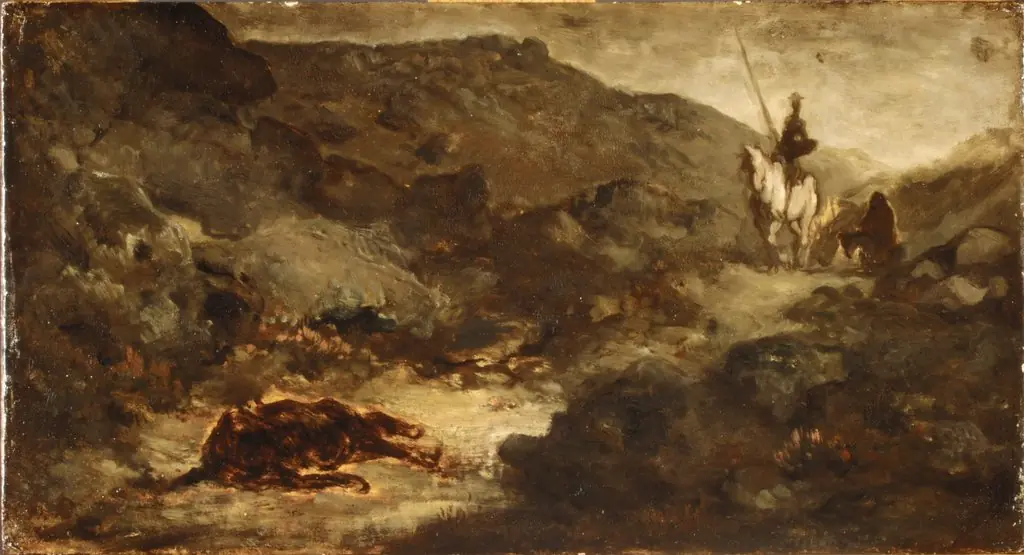
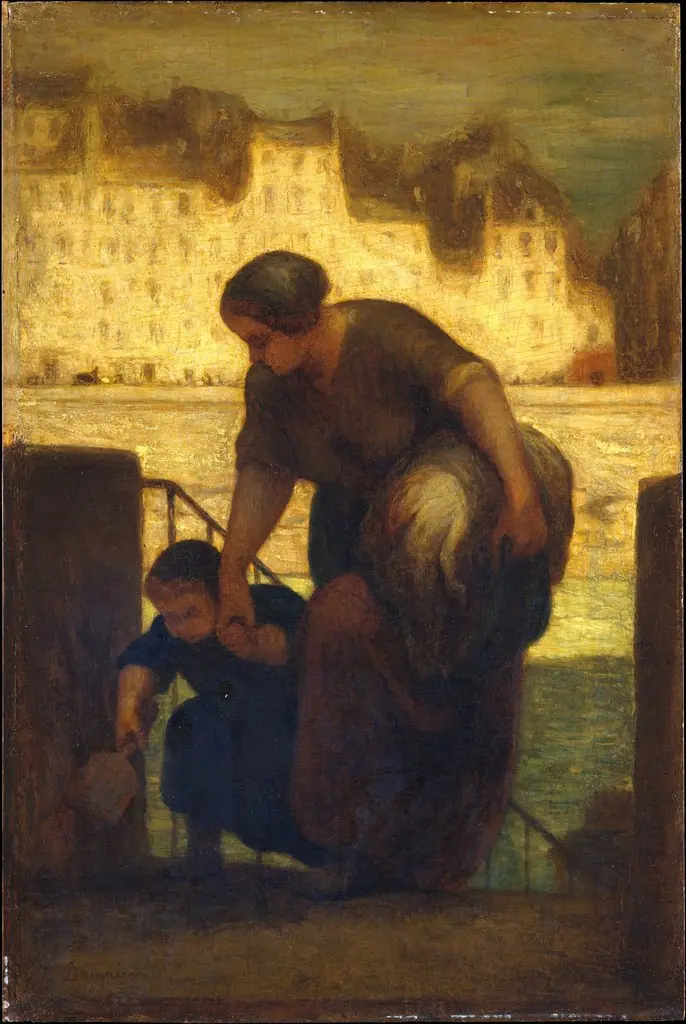
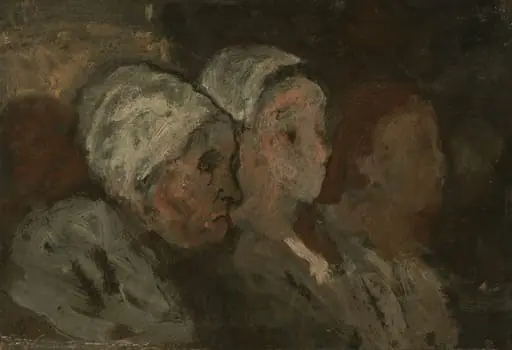
Honoré-Victorin Daumier was a French painter, sculptor, and printmaker, whose many works offer commentary on the social and political life in France, from the Revolution of 1830 to the fall of the Second French Empire in 1870.