Artwork
Baissez le rideau, la farce est jouée (Lower the Curtain, the Farce is Over)
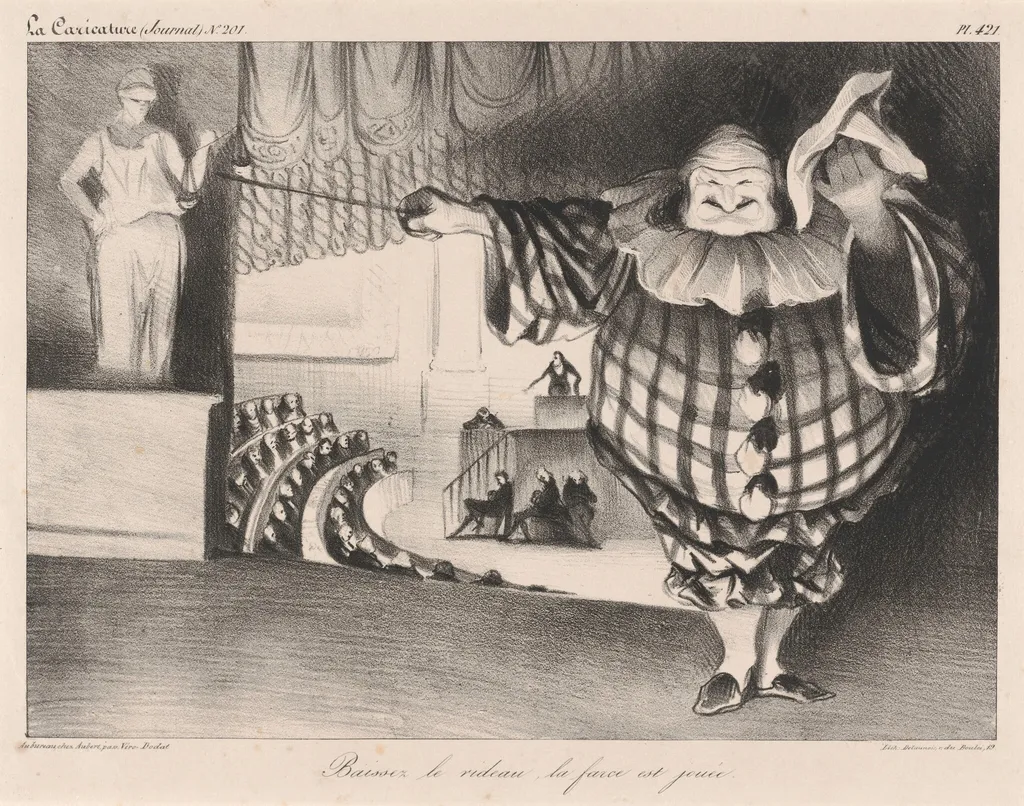
Baissez le rideau, la farce est jouée (Lower the Curtain, the Farce is Over) is an ink print by the Romanticist artist Honoré Daumier. It dates from 1834 and is held in the collection of the National Gallery of Art.
About this work
Overview
Honoré Daumier’s 1834 lithograph *Baissez le rideau, la farce est jouée* presents a theatrical scene in which a flamboyantly dressed figure, clad in a diamond‑patterned costume, dominates a dimly lit stage. The caption beneath the image, “Lower the Curtain, the Farce is Over,” signals a satirical closure, inviting viewers to interpret the tableau as a commentary on contemporary public affairs.
Subject & Meaning
The central character, exaggerated in posture and gesture, embodies a jester‑like critic of authority. By juxtaposing the solitary performer with a small, shadowed audience and a modestly dressed woman at the side, Daumier underscores the disparity between those who stage spectacle and the muted spectators, suggesting that political power, like theatrical farce, is ultimately fleeting and absurd.
Technique & Style
Executed in lithography, the print relies on Daumier’s characteristic loose, sketch‑like line work, which conveys immediacy and spontaneity. The medium allows for bold contrasts between dark background and the bright, patterned costume, while the rapid, gestural strokes heighten the sense of movement and mock‑heroic exaggeration that defines his caricatural approach.
History & Provenance
Created during Daumier’s prolific period as a contributor to satirical journals such as *La Caricature* and *Le Charivari*, the work reflects his republican sympathies and his habit of targeting the monarchy, aristocracy, and clergy. The lithograph circulated among the readership of these publications, serving as a visual critique of French political life in the years following the 1830 Revolution.
Artist & collection

Artist
Honoré-Victorin Daumier was a French painter, sculptor, and printmaker, whose many works offer commentary on the social and political life in France, from the Revolution of 1830 to the fall of the Second French Empire in 1870.









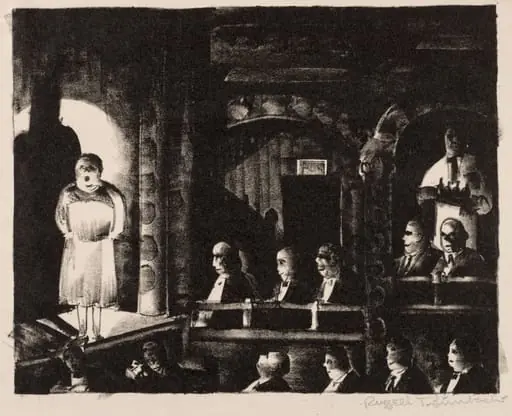 The Blues Singer
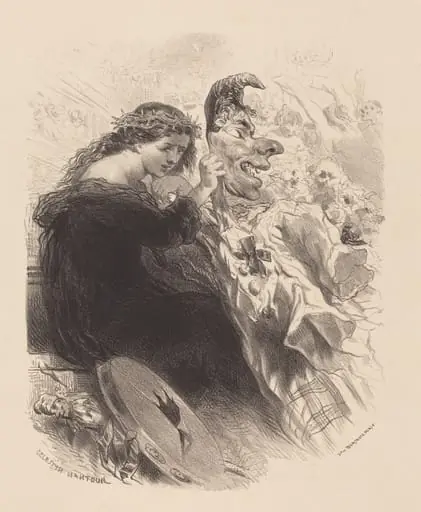 The Woman Behind the Mask
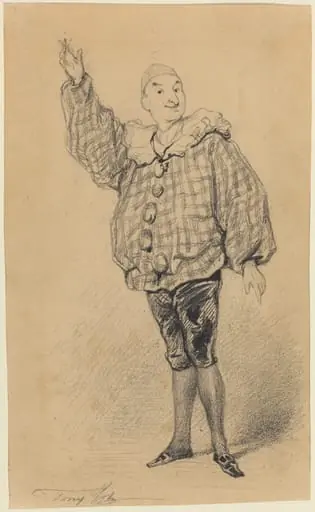 Lepeintre Ainé in the Role of Paillasse
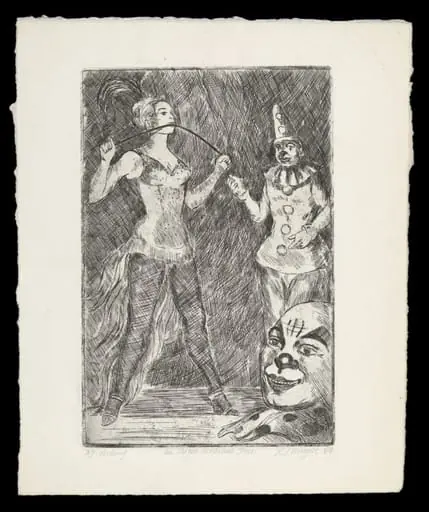 Joan Rhodes
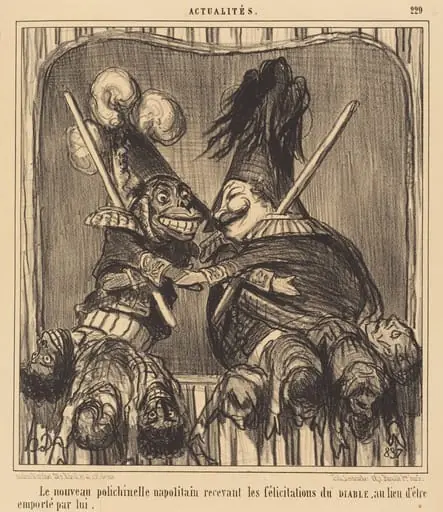 Le Nouveau polichinelle napolitain
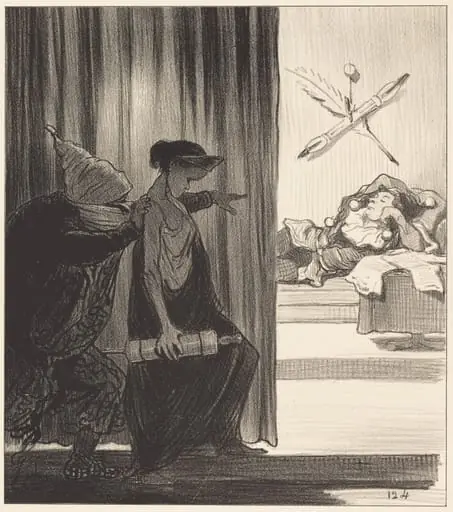 Clytemnestre poussée par mimi Véron...
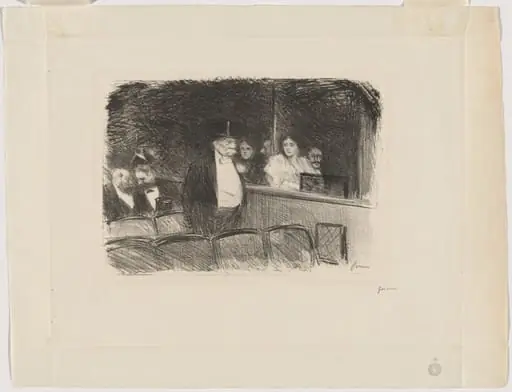 a) Au théâtre (At the Theatre) (recto); (b) Untitled (verso)
 Untitled
 Carotte dramatique
 Lender Dancing the Bolero in "Chilperic" (Lender dansant le pas du boléro dans "Chilpéric")
 Untitled
 Untitled