Artwork
Dis donc, not'homme, faut-y ...
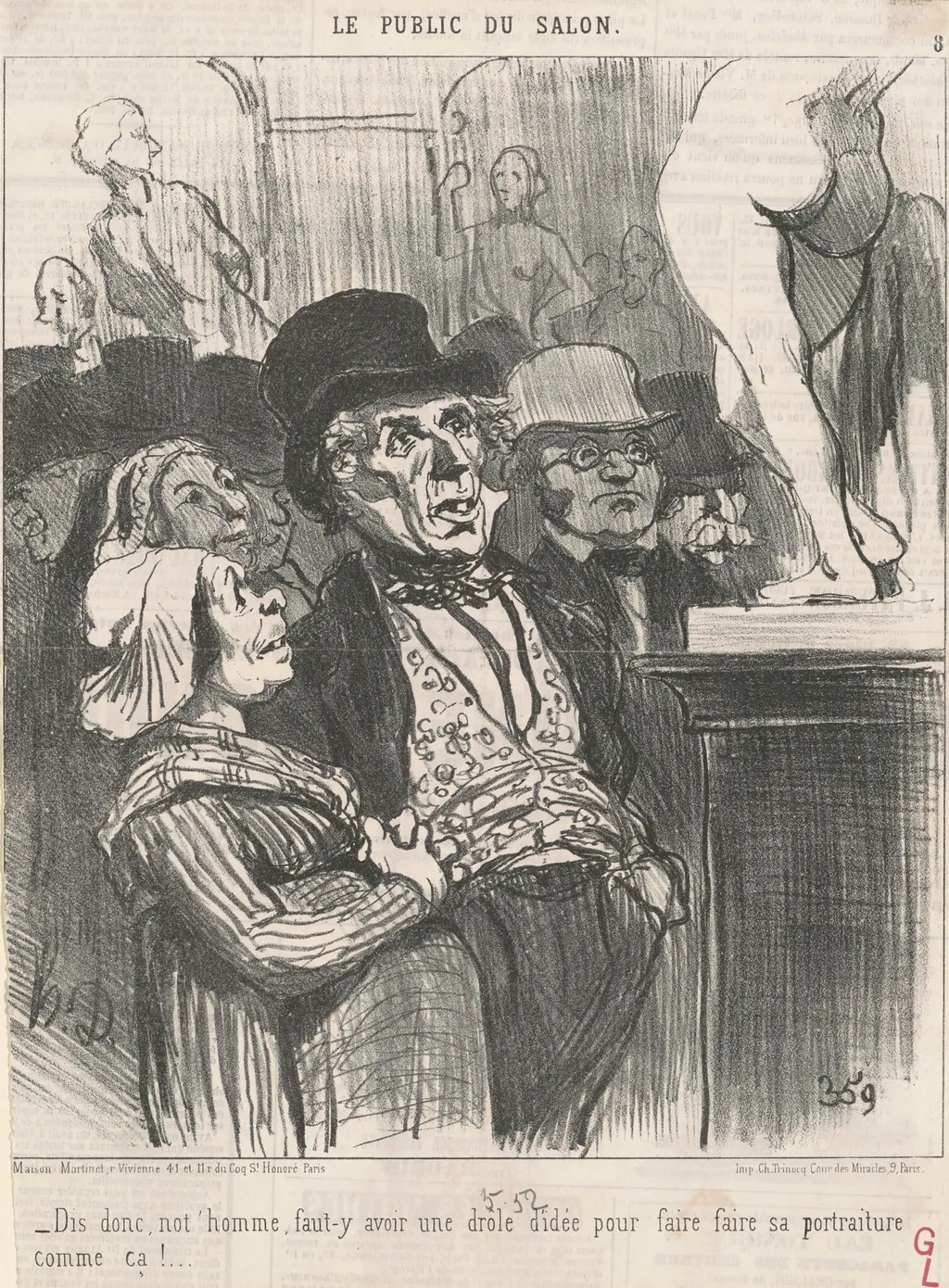
Dis donc, not'homme, faut-y ... is an ink print by the Impressionist artist Honoré Daumier. It dates from 1852 and is held in the collection of the National Gallery of Art. Honoré Daumée’s lithograph titled “Dis donc, not’homme, faut‑y …” presents a brief scene inside a nineteenth‑century exhibition hall.
About this work
Overview
Honoré Daumée’s lithograph titled “Dis donc, not’homme, faut‑y …” presents a brief scene inside a nineteenth‑century exhibition hall. The composition centers on three individuals—a senior gentleman in a top hat, a woman beside him, and a group of indistinct onlookers—capturing a fleeting exchange as they view the surrounding artworks.
Subject & Meaning
The work isolates a moment of informal dialogue between the older man and the woman, suggesting a shared contemplation of the displayed pieces. The blurred figures in the background emphasize the contrast between the focused participants and the broader, less engaged public, reflecting contemporary interest in how art mediates social interaction.
Technique & Style
Executed as a lithographic print, Daumée employs stark line work and tonal shading to delineate the central pair while rendering the surrounding crowd in softer, less defined strokes. This contrast of clarity and ambiguity underscores the lithograph’s emphasis on the immediacy of the encounter within a public setting.
History & Provenance
Created during the mid‑1800s, the print aligns with Daumée’s broader series of socially observant pieces that document everyday life in Paris. Though specific ownership records are limited, the lithograph has circulated among collections focusing on French printmaking and the artist’s commentary on urban society.
Artist & collection
Artist
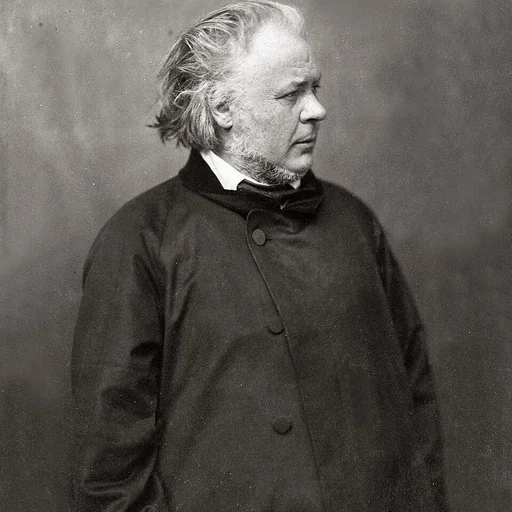
Honoré-Victorin Daumier was a French painter, sculptor, and printmaker, whose many works offer commentary on the social and political life in France, from the Revolution of 1830 to the fall of the Second French Empire in 1870.









 Tiens, papa, te v'la! ...
 Ne soyez pas inquiets ...
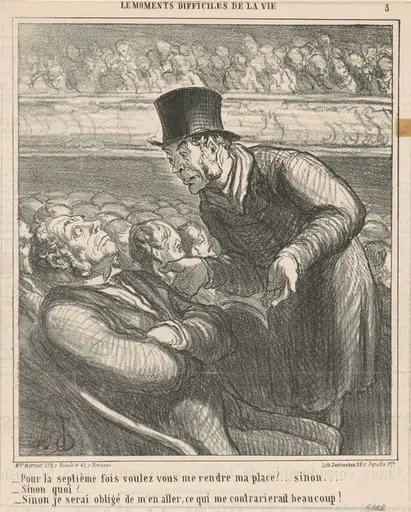 Pour la septième fois voulez-vous me rendre ...
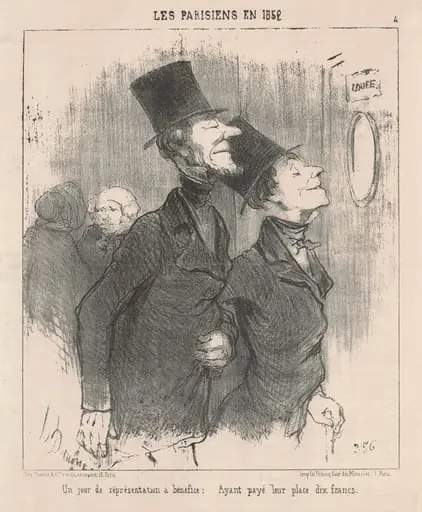 Un jour de représentation a benéfice
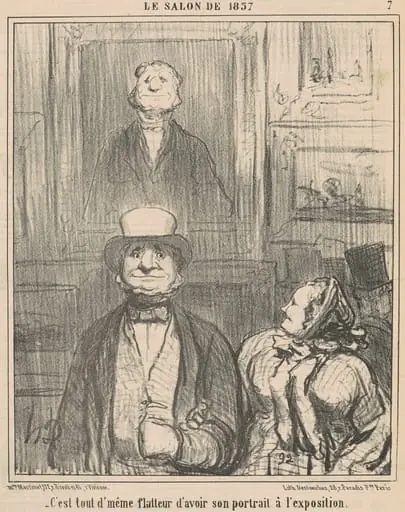 C'est tout d'même flatteur d'avoir ...
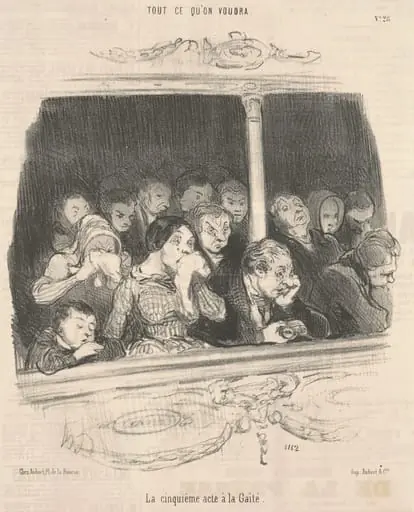 La cinquième acte a la gaité
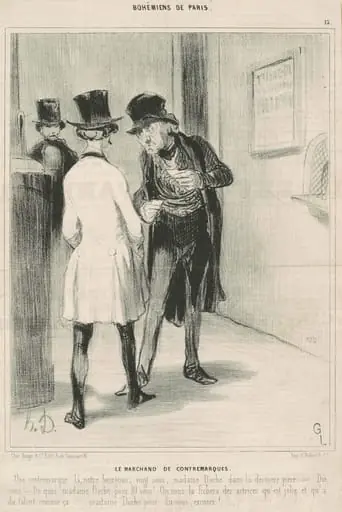 Le marchand de contremarques
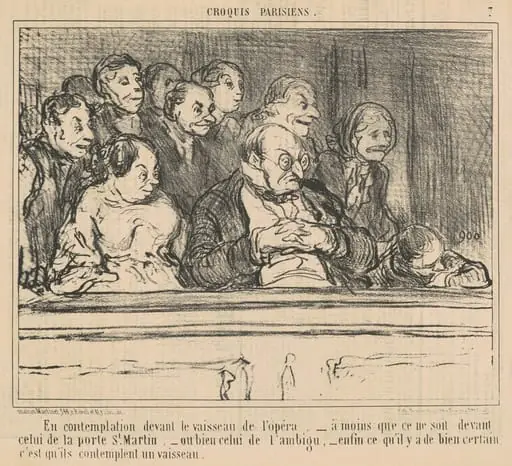 En contemplation devant le vaisseau de l'opera
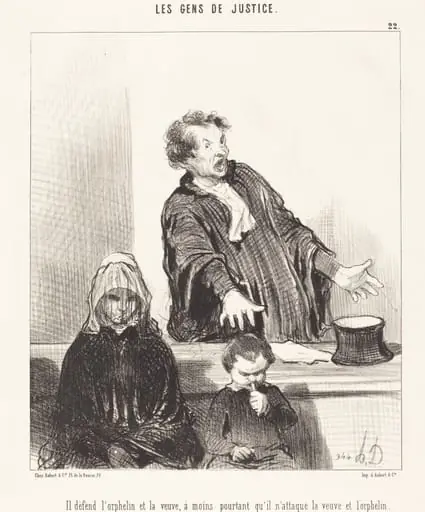 Il défend l'orphelin et la veuve, a moins...
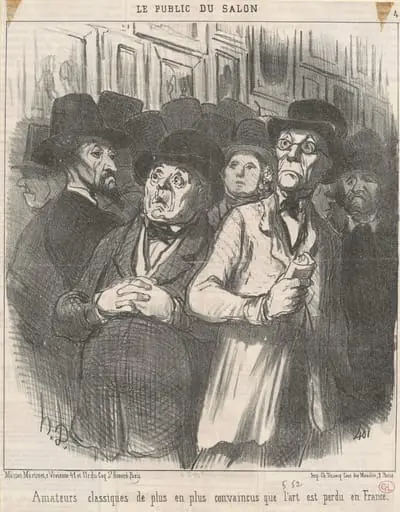 Amateurs classiques convaincus