Artwork
Don Quixote
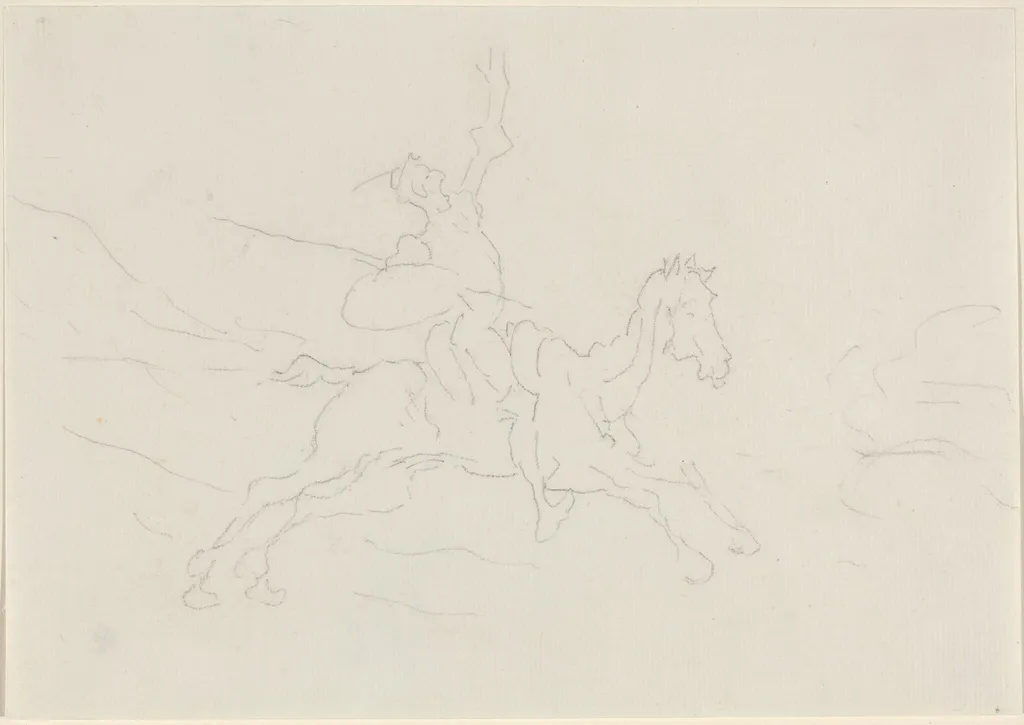
Don Quixote is a crayon drawing by the Romanticist artist Honoré Daumier. It dates from 1844 and is held in the collection of the National Gallery of Art.
About this work
Overview
Honoré Daumier’s 1844 drawing presents the iconic literary figure of Don Quixote as a gaunt, weary wanderer. Executed with crayon on laid paper, the work relies on swift, gestural strokes that capture the knight’s frailty while preserving a sense of restless motion.
Subject & Meaning
The image isolates the solitary hero, emphasizing his physical decline and the absurdity of his self‑styled chivalry. By rendering the character in a stark, almost caricatural manner, Daumier invites reflection on the gap between lofty ideals and harsh reality, echoing the novel’s own satire of heroic pretensions.
Technique & Style
Daumier employed a limited palette of charcoal‑like crayon, allowing the medium’s texture to convey depth through line density rather than shading. The economical drawing technique, characteristic of his quick‑study approach, creates a dynamic tension between the figure’s static posture and the implied energy of his quest.
Context
Created during Daumier’s prolific period of producing satirical illustrations for French periodicals such as *La Caricature* and *Le Charivari*, the drawing reflects his broader engagement with social commentary. Although the subject is literary, the work aligns with his republican sensibilities, using a familiar cultural icon to subtly critique contemporary pretensions.
History & Provenance
The piece dates to 1844, a year when Daumier was establishing his reputation as a leading caricaturist. It has remained in private and institutional collections, documented in catalogues of his drawings, and serves as an example of his lesser‑known ventures beyond printmaking into fine drawing.
Artist & collection
Artist
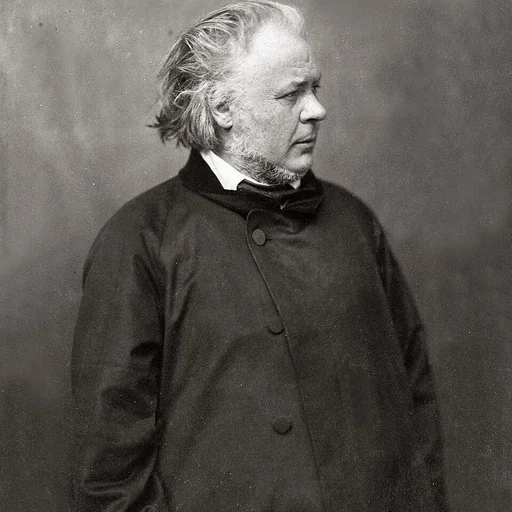
Honoré-Victorin Daumier was a French painter, sculptor, and printmaker, whose many works offer commentary on the social and political life in France, from the Revolution of 1830 to the fall of the Second French Empire in 1870.

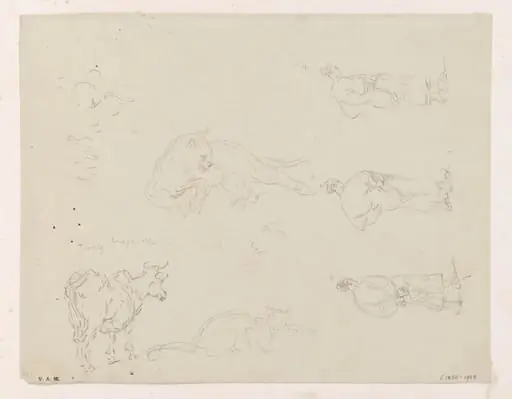 Drawings of figures and animals
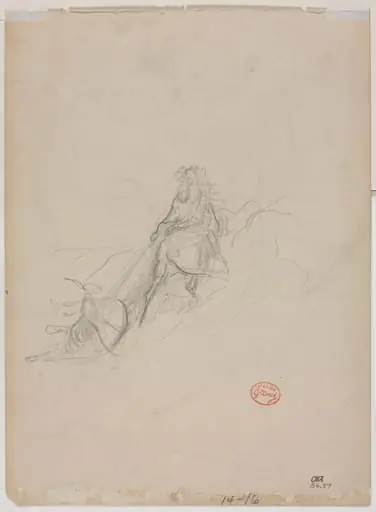 Sketch of Hunting Scene (verso)
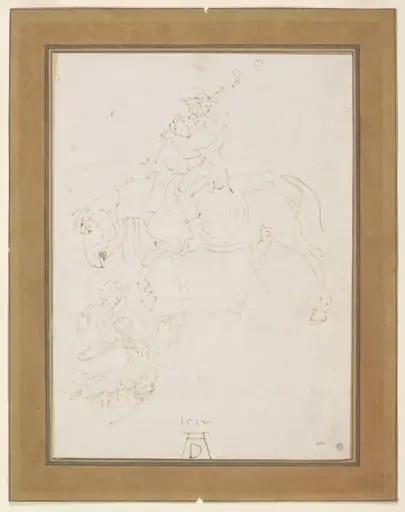 Madonna and Child with Cradle and a Bagpiper on Horseback
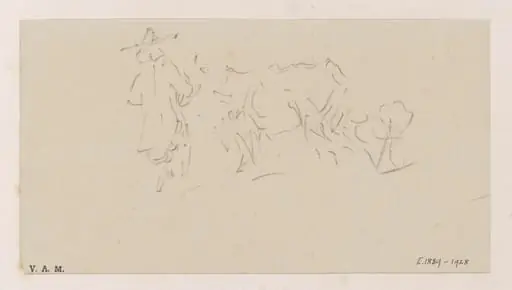 A cowherd and cow
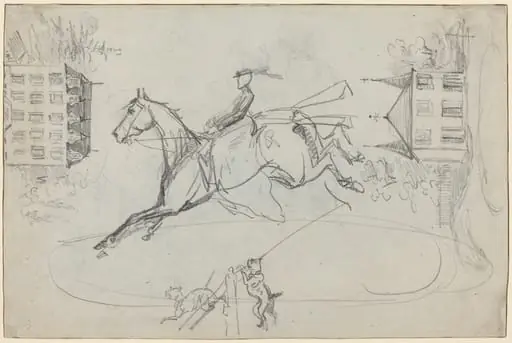 Sheet of Sketches
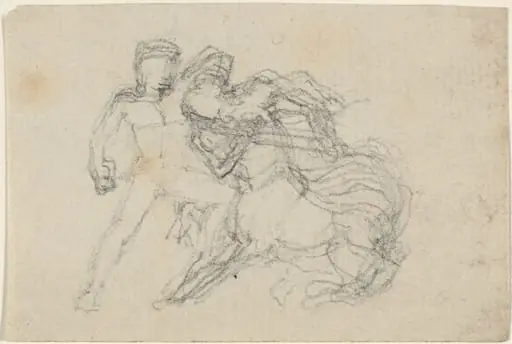 Battle between Man and Centaur
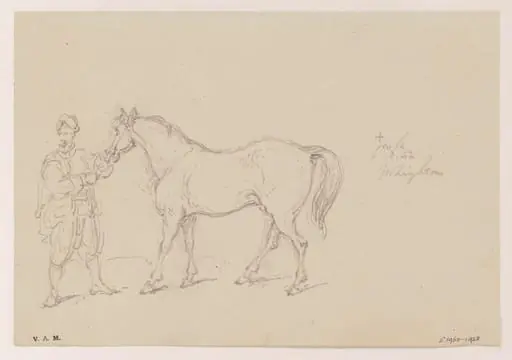 A turbaned figure holding a horse
 Sheet of Studies
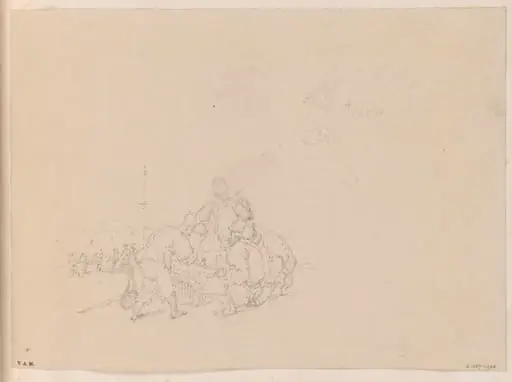 Chinese men surrounding a basket
 Figure Studies
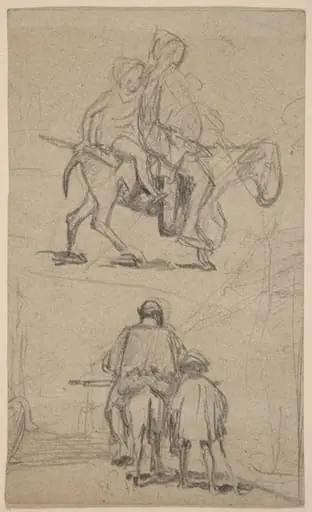 Father, Son, and Donkey
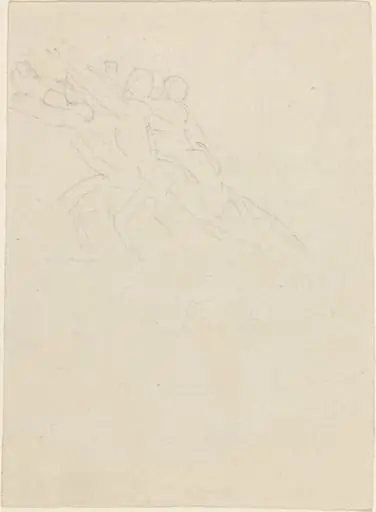 Running Figures with Arms Raised