Artwork
Fameuse perruque
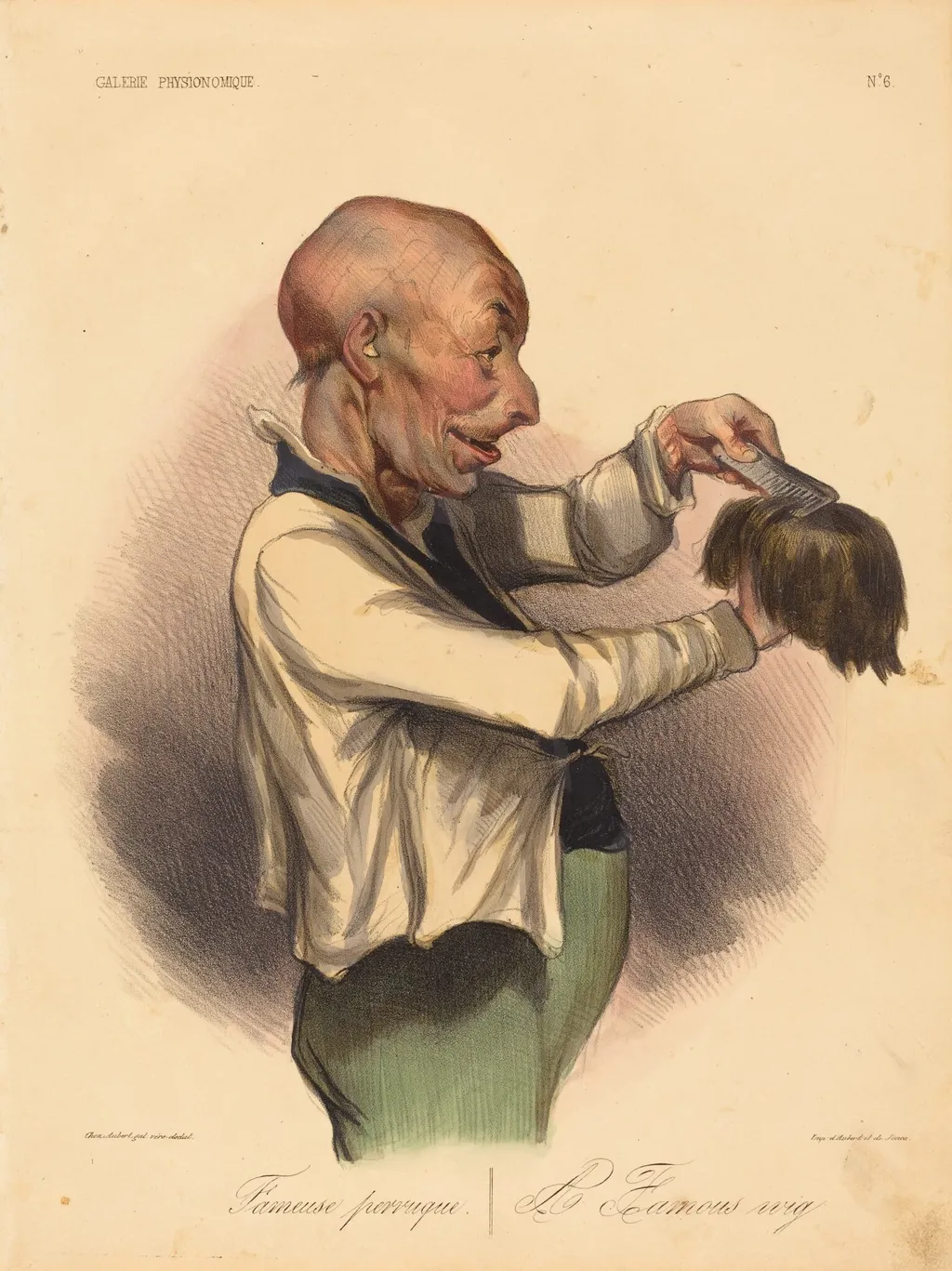
Fameuse perruque is an ink print by the Romanticist artist Honoré Daumier. It dates from 1836 and is held in the collection of the National Gallery of Art.
About this work
Overview
Created in 1836, *Fameuse perruque* is a hand‑coloured lithograph by French artist Honoré Daumier. Executed as a single‑sheet print, it presents a lively scene of a barber at work, rendered with swift, sketch‑like lines that give the image a sense of immediacy.
Subject & Meaning
The composition shows a man with a prominent head, a bald spot and a mustache, dressed in a light shirt, dark vest and green trousers, cutting another figure’s hair with scissors and a comb. The title, “Famous wig,” alludes to contemporary preoccupations with fashion and, in Daumier’s hands, serves as a satirical comment on the vanity of the upper classes.
Technique & Style
Daumier employed the lithographic process, drawing directly onto a stone or metal plate with greasy ink before transferring the image onto paper. The subsequent hand‑colouring adds modest tonal variation, while the loose, energetic line work reflects the artist’s background in caricature and his preference for rapid, expressive execution.
Historical Context
The print emerged during a turbulent phase of French history, when republican sentiment clashed with monarchical and clerical power. Daumier, known for his incisive political cartoons in papers such as *La Caricature* and *Le Charivari*, used this image to echo his democratic leanings and critique social pretensions.
Legacy
Although primarily remembered for his paintings and sculptures, Daumier’s prints like *Fameuse perruque* illustrate his skill in merging humor with social observation. The work remains a representative example of 19th‑century French lithography that bridges popular satire and fine‑art practice.
Artist & collection
Artist
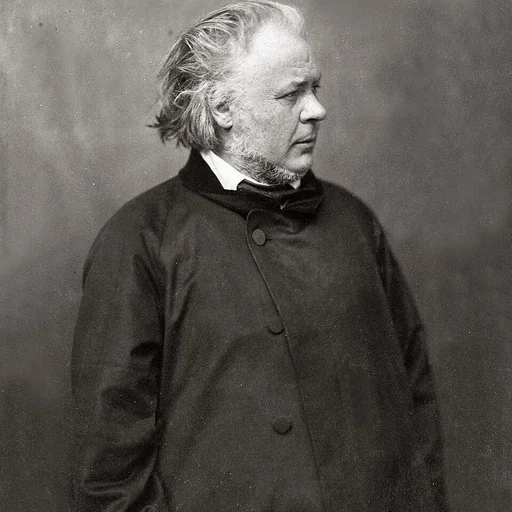
Honoré-Victorin Daumier was a French painter, sculptor, and printmaker, whose many works offer commentary on the social and political life in France, from the Revolution of 1830 to the fall of the Second French Empire in 1870.

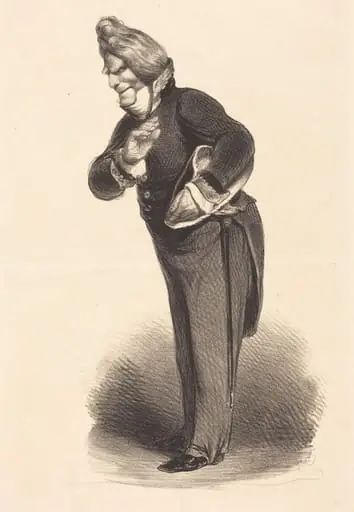 Amiral Verhuel
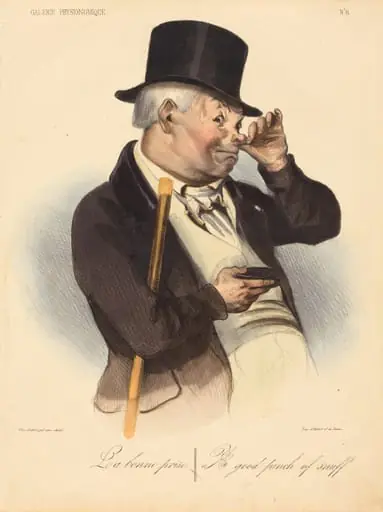 La bonne prise
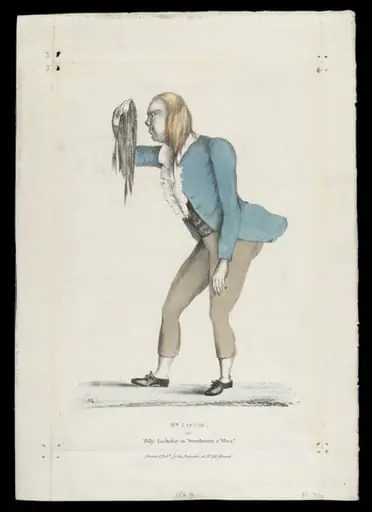 H Beard Print Collection
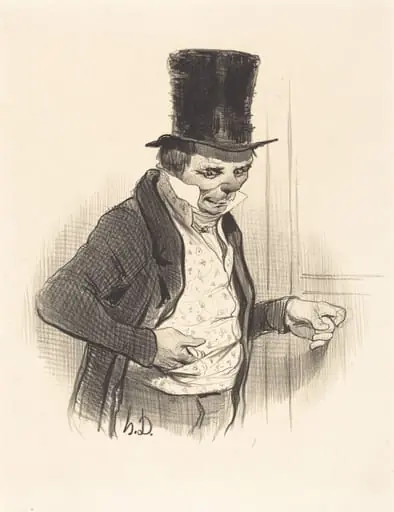 Le Portier en tournées de visites...
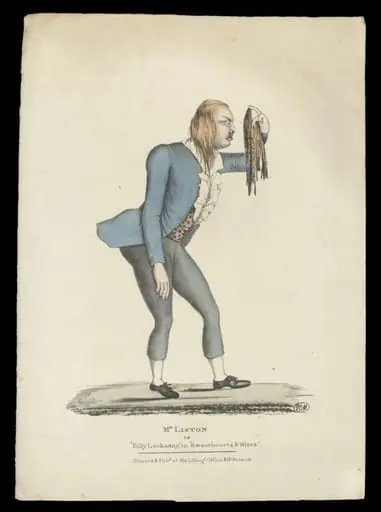 H Beard Print Collection
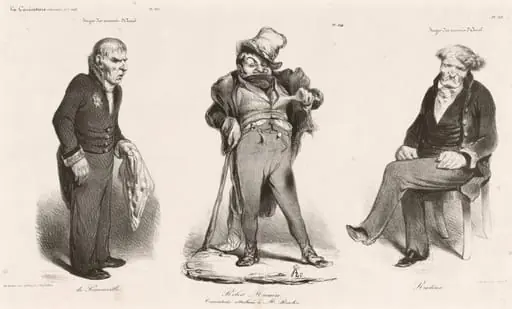 Huguet de Sémonville - Robert Macaire (Thiers) - Comte Roederer
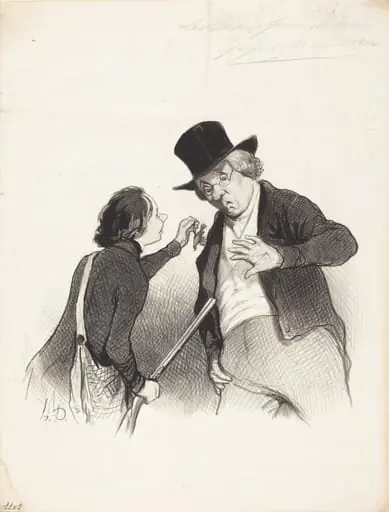 Un Début a la chasse
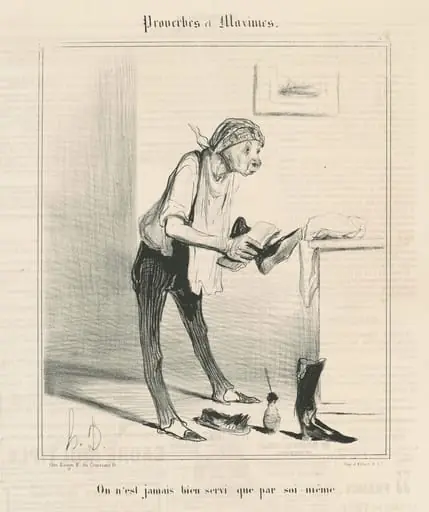 On n'est jamais bien servi que par soi-même
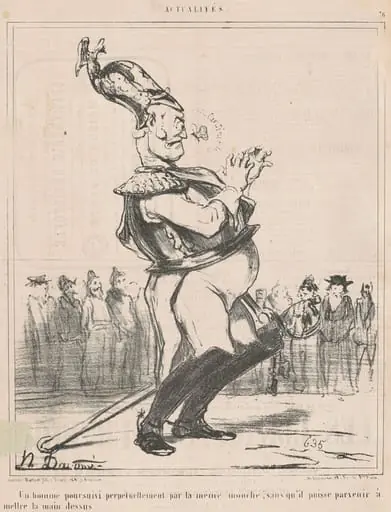 Un homme poursuivi ...
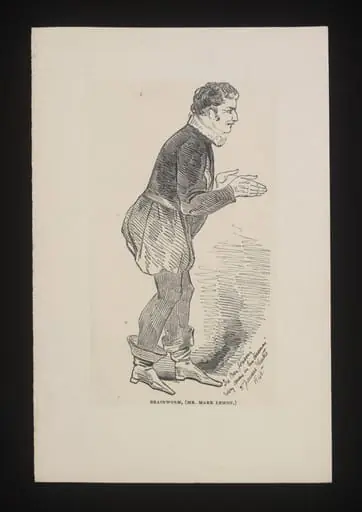 Brainworm, (Mr. Mark Lemon)
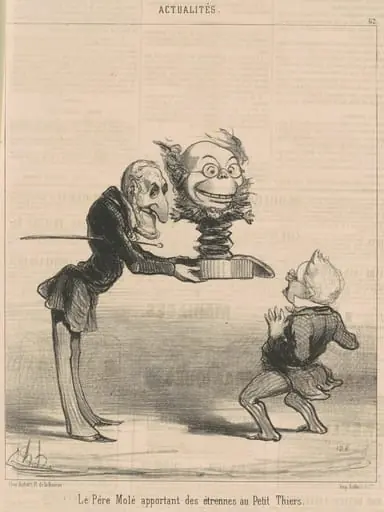 Molé apportant des étrennes au petit thiers
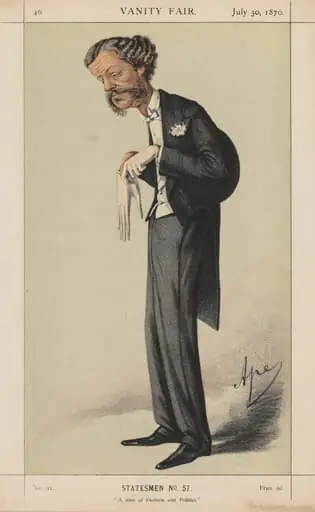 Vanity Fair: Statesman, No. 57 "A man of Fashion and Politics"