Artwork
Grande révolte des rats de montfaucon ...
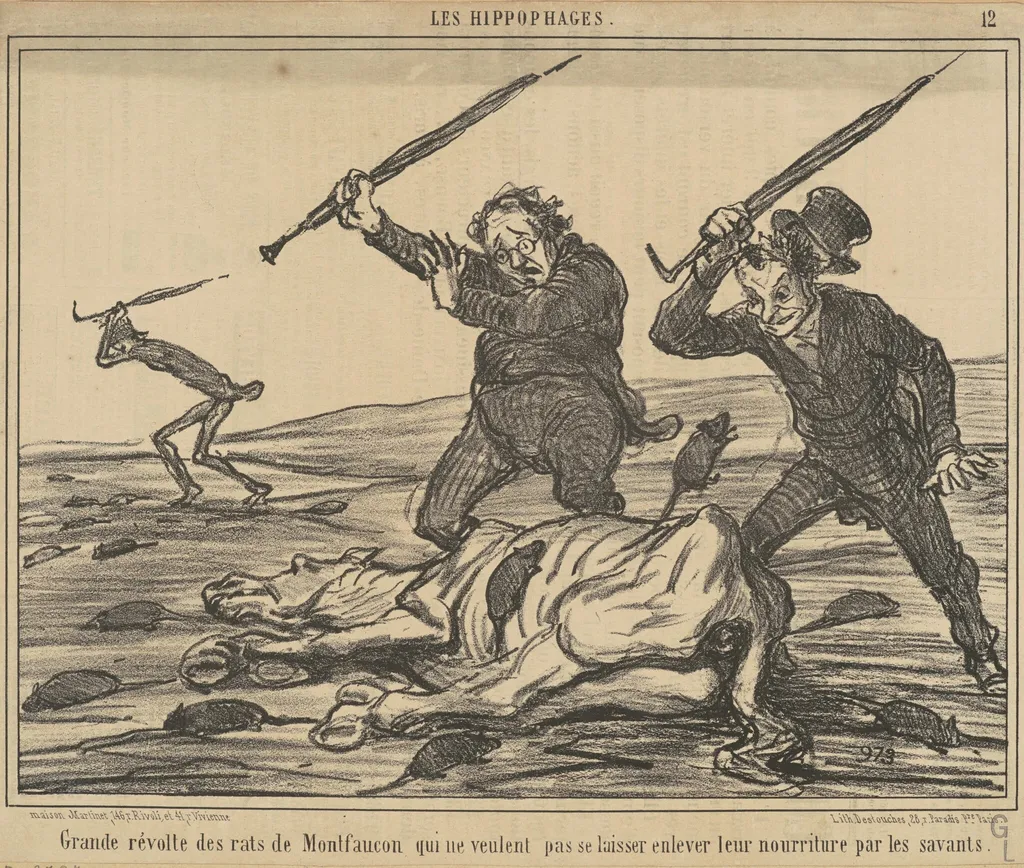
Grande révolte des rats de montfaucon ... is an ink print by the Impressionist artist Honoré Daumier. It dates from 1856 and is held in the collection of the National Gallery of Art.
About this work
Overview
Grande révolte des rats de Montfaucon is a lithograph created by Honoré Daumier in 1856, depicting a somber scene of three umbrella-carrying figures surrounding a dead animal overrun by rats.
Subject & Meaning
The print conveys Daumier's social commentary, symbolizing societal decay and neglect through the juxtaposition of indifferent human onlookers and the ravaged animal, highlighting themes of poverty and disregard.
Technique & Style
Executed in lithograph, a medium conducive to mass dissemination, the work exemplifies Daumier's characteristic use of accessible art forms for socio-political critique, though specific stylistic innovations or technical nuances in this piece are not prominently noted.
History & Provenance
Created in 1856, the work's provenance details are not provided, but it aligns with Daumier's mid-19th-century output of socially conscious artworks.
Context
Emerging in 1850s France, the piece reflects the era's social ills, with Daumier leveraging his art to draw attention to the neglect of marginalized populations and urban decay.
Legacy
Grande révolte des rats de Montfaucon contributes to Daumier's legacy as a pioneering social commentator in art, influencing subsequent generations of artists in using their work as a platform for critique and reform.
Artist & collection

Artist
Honoré-Victorin Daumier was a French painter, sculptor, and printmaker, whose many works offer commentary on the social and political life in France, from the Revolution of 1830 to the fall of the Second French Empire in 1870.









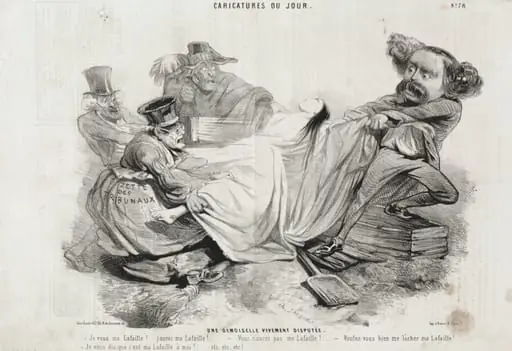 An Intensely Contested Young Woman
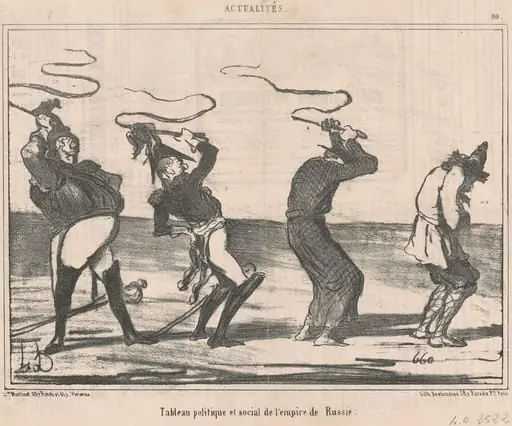 Tableau ... de l'empire de russie
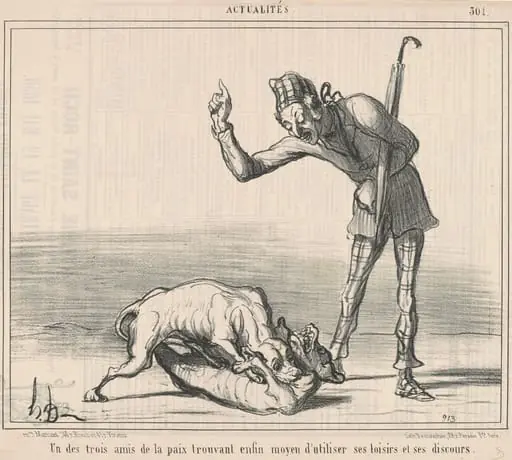 Un des trois amis de la paix ...
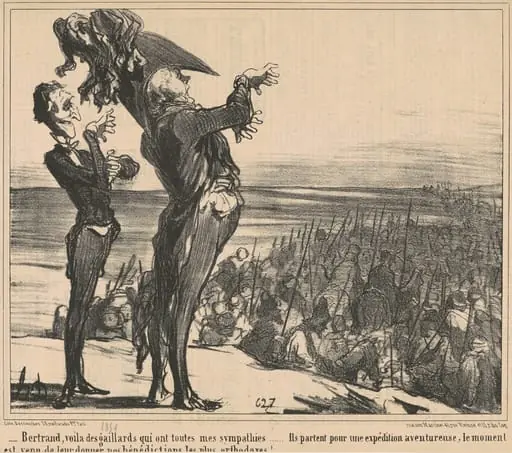 Bertrand, voila des gaillards ...
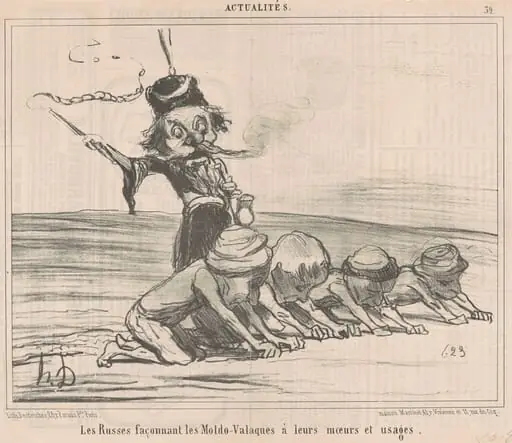 Les facconnant les Moldo-Valaques ...
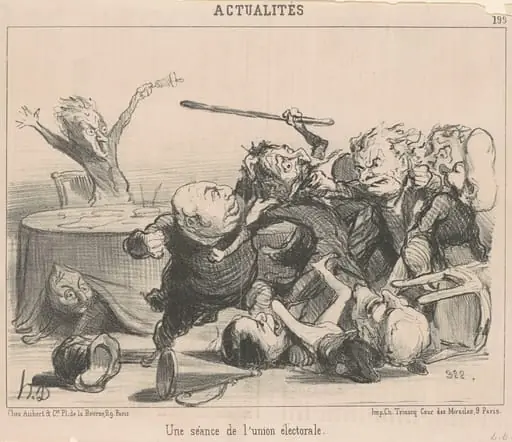 Une séance de l'union électorale
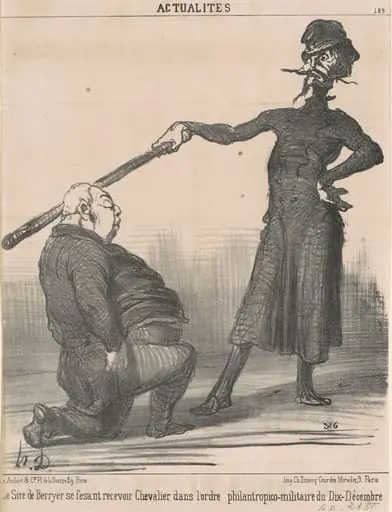 Le sire de Berryer ...Chevalier ...
 Un inspecteur général russe
 Facheux résultat... de la viande de cheval