Artwork
Harlé père
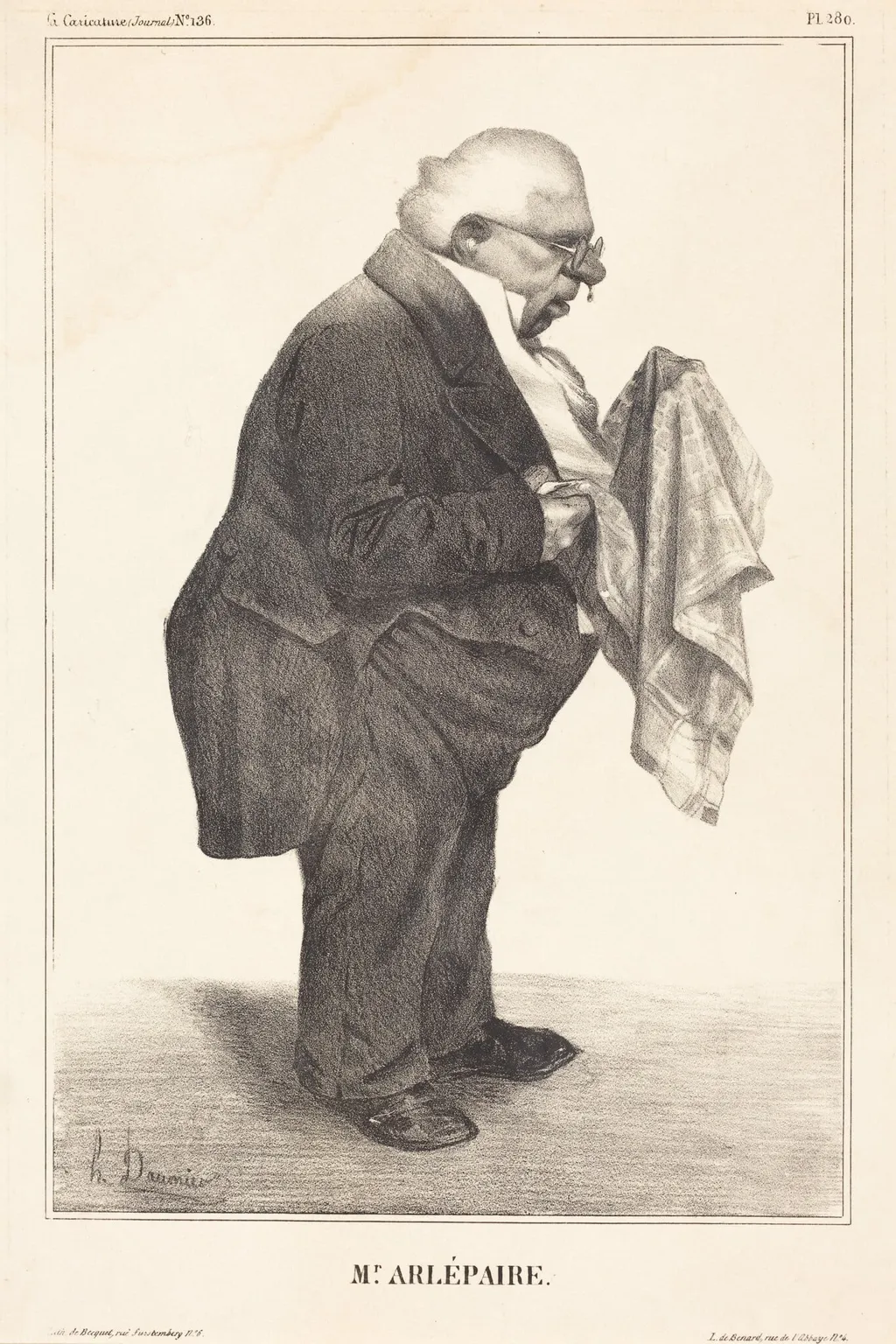
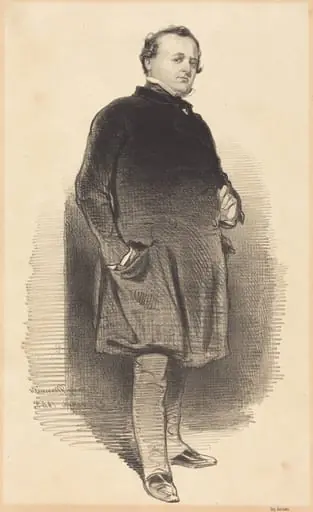
Harlé père is an ink print by the Romanticist artist Honoré Daumier. It dates from 1833 and is held in the collection of the National Gallery of Art.
About this work
Overview
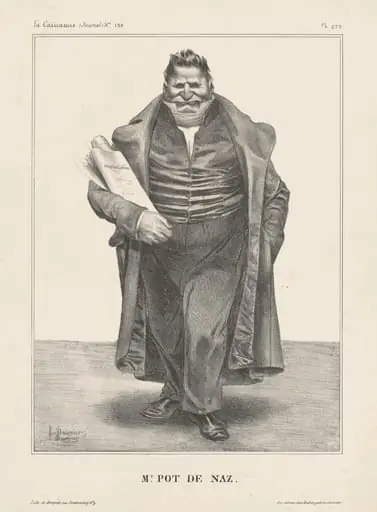
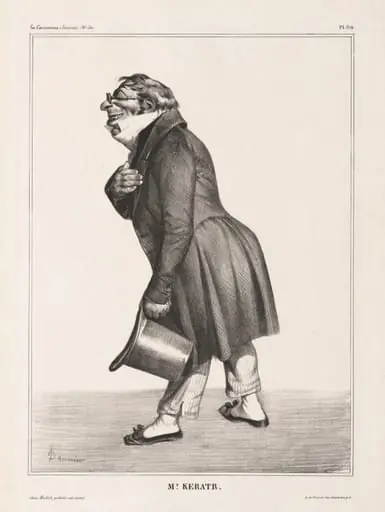
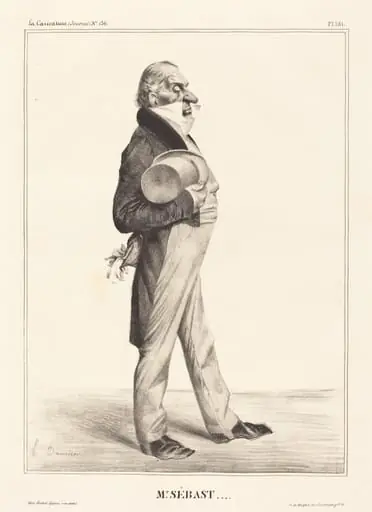
The work exemplifies Daumier’s practice of using exaggerated line work to generate visual humor within a single, tightly composed scene.
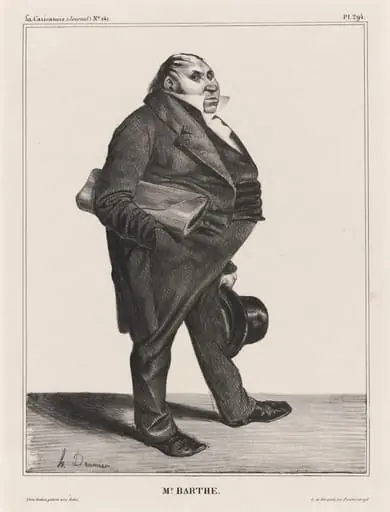
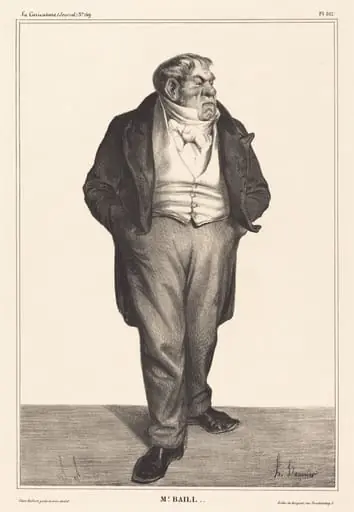
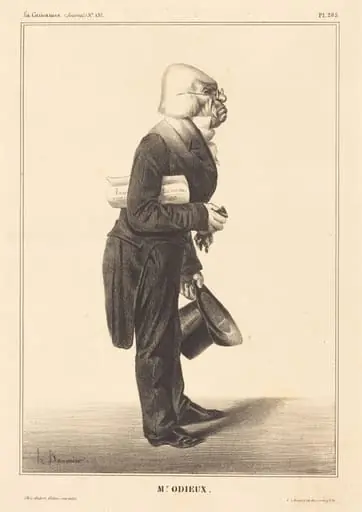
Created in 1833, *Harlé père* is a lithographic print by Honoré Daumier. Executed in black and white, the image portrays a rotund, slightly stooped man adjusting his footwear, his low‑set glasses and a cloth in hand emphasizing the figure’s domestic preoccupation. The work exemplifies Daumier’s practice of using exaggerated line work to generate visual humor within a single, tightly composed scene.
Subject & Meaning
The figure represents a caricature of a common social type rather than a specific individual, his exaggerated belly and awkward posture serving to mock the pretensions of the bourgeois class. By focusing on a mundane act—adjusting a sock—the print satirizes the self‑importance of everyday figures, inviting viewers to question the seriousness with which such personas are regarded.
Technique & Style
Daumier employed the lithographic process, drawing directly onto a stone surface with a greasy medium before printing. The composition relies on stark, unmodulated lines that define the subject with economy, while the absence of color heightens the contrast between figure and background. This minimalist approach underscores the satirical intent, allowing the exaggerated anatomy to dominate the visual field.
History & Provenance
Produced during the July Monarchy, the print was likely disseminated through the satirical periodicals *La Caricature* and *Le Charivari*, where Daumier regularly contributed. Its survival in museum collections reflects the broader preservation of his prolific output, which documented and critiqued French society throughout the 1830s and beyond.
Context
The early 1830s in France were marked by political tension between monarchic authority and emerging republican sentiment. Daumier, known for his republican sympathies, used lithography as a rapid, reproducible medium to comment on power structures. *Harlé père* fits within this milieu, illustrating how everyday scenes could be leveraged to subtly challenge prevailing social hierarchies.
Artist & collection

Artist
Honoré-Victorin Daumier was a French painter, sculptor, and printmaker, whose many works offer commentary on the social and political life in France, from the Revolution of 1830 to the fall of the Second French Empire in 1870.