Artwork
L'Entrée dans la vie
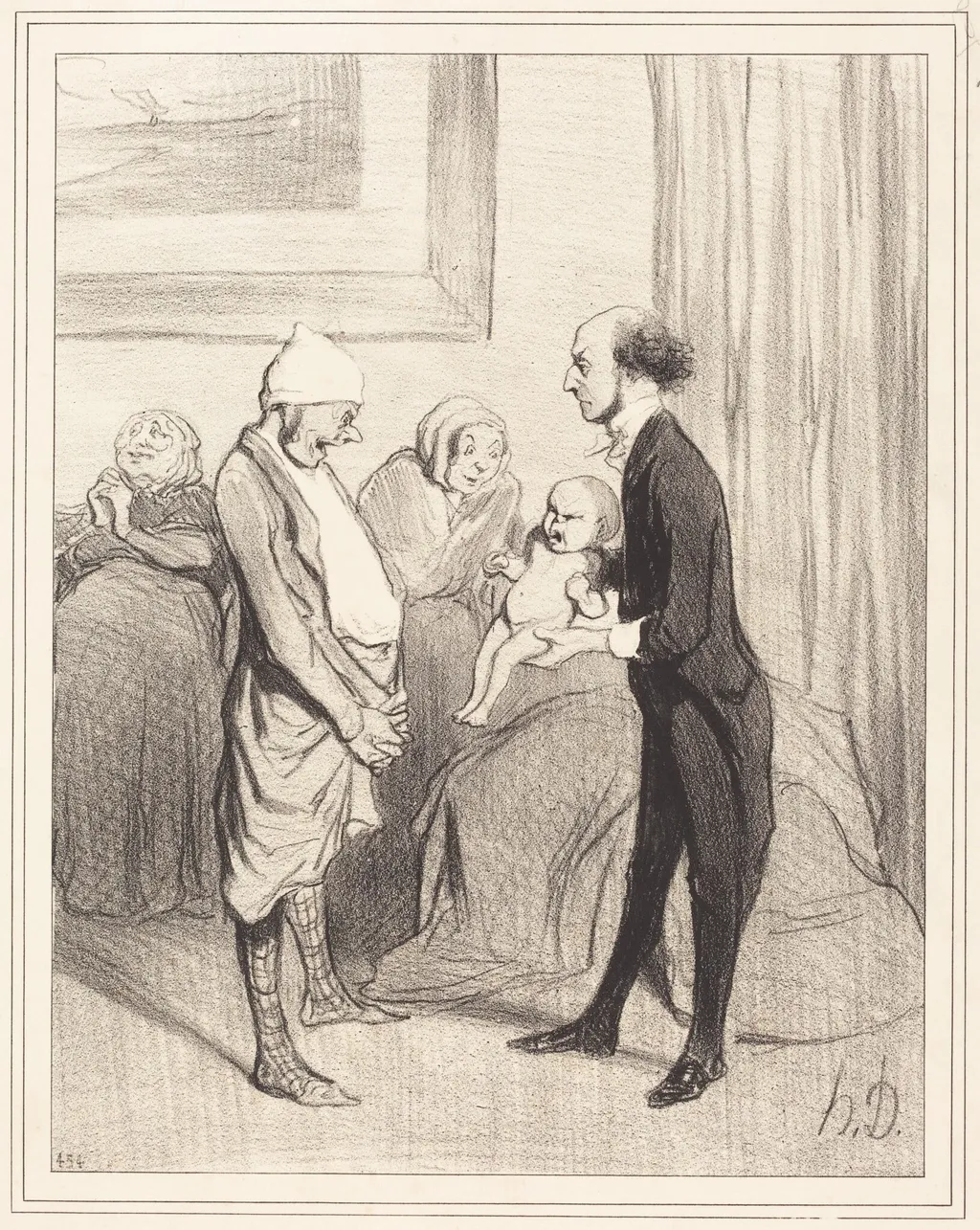
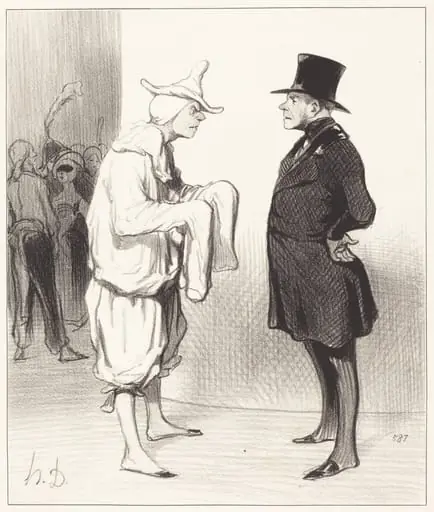
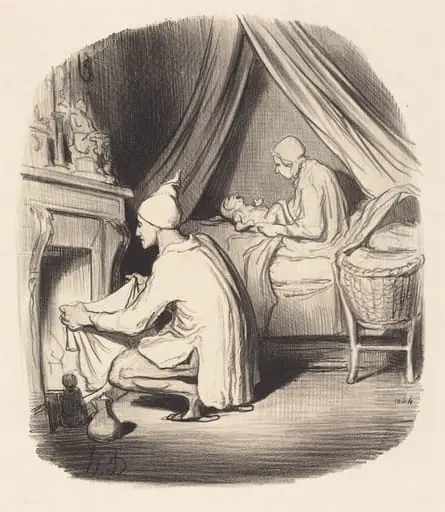
L'Entrée dans la vie is an ink print by the Romanticist artist Honoré Daumier. It dates from 1843 and is held in the collection of the National Gallery of Art.
About this work
Overview
Created in 1843, *L'Entrée dans la vie* is a lithographic print by Honoré Daumier. The image captures a modest interior where a small group—five figures—are gathered around a man holding an infant. The scene is rendered in muted tones, the light entering through a narrow window, emphasizing the everyday character of the moment.
Subject & Meaning
Daumier’s republican sympathies suggest the gathering may symbolize the entry of ordinary citizens into public life, subtly critiquing hierarchical structures.
The composition presents a domestic encounter that hints at social observation rather than narrative drama. The central figure, a man in a long coat, engages an older gentleman while two women and another elder watch with a mixture of curiosity and concern. Daumier’s republican sympathies suggest the gathering may symbolize the entry of ordinary citizens into public life, subtly critiquing hierarchical structures.
Technique & Style
Executed with lithography, the work was drawn directly onto a limestone surface, allowing Daumier to retain the immediacy of his sketchy line work. The medium’s capacity for tonal variation supports the dim lighting and plain walls, while the loose, unpolished rendering reflects the artist’s preference for capturing lived moments over idealized scenes.
History & Provenance
Daumier produced the print during a prolific period of contributing to satirical journals such as *La Caricature* and *Le Charivari*. Although primarily known for his political caricatures, this piece aligns with his broader practice of using visual satire to comment on contemporary French society. The print’s early ownership records trace back to private collections before entering museum holdings in the late twentieth century.
Artist & collection
Artist
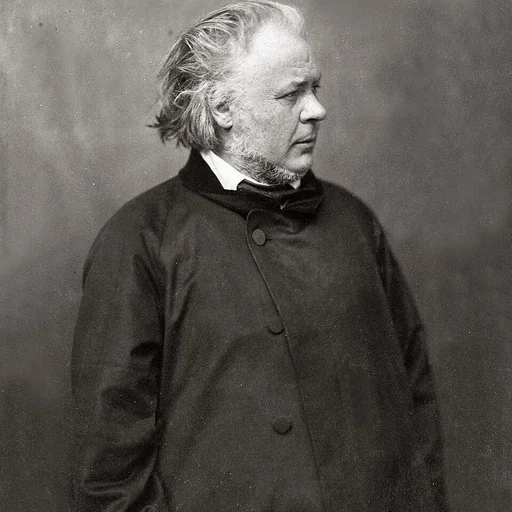
Honoré-Victorin Daumier was a French painter, sculptor, and printmaker, whose many works offer commentary on the social and political life in France, from the Revolution of 1830 to the fall of the Second French Empire in 1870.