Artwork
Le triomphe du paganisme
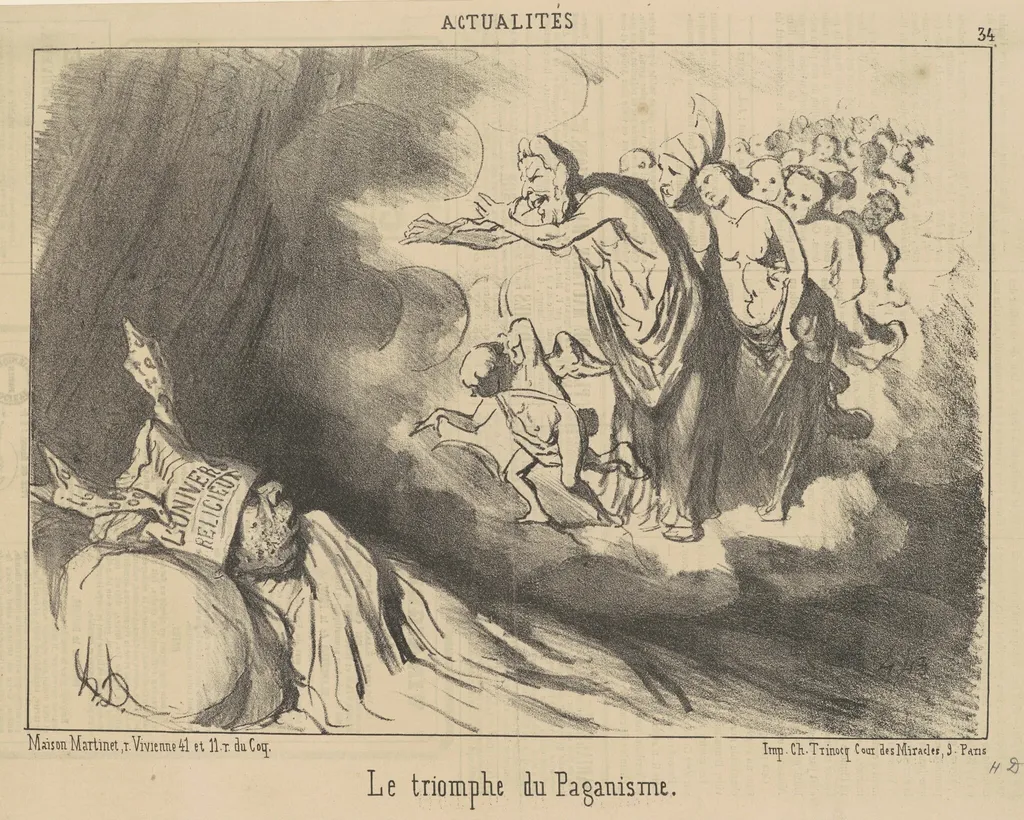
Le triomphe du paganisme is an ink print by the Impressionist artist Honoré Daumier. It dates from 1852 and is held in the collection of the National Gallery of Art.
About this work
Daumier’s 1852 lithograph shows a crowd of old gods and myth figures reaching for a lone, shadowed woman labeled “L’univer Religeux.
Daumier’s 1852 lithograph shows a crowd of old gods and myth figures reaching for a lone, shadowed woman labeled “L’univer Religeux.” Their gestures feel urgent, almost desperate.
This isn’t just a clash of old beliefs. Daumier made it during France’s push to separate church and state, so the print quietly argues for change.
See how the darkest ink frames the woman’s face? That trick is called lithography.
Overview
Le triomphe du paganisme is a 1852 lithograph by Honoré Daumier, presenting an allegorical scene where mythological and classical figures converge on a central, subdued figure titled 'L’univer Religeux', implying the ascendancy of pagan elements over religious themes.
Subject & Meaning
The lithograph depicts a crowd of ancient deities and mythological figures urgently reaching towards 'L’univer Religeux', a lone, shadowed woman symbolizing religious universalism in a state of defeat. The scene transcends a mere clash of beliefs, subtly advocating for the separation of church and state amidst 19th-century France's political landscape.
Technique & Style
Daumier employs a dynamic composition characterized by stark contrasts of dark and light shading, creating a sense of movement and intensity. The strategic use of dark ink to frame the face of 'L’univer Religeux' exemplifies the expressive potential of lithography.
History & Provenance
Created in 1852, the lithograph reflects the contemporary French debate over secularization. While specific provenance details are not provided, its production aligns with Daumier's engagement with socio-political themes of his time.
Context
Produced during a period of political and social upheaval in France, where the push for laïcité (secularism) was gaining momentum, 'Le triomphe du paganisme' can be seen as a visual commentary on the era's religious and political tensions.
Legacy
As a work reflecting both the artistic innovations of its time and the socio-political commentary for which Daumier is renowned, 'Le triomphe du paganisme' contributes to the broader legacy of 19th-century French printmaking and its role in public discourse.
Artist & collection

Artist
Honoré-Victorin Daumier was a French painter, sculptor, and printmaker, whose many works offer commentary on the social and political life in France, from the Revolution of 1830 to the fall of the Second French Empire in 1870.









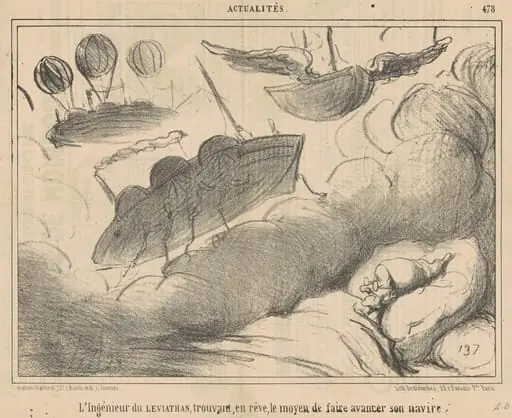 L'ingénieur du Leviathan trouvant, en rève ...
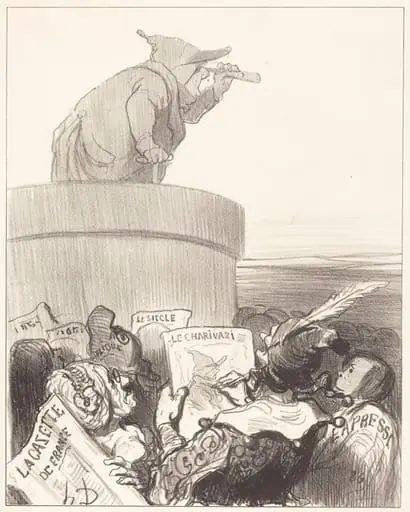 Le Constitutionnel contemplant l'horizon politique
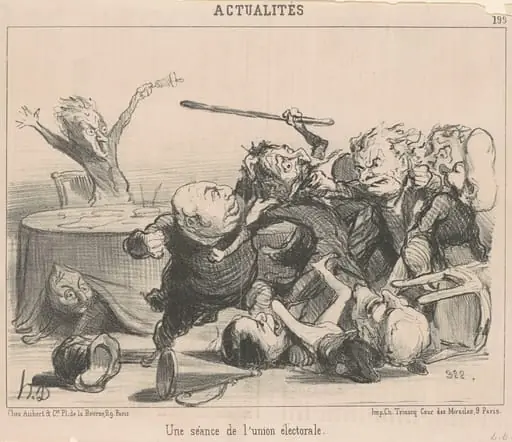 Une séance de l'union électorale
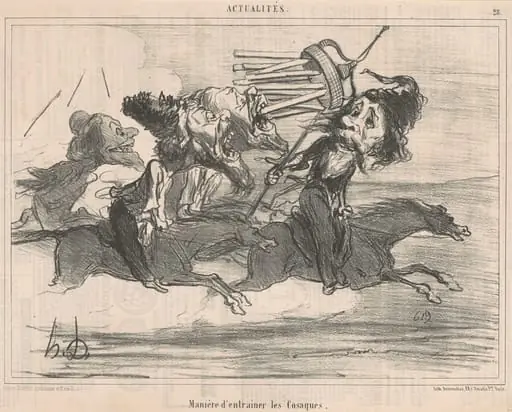 Maniére d'entrainer les cosaques
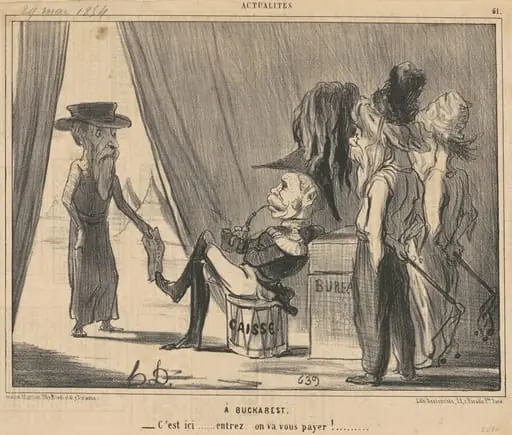 A Bucharest
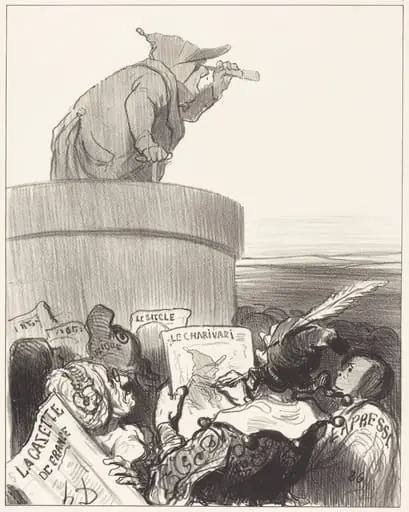 Le Constitutionnel contemplant l'horizon politique
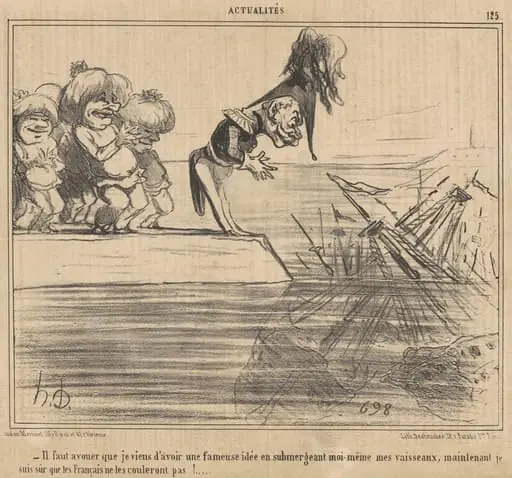 Il faut avouer que je viens d'avoir une ...
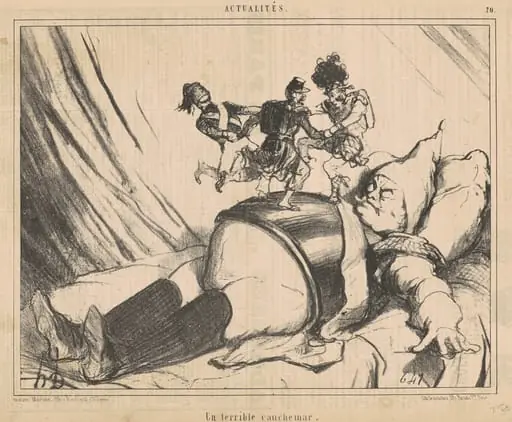 Un terrible cauchemar
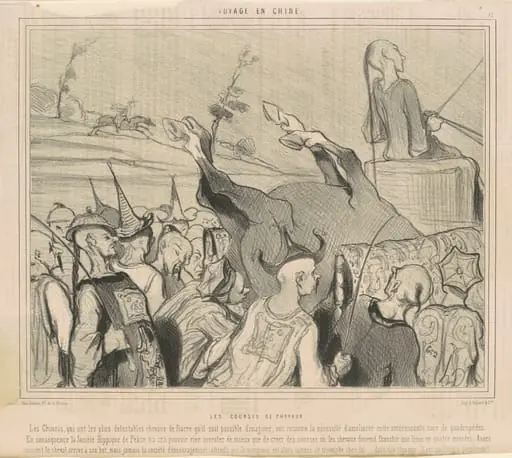 Les courses de chevaux