Artwork
Les Barbotteuses
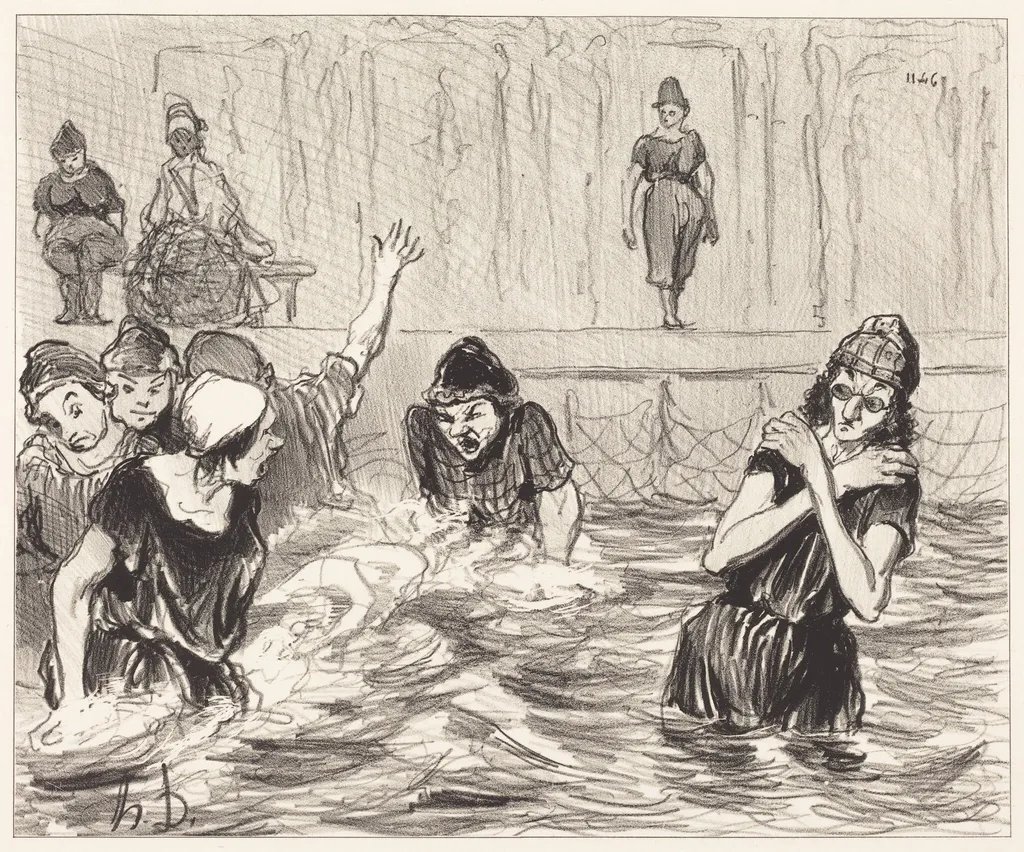
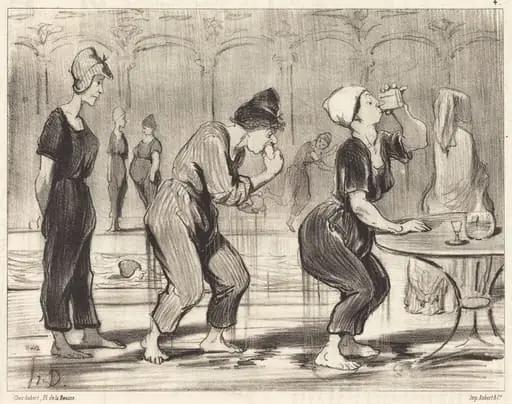
Les Barbotteuses is an ink print by the Romanticist artist Honoré Daumier. It dates from 1847 and is held in the collection of the National Gallery of Art.
About this work
Overview
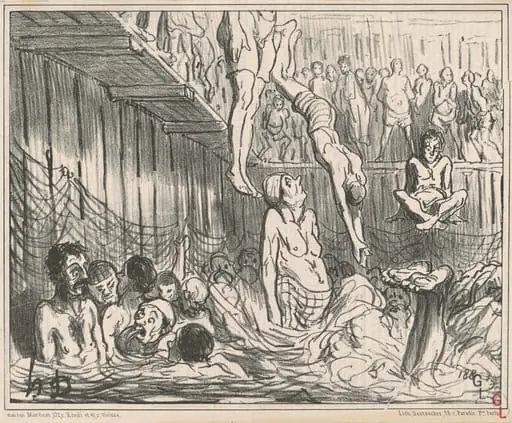
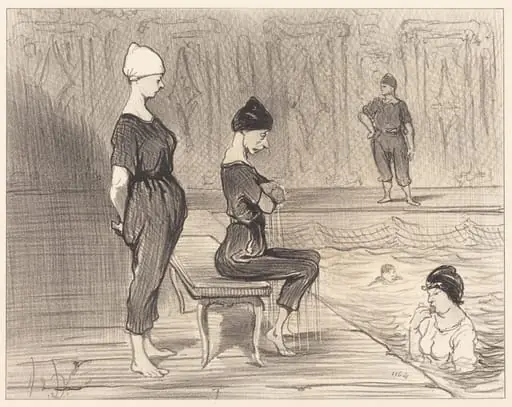
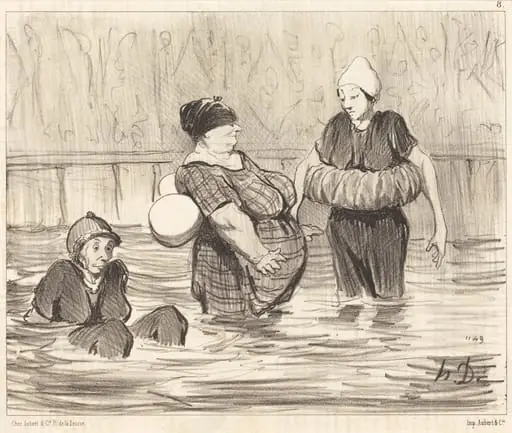
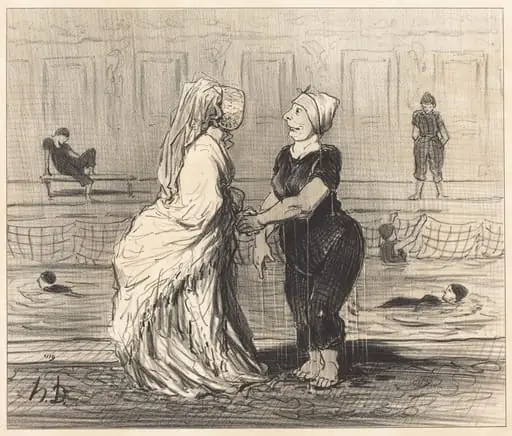
Created in 1847, *Les Barbotteuses* is a lithographic print by Honoré Daumier, a French artist renowned for his work as a painter, sculptor and printmaker. The image presents a domestic workshop scene in which two women are engaged in kneading clay, their expressions serious as they attend to the task amid scattered tools and material.
Subject & Meaning
The composition foregrounds the labor of working‑class women, a demographic rarely highlighted in fine art of the period. By depicting the women’s focused effort, Daumier draws attention to everyday toil and subtly critiques the social hierarchy that often overlooked such ordinary lives.
Technique & Style
Executed in lithography, the print employs the medium’s capacity for fine line work and tonal variation to render the textures of clay and the subtle play of light across the figures. Daumier’s characteristic satirical edge is evident in the exaggerated seriousness of the subjects, aligning the work with his broader graphic style.
History & Provenance
*Les Barbotteuses* was produced for the vibrant French press of the mid‑19th century, where Daumier regularly contributed to satirical journals such as *La Caricature* and *Le Charivari*. The print reflects his ongoing engagement with the political and social tensions of his time, particularly his republican‑democratic critique of the monarchy, aristocracy and clergy.
Context
The lithograph emerges from a period of rapid industrial and social change in France, when the visibility of laborers in visual culture was limited. Daumier’s choice to portray female artisans aligns with his broader interest in the lives of the lower classes, offering a counter‑narrative to the elite subjects favored by academic art.
Artist & collection
Artist
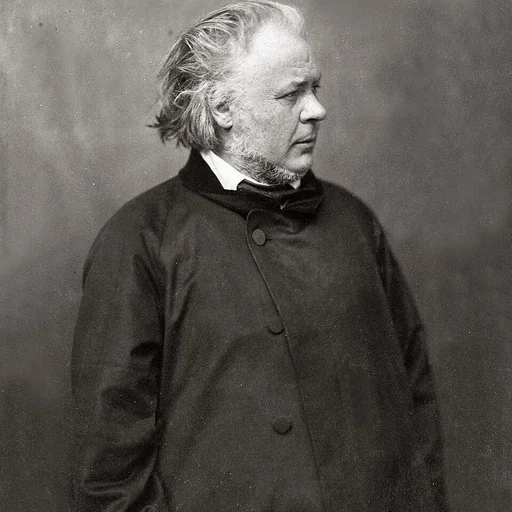
Honoré-Victorin Daumier was a French painter, sculptor, and printmaker, whose many works offer commentary on the social and political life in France, from the Revolution of 1830 to the fall of the Second French Empire in 1870.