Artwork
Mariage de l'Époque et du Constitutionnel
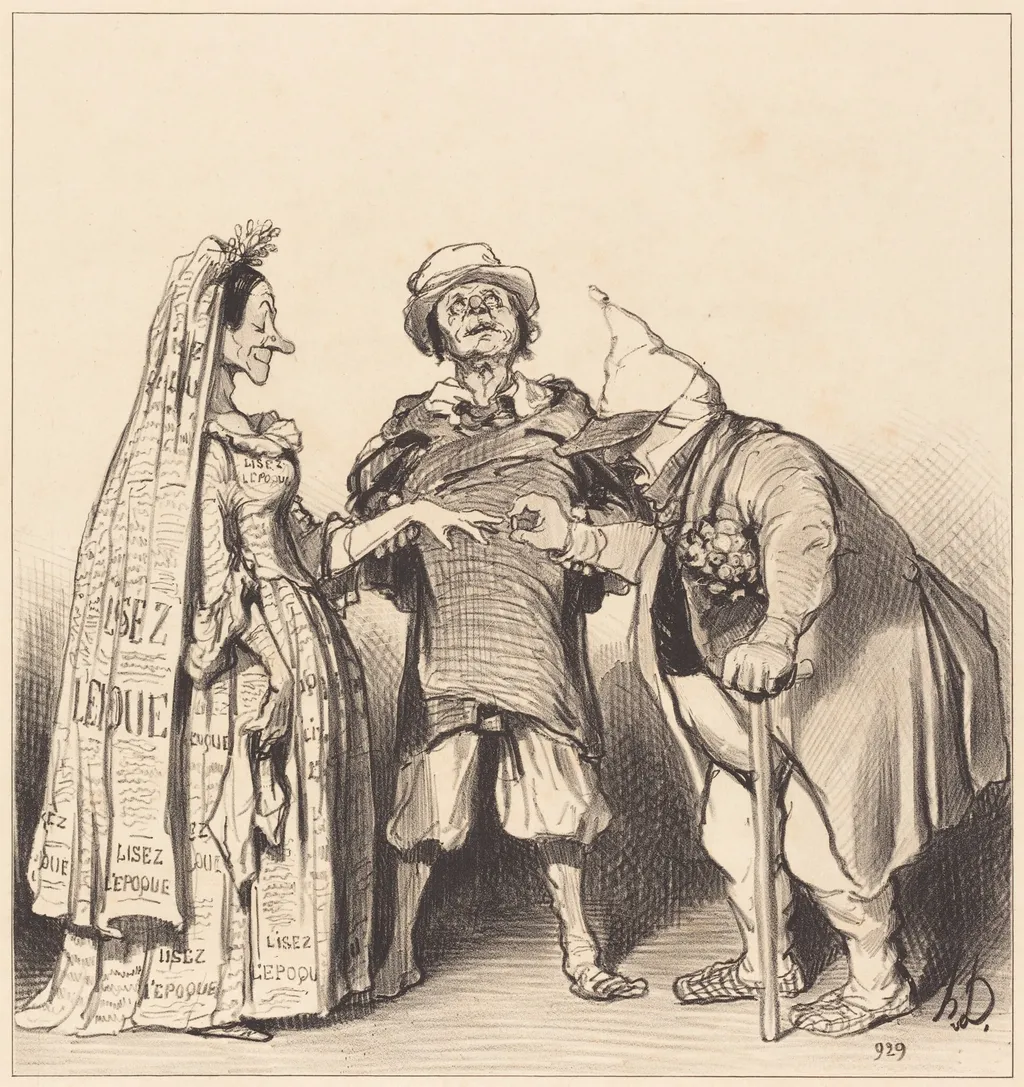
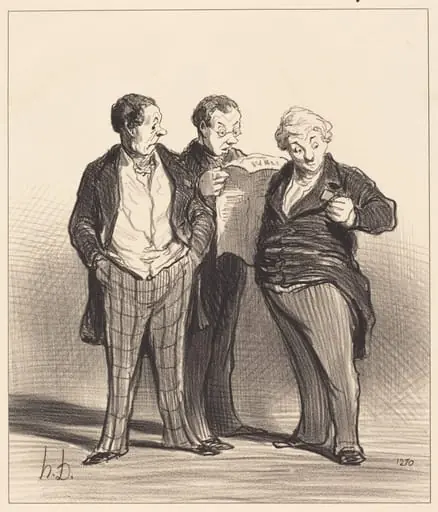
Mariage de l'Époque et du Constitutionnel is an ink print by the Romanticist artist Honoré Daumier. It dates from 1846 and is held in the collection of the National Gallery of Art.
About this work
Overview
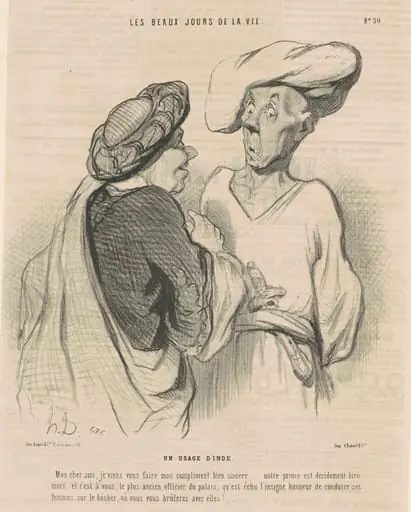
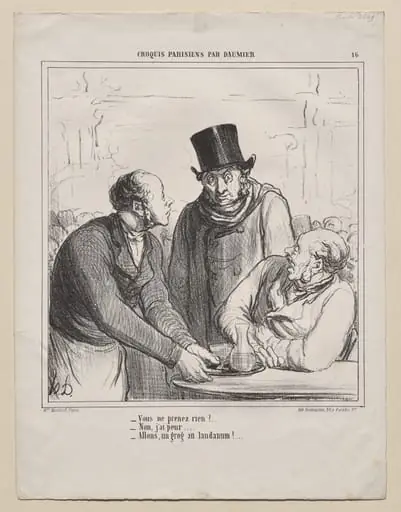
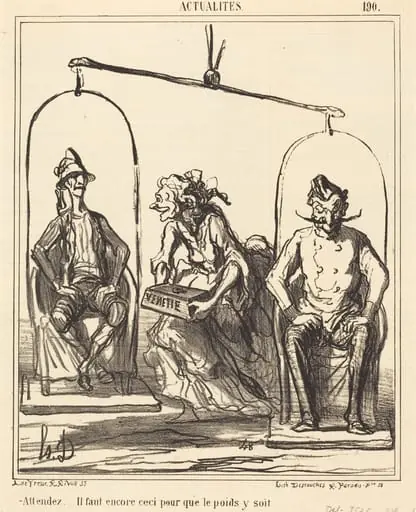
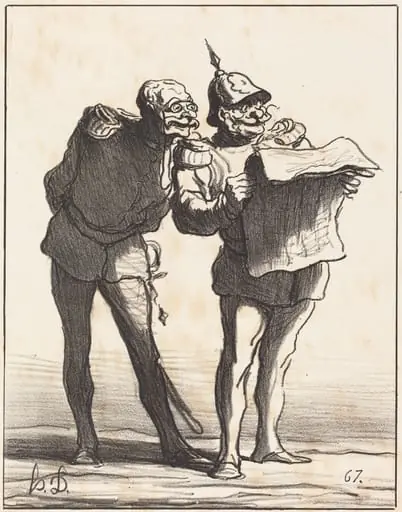
Created in 1846, this lithograph by Honoré Daumier captures a satirical moment in French political life during the July Monarchy.
Created in 1846, this lithograph by Honoré Daumier captures a satirical moment in French political life during the July Monarchy. Executed in a rapid, sketch-like manner, it belongs to a series of prints Daumier produced for satirical journals, using visual wit to expose the tensions between emerging democratic ideals and entrenched power. The work reflects his role as a public critic, translating complex political dynamics into accessible, exaggerated imagery.
Subject & Meaning
The three figures symbolize competing political forces: the sensationalist press (left), the cautious liberal establishment (center), and the fading aristocracy (right). The banner proclaiming 'Lisez l’Époque' mocks the press’s role in shaping public opinion, while the awkward posture of the middle figure suggests unease with compromise. The flower and pipe of the rightmost figure hint at decadence, and the loose robe implies a loss of dignity. Together, they portray a fragile, performative alliance among institutions.
Technique & Style
Daumier employed lithography for its immediacy and reproducibility, allowing his critiques to reach a broad audience. The lines are loose and expressive, avoiding fine detail in favor of gestural energy. Shading is minimal, and forms are suggested rather than defined, enhancing the sense of spontaneity. This sketch-like quality mirrors the urgency of political commentary and aligns with the ephemeral nature of daily satire in periodicals like *Le Charivari*.
History & Provenance
Produced during the reign of Louis-Philippe, the work emerged from a climate of censorship and political repression. Daumier had been imprisoned in 1832 for caricaturing the king, yet continued producing prints for underground and mainstream journals. This piece likely appeared in *Le Charivari*, where his work was regularly published. Its survival in museum collections today reflects its value as a document of 19th-century political dissent and print culture.
Context
France in the 1840s was caught between revolutionary ideals and conservative backsliding. The press, newly empowered but often sensationalist, vied with a monarchy clinging to legitimacy and a bourgeoisie seeking stability. Daumier’s print captures this instability, portraying political actors not as dignified leaders but as absurd, interdependent figures. His work resonated with readers familiar with the daily dramas of newspapers and parliamentary debates.
Legacy
Daumier’s lithographs helped define political satire as a form of public accountability. His unflinching visual language influenced later cartoonists and social commentators across Europe and the Americas. Though created for ephemeral journals, these works endure as historical records of how visual art could challenge authority, democratize critique, and give form to the anxieties of a society in transition.
Artist & collection
Artist
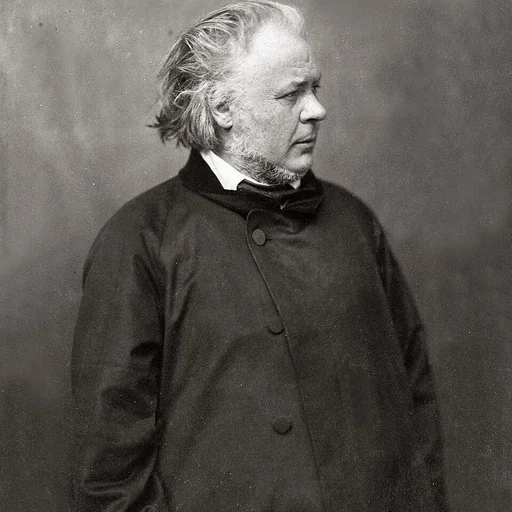
Honoré-Victorin Daumier was a French painter, sculptor, and printmaker, whose many works offer commentary on the social and political life in France, from the Revolution of 1830 to the fall of the Second French Empire in 1870.